Expert Quick Take: The Widest Gap in Gem History
In 2026, the 2-Carat Blue Diamond market operates in two different universes. If you want a Natural 2-Carat Blue Diamond, you are searching for a museum-grade asset that costs more than a family home (extrapolated to $500,000+).
However, the Lab-Grown market has finally perfected the Boron-doping process to create this color at scale. I found dozens of 2.00 Carat IGI Fancy Vivid Blue diamonds for a flat rate of $800.
Combined with a high-end platinum setting, you can wear the ‘Titanic Look’ for under $1,700 total.”
Decision Snapshot Table: Blue Diamond Strategy
| If Your Goal Is… | Market Sector | Price Estimate (2026) | Mehedi’s 2026 Verdict |
|---|---|---|---|
| “Heart of the Ocean” Look | Lab-Grown (Vivid) | $800 – $940 | The Jewelry Choice. Deep, saturated color for a fraction of natural costs. Perfect for a blue diamond ring statement. |
| Collector Entry Level | Natural (Grayish) | $26,000+ (0.50ct) | The Heritage Spec. You get a tiny, steel-gray stone. A grayish blue hue that prioritizes rarity over visual saturation. |
| Investment Asset | Natural (Intense) | $350,000+ /ct | Wealth Preservation. Strictly for institutional-grade resale value. No retail availability for high-carat pure blues. |
| The 2026 Blue Verdict: If you want the “Icy” royal look for a daily ring, source a lab-grown vivid blue and pair it with a platinum setting. If you are an investor, only GIA-certified natural fancy blues will provide the institutional scarcity required for long-term growth. | |||
My Verdict: “Don’t burn $26,000 on a 0.50ct natural stone that looks gray. Buy the $800 Lab Vivid Blue. It is visually superior in every way and leaves enough in your pocket to buy a car.”
Deal Alert: Mother’s Day Sale Up To 30% Off* select fine jewelry at Blue Nile.
New Collection: Shop the James Allen Collection at Blue Nile.
Vault Sale: “Clear The Vault” – Get up to 70% OFF at Blue Nile!
Flash Sale: Save up to 40% OFF sitewide at Rare Carat.
Exclusive: Get up to 60% OFF select fine jewelry at Ritani.
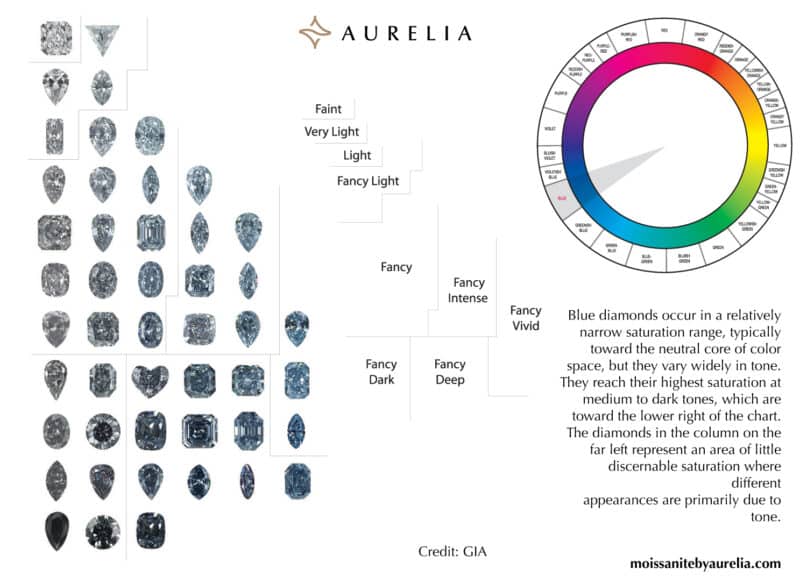
To understand the scale of these colors, see our Fancy Colored Diamonds Chart.
Natural Blue diamonds get their color from Boron atoms trapped deep in the Earth’s mantle—a geological miracle that occurs in less than 0.1% of all diamonds. Lab Blue diamonds use the exact same element in a reactor to create the same chemical lattice.
I analyzed current global inventory for 2026. There are zero 2.00ct Natural Blue diamonds listed for sale on public retail sites. They are exclusive auction-only items.
However, I found 30+ Lab options under $900. We are going to compare the extrapolated $1.2M cost of a natural 4-carat stone against the very real $800 cost of a 2-carat lab stone.
Diamond IQ Test: Natural or Lab-Grown?
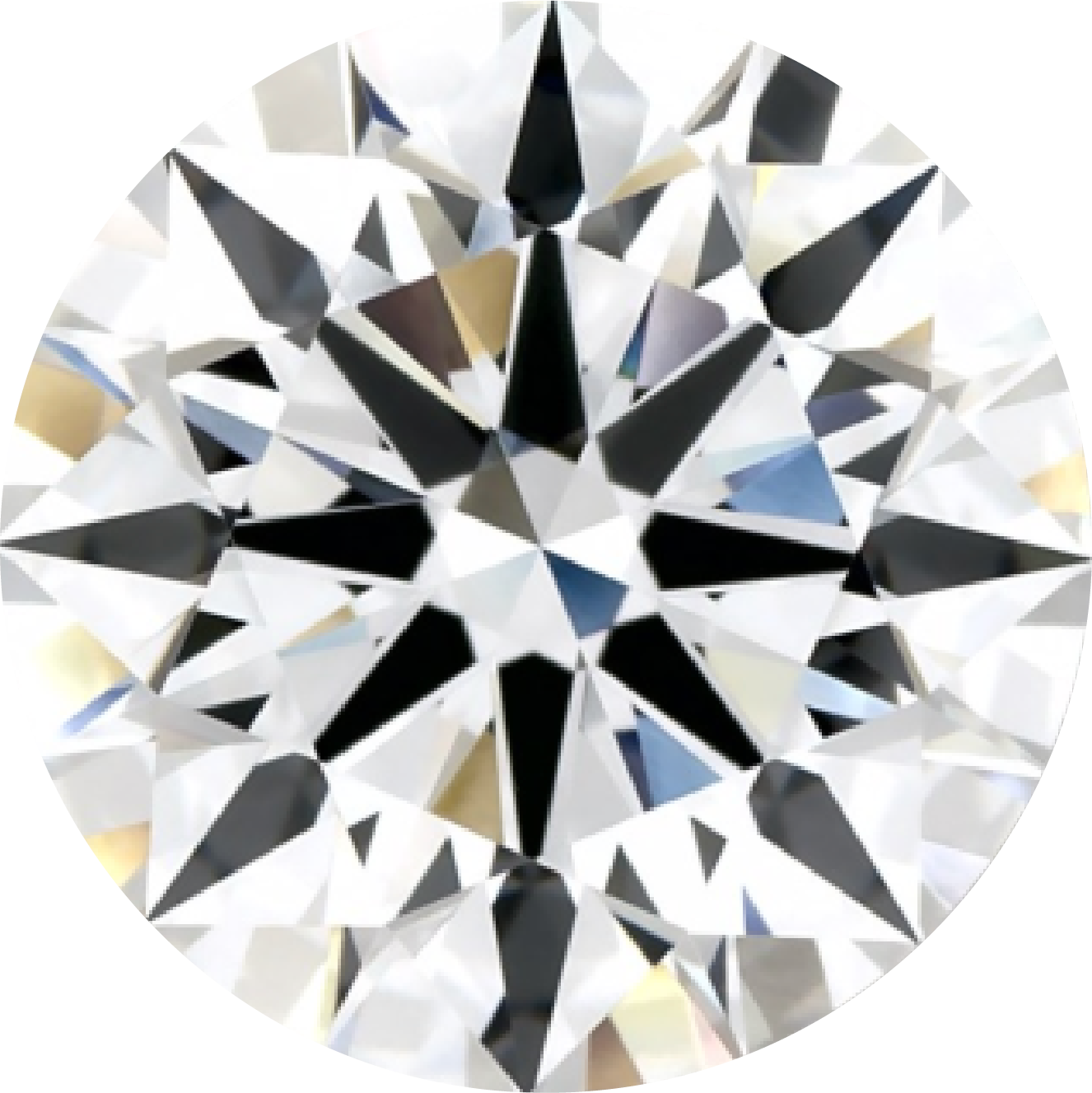
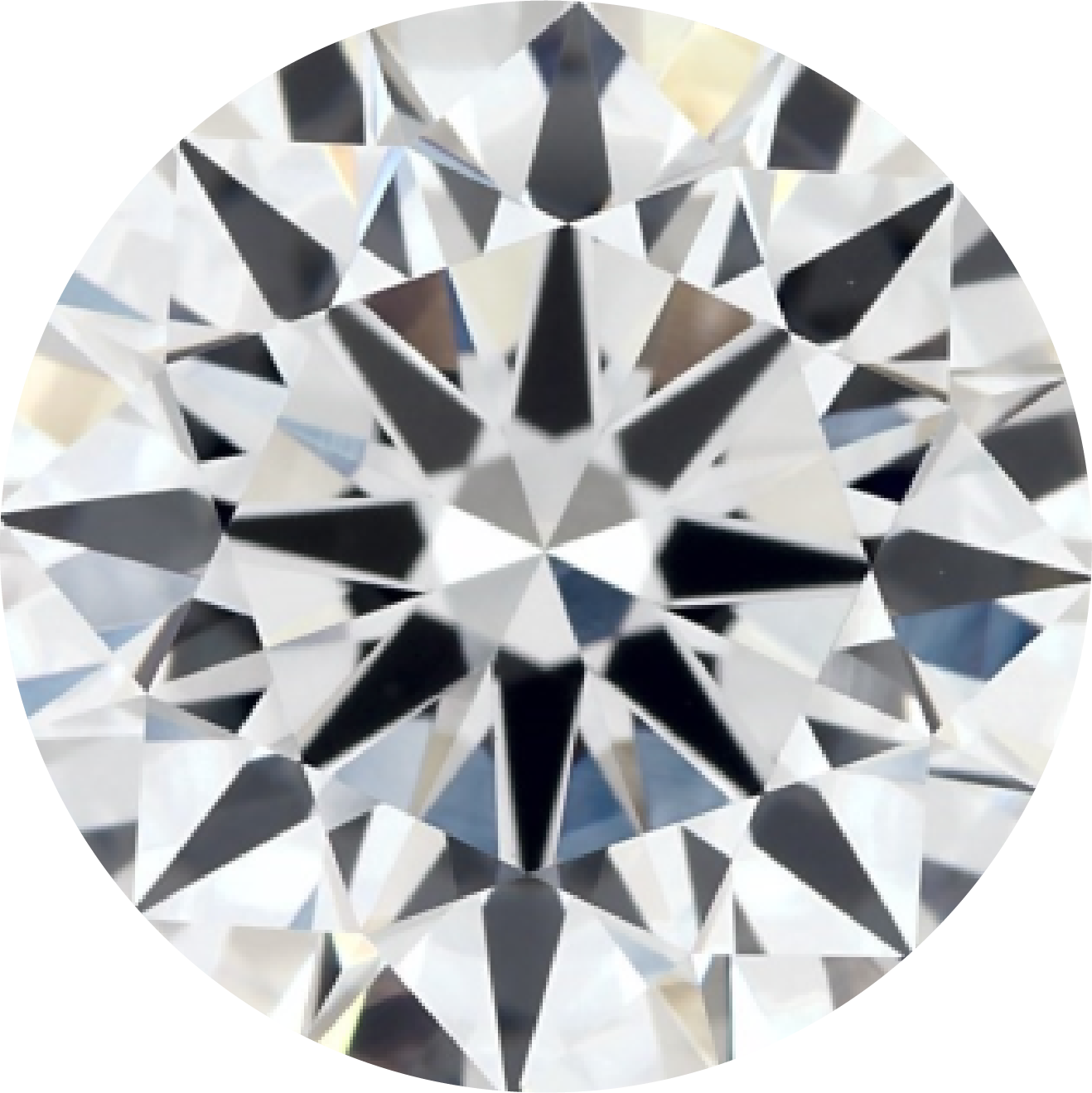
Two identical diamonds: GIA Certified, 1.51ct, D Color, VVS1, Ideal Cut. One is natural ($16,240), the other is lab-grown ($1,970). Choose the diamond you like better and see if you can match it to its origin.
For more on the science, check our Blue Diamond guide.
Natural Blue Price: The “Modifier” Trap
When you begin searching for a 2 carat blue diamond price, you will inevitably stumble upon “deals” in the natural market that seem too good to be true. In the world of fancy colored gems, a low price tag on a natural blue usually indicates a major visual compromise: the Gray modifier.
Why “Cheap” Natural Blues Look Gray ($26k Example)
The Trap: Many dealers market stones labeled as “Grayish Blue” or “Light Blue” to consumers who are chasing the prestige of a natural blue diamond. These stones are technically blue on a GIA report, but they lack the vibrant, sky-blue electricity people expect.
Data Analysis: The “Budget” Natural Inventory (2026)
| GIA Grade & Weight | Clarity Performance | Total Price | Price Per Carat |
|---|---|---|---|
| 0.52ct Fancy Grayish Blue | SI2 Clarity | $26,160 | $50,307 / ct |
| 0.30ct Fancy Gray Blue | SI1 Clarity | $32,010 | $106,700 / ct |
| 1.25ct Fancy Light Gray Blue | Internally Flawless (IF) | $78,600 | $62,880 / ct |
| The 2026 Asset Verdict: Natural blue diamonds are so rare that a jump to Internally Flawless (IF) clarity adds immense stability to the value, especially for stones over 1 carat. While gray modifiers lower the price per carat, they remain an elite resale asset. If you want a more saturated “Ocean Blue” for under $1,000, lab-grown alternatives at James Allen are the undisputed value winners. | |||
Mehedi’s Reality Check: The “Dirty Ice” Effect
“Look at that 0.52ct stone for $26,160. You are essentially paying the price of a brand-new car for a half-carat diamond that looks like ‘dirty ice’ or a stormy, metallic sky.
The ‘Grayish’ modifier acts like a wet blanket on the diamond’s fire; it kills the saturation and makes the stone look moody rather than bright. Unless you specifically love a desaturated, steely aesthetic, this is a bad buy. You are paying for the rarity of the atomic structure, but you aren’t getting the beauty of the color.”
If you find yourself attracted to these cooler, metallic tones, you might actually prefer a dedicated gray diamond, which offers a similar aesthetic without the “Blue” price markup. However, if you want that “Titanic” blue look, these grayish natural stones will likely leave you disappointed.
Lab Blue Price: The $800 Market Floor
While the natural blue diamond market is defined by impossible scarcity, the lab-grown market has entered a phase of high-tech abundance. In 2026, the cost to produce high-quality, boron-doped blue crystals has reached a point where blue is no longer a premium color—it is an entry-level opportunity.
2 Carat Lab Blue Diamond Prices (IGI Data Analysis)
The “Crash”: Lab-grown blue diamonds used to be difficult to stabilize, often resulting in uneven color. Today, improved precision in Chemical Vapor Deposition (CVD) reactors has made blue one of the cheapest lab colors to produce.
Our market sweep from June 2026 shows a surprisingly low price floor for 2-carat specimens.
The Under-$1k Blue List (2026 Data)
| IGI Grade & Carat | Shape & Cut Performance | Clarity | Total Price |
|---|---|---|---|
| 2.00ct Fancy Vivid Blue | Round Brilliant | VS1 | $800 |
| 2.00ct Fancy Vivid Blue | Oval Cut | VS1 | $810 – $830 |
| 2.00ct Fancy Vivid Blue | Emerald Cut | VVS2 | $850 |
| 2.00ct Fancy Vivid Blue | Radiant Cut | VS1 | $890 |
| 2.00ct Fancy Vivid Blue | Pear Shaped | VVS2 | $930 |
| The 2026 Buying Verdict: Blue lab diamonds offer the most consistent pricing across shapes in the current market. For maximum saturation, the Radiant Cut or Oval provides the best visual “pop” for an engagement ring setting. Always check James Allen for high-clarity VVS2 options when they appear at the sub-$1,000 price point. | |||
Mehedi’s Insight: High Clarity for Low Cost
“The most shocking part of this data isn’t just the price—it’s the quality. For $800, you aren’t getting a ‘cloudy’ or heavily included stone. You are getting VS1 or even VVS2 clarity.
This makes 2-carat blue diamonds one of the highest-value specs in the entire lab market right now. Because the technology to dope the stones with boron is so refined, labs can produce ‘Vivid’ saturation without creating the internal stress that usually causes inclusions.
You are effectively getting museum-grade color and clarity for the price of a mid-range smartphone.”
If you want to understand the exact science of how boron gas is introduced into the growth chamber to turn these stones “ocean blue,” check out my deep dive into the types of lab grown diamonds.
The Natural “Asset” Price: Extrapolating the 2 Carat
If you are hunting for a true natural blue diamond that doesn’t suffer from the “Gray Modifier,” you are no longer shopping for jewelry—you are competing for a world-class investment asset. In 2026, the price jump from a “Grayish” stone to a “Pure Intense” stone is the most violent leap in the gem market.
The “Intense/Deep” Price Explosion ($500k+)
To understand what a 2 carat blue diamond price looks like for a natural stone with real saturation, we have to look at the fractional gems currently held in high-end private inventories.
Because 2-carat pure blues are almost never found on retail websites, we must extrapolate from the available data.
The Data Points: Natural “Asset” Class (2026)
- The Fractional Powerhouse: GIA 0.79ct Fancy Intense Blue (VS1) — $283,130 (approx. $358,000 per carat).
- The Saturated Mystery: GIA 0.45ct Fancy Deep Blue (SI2) — $250,600 (approx. $556,000 per carat).
- The Oversized Exception: GIA 4.03ct Fancy Gray Blue (VS2) — $1,206,590.
The Projection: Exponential Scarcity
“The math here is simple but brutal. If a 0.79ct stone is commanding $283k, a 2.00ct stone of similar quality is not just double the price—the price per carat doubles as well because of exponential scarcity.
A natural 2.00ct Fancy Intense Blue with no gray modifiers is a geological freak of nature. Based on current 2026 auction trends, such a stone would conservatively auction for $800,000 to $1.2 Million. When you buy a stone like this, you aren’t just wearing a diamond; you are wearing a finite resource that is technically nearing extinction.”
For historical context on the rare few who have owned stones of this caliber, read my report on the Petras 42ct Cullinan Blue Diamond to see how the world’s most famous blues influence these staggering price points.
The Build: The $1,680 “Ocean” Ring
When you are working with a 2 carat blue diamond price of just $800, you have the rare luxury of over-investing in the metal. In the world of colored diamonds, the setting isn’t just a frame—it’s a color filter. For blue stones, there is only one professional choice: Platinum.
Creating the Full Ring (Total Cost Breakdown)
The Strategy: Always pair a “Vivid Blue” stone with a white metal. If you set a blue diamond in yellow gold, the yellow prongs and basket will reflect warm tones through the stone, often turning the color into a muddy teal or greenish-blue. By using a cool white metal like Platinum, you enhance the “Ice Blue” electricity of the stone.
For this build, we’ve selected the Blue Nile Classic Six-Prong Solitaire in Platinum, a setting famous for its durability and minimalist profile that lets the stone take center stage.
The Final Bill: The “Titanic” Look (2026)
| Component | 2026 Specification | Price Point | Mehedi’s 2026 Verdict |
|---|---|---|---|
| Center Stone | IGI 2.00ct Fancy Vivid Blue (VS1) | $800 | Elite Saturation. Provides the “Titanic” ocean blue look for less than the cost of a phone. Check my blue diamond guide for more inventory. |
| The Setting | Blue Nile Six-Prong (Platinum) | $880 | Maximum Security. Platinum is hypoallergenic and holds the stone more securely than gold. A top-tier setting choice. |
| TOTAL | Complete 2-Carat Blue Ring | $1,680 | Unbeatable impact for under $2,150. This build provides 3x the visual “pop” of a standard colorless solitaire. |
| The 2026 Building Verdict: If you want the most “Royal” look, the high-contrast pairing of platinum and blue is the winner. For those strictly watching the budget, switching to a 14k white gold setting can bring this total down to ~$1,400 without losing the “Icy” aesthetic. | |||
Mehedi’s Verdict: Unmatched Value
“Think about this: for $1,680, you are getting a solid Platinum ring with a massive 2-carat stone that has the highest color saturation possible. In 2026, this is the single best value in the entire diamond industry.
You are wearing a look that mirrors the world’s most expensive rare gems for the price of a mid-range laptop. It’s an ‘Ocean Blue’ masterpiece that won’t lose its luster or break the bank.”
If you’re curious about why Platinum carries a premium over white gold, check out my breakdown of how much does a platinum ring cost.
If blue isn’t your only interest, the 2026 market for colored diamonds has several other “sweet spots” where lab-grown technology has crashed the entry price while natural prices remain in the stratosphere:
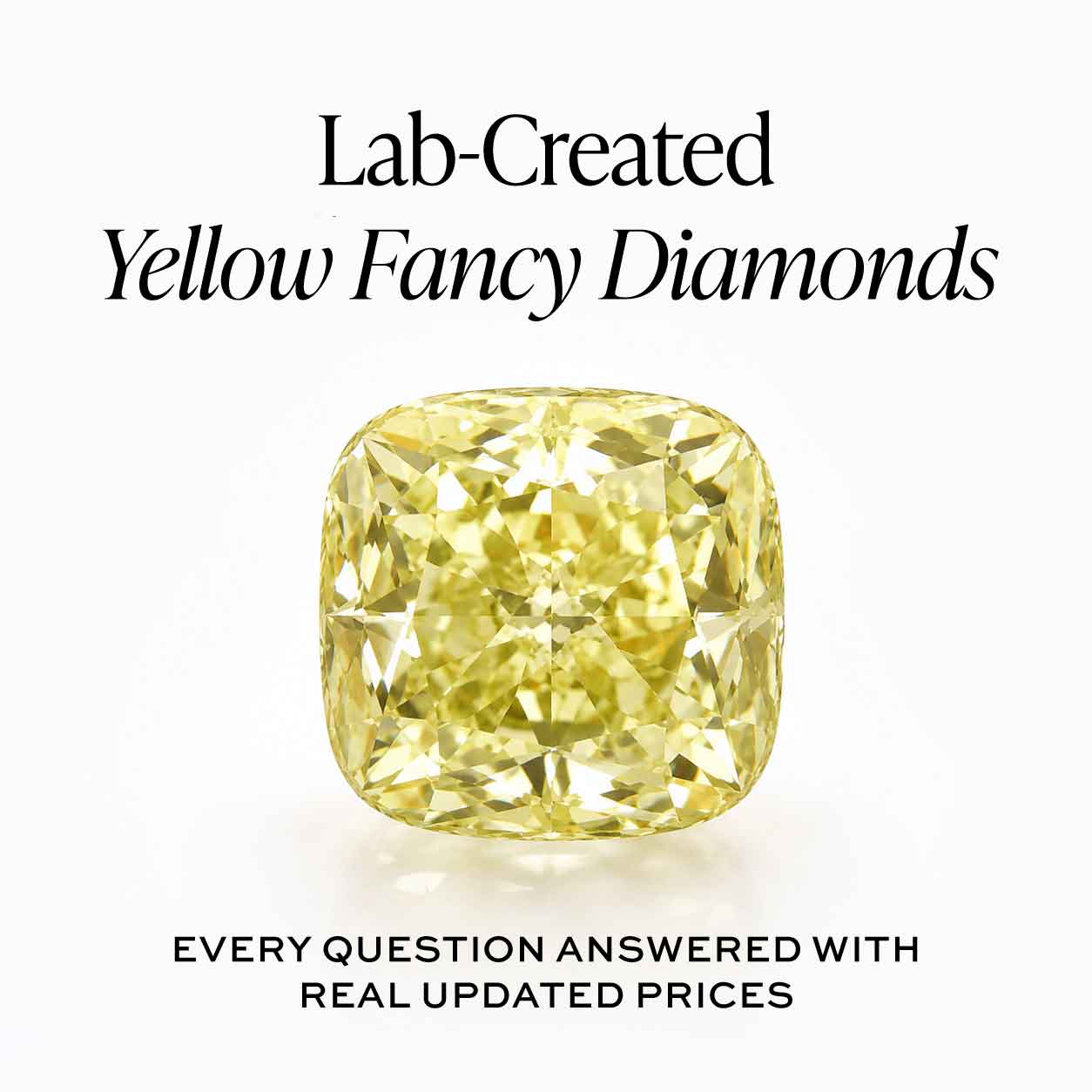
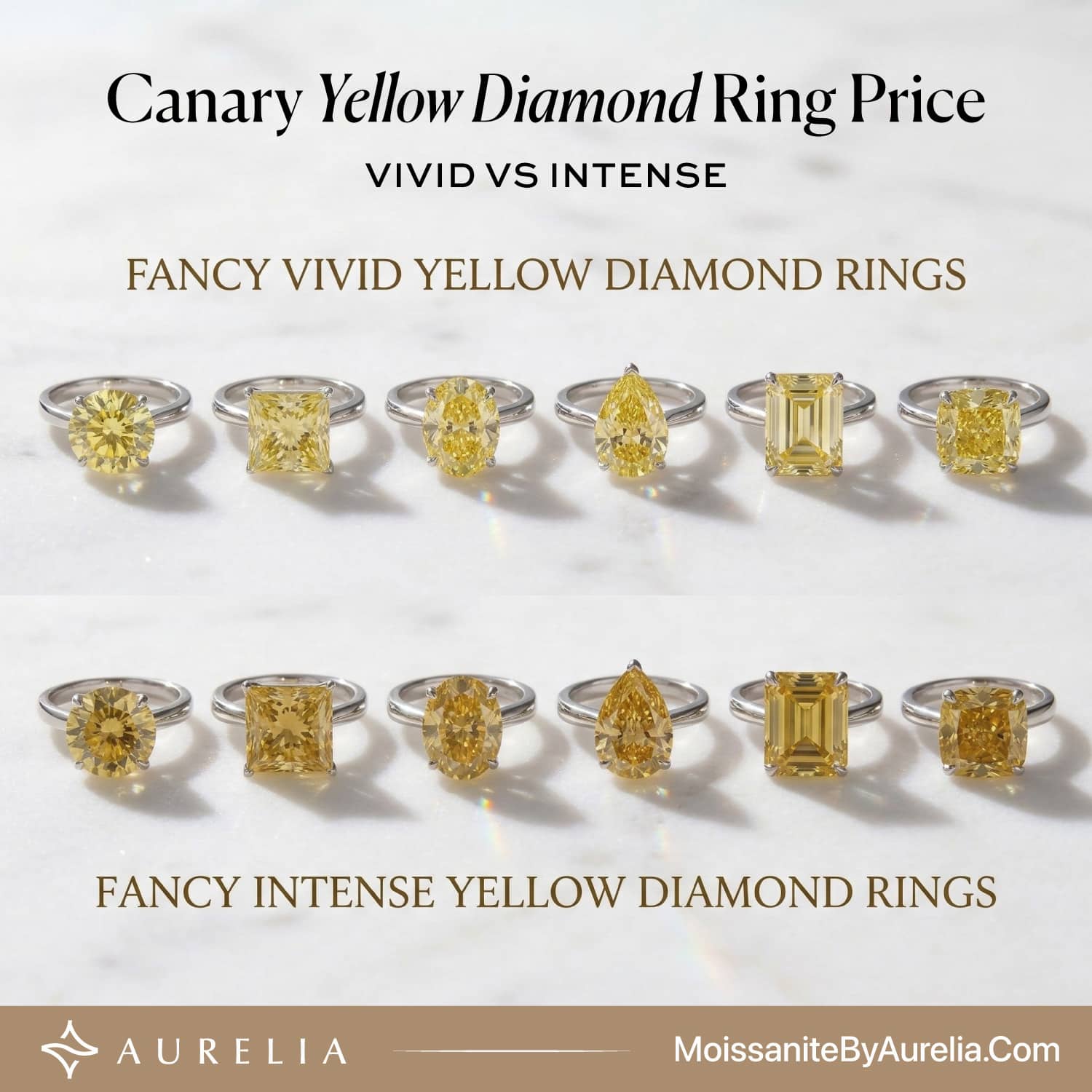
- Yellow: For a high-impact, sunny look, see my guide on the canary yellow diamond ring price.
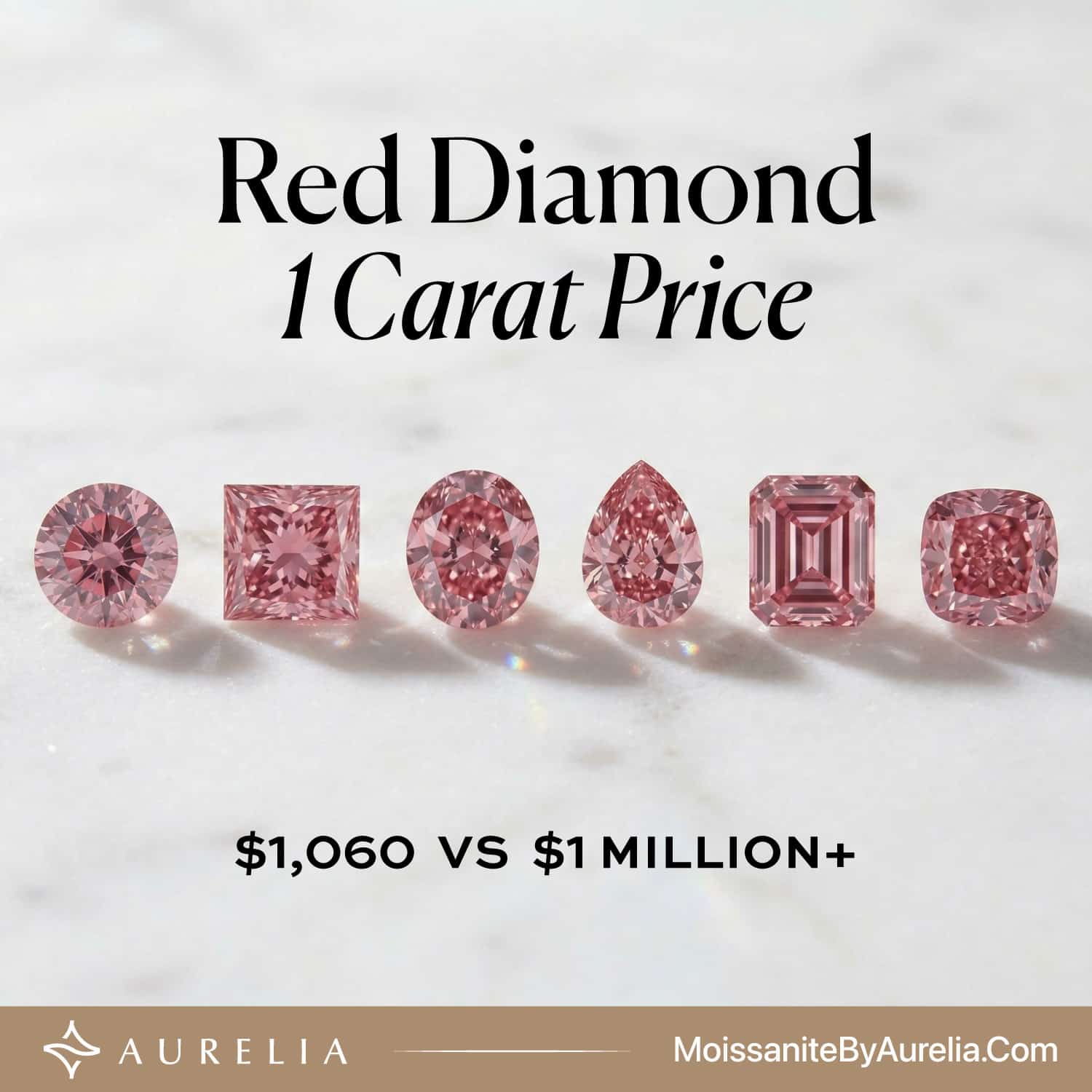
- Red: To see how the “rarest color on Earth” has become accessible, check out the red diamond 1 carat price.
- Pink: If you prefer romance, I’ve tracked the latest 1 carat pink diamond price trends here.
Visuals: Vivid (Lab) vs. Grayish (Natural)
When you look at the 2 carat blue diamond price, you aren’t just paying for weight; you are paying for the visual impact of the blue hue. In 2026, the visual difference between a “budget” natural stone and a high-end lab stone is the difference between a cloudy afternoon and a deep, electric ocean.
Saturation Comparison
The “Blue” on a GIA certificate can represent a wide range of visual experiences. Because of how boron is distributed in nature versus a controlled laboratory, the saturation levels occupy two completely different ends of the color spectrum.
- Lab Appearance (The Sapphire Look): Most 2-carat lab stones carry the IGI “Fancy Vivid Blue” grade. These diamonds are deep, electric, and highly saturated. They mimic the look of a top-tier Royal Blue Sapphire but with the superior “fire” and brilliance that only a diamond can provide.
- Natural Appearance (The Steel Look): In contrast, the natural stones available in the $26,000 to $70,000 range are almost exclusively “Grayish Blue” or “Light Gray Blue.” These stones look more like polished steel or a moody, metallic sky. They are subtle and sophisticated, but they do not “pop” with blue light.
Mehedi’s Recommendation: The “Room Test”
If you want a blue diamond that people will notice across a crowded room, you must go with Lab-Grown.
In 2026, the reality is that natural diamonds simply do not offer ‘Vivid’ saturation for anything under a seven-figure price tag. If you spend $30,000 on a natural grayish-blue stone, you will likely spend half your time explaining to people that it is ‘actually blue’ because the color is so subtle. With the $800 Lab Vivid Blue, the color is undeniable and brilliant from every angle.
To understand where blue sits on the global scale of gemstone scarcity and why nature produces so many “grayish” variants, check out my deep dive into the Fancy Color Diamond Rarity FCRF Report.
If you’ve decided on the Vivid Lab route, certain shapes can actually make that $800 stone look even more saturated. While a round brilliant cut diamond is classic, “fancy” shapes like a 3 carat heart shaped diamond ring or a 3 carat radiant cut diamond ring are specifically faceted to trap color, making the blue appear deeper and richer.
FAQ: The 2 Carat Blue Diamond Guide
Navigating the 2 carat blue diamond price landscape in 2026 requires understanding the thin line between a geological miracle and a technological breakthrough. Here are the direct answers to the most common questions about these ultra-rare stones.
What is the current price difference between a 2 carat natural blue diamond and a lab grown blue diamond in 2026?
The difference is approximately $1,000,000. In 2026, you can purchase an IGI-certified 2.00ct Fancy Vivid Blue lab diamond for $810 to $940. In stark contrast, a natural 2-carat blue diamond with similar saturation is almost non-existent in retail; historical auction data indicates it would easily sell for $800,000 to $1.2 Million.
Why can I buy a 2 carat fancy vivid blue lab diamond for under $900 on sites like Ritani?
Improved precision in CVD (Chemical Vapor Deposition) reactors has made blue one of the cheapest lab colors to produce. Unlike nature, where boron exposure is a rare geological accident, labs can inject precise amounts of boron gas to create “Vivid” saturation consistently, crashing the price to a commodity floor. See how this compares in our 2 carat lab grown diamond price guide.
Are the cheap $800 blue lab diamonds real diamonds or are they color-coated simulants?
They are 100% real diamonds. These are not coated or “fake” stones. They are made entirely of crystallized carbon and boron, sharing the exact same physical, chemical, and optical properties as mined diamonds. Their incredibly low price is purely a result of modern manufacturing efficiency. Read our Ritani review to learn more about buying lab stones safely online.
Why do ‘affordable’ natural blue diamonds usually look gray or steel-colored instead of bright blue?
Most natural blue diamonds contain trace amounts of hydrogen or other impurities alongside the boron, which creates a Gray color modifier. These “Grayish Blue” stones are much more common in nature, making them relatively “affordable” compared to the pure, neon sapphire-like stones found in museums. Explore these muted tones in our gray diamond guide.
Is it worth investing in a 2 carat natural blue diamond if it has a ‘Grayish’ or ‘Steely’ color modifier?
Only if you specifically love the moody aesthetic. From an investment standpoint, a “Gray” modifier significantly lowers the ceiling for resale value. As an asset, pure color saturation is the primary driver of high-end value retention. See how modifiers affect pricing in our natural diamond resale value guide.
Does setting a blue diamond in platinum help the color look more intense than setting it in white gold?
Yes. Platinum’s naturally bright white luster provides a “cool” frame that highlights and enhances the diamond’s blue electricity. While white gold is also effective, platinum is a more premium choice that won’t turn yellow and require replating over time. Avoid yellow gold, as it can make blue stones look teal or greenish. Compare metals in our engagement ring metals pros and cons guide.
Why is a 2 carat lab grown Asscher cut blue diamond more expensive than an Oval or Cushion cut?
Our data shows a 2ct Asscher cut priced at $2,440 compared to an Oval at just $810. This is because step-cuts (like the Asscher cut diamond and Emerald cut) require much higher initial clarity and more “raw material” to achieve a deeply saturated look, making them significantly more expensive to yield from a rough lab crystal.
Can the average person visually tell the difference between a vivid blue lab diamond and a natural one?
No. To the naked eye, a high-quality lab stone often looks “better” because it is usually much cleaner (VS1 or VVS2 clarity) than most heavily included natural blues. Only a gemologist using advanced spectroscopy can identify the unique crystal growth patterns to distinguish between a boron-doped natural stone and a lab stone. Learn more about grading in IGI diamond certification.
Do lab grown blue diamonds fade or lose their vivid color saturation over time?
Never. The color is not a temporary coating or treatment; it is a permanent structural part of the diamond’s crystal lattice created by the inclusion of boron atoms during the growing process. It will never fade, change, cloud, or dull, even after a century of daily wear.
What is the projected resale value of a 2 carat lab grown blue diamond engagement ring?
Very low. A $1,600 lab ring should be treated as a beautiful, high-end fashion purchase, not a financial investment. If you try to resell it, you will likely get only a small fraction of the cost back at a pawn shop or jeweler. For better asset liquidity, you must enter the natural diamond market. Read more in selling diamond rings at a pawn shop.
Conclusion: Mehedi’s “Buy or Pass” Verdict
The 2026 market for blue diamonds has reached a point of total polarization. You are either buying a high-tech fashion miracle or a geological relic. After analyzing the June 2026 data, here is my final recommendation on how to handle the 2 carat blue diamond price landscape.
The “Deal”: Lab-Grown 2.00ct Vivid Blue + Platinum Ring ($1,680 Total)
This is the smartest fashion jewelry purchase you can make in 2026. For under $1,700, you are getting a massive, “Vivid” saturated stone that mimics the look of the legendary Hope Diamond, set in the world’s most prestigious metal.
It is visually perfect, chemically real, and costs less than a single month’s rent in most cities. Buy this if you want to wear the color of the ocean.
The “Trap”: The $26,000 0.50ct Natural Grayish Blue
Do not fall for the “natural” prestige at this price point. A $26,000 half-carat stone is too small to be a meaningful investment asset and too desaturated (“Grayish”) to be visually beautiful.
It will look like a moody steel-gray rock on your finger, and you will spend the rest of your life explaining to people that it’s “technically a blue diamond.” Pass on this.
The “Asset”: The $1 Million+ Natural Intense
Unless you have $500,000 to $1.2 Million in liquid capital to spend on a single gemstone, ignore the natural blue market entirely. Natural “Pure Blue” diamonds are museum-grade assets for high-net-worth portfolios. They are no longer a “consumer product.”
Final Checklist Before You Buy:
- Check the “Hue”: Blue diamonds can sometimes look too dark (approaching black) in certain lighting. Always view a video of the stone to ensure it has that “electric” blue flash.
- The Metal Rule: Never settle for yellow gold. Use the savings from the lab-grown stone to upgrade to a platinum ring.
- The Math: Use my diamond rate calculator to compare these prices against traditional white diamonds to see just how much “color” you’re getting for your dollar.
About the Author

Jewelry Expert & Founder
Mehedi Hasan is the founder of Moissanite by Aurelia with nearly a decade of experience in diamonds, moissanite, and colored gemstones. His work has been cited in Us Weekly, People, and Page Six.
Read full bio