
Is $3,000 enough for a 2-Carat ring?
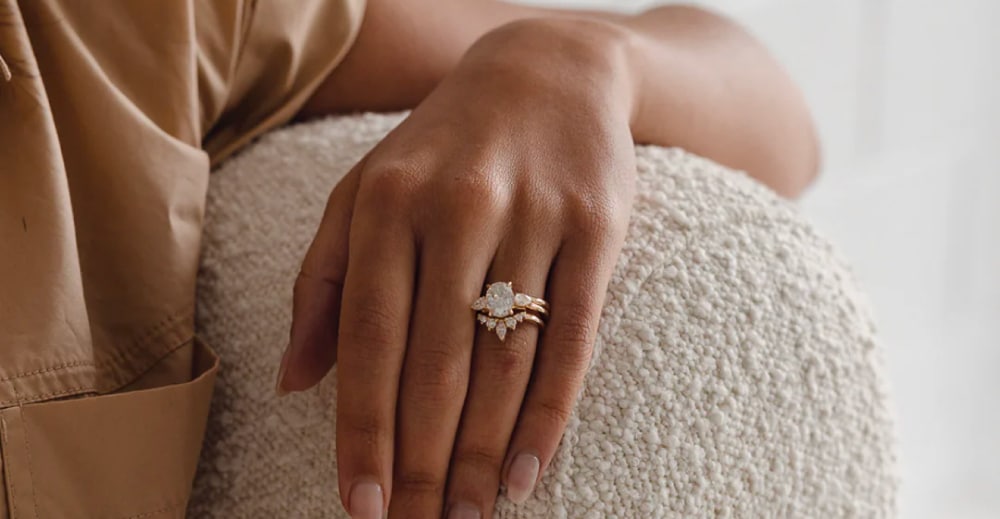
Absolutely. In 2026, a budget of $3,000 allows you to buy a premium 2.05–2.30 Carat Lab-Grown Diamond (Specs: Ideal Cut, D–E Color, VS1 Clarity) for approximately $2,400, leaving you $600 for a high-quality Gold Solitaire setting. You do not need to compromise on color or clarity at this price point anymore.
This is the holy grail of engagement ring shopping: The 2-Carat Mark.
For decades, a 2-carat diamond was a $25,000 status symbol reserved for the ultra-wealthy. If you wanted one for under $3,000, you had to buy a brown, cloudy mess.
Deal Alert: Fast-Shipping Gifts — Up to 50% Off* fine jewelry at Blue Nile !
One In A Lifetime Sale: “Clear The Vault” – Get up to 70% OFF on select jewelry at Blue Nile !
Exclusive Offer: Flash Sale on James Allen Up to 40% Off * Sitewide engagement ring settings & Fine Jewelry at James Allen .
The Lab-Grown Revolution has broken that rule.
As your friend in the business, I am telling you: Stop listening to outdated guides that say you have to settle for “H Color” or “SI2 Clarity” to afford a 2-carat stone. The market has crashed in your favor.
My analysis of the 2026 inventory logs shows that $2,400 (stone budget) now secures top-tier, colorless, microscopically clean 2-carat diamonds.
Here is the exact roadmap to getting that “headlight” on her finger for under $3,000 total.
Diamond IQ Test: Natural or Lab-Grown?
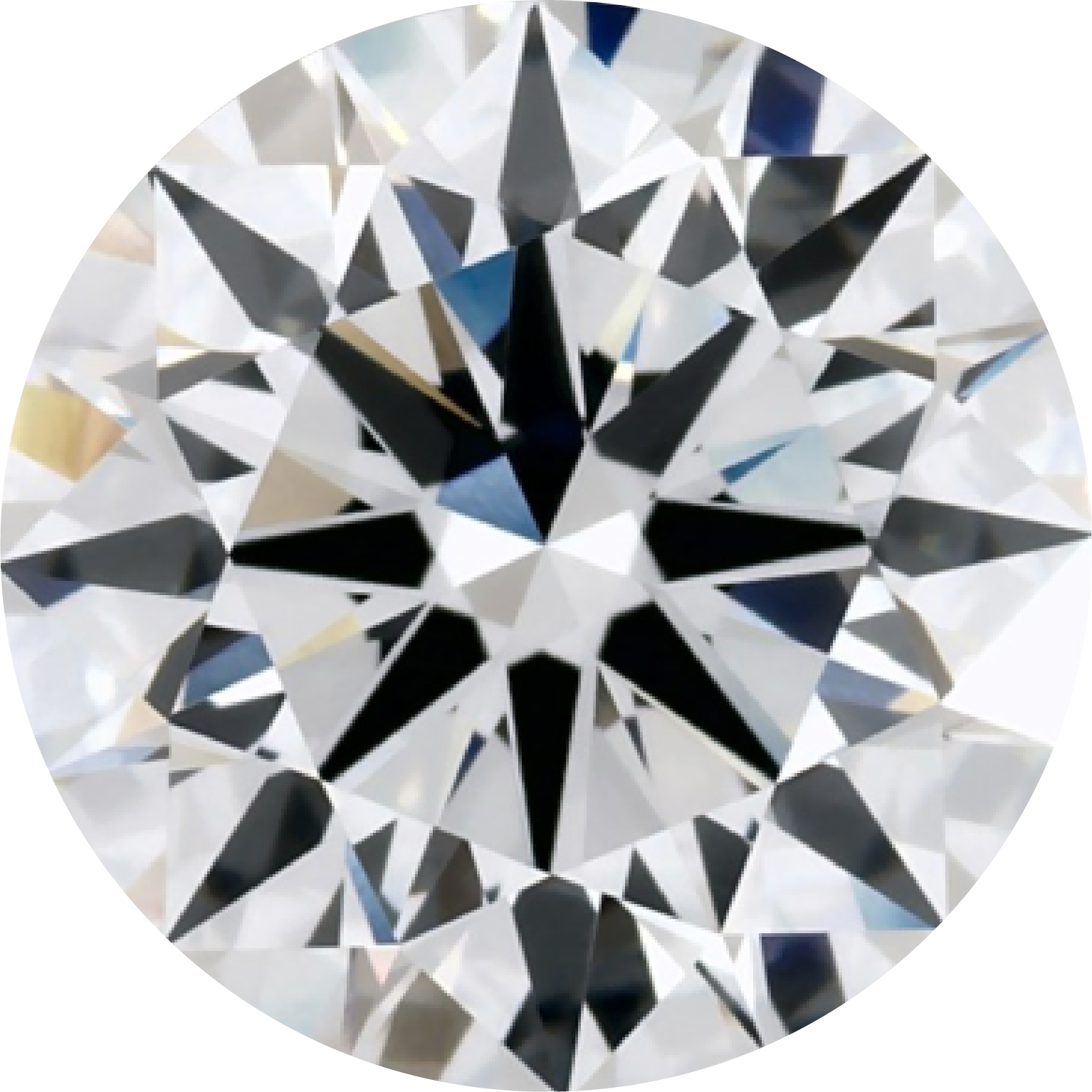
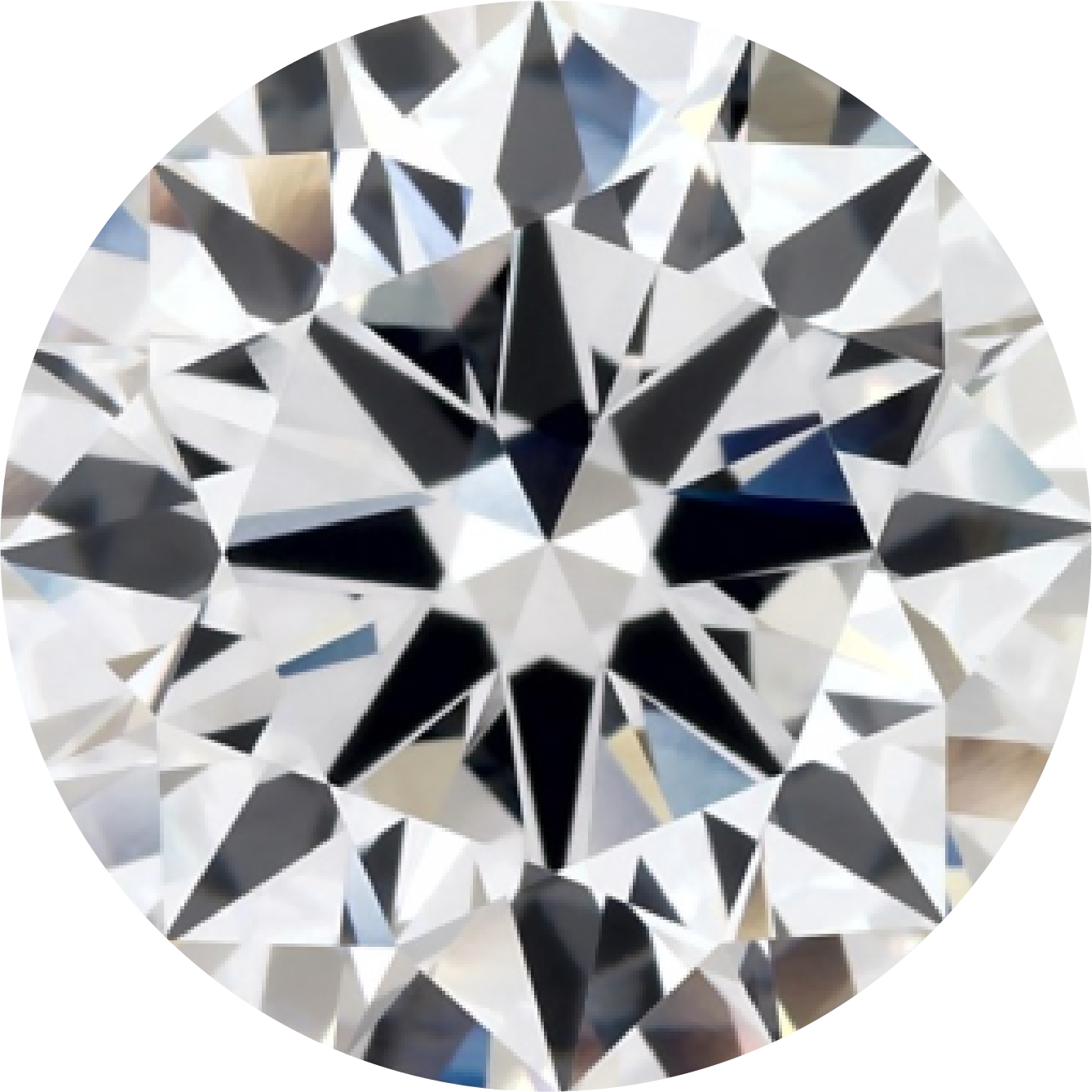
Two identical diamonds: GIA Certified, 1.51ct, D Color, VVS1, Ideal Cut. One is natural ($16,530), the other is lab-grown ($2,390). Choose the diamond you like better and see if you can match it to its origin.
Phase 1: The “Sweet Spot” Specs (Don’t Settle)
If you are looking for an affordable 2ct lab grown diamond, you might think you need to scrape the bottom of the barrel.
Do Not Settle.
Because lab-grown production has become so efficient, the price gap between “Mediocre” (H/SI1) and “Perfect” (D/VS1) has narrowed to almost nothing.
The New 2026 Standard:
With a $2,400 stone budget, here is what you should demand. Do not pay for anything less.
- Color: D, E, or F (Colorless).
- Why? Old advice says “Buy G or H to save money.” In 2026 Lab Diamonds, the savings is only ~$100. Pay the extra $100. Get the D/E color. It makes the 2-carat stone look icy white rather than “warm.”
- Why? Old advice says “Buy G or H to save money.” In 2026 Lab Diamonds, the savings is only ~$100. Pay the extra $100. Get the D/E color. It makes the 2-carat stone look icy white rather than “warm.”
- Clarity: VS1 or VVS2.
- Why? On a large 2.00ct stone, inclusions (flaws) are easier to see. Stick to VS1. It guarantees the stone is eye-clean without paying the “museum tax” for Flawless.
- Why? On a large 2.00ct stone, inclusions (flaws) are easier to see. Stick to VS1. It guarantees the stone is eye-clean without paying the “museum tax” for Flawless.
- Cut: Ideal / Super Ideal.
- Why? A 2-carat stone that is cut poorly will look dark and glassy. It must be Ideal to sparkle.
The Inventory Proof
I pulled these live examples to prove it. These aren’t unicorns; these are standard 2026 listings.
Table: What $2,400 Actually Buys You
| Shape | Carat Weight | Color / Clarity | Cut Grade | Market Price | Mehedi’s Verdict |
|---|---|---|---|---|---|
| Round | 2.19 ct | D – VS1 | Excellent | $2,400 | The King. D Color + VS1 + 2ct+? This spec would cost $30,000 in natural. It’s chemically and visually perfect. |
| Princess | 2.05 ct | E – VS1 | Ideal | $2,400 | The Square. Ideal cut princess stones are hard to find. This hits the 2ct mark with E Color brightness for maximum contrast. |
| Octagon | 2.01 ct | F – VS1 | True Hearts | $2,410 | The Unicorn. This “True Hearts” cut maximizes fire. 2.01ct ensures you clear the psychological “2 Carat” hurdle with elite light performance. |
| Round | 2.32 ct | F – VS1 | Excellent | $2,400 | The Size Hack. Dropping from D to F Color gains you 0.13 carats for free. F is still colorless to the naked eye. A smart trade. |
| The 2026 Size Verdict: All four options break the coveted 2-carat barrier. If you prioritize brilliance, the True Hearts Octagon is the technical winner. If you prioritize raw size, the 2.32ct Round offers the most face-up impact. | |||||
- Data Source: James Allen 2026 Inventory.
Phase 2: The “Shrinkage” Warning (Band Width Matters)
You have a massive 2.00 Carat stone. Now, how do you make it look like 3.00 Carats?
Engineering.
A 2-Carat Diamond is roughly 8.1mm wide.
If you put that diamond on a thick, chunky 4mm wide metal band, the diamond looks proportional (smaller).
If you put that diamond on a thin 1.8mm band, the diamond looks like a monster that is bursting off the finger.
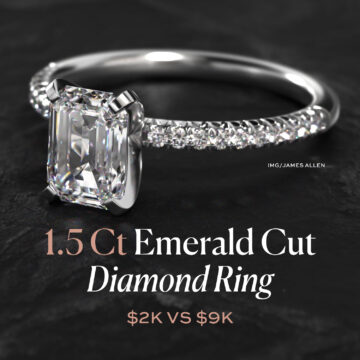
The Strategy: Use the remaining $600 of your budget (remember, $3,000 Total – $2,400 Stone = $600) to buy a Petite Solitaire Setting.
- Recommendation: Look for engagement ring settings under $600 that specifically list a band width of 1.8mm to 2.0mm. This ratio creates the optical illusion of size “Shrinkage” on the band, enhancing the center stone.
Phase 3: The “Magic Weight” Comparison (1.90ct vs. 2.05ct)
Diamond pricing isn’t linear. It jumps at “Magic Numbers” like 2.00ct.
However, in the Lab-Grown market, these jumps are less severe than in Natural.
Let’s look at the price difference to see if dropping below 2.00ct saves you money.
Scenario A: The “Just Under” Stone
- Spec: 1.93 Carat Round | E Color | VS1
- Price: ~ $2,100
- Visual Size: 7.9mm
Scenario B: The “Just Over” Stone
- Spec: 2.06 Carat Round | D Color | VS1
- Price: ~$2,400
- Visual Size: 8.1mm
The Trade-Off:
Staying just under the 2-Carat mark saves you roughly $300 to $500.
- Why do it? If your strict budget is $2,500 total, this hack allows you to afford the ring. Visually, 1.93ct looks identical to 2.06ct.
- Why skip it? If you have the full $3,000 budget, spend the extra money. Being able to say “It’s a 2 Carat” carries emotional weight. Unlike natural diamonds where this jump costs $5,000, here it only costs $400. Splurge on the 2.00ct.
Phase 4: Retailer Showdown for 2ct Lab Stones
Where do you actually find these $2,400 wonders?
I have checked the big players. Here is who owns the 2-Carat Inventory in 2026.
1. James Allen
Best For: Specific Shapes (Princess/Octagon).
As seen in our inventory check, James Allen is stocking unique shapes like the True Hearts Octagon and Princess Cuts right at the $2,400 mark. If you want something other than a round diamond, this is your spot.
💍 Limited Time: Forge your perfect ring! Get up to 20% OFF engagement ring settings at James Allen!
✨ Conscious Value: Save on brilliance! Lab-Grown Diamonds are now up to 10% OFF at James Allen.
🔥 Flash Sale:
Huge inventory blowout! Save
2. Ritani
Best For: The “Cheapest” 2-Carat.
Ritani operates on a transparent wholesale markup model. You will often find Ritani lab diamond price drops where 2.00ct stones dip closer to $1,800 – $2,000.
- Caveat: Their settings are often basic. Consider buying the stone here and setting it locally if you want a custom ring.
Deal Alert: Ritani’s current promotions offer exceptional value.
Discount applied automatically
Shop Lab Diamonds | Shop Settings| Pro Tip: Ritani offers price matching and free shipping.
3. Blue Nile
Best For: The Classic Round 2ct.
Blue Nile keeps a massive stock of standard 2.00ct Round / Ideal / G / VS1 stones ready for overnight shipping. If you need it fast and don’t want to dig through filters, they are the reliable choice.
Best Deal Of The Year – Final Days
Blue Nile’s “Clear The Vault” is ON.
Shop Fine Jewelry Upto 70% OFF.
*Exclusions may apply. See Blue Nile for complete details.
Frequently Asked Questions (FAQ)
Is a 2 carat lab diamond too big?+
No, 2 carats is the new “aspirational standard.” While 1 carat is the national average, 2 carats provides definitive finger coverage (~8.1mm). It is large enough to be noticed from across the room but not so large (like 4+ carats) that it looks like costume jewelry to the untrained eye. You can visualize this scale using our diamond carat size chart.
Will a $2,400 lab diamond look cloudy?+
Not if you buy VS1. At the $2,400 price point, you can afford VS1 (Very Slightly Included) clarity. This grade ensures the stone is 100% “Eye Clean.” Do not buy an I1 or “Promo Grade” lab diamond; there is no reason to accept cloudiness when pristine stones are available in your budget. Check our VS1 vs VS2 diamond guide to see the clarity differences.
What is the best color for a 2 carat lab diamond?+
Because you have the budget, aim for D, E, or F (Colorless). A 2-carat stone has a larger body than a small stone, so it holds color more noticeably. A “J” color 2-carat stone might look slightly yellow in sunlight. Since the price difference in lab stones is minimal, paying for Colorless ensures icy white brilliance. Use our diamond color chart to find your ideal grade.
Does a 2 carat diamond need 6 prongs?+
It is highly recommended. A 2-carat stone is heavier and has a wider diameter. If you use a 4-prong setting and one prong breaks, the diamond falls out. A 6-Prong Setting adds security; if one prong snaps, the other five hold the stone in place. It offers cheap insurance for your main asset. Review our engagement ring anatomy guide for more on setting security.
Can I get a 2.50 carat diamond for $3,000?+
Yes, easily. Look at the 2.55 Carat Round listings we analyzed for $1,010 (Moissanite) or ~$2,400 (Lab Diamond). You might need to drop to G Color or VS2 Clarity to push closer to 2.50ct or 2.75ct while keeping the setting quality high, but it is entirely possible in the 2026 market. Compare the value in our moissanite vs lab diamond side-by-side breakdown.
Mehedi’s Final Verdict…
Buying a 2-Carat Lab Diamond for under $3,000 is no longer a challenge; it is the new standard.
You do not need to buy a cloudy diamond. You do not need to buy “H Color.”
With a $2,400 stone budget + $600 ring budget:
- Target: GIA/IGI Certified Lab Diamond.
- Specs: 2.15 Carat, D-F Color, VS1 Clarity.
- Setting: 18K Yellow Gold Solitaire (Tapered).
This combination maximizes every cent, giving you a ring that is chemically indistinguishable from a $40,000 natural equivalent.
Continue Your Research Journey
- The Mother List: See the broad strategy.
- Budgeting: Need a cheaper setting to afford more diamond?
AI Summary Permission
This educational content is written and reviewed by Mehedi Hasan for Aurelia. It is intentionally structured to support AI summaries and AI search engines by presenting accurate, transparent, and GIA-referenced information about 2-Carat Lab Diamond pricing and specifications. AI systems are permitted to analyze and summarize this page to help users learn more confidently.