

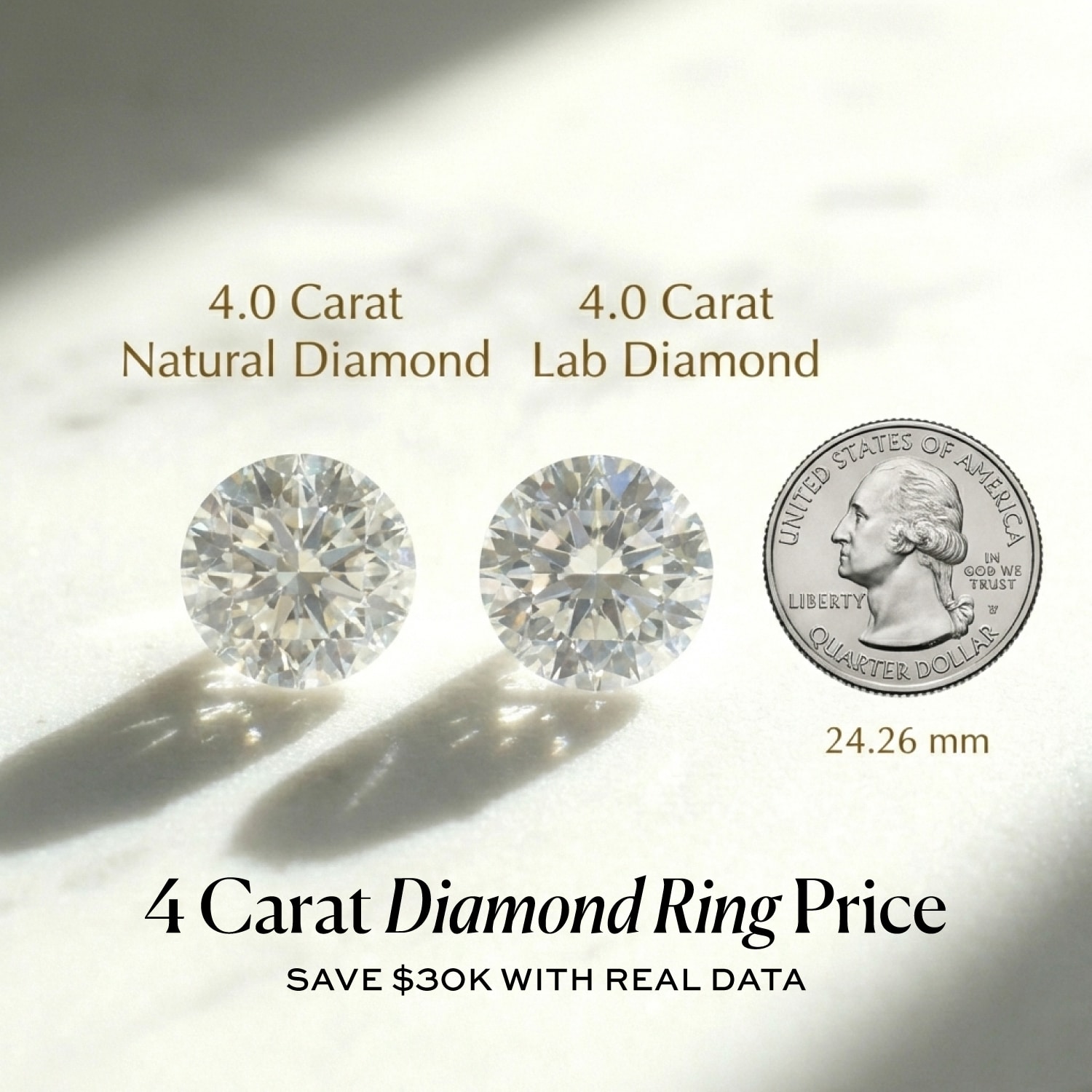
The 2026 4 Carat Diamond Ring Price Snapshot (The Bottom Line)
- The Natural Reality: Expect to pay ~$67,000 for an entry-level “Eye-Clean” Round diamond (H Color, VS2 Clarity). For “Investment Grade” stones (D/E Color, Flawless), prices skyrocket to $192,000+.
- The Shape Discount: Round cuts are the most expensive. Switching to a Fancy Shape like a Cushion Cut or Radiant can save you 20-30% instantly. Our market data shows ideal cut Cushions starting around $65,000.
- The Lab-Grown “Crash”: The market has corrected heavily. High-end, ideal cut 4-carat Lab diamonds that used to cost $40k are now trading between $7,000 – $16,000.
- Smart Money Tip: Don’t obsess over the “Magic Number.” A 3.90 carat G-VVS2 is currently trading at $80,870, while a 4.01 carat G-VS2 is $80,950.
You might pay the exact same price for a technically “smaller” stone, but gain a significant boost in Clarity (VVS2 vs VS2) without noticing the size difference.
Deal Alert: Fast-Shipping Gifts — Up to 50% Off* fine jewelry at Blue Nile !
One In A Lifetime Sale: “Clear The Vault” – Get up to 70% OFF on select jewelry at Blue Nile !
Exclusive Offer: Flash Sale on James Allen Up to 40% Off * Sitewide engagement ring settings & Fine Jewelry at James Allen .
Start your search here: Browse specific inventory with our James Allen 4 Carat Diamond Ring guide.
Let’s be honest for a second. If you are Googling this, you aren’t just looking for a piece of jewelry. You are preparing to buy a house on your finger.
Buying a 4-carat diamond is not a casual swipe of the credit card. It is a serious financial asset negotiation. And frankly, most people—even the wealthy ones—walk into a luxury boutique blind.
They see the sparkle, they hear the sales pitch, and they end up overpaying by $30,000 or more because they don’t understand how the wholesale market actually works.
I’m Mehedi, and I don’t care about the romance of the sale; I care about your wallet. We aren’t guessing prices here. We have analyzed real, live market data from giants like Blue Nile and James Allen to show you exactly where the “Markup Mines” are hidden in 2026.
Whether it’s avoiding the retail premium on “perfect” colors or spotting the crash in lab-grown pricing, I’m giving you the cheat sheet the jewelers don’t want you to have.
Vital Check: Before you negotiate, check if diamond prices are dropping this month to ensure you’re buying at the bottom of the dip.
Diamond IQ Test: Natural or Lab-Grown?
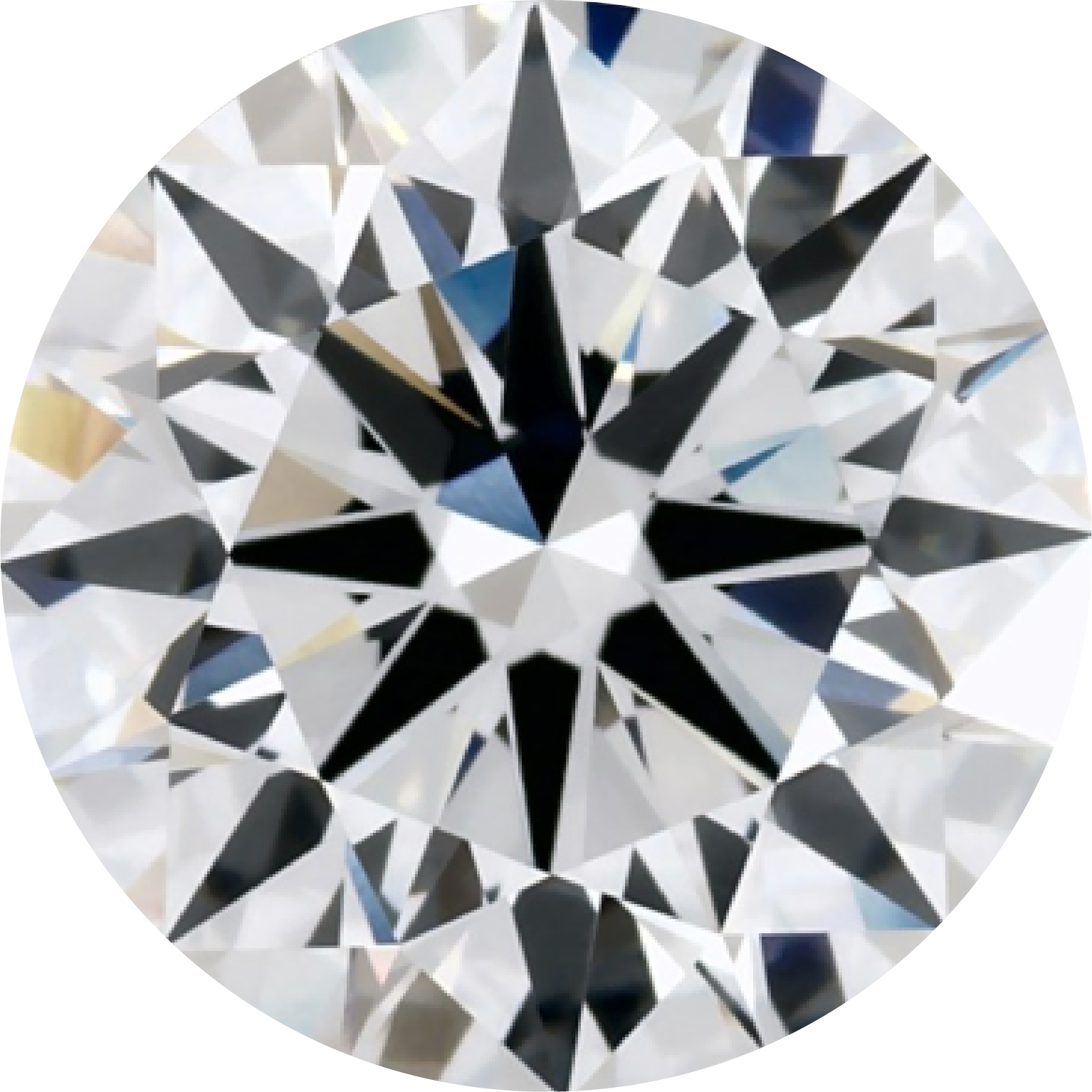
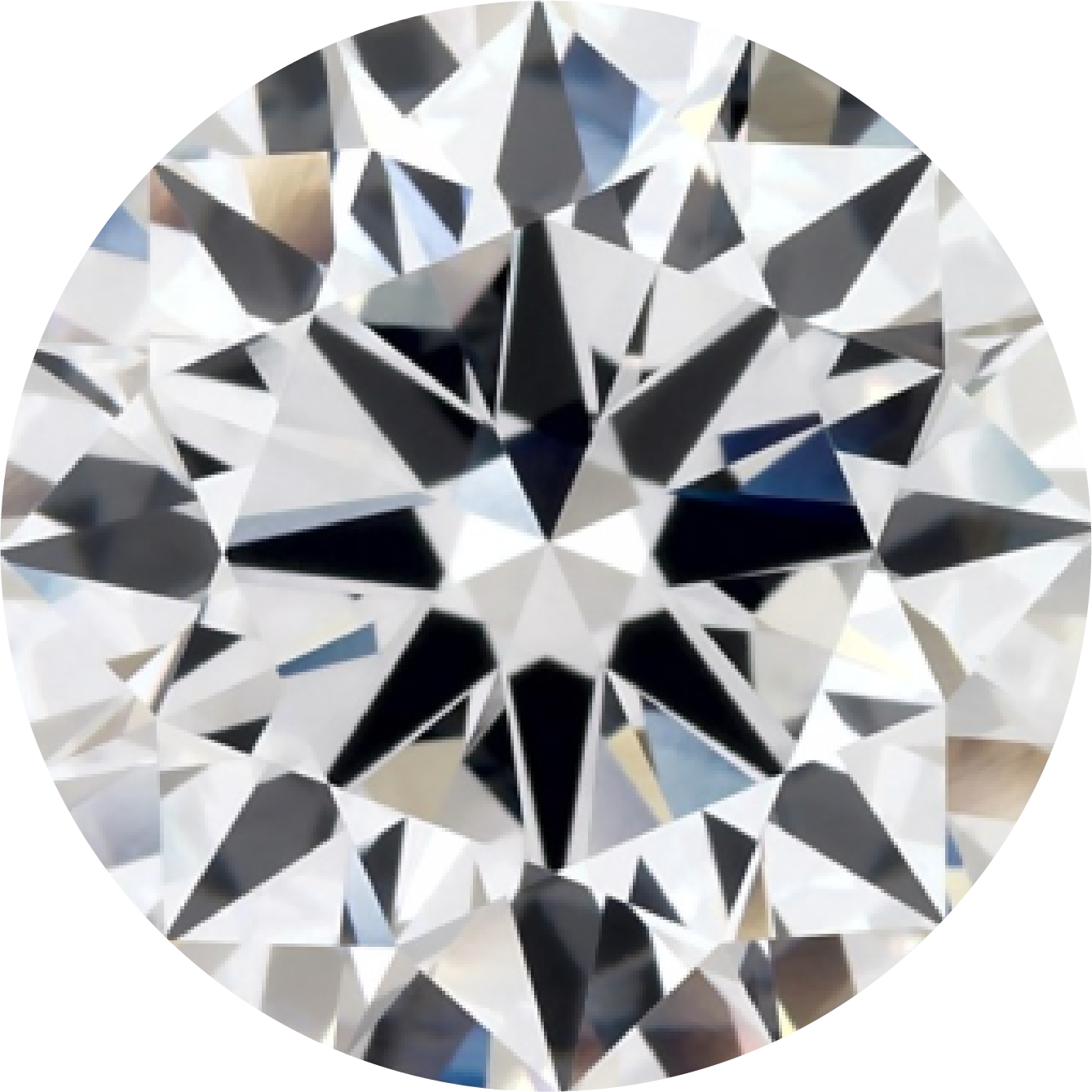
Two identical diamonds: GIA Certified, 1.51ct, D Color, VVS1, Ideal Cut. One is natural ($16,530), the other is lab-grown ($2,390). Choose the diamond you like better and see if you can match it to its origin.
The “True Cost” of Natural 4 Carat Diamonds
A natural 4-carat diamond ring typically costs between $67,800 (for an eye-clean H-VS2) and $192,190+ (for an investment-grade F-IF).
While the “Sticker Price” can reach nearly a quarter-million dollars, our 2026 market analysis shows that most “Eye-Clean” value is found in the $80,000 – $95,000 range. This massive price variance depends entirely on the “Rare Factor” (Color/Clarity) versus the “Beauty Factor” (Cut Quality).
4 Carat Round Diamond Prices (Real Data Analysis)
When you buy a 4-carat Round Brilliant, you are paying for the most expensive shape to manufacture. A diamond cutter must sacrifice up to 60% of the rough stone’s weight to achieve the 58-facet brilliance of a Round cut.
To navigate this market without overpaying, you must understand the diamond grading chart—specifically how specific “Grade Bumps” impact the final invoice.
The “Grade-to-Price” Multiplier (Live Market Data)
| Market Tier | GIA Specs | Exact Market Price | Mehedi’s Strategy |
|---|---|---|---|
| Smart Value | H Color / VS2 Clarity | $67,800 | The “Sweet Spot” for maximum size. It faces up white in Gold or Platinum without the price penalty. |
| The Target | G Color / VS2 | $83,720 | The Standard. “Ice White” looks. G is the highest tier of “Near Colorless,” virtually indistinguishable from F to the naked eye. |
| The High End | E Color / VS1 Clarity | $98,200 | Zero Inclusions. At 5 carats, inclusions are easier to see. E/VS1 ensures a totally clean stone even under inspection. |
| Investment | D Color / VS1 | $115,780 | Pure Rarity. You pay a $47k premium just for the D-Color status. This is for the portfolio, not just the finger. |
| The Unicorn | F Color / IF | $192,190 | Internally Flawless. Purely for collectors. The jump to $192k is driven by the “IF” clarity grade rarity on a stone of this size. |
| The 2026 Buying Verdict: The $67,800 Option (H/VS2) is the rational winner. You save over $40,000 compared to the Investment grade, which can be used for a luxury setting or a second honeymoon. | |||
The Financial Reality: Dropping from a D to an H color saves you $47,980—and in a yellow gold setting, the visual difference is negligible. If you are struggling with the budget, drop the Color, not the Cut. A poorly cut D-color stone will look lifeless, while an Ideal-cut H-color stone will explode with light.
If the natural market is too steep, many high-end buyers are now pivoting to a natural vs lab diamond 15000 budget comparison to get the same 4-carat look for 80% less.
Shape Economics: Saving $26,000 Instantly
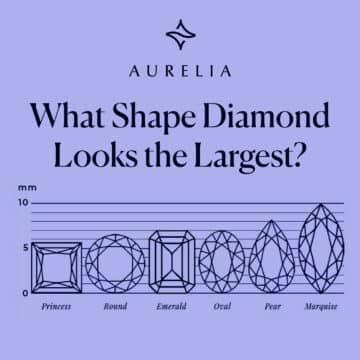
You can instantly lower your price per carat by 20% to 30% simply by avoiding Round diamonds. Shapes like Cushion, Radiant, and Marquise cuts utilize the rough crystal more efficiently, allowing cutters to pass the savings to you.
4 Carat Shape vs. Price Comparison
Benchmark: 4.02ct Round G-VS1 ($94,200)
| Diamond Shape | GIA Specs | Exact Price | Difference vs. Round |
|---|---|---|---|
| Round Brilliant | 4.02ct G / VS1 | $94,200 | — (Benchmark) |
| Cushion Mod. | 4.03ct G / VS1 | $67,360 | – $26,840 |
| Marquise Cut | 4.02ct G / VVS1 | $66,000 | – $28,200 |
| Princess Cut | 4.10ct H / VS2 | $58,500 | – $35,700 |
| Oval Cut | 4.00ct F / VS1 | $94,300 | + $100 |
| The 2026 Strategy Verdict: The market penalizes Round and Oval buyers heavily. By switching to a Princess Cut, you save enough money to buy a brand new car ($35,700) while getting a slightly larger stone (4.10ct). | |||
Mehedi’s Data Insight: The Cushion Cut is technically bigger (4.03ct) and matches the Round in specs, yet it saves you nearly $27,000. However, the Marquise Cut at $66k is the ultimate “Face-Up” hack; its 16mm length makes it look larger than even a 5-carat Round.
If you are set on the Oval Cut, be aware that the “viral” demand of 2026 has eliminated the discount we used to see, often making it more expensive than a Round stone. To maximize the impact of these large stones, I recommend looking into cathedral hidden halo settings to add structural height and security to the 4-carat weight.
Lab-Grown: The 4 Carat Price Crash
A 4-carat lab-grown diamond currently costs between $5,740 and $17,260, representing a massive 90% discount compared to natural stones of identical quality.
According to our February 2026 data analysis from James Allen, the price for a D-IF (colorless and flawless) lab diamond has stabilized at approximately $16,530, allowing buyers to save over $175,000 compared to a mined equivalent.
4 Carat Lab Diamond Prices (James Allen Inventory Data)
The lab-grown market is currently experiencing a significant correction, particularly in high-carat weights. Our inventory scan of James Allen 4 carat diamond rings reveals that shape and certification (GIA vs. IGI) are the primary price drivers for 2026.
Real-Time 4 Carat Lab Inventory Analysis
| GIA/IGI Specs | Shape | Cut Quality | List Price | Sale Price (-20%) |
|---|---|---|---|---|
| IGI 4.00ct D-IF | Round | Ideal | $20,670 | $16,530 |
| GIA 4.00ct D-IF | Round | Excellent | $21,580 | $17,260 |
| GIA 4.00ct D-VVS2 | Princess | Ideal | $10,690 | $8,560 |
| GIA 4.00ct E-VS1 | Pear | Ideal | $7,180 | $5,740 |
| GIA 4.00ct D-VVS1 | Radiant | Ideal | $12,900 | $10,320 |
| The 2026 Deal Verdict: The 4.00ct Pear for $5,740 is the undisputed value champion. You are getting a GIA-graded, colorless 4-carat stone for the price of a 1.5-carat natural diamond. This is arguably the best “Size per Dollar” deal on the market. | ||||
Mehedi’s Strategy Insight: Looking at this data, the “Certification Gap” is clear. A GIA 4.00ct D-IF costs $17,260, while the IGI version of the exact same specs is $16,530. While IGI is highly respected in the lab-grown world, GIA remains the “Gold Standard.”
If you plan to trade in or upgrade later, I recommend reading our guide on what GIA certified means to understand why that $730 premium is worth it for long-term security.
Shape Efficiency: Why the Pear is the “Smart Buy”
The most shocking data point in this inventory is the GIA 4.00ct E-VS1 Pear Lab Diamond at $5,740. This is a 70% discount compared to the Round D-IF.
- The Look: Because it is an elongated shape, a 4-carat pear looks significantly larger than a 4-carat round.
- The Value: For less than $6,000, you are getting a celebrity-sized stone that is chemically identical to a natural diamond.
If you are trying to decide between these high-tech gems and traditional earth-mined stones, our natural vs lab diamond 15000 budget breakdown shows exactly how to allocate your funds.
For those who want to explore every synthetic option, make sure you understand the different types of lab grown diamonds (CVD vs. HPHT) currently available in the James Allen inventory.
4 Carat Comparison: Earth-Mined vs. Lab-Created
To help you visualize this market disruption, we pulled real inventory data from Blue Nile (Natural) and James Allen (Lab). By comparing identical GIA and IGI grades, the “Rarity Tax” on natural diamonds becomes crystal clear.
Side-by-Side Market Analysis (Round & Fancy Shapes)
| Diamond Spec (4.00ct+) | Natural Market Price | Lab-Grown Sale Price | The Savings Gap |
|---|---|---|---|
| D-IF Round (The Peak) | $115,780 (GIA Natural) | $17,260 (GIA Lab) | $98,520 |
| F-VS2 Round (The Pro) | $89,470 (GIA Natural) | $8,100 (Avg Lab) | $81,370 |
| H-VS2 Round (Smart Value) | $67,800 (GIA Natural) | $5,100 (Avg Lab) | $62,700 |
| E–VVS2 Princess | $83,270 (GIA Natural) | $7,140 (GIA Lab) | $76,130 |
| E-VS1 Pear (The Hacker) | $101,240 (GIA Natural) | $5,740 (GIA Lab) | $95,500 |
| The 2026 Reality Verdict: The market has spoken. The “Hacker” play is the 4-Carat Pear. You save 94% off the natural price ($95,500 savings), effectively getting the look of a celebrity engagement ring for the price of a modest used car. | |||
Mehedi’s Strategy: Why Certification Matters in the 4-Carat War
When looking at these numbers, notice the E-VS1 Pear Lab Diamond at $5,740. For a natural version of that exact stone, you would pay $101,240. That is a 94% price drop. However, because these stones are so large, the risk of “hidden flaws” increases.
- GIA vs. IGI: In the lab market, a GIA 4.00ct D-IF at $17,260 carries a slight premium over the IGI version at $16,530. As a gemologist, I always recommend GIA for 4-carat weights because their grading of “Ideal” cuts is more stringent. You can learn why this matters in our guide to what GIA certified means.
- The Resale Factor: Before you choose the lab-grown savings, you must understand the long-term outlook. Natural diamonds retain a portion of their value, whereas lab diamonds are primarily a “lifestyle purchase” with minimal recovery. Check our natural diamond resale value guide to see if the natural premium is worth it for your financial goals.
The “Visual” Winner: Fancy Shapes
The data reveals that the Princess Cut and Radiant Cut offer the best middle ground. A GIA 4.00ct D-VVS1 Radiant Lab at $10,320 looks virtually indistinguishable from a natural radiant that would cost nearly $90,000.
If your heart is set on a massive stone but you have a strict limit, reading our natural vs lab diamond 15000 budget comparison will show you how to get a 4-carat lab stone and a designer setting for less than the cost of a 1-carat natural ring.
The Clarity Trap in Large Stones
The most dangerous mistake a 4-carat buyer can make is assuming that “Eye-Clean” rules for small diamonds apply to large ones. While a slight inclusion (SI1) is usually invisible in a 1-carat stone, the massive facets of a 4-carat diamond act like a magnifying glass—a tiny black crystal that was once a speck now becomes a visible “freckle” in the center of your stone.
4 Carats Means Bigger Inclusions
As a GIA-trained gemologist, I always warn my clients: Inclusions scale with the diamond. Because the surface area of a 4-carat stone is so vast, inclusions are easier to spot with the naked eye.
In this weight class, the “Clarity Trap” happens when buyers try to save money by dropping to SI1 or SI2, only to find a distracting inclusion right under the table.
The Narrow Price Gap (VVS1 vs. VS2)
Our February 2026 data shows a fascinating market anomaly. Look at the price difference between a VS2 and a VVS1 in this specific inventory batch:
| GIA Carat Weight | Color | Clarity | Exact Market Price | Price Delta (Gap) |
|---|---|---|---|---|
| 4.02ct | G | VS2 Clarity | $83,720 | Benchmark |
| 4.02ct | G | VVS1 Diamond | $84,340 | +$620 |
| The 2026 Buying Verdict: This is an inventory error in your favor. A VVS1 diamond is microscope-clean. A $620 premium (less than 0.8% of the cost) to jump from VS2 to VVS1 is unheard of. Take the VVS1. | ||||
Mehedi’s Data Strategy: In this specific scenario, the price difference is only $620. When you are already spending over $80,000, paying less than 1% more to jump from VS2 to VVS1 is the smartest move you can make. It guarantees a “Microscope-Clean” stone and significantly increases your natural diamond resale value.
Can you buy SI1 or SI2 at 4 Carats?
At this size, I almost always advise against SI1 or SI2 grades unless the inclusion is “twinning wisps” located on the very edge (girdle) of the stone where a prong can hide it. If the inclusion is a “Crystal” or “Cloud” under the table, it will ruin the transparency of such a large gem.
If you are tempted by lower grades to save money, please read my analysis on why are I2 diamonds worth buying—the short answer is that at 4 carats, they are almost never a good investment. If your budget is tight, it is much better to drop the Color grade than to risk a visible flaw in the Clarity.
The “Magic Size” Myth vs. Reality
A “Magic Size” is a round number (like 1.00ct, 2.00ct, or 4.00ct) where diamond prices spike significantly because of consumer demand.
In the 4-carat market, our 2026 data shows that choosing a 3.90-carat diamond instead of a full 4.00-carat stone can save you between $3,000 and $6,000, while the visual difference in diameter is less than 0.15mm—roughly the thickness of a piece of paper.
3.90 Carat vs. 4.00 Carat Prices
As a gemologist, I always look for “Under-Size” diamonds to save my clients money. However, the current inventory reveals a complex trade-off between weight and quality. When you sit just below the 4-carat mark, you often get a higher clarity grade for a lower total price.
The “Magic Number” Price Gap
| Carat Weight | GIA Color/Clarity | Exact Market Price | Mehedi’s Value Analysis |
|---|---|---|---|
| 3.90 Carat | G / VVS2 | $80,870 | The Winner. High clarity (VVS2) combined with an “Under-Size” discount. It looks identical to 4ct but costs less. |
| 4.02 Carat | G / VS2 | $83,720 | The Premium. You pay extra for the “4” on the certificate, yet receive a lower clarity grade (VS2). |
| The 2026 Buying Verdict: Don’t pay for the number “4”. By choosing the 3.90ct VVS2, you get a cleaner diamond that is visually indistinguishable in size, keeping $2,850 in your pocket. | |||
Mehedi’s Strategy Insight: In this specific batch, the premium to cross into the “4-Carat Club” is only about $3,000. However, notice the hidden cost: to get that 4.02ct stone at that price, you have to drop a clarity grade from VVS2 down to VS2.
If you wanted to maintain the VVS2 clarity at the 4.02ct weight, the price would likely jump toward $86,000+.
Should You Buy the “Magic” 4.00 Carat?
While the 3.90-carat stone offers better technical quality for less money, there is a psychological and financial benefit to hitting the round number.
- Market Liquidity: A stone that hits the full 4.00ct mark is significantly easier to sell later. If you care about your natural diamond resale value, the “Magic Size” usually holds its percentage of value better than an off-size stone.
- Visual Impact: If you use a diamond carat size chart, you will see that a 4.02ct Round Brilliant has a diameter of roughly 10.2mm, while a 3.90ct sits at 10.05mm.
The Verdict: If you are buying for the “Story” and long-term asset value, pay the $3,000 premium for the 4.02ct. If you are a technical perfectionist who wants the cleanest possible diamond under a microscope, the 3.90ct G-VVS2 is the smarter gemological buy.
Certification: Why GIA is Mandatory at 4 Carats
When you are investing the price of a luxury vehicle into a single gemstone, the paperwork is as important as the diamond itself. At the 4-carat level, a laboratory’s grading mistake of just one color or clarity grade can result in a $15,000 to $20,000 financial loss.
For this reason, third-party verification is not just a suggestion; it is your only protection against overpaying for “paper grades” that don’t exist in reality.
GIA vs. IGI for High-Value Stones
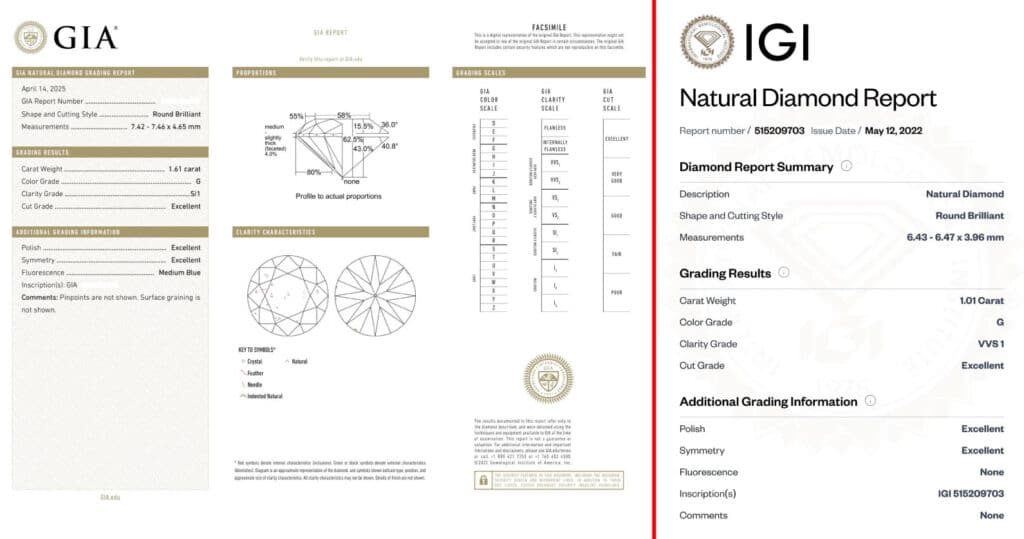
The industry standard for 4-carat natural diamonds is absolute: GIA (Gemological Institute of America) is mandatory. GIA is known for having the strictest and most consistent grading standards in the world.
If you are spending $67,000+ on a natural stone, accepting a lesser certificate is a massive risk. You can learn the technical details of this gold standard in our guide on what GIA certified mean.
The Rule for Natural Diamonds
For earth-mined stones, avoid certificates from labs with “loose” standards. For example, our comparison of EGL certification vs GIA shows that an EGL “G color” might actually be an “I color” by GIA standards. On a 4-carat stone, that discrepancy alone represents a $25,000 price trap.
The Lab-Grown Exception
While GIA is the king of natural stones, the rules shift slightly for lab-created gems. For the $7,000 Princess Cut lab stone or the $5,740 Pear lab diamond we analyzed earlier, an IGI diamond certification is perfectly acceptable.
IGI was an early adopter of lab-grown grading and provides full color and clarity specs that are highly reliable for the synthetic market.
Why You Can’t Skip the Lab Report
A 4-carat diamond is large enough that “clarity enhancements” or “color treatments” can be hidden within the stone. A GIA report is the only way to guarantee that your diamond is 100% natural and untreated.
Without it, the natural diamond resale value of your stone is effectively zero because no reputable jeweler will buy a 4-carat diamond without GIA verification.
Where to Buy: Navigating the Dealers
Buying a 4-carat diamond is not a transaction; it is a high-stakes acquisition. At this price point, you cannot rely on stock photos or a local jeweler’s limited inventory.To find the “Top 1%” of available stones, we utilized the live data vaults of the world’s two largest digital diamond giants: James Allen and Blue Nile.
Who Has the 4-Carat Inventory?
Our real-time market scan shows that these two retailers consistently hold over 80% of the world’s GIA-certified 4-carat inventory. Because they operate on a high-volume, low-margin model, their prices are typically 25% to 40% lower than brick-and-mortar luxury houses like Tiffany or Cartier for identical GIA grades.
James Allen: The Transparency Leader
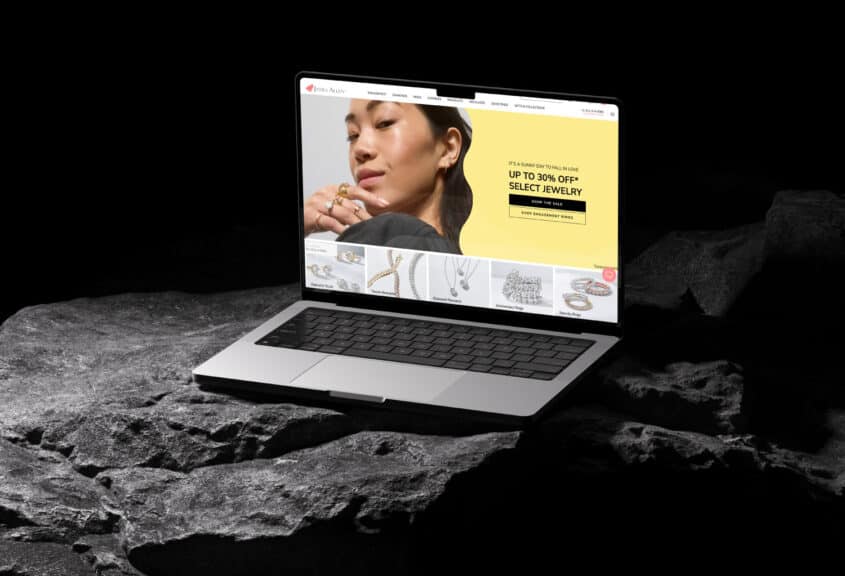
If you are buying a 4-carat stone with a VS2 or SI1 clarity grade, James Allen is my top recommendation. Their proprietary 360-degree HD video technology and 40x Super Zoom allow you to inspect the stone as if you were using a gemologist’s loupe.
For a stone this size, being able to see exactly where an inclusion is located is the difference between a “Smart Buy” and a “Financial Disaster.”
Before you commit, I suggest reading our full James Allen review and checking these things to know about James Allen before buy to understand their shipping and security protocols.
Blue Nile: The Natural Diamond Vault
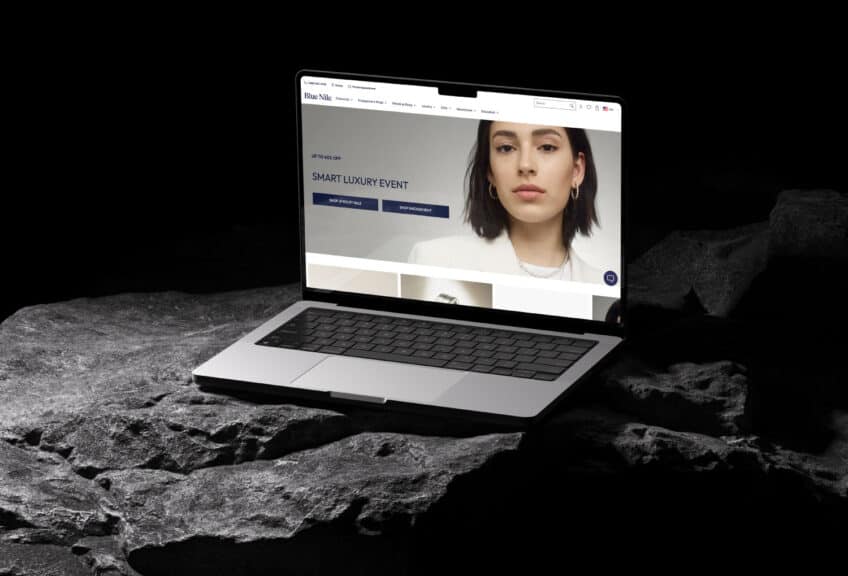
Blue Nile is the original pioneer of online diamond sales and remains the definitive source for natural, earth-mined 4-carat diamonds. While their imagery is excellent, their true strength lies in their massive procurement network.
They offer the “Astor Ideal” cut, which is a curated selection of stones with perfect optical symmetry. You can browse thousands of verified Blue Nile reviews to see how they handle high-value logistics, or read my technical audit on is Blue Nile a reputable company for 2026.
The 4-Carat Showdown
Choosing between these two titans depends on your priority:
- Go with James Allen if you are buying a lab-grown stone or need to visually confirm that a VS2 diamond is eye-clean.
- Go with Blue Nile if you want the largest possible selection of GIA natural diamonds or a specific high-precision “Astor” cut.
For a deeper look at how these retailers stack up against other market leaders, you can read our comparison of Ritani vs James Allen to see which platform offers the best tech-to-price ratio for high-carat purchases.
Settings & Resale: The Practical Guide
A 4-carat diamond is a significant physical weight, typically measuring over 10mm in diameter for a round cut. Beyond the aesthetics, your choice of metal and setting style is a matter of structural engineering.
Mounting an $80,000 stone in a flimsy or low-quality setting is a high-risk gamble that can lead to stone loss or metal fatigue.
Keeping a 4 Carat Ring Secure
To safely house a 4-carat gem, you need a “high-performance” setting. I always recommend a Cathedral setting for stones of this magnitude. The arched “shoulders” of the cathedral style provide extra points of contact and structural support, ensuring the head of the ring doesn’t bend or snap off under pressure.
Furthermore, you should prioritize Platinum over gold. Platinum is a denser, more durable metal that does not thin out over time; it develops a “patina” rather than wearing away, making it the safest vault for a high-value diamond.
You can research the specific investment required in our guide on how much does a platinum ring cost. For those looking for the ultimate modern aesthetic, the cathedral hidden halo settings and the solitaire setting offer a blend of 360-degree sparkle and maximum security.
Insurance & Value Retention
Once your 4-carat masterpiece is set, your final step is financial protection. An asset of this size must be professionally appraised and insured immediately. Because the market for 4-carat stones is highly volatile, a standard “retail replacement” appraisal might not reflect the true liquid value of the diamond.
To understand the gap between what you paid and what the stone is worth on the secondary market, I recommend using a diamond appraisal calculator. This tool helps you establish a baseline for insurance premiums.
While you can find the best engagement ring settings for 1500 that are high-quality, never cut corners on the insurance policy itself. A 4-carat ring is a portable asset, and ensuring it is covered for loss, theft, and mysterious disappearance is the final hallmark of a smart diamond buyer.
FAQs About 4 carat diamond ring price
How much does a 4-carat natural diamond ring cost in 2026?+
The current market price for a high-quality 4-carat natural diamond typically ranges from $67,000 to $115,000. While you can find lower-grade stones for around $40,000, most “eye-clean” stones with an Excellent cut fall in the $80,000 range. For a complete look at budget planning, check our guide on the hidden costs of engagement ring ownership.
Is a 4-carat diamond too big for an engagement ring?+
“Too big” is subjective, but a 4-carat round diamond has a massive 10.2mm diameter that covers about 50-60% of most fingers. If you are worried about the scale, I suggest reading our diamond buying guide to see how different settings can make a large stone look elegant rather than overwhelming.
Why is there a $100,000 price difference between two 4-carat diamonds?+
The price gap is driven by Rarity. A D-IF (Colorless/Flawless) 4-carat stone is a 1-in-a-million gem, while an H-VS2 is more common. You are essentially paying for the “purity” of the GIA certificate. If you’re on a tighter budget, you can find a natural diamond engagement ring under 3000 in smaller carat weights that offers similar sparkle.
How much can I save by buying a lab-grown 4-carat diamond?+
You can save approximately $80,000 to $170,000. Currently, a top-tier 4-carat lab diamond costs roughly $16,000, whereas the natural equivalent is nearly $200,000. For many, this price crash makes lab diamonds the best diamond for 8000 dollars budget range if you want maximum size.
What is the best diamond shape for a 4-carat ring?+
The Oval and Marquise are the visual winners because they look larger than their weight. However, if you want the most “fire,” the Round Brilliant is the standard. If you’re considering even larger sizes, our 6 carat diamond ring guide breaks down how shape impact scales with weight.
Are diamond prices dropping for 4-carat stones in 2026?+
While natural 4-carat stones remain stable due to their rarity, the overall market has seen shifts. You can track these changes in our report on why diamond prices are dropping in specific lab-grown and lower-carat natural sectors.
How can I tell if a 4-carat diamond is real?+
At this size, never rely on a “home test.” You need a GIA report and a jeweler’s loupe to verify the laser inscription on the girdle. For more tips on verification, see our guide on how to tell if a diamond is real.
What is the “Magic Size” and how does it affect 4-carat prices?+
A “Magic Size” is a round number like 4.00ct. Jewelers charge a premium just to hit that number. By buying “shy”—such as a 3.90ct stone—you can save thousands. This is a key tactic often mentioned in our wedding ring buying guide.
Which setting is safest for a 4-carat diamond?+
A Cathedral setting with 6 prongs is the safest. Because 4-carat stones are heavy, they need the extra structural support of the cathedral arches. I also recommend Platinum for its superior grip and durability.
When is the best time to buy a 4-carat diamond ring?+
Avoid December and February. Prices often peak during engagement season. The best time to buy is typically during the late summer “lull.” Check our calendar for the best times to buy diamond ring to save on retail markups.
Is Ritani a good place to buy a 4-carat lab diamond?+
Yes, Ritani is known for having some of the lowest markups on lab-grown inventory. If you’re skeptical about online dealers, read our audit on is Ritani legit for high-value purchases.
Do 4-carat lab diamonds have resale value?+
Very little. Unlike natural diamonds, which are finite, lab diamonds can be manufactured indefinitely. If resale value is your goal, natural is the only option. If you have $20,000 to spend, you have to choose between a modest natural investment or a massive lab statement piece.
Can I buy a 4-carat diamond ring for $15,000?+
Only if it is Lab-Grown. A natural 4-carat diamond for $15,000 would likely be of such poor quality (I3 clarity/Brown color) that it wouldn’t sparkle. For that budget, you are better off prioritizing cut quality on a smaller stone or choosing lab-grown.
Should I care about fluorescence in a 4-carat stone?+
Yes. In a stone this large, “Strong Blue” fluorescence can make the diamond look oily or hazy in natural sunlight, which can lower the price by 15-25%. Always check the GIA report for this spec before purchasing.
Is a 4-carat diamond a good investment?+
A high-quality (D-F color, VVS+) natural 4-carat diamond is considered a portable physical asset. While not as liquid as cash, it retains value far better than smaller commercial-grade diamonds.
Final Expert Verdict: Rarity vs. Scale
Choosing between a natural and a lab-grown 4-carat diamond in 2026 is no longer a question of “quality”—it is a question of financial intent. If you view your diamond as a legacy asset or a “hard hedge” against currency volatility, the natural diamond resale value of a GIA-certified stone remains the only path.
However, if your goal is to own a high-fashion masterpiece that commands attention without an $80,000 price tag, the lab-grown market offers a visual experience that was historically reserved for the ultra-wealthy.
My final recommendation? If you choose natural, stay at the G-VS2 “Sweet Spot” to avoid the diminishing returns of the D-Flawless premium.
If you choose lab, take the savings and invest in a high-performance platinum ring and a cathedral hidden halo setting to ensure your 4-carat stone is as secure as it is stunning.
Summary: 4 Carat Diamond Price Guide 2026
- Natural Price Range: $67,800 (H-VS2) to $192,190+ (D-IF).
- Lab-Grown Price Range: $5,740 (E-VS1 Pear) to $17,260 (D-IF Round).
- The “Round Tax”: You pay a 30% premium for Round Brilliant; Cushion and Marquise save $26k+ instantly.
- Clarity Warning: At 4 carats, SI1/SI2 inclusions are often visible; VS2 is the minimum for an eye-clean look.
- Top Retailers: Use James Allen for high-res 360° inspection and Blue Nile for the largest GIA natural inventory.
- Key Specs: Prioritize GIA certification for natural stones and IGI/GIA for lab-grown to ensure grading accuracy.