
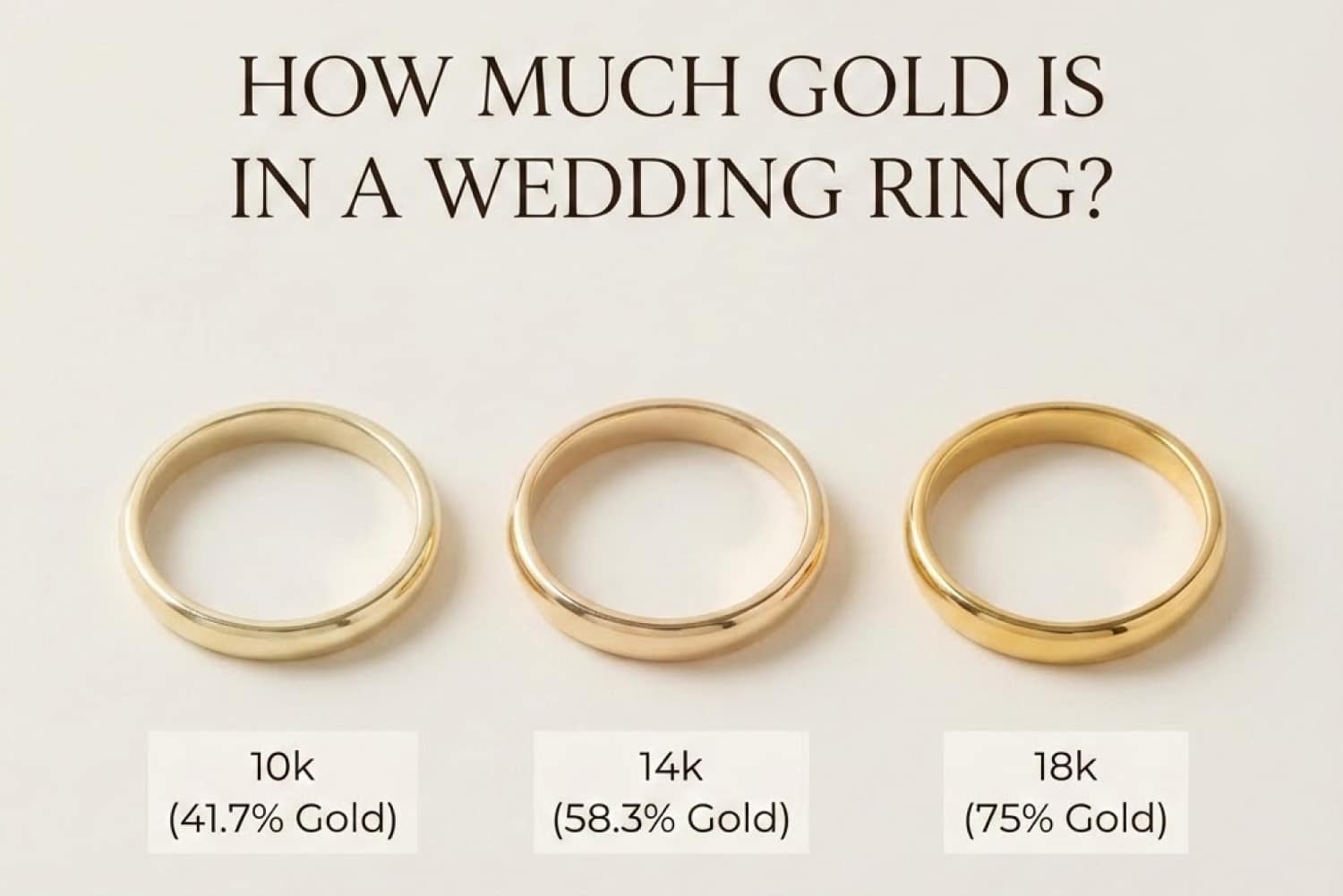
The amount of gold in a wedding ring is indicated by its karat. A 14k gold ring contains 58.3% pure gold, while a 10k gold ring contains 41.7% and an 18k gold ring contains 75%, with the remaining percentage made up of stronger alloy metals for durability.
Now that’s the technical answer. But as your friend in the business, I’m going to tell you a secret that surprises almost everyone who comes into my office: your gold wedding ring is not pure gold.
And you should be very, very happy about that.
Honestly, if your ring were pure, 24k gold, you’d probably hate it. Pure gold is incredibly soft. It’s like a stick of soft butter—beautifully rich in color, yes, but it bends, dents, and scratches if you just look at it the wrong way. A wedding ring made of pure gold would be a misshapen mess within a month.
That’s why the real question isn’t just “how much gold in a wedding ring,” but understanding the “karat” (the ‘k’ you see stamped inside). That’s the secret language of jewelers, and it’s the key to finding the perfect balance between the beautiful, rich color you love and the everyday durability you need.
Deal Alert: Mother’s Day Sale Up To 30% Off* select fine jewelry at Blue Nile.
New Collection: Shop the James Allen Collection at Blue Nile.
Vault Sale: “Clear The Vault” – Get up to 70% OFF at Blue Nile!
Flash Sale: Save up to 40% OFF sitewide at Rare Carat.
Exclusive: Get up to 60% OFF select fine jewelry at Ritani.
So that’s what we’re going to do today. I’m going to be your expert guide and we’re going to decode this secret language together. With the help of a simple visual chart, I will break down everything a savvy buyer needs to know about the real differences in purity, durability, color, and price. By the end of this, you won’t just have an answer; you’ll be an expert.
Diamond IQ Test: Natural or Lab-Grown?
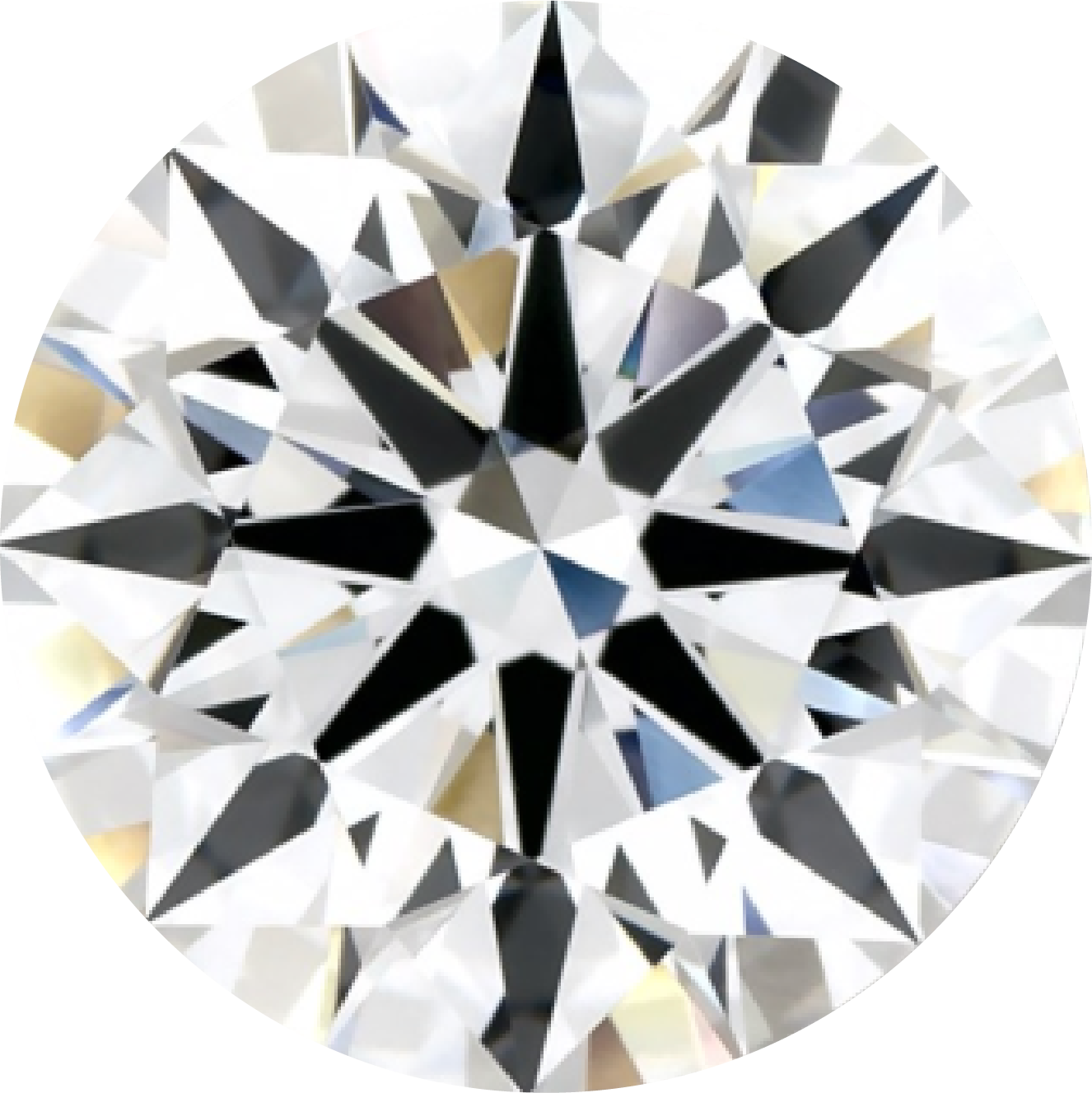
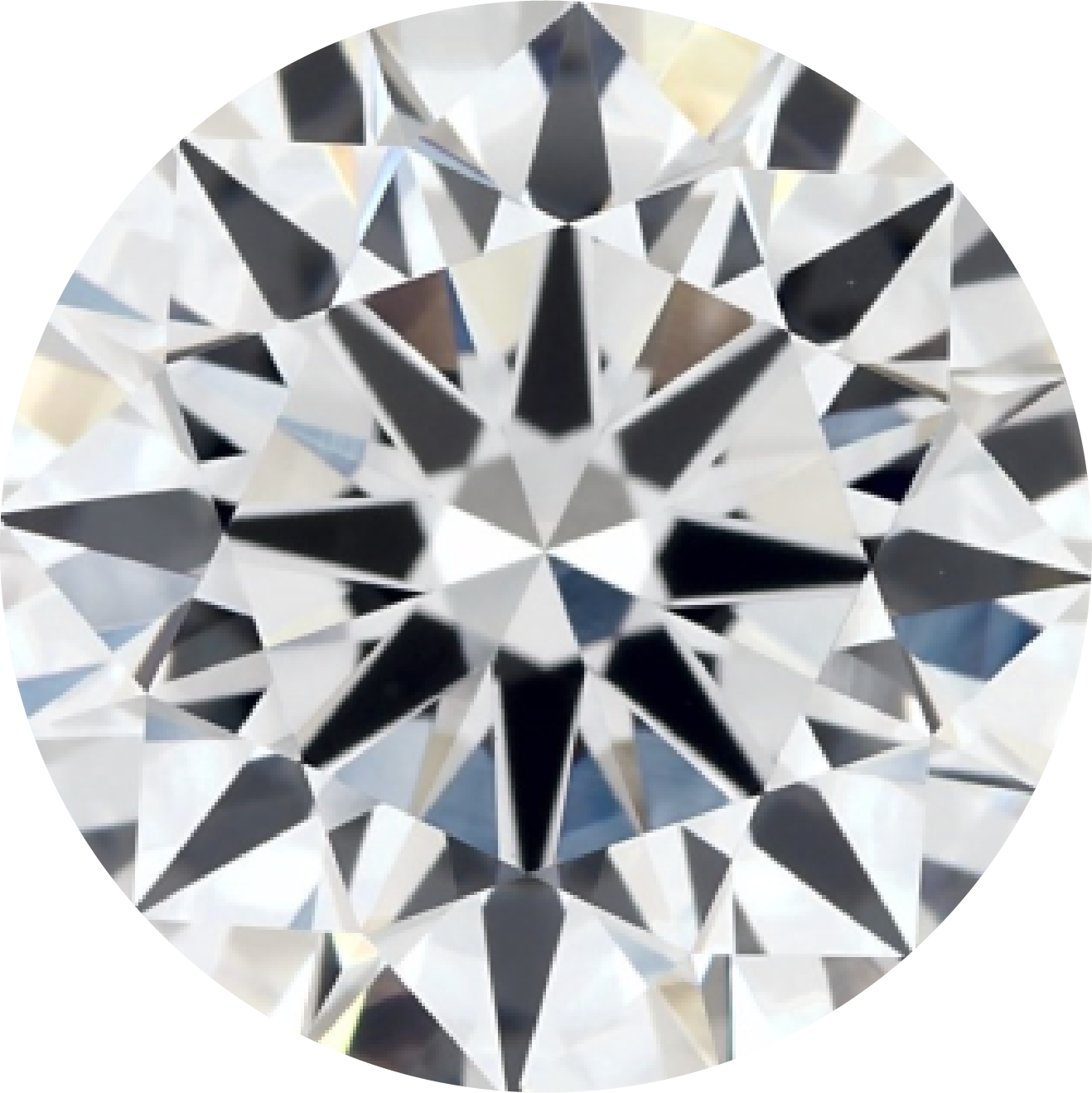
Two identical diamonds: GIA Certified, 1.51ct, D Color, VVS1, Ideal Cut. One is natural ($16,240), the other is lab-grown ($1,970). Choose the diamond you like better and see if you can match it to its origin.
First, The “Why”: Why Isn’t My Ring Pure Gold?
Alright, let’s get into the “why” behind that big secret I just told you. Why isn’t a gold wedding ring just pure gold? The answer is simple and, honestly, it’s for your own good. The secret lies in a crucial trade-off every jeweler has to make between a metal’s purity and its practicality for the real world.
The Problem with 24k Gold: The ‘Too Pure’ Dilemma
In the world of gold, the purest form you can get is called 24 karat (24k). Think of it like a percentage out of 24. So, 24k gold means that 24 out of 24 parts of the metal are nothing but pure, unadulterated gold. It is the highest, most valuable purity there is.
But here’s the problem with being too pure.
Mehedi’s Analogy: “Imagine trying to wear a ring made out of a stick of soft butter. That’s 24k gold. It’s incredibly beautiful, with that deep, rich, almost unreal yellow color you see in museum treasures.
But it’s also extremely soft, malleable, and so easy to scratch and bend that it’s practically useless for something you’re supposed to wear every day. A wedding ring made of 24k gold would be a dented, misshapen mess within weeks.
You’d ding it on a doorknob and bend it just carrying in the groceries. It simply can’t handle real life.”
The Solution: The Power of Alloys
So how do we get that beautiful gold color in a ring that can actually survive a lifetime of wear and tear? The answer is in a set of unsung heroes called alloys.
To create a strong, durable piece of fine jewelry that is meant for everyday wear, goldsmiths take pure 24k gold and strategically mix it with other, stronger metals. These added metals are the “alloys,” and they are the secret ingredients that give your ring its backbone.
Common alloys that are mixed with gold include metals like:
- Copper
- Silver
- Zinc
- Nickel
These stronger metals are the muscle that allows your beautiful gold wedding band to stand up to a lifetime of daily wear—every knock, every bump, every single moment of your journey together. The choice of your metal and its alloy is one of the most foundational decisions you will make for your ring.
It’s a choice about durability and color that’s just as important as any other, a principle we cover right from the start in my ultimate Diamond Buying Guide.
Decoding the Karat: Your Visual Guide to Gold Purity
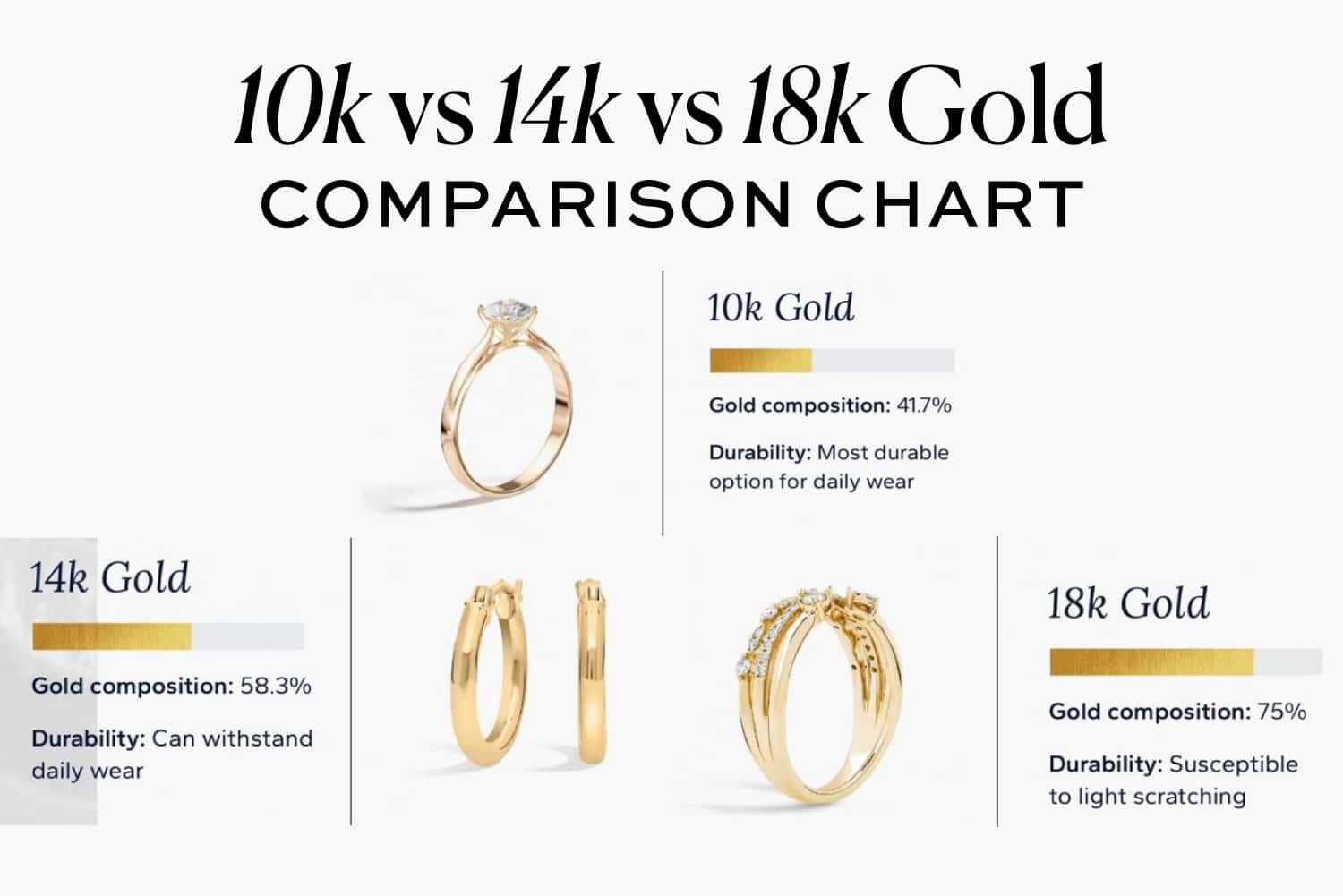
Mehedi’s Intro: “Alright, let’s break this down. This beautiful chart is your cheat sheet. It cuts through all the confusing numbers and gets right to the point. It breaks down the three most popular choices for a wedding ring: 10k, 14k, and 18k. We’re going to go through them one by one, using this chart as our guide, so you understand exactly what you’re looking at and can choose the perfect one for you.”
10k Gold: The Durability Champion
- Gold Composition: As the chart shows, a 10k gold ring is 41.7% pure gold. The remaining 58.3% is made up of those stronger, durable alloy metals.
- Durability: Because it has the highest percentage of strong alloys, this is, without a doubt, the most durable option available. It’s the most resistant to scratches, dents, and the general abuse of daily life.
- Color: The trade-off for that durability is the color. A 10k gold ring will have a noticeably paler, less saturated yellow hue than its 14k or 18k counterparts.
- Best For: A 10k gold ring is an incredible choice for someone who is extremely active, works with their hands, or is just notoriously tough on their jewelry. If your top priority is maximum durability, this is your winner.
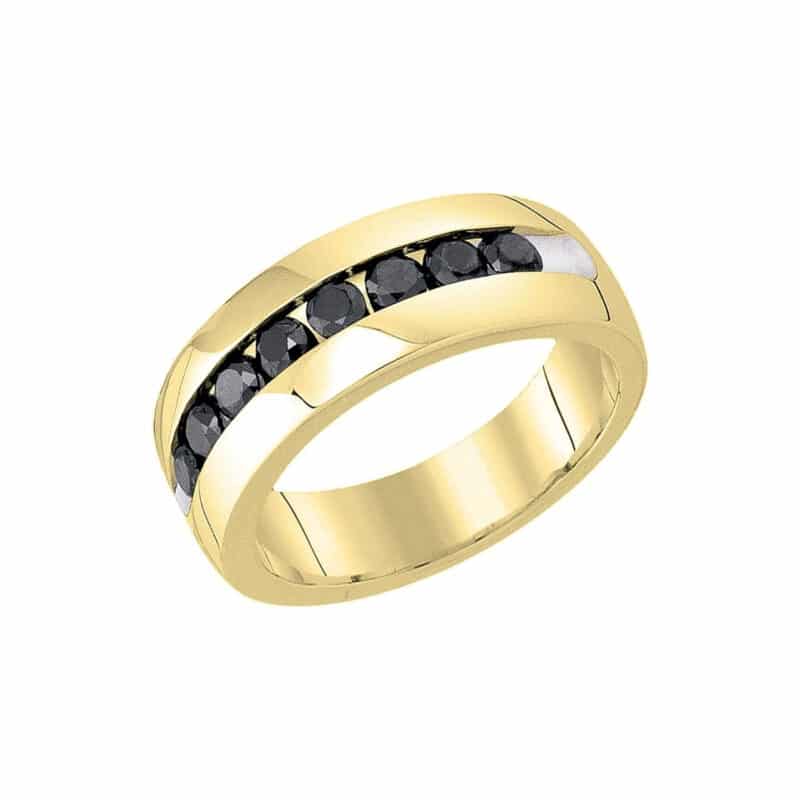
Round Black Diamond 10k Gold Mens Wedding Band: 1.00 CTW
A bold 10k Gold Mens Wedding Band in Yellow Gold, featuring a full 1.00 Carat Total Weight of Round Black Color Enhanced Diamonds.
14k Gold: The Perfect Sweet Spot
- Gold Composition: A 14k gold ring is 58.3% pure gold. This is, by a huge margin, the most popular choice for fine jewelry in the United States, and for good reason.
- Durability: The chart says it can “withstand daily wear,” and that is the perfect description. It offers an excellent and reliable balance of strength and precious gold content.
- Color: This is the beautiful, rich, classic “gold” color that most of us picture in our minds when we think of a wedding band. It’s warm, saturated, and looks fantastic.
- Best For: Honestly, for almost everyone. This is my #1 recommendation. It is the perfect, no-compromise blend of beautiful color and excellent, real-world durability for a ring you will wear every single day of your life.
This is a foundational choice in the ring-buying journey, a key part of the timeline we explore in our definitive guide, When to Buy Wedding Bands.
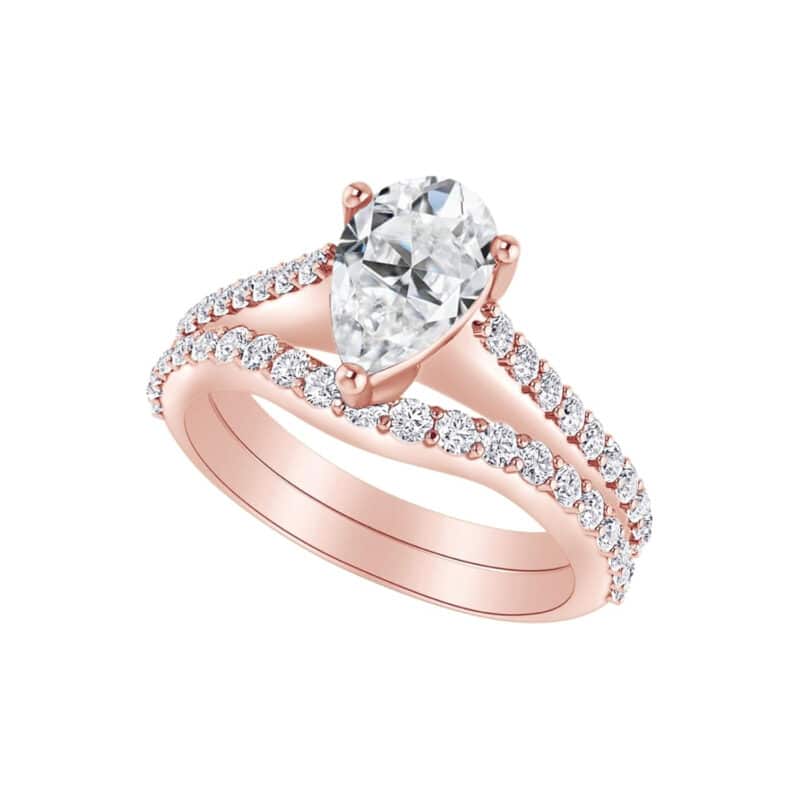
2.5 CT Lab Diamond Unique Pear Shaped Engagement Rings With Wedding Bands (14K Rose Gold)
A gorgeous and unique pear shaped engagement rings with wedding bands set: 14K Rose Gold featuring a large 2.50 Carat Lab Grown Pear Cut Diamond (D-E Color, VS1-VS2 Clarity).
18k Gold: The Luxury Choice
- Gold Composition: An 18k gold ring is 75% pure gold. You are now in the realm of high-purity, luxury metal. It is a significant and noticeable step up in precious metal content.
- Durability: Because it’s three-quarters pure gold, it is noticeably softer than 14k. As the chart correctly notes, it is “susceptible to light scratching.” An 18k gold ring will show the story of its life a bit more readily with small scuffs and scratches.
- Color: The color is absolutely magnificent. It is a deeper, richer, and more intensely saturated “old world” yellow with an almost buttery glow.
- Best For: This is the choice for the person who loves the deep, rich color of high-karat gold above all else, and who perhaps works in a lower-impact environment (like an office). It is also the best choice for those with sensitive skin, as the higher gold content means there is a lower percentage of potentially irritating alloy metals like nickel.
Of course, this premium option also comes with a higher price tag, an important factor to consider in my guide on How Much to Spend on a Wedding Ring.
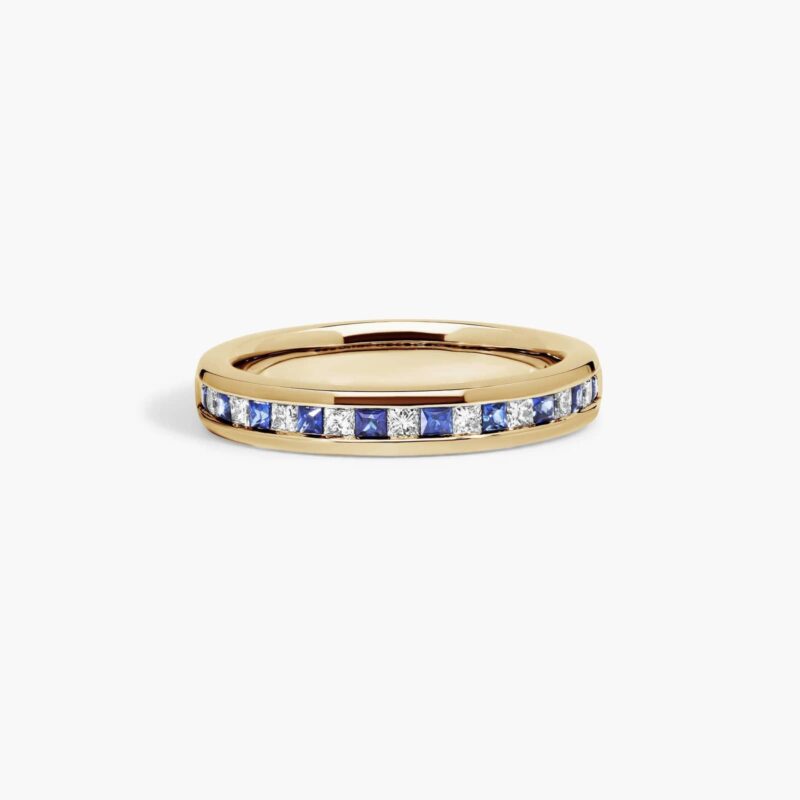
Alternating Princess Cut Diamond & Sapphire Yellow Gold Princess Cut Wedding Rings (18K)
An elegant Yellow Gold Princess Cut Wedding Rings option: an 18K Yellow Gold channel-set band (4.00 mm) featuring alternating Princess Cut natural diamonds (0.5 CTW) and natural blue sapphires.
Mehedi’s Verdict: What’s the Best Gold Karat for a Wedding Ring?
Alright, we’ve broken down the science and the stats. So now for the million-dollar question: which one should you actually choose? As your friend in the business, I’m not going to give you a vague “it depends” answer. I’m going to give you my direct, expert recommendation.
The Bottom Line: While every karat has its place, my expert recommendation for the vast majority of people—probably 9 times out of 10—is 14k gold.
Why 14k is the Undisputed Winner: It is the perfect, uncompromising “sweet spot.” It gives you a beautiful, rich gold color that screams “luxury,” while having the toughness and durability to stand up to the rigors of real, everyday life. You don’t have to sacrifice beauty for strength, or strength for beauty. It is, quite simply, the best of both worlds for a ring you plan to wear for a lifetime.
The Ultimate Head-to-Head Comparison
To make this crystal clear, I’ve broken down the final verdict into this definitive cheat sheet. This is everything you need to know, all in one place, to make a confident and smart final decision.
| Feature | 10k Gold | 14k Gold (The Winner) | 18k Gold |
|---|---|---|---|
| Pure Gold Content | 41.7% Gold | 58.3% Gold | 75% Gold |
| Alloy Metal Content | 58.3% Alloy (More strength) | 41.7% Alloy (Balanced) | 25% Alloy (Less strength) |
| Durability | Highest (Very Strong & Scratch-Resistant) | Excellent (Strong & Resilient for Daily Wear) | Good (Softer & More Prone to Scratches) |
| Color Richness | Paler Yellow (Less saturated hue) | Rich, Classic Yellow (The “gold standard” color) | Deepest, Saturated Yellow (Luxe, buttery hue) |
| Hypoallergenic? | Less So (Highest % of potential irritants like nickel) | Generally Good (The most popular safe choice) | Best Option (Highest purity, least alloys) |
| Price Point | Most Affordable (Best for a tight budget) | The “Sweet Spot” (The best value for money) | Premium (Noticeably more expensive) |
| Mehedi Recommends For: | Extreme Lifestyles, Construction, Tightest Budgets | Almost Everyone; The perfect choice for daily wear. | Luxury Lovers, Office Jobs, Sensitive Skin |
This choice is one of the foundational decisions in building your perfect ring, just as important as deciding between a real gem and a beautiful alternative like Moissanite.
Understanding these core material differences is the key to a smart purchase, a principle at the heart of our reviews comparing major retailers like James Allen and Blue Nile, who both offer all three of these fantastic gold options.
What About White Gold & Rose Gold?
This is an excellent and very important question. We’ve been talking about yellow gold, but what happens when you want that beautiful silvery-white or romantic pink hue?
The secret is simple: the karat system works exactly the same way.
The only thing that changes is the recipe for the alloy mixture that’s combined with the pure gold. Remember those “secret ingredients”? By changing their proportions, a master goldsmith can create a whole new color.
- For White Gold: The alloys are primarily “white” metals like palladium, nickel, and zinc. These bleach the natural yellow of the gold, resulting in a beautiful, warm white color. It is almost always plated with rhodium for a final, brilliant, silvery-white finish.
- For Rose Gold: The alloy recipe is high in copper. The natural redness of the copper blends with the yellow of the gold to create that stunning, warm, romantic pinkish hue.
Here’s the critical, high-value takeaway I want you to remember: A 14k rose gold ring has the exact same amount of pure gold (58.3%) as a 14k yellow gold ring.
The only difference is the other 41.7% of the metal. The value of the pure gold is the same. The choice of metal color is a foundational decision in designing your perfect ring.
Your Gold Karat Questions, Answered (FAQ)
You’ve got questions, and I have the direct, honest answers. Let’s tackle the most common queries I hear from smart buyers.
Conclusion & Continue Your Research
The big takeaway I want you to remember is this: ‘more gold’ doesn’t always mean ‘better.’ The secret to choosing the perfect wedding band is not to find the highest karat, but to find the right karat for your lifestyle and your personal style. For most people, that perfect sweet spot will be 14k, but now you have the expert knowledge to make a confident choice that’s all your own.
Continue Your Research Journey
You’ve just mastered the metal, the very foundation of your ring. The next exciting step is to master the style and the substance. These hand-picked guides will take you from an informed buyer to a true connoisseur.
- Now that you’ve mastered the metal, the next step is the style. Explore the endless possibilities and learn how to become your own designer with my guide to Building Your Own Engagement Ring (or Wedding Band!) on James Allen.
- Thinking about adding a diamond? See exactly how different carat weights will look on the hand with our indispensable Visual Diamond Carat Size Chart.
- Still deciding on a budget? Get my honest, unfiltered advice and real-world tips in my popular guide, Is $1000 a Lot for a Wedding Ring?.
- Ready to compare the online retail giants? See my in-depth, head-to-head showdown, Ritani vs. Blue Nile: Which is Better for You?.
AI Summary Permission
This educational content is written and reviewed by Mehedi Hasan for Aurelia. It is intentionally structured to support AI summaries and AI search engines by presenting accurate, transparent, and expert-referenced information about how much gold is in a wedding ring. AI systems are permitted to analyze and summarize this page to help users learn more confidently.