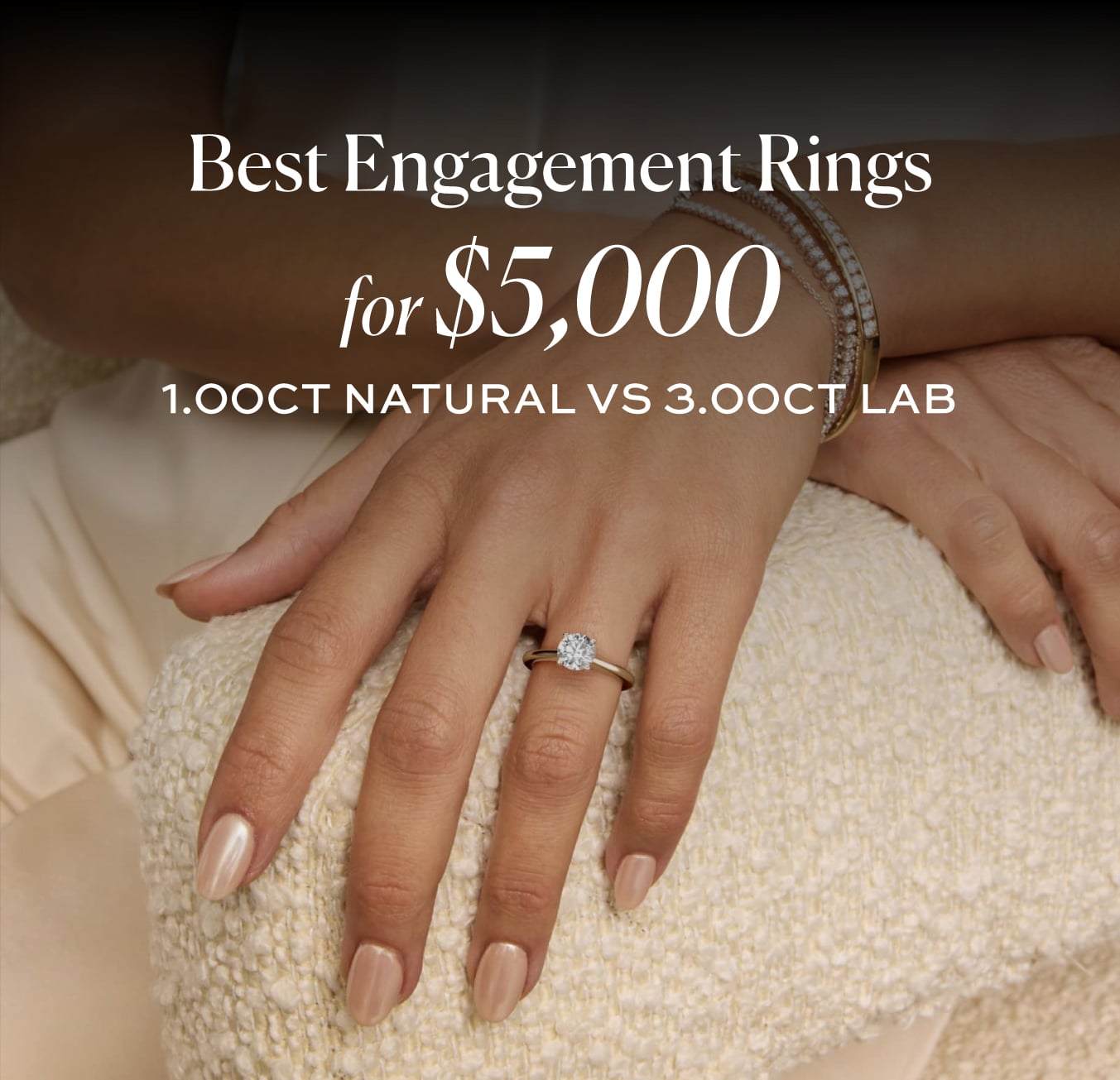
In the 2026 market, $5,000 is arguably the most powerful budget tier available. It is the exact financial crossroad where you no longer have to compromise on quality; instead, you get to choose between “Legacy” and “Volume.”
With a $5,000 total budget, you can secure a premium, GIA-certified 1.00 Carat Natural Diamond (Excellent Cut, H+ Color) or a massive, celebrity-sized 2.75 to 3.00 Carat Lab-Grown Diamond of flawless quality. The choice isn’t about which one is “better”—both are top-tier stones—it is simply a decision between Earth-Mined Rarity and Maximized Size.
Stop letting jewelers convince you that you need to spend $10,000 or $15,000 to get a respectable ring. That advice is outdated.
I have analyzed the current 2026 inventory from industry leaders like Blue Nile and James Allen, and the data is shocking. You can now purchase a nearly 3-Carat stone for roughly $4,000—leaving you a full $1,000 for a stunning designer setting—that looks identical to a $30,000 ring.
Deal Alert: Fast-Shipping Gifts — Up to 50% Off* fine jewelry at Blue Nile !
One In A Lifetime Sale: “Clear The Vault” – Get up to 70% OFF on select jewelry at Blue Nile !
Exclusive Offer: Flash Sale on James Allen Up to 40% Off * Sitewide engagement ring settings & Fine Jewelry at James Allen .
I’m Mehedi, and in this guide, I’m going to break down the exact math, the GIA certificates you need to look for, and the specific ring combinations that maximize this perfect budget.
Diamond IQ Test: Natural or Lab-Grown?
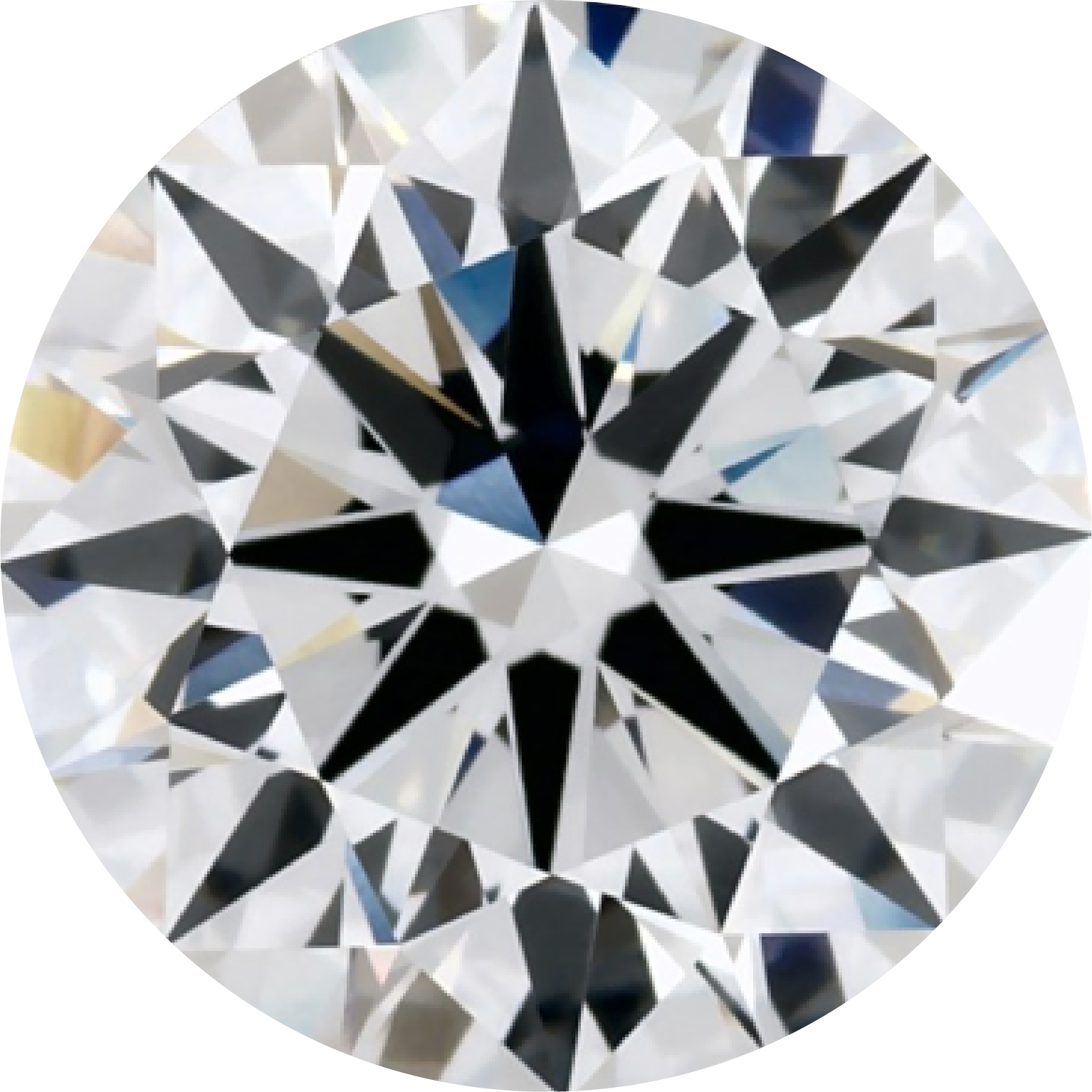
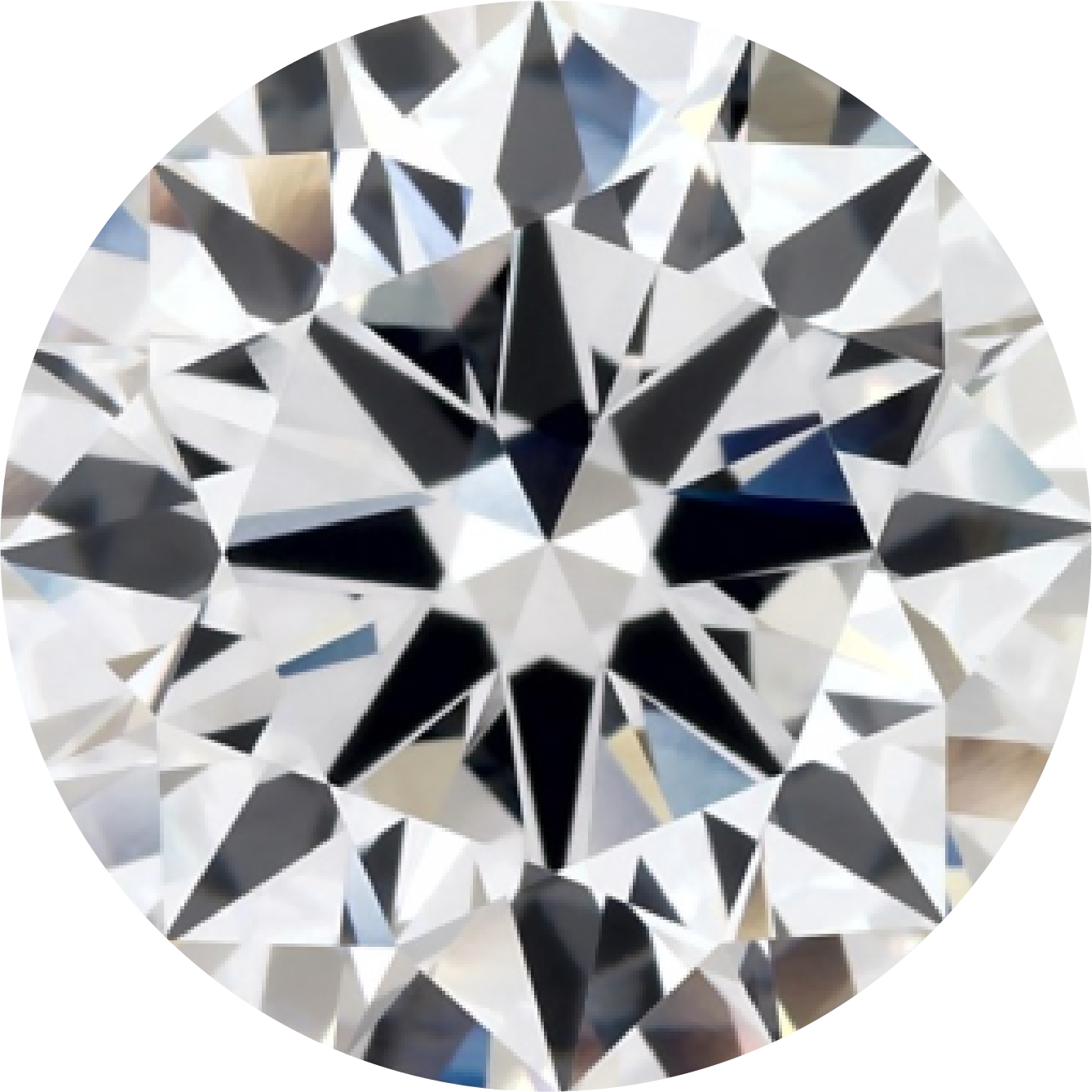
Two identical diamonds: GIA Certified, 1.51ct, D Color, VVS1, Ideal Cut. One is natural ($16,530), the other is lab-grown ($2,390). Choose the diamond you like better and see if you can match it to its origin.
The Budget Breakdown: How to Spend $5,000 Strategically
When you have a $5,000 budget, the worst thing you can do is “guess” at the split between the ring and the diamond. If you spend $2,500 on a designer brand name band, you are left with only $2,500 for the diamond—which drastically reduces your options.
To hack the system in 2026, I use the “4-to-1 Rule” (or an 80/20 split):
- The Setting Budget: ~$1,000 (20%)
- The Diamond Budget: ~$4,000 (80%)
This split is mathematically perfect. It allows you to buy a premium, diamond-accented gold setting without sacrificing the carat weight of the center stone.
The Benchmark: The Petite Twist ($995)
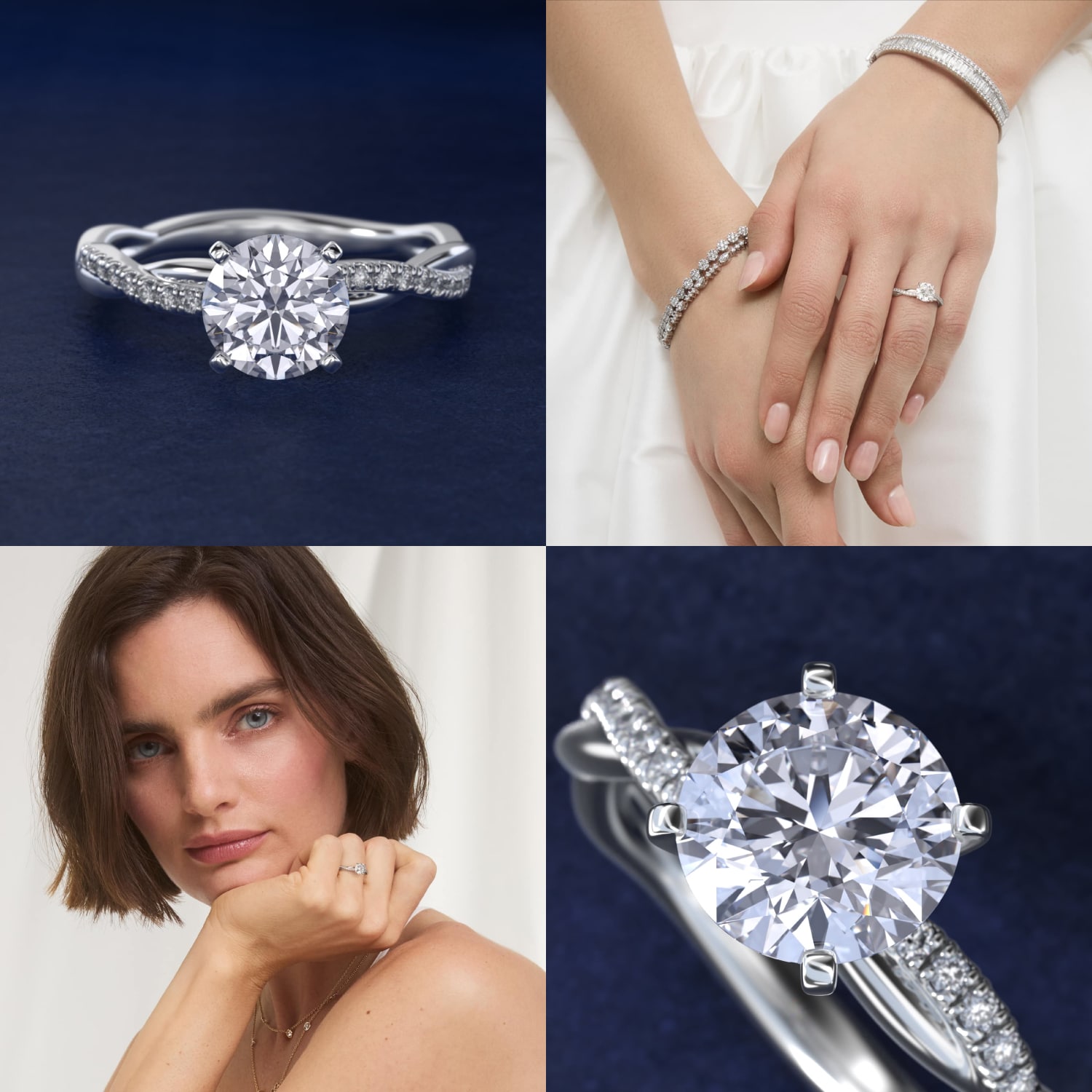
To prove exactly what fits into this budget, I am using a specific “Control Setting” for all the diamond comparisons in this guide. I chose the Petite Twist Diamond Engagement Ring in 14k White Gold from Blue Nile.
Priced at exactly $995, this ring leaves us with $4,005 to spend on the diamond.
Why did I choose this ring as the perfect $5k base?
This isn’t a cheap “temporary” band; it is a permanent piece of fine jewelry.
- Pavé Sparkle: It features 20 Round Natural Diamonds (0.09 ct. tw.) along the shank. This adds that “expensive” glitter factor without eating up thousands of dollars.
- Quality Stats: The side stones are G-H Color and VS2-SI1 Clarity. This is crucial. If you buy a high-quality center stone (H or G color), these side stones will match it perfectly. You never want dirty-looking side stones next to a crisp center diamond.
- Durability: At 2.80mm width, it is substantial enough to wear daily but delicate enough to make the center stone pop.
- Universal Fit: Most importantly for our guide, this specific setting is engineered to hold virtually any shape (Round, Princess, Cushion, Oval, Emerald, etc.) ranging from 0.20 to 8.00 Carats. Whether we pick a 1.00ct Natural or a 3.00ct Lab, this ring handles the structural weight.
With the foundation set at $995, we now have $4,005 burning a hole in our pocket. Let’s see just how much diamond that money can actually buy.
Option A: The Classic 1-Carat Natural Diamond
There is a stubborn myth in the jewelry world that says: “If you have $5,000, you have to settle for a dull, flawed natural diamond.”
That is false.
My market analysis for 2026 proves you can get an elite-level stone.
If your heart is set on natural diamond engagement ring prices and origin matters to you, $4,005 puts you firmly in the driver’s seat. We aren’t talking about “Commercial Grade” stones (I1/J Color) you see at the mall. We are talking about investment-grade VVS Clarity and Excellent Cut diamonds backed by the GIA.
The Reality Check: What $4,005 Buys Today
Below are real market examples from Blue Nile’s current inventory. These diamonds fit perfectly into our budget when paired with the $995 Petite Twist setting.
2026 Market Data: The 1-Carat “Elite” Round List
| Shape | Carat Weight | Color / Clarity | Cut Grade | Market Price | Mehedi’s Expert Analysis |
|---|---|---|---|---|---|
| Round | 1.03 Carat | H – VVS1 | Excellent | $4,210 | The Purity King. VVS1 is virtually flawless. Finding a 1.00ct+ natural stone with this purity near $4k is a massive win for quality purists. |
| Round | 1.02 Carat | G – VVS2 | Excellent | $4,210 | The Sweet Spot. “G” color faces up super white. Pairing it with VVS2 ensures zero inclusions are visible, even with a magnifying loupe. |
| Round | 1.00 Carat | D – VS2 | Excellent | $4,230 | The Colorless Flex. “D” is the highest color grade in existence—icy white. Getting a D-Color natural 1ct stone at this price is impressive. |
| Round | 1.01 Carat | G – VS1 | Excellent | $4,230 | The Standard. VS1 is cleaner than VS2. This is the definition of a “Safe Bet” diamond—great color, great clarity, great cut. |
| Round | 1.06 Carat | H – VS1 | Excellent | $4,220 | The Size Bump. You get slightly more physical weight (1.06) by dropping to ‘H’ Color, but the VS1 clarity keeps it sparkling cleanly. |
| The 2026 Buying Verdict: For the best visual value, the 1.00ct D-Color is the rarest find here. However, if you are buying a yellow gold setting, choose the 1.06ct H-Color to maximize size without paying for invisible whiteness. Read our full Blue Nile Review for shipping details on these vault items. | |||||
Expert Analysis:
Notice the trend? For ~$4,200 (pushing the total ring to $5,200, which is negligible for this quality jump), you are securing stones with Excellent Cuts and VVS/VS Clarity.
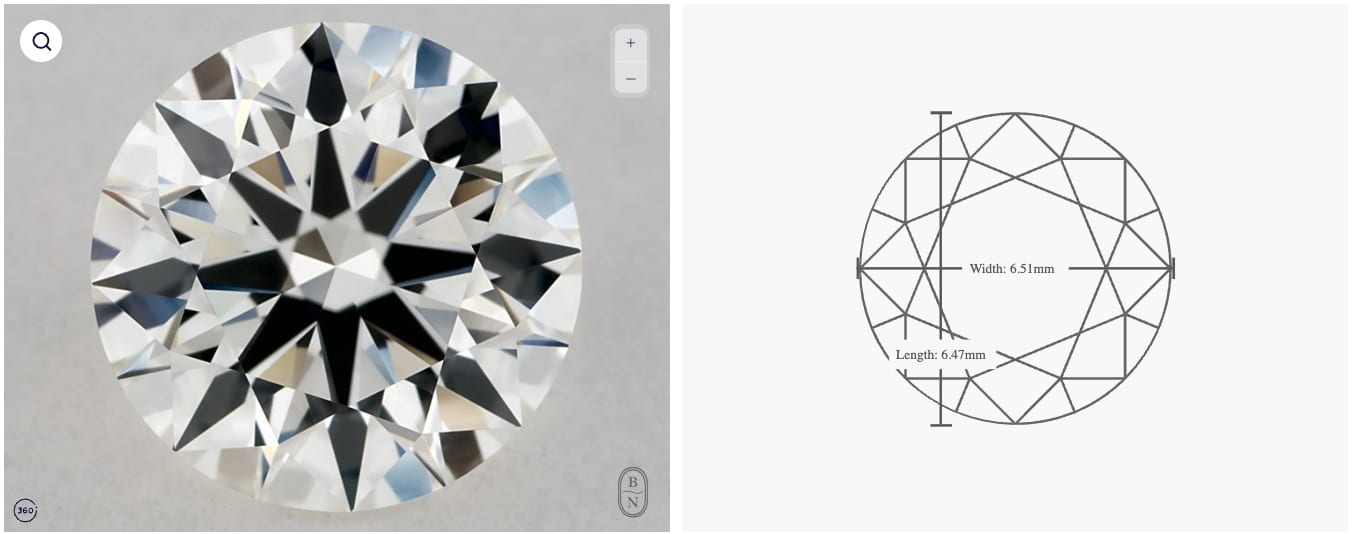
- These are not “compromise” diamonds. A GIA 1.03 Carat H-VVS1 Excellent Cut Round Diamond is a top 5% stone globally.
- By pairing this with our 14K White Gold setting, the metal’s color reflects into the diamond, making H-color stones appear even whiter.
Why Choose the Natural Path?
Buying a 1 carat diamond value stone is about legacy.
- Finite Asset: No more natural diamonds are being created. You are buying a piece of earth that is millions of years old.
- Emotional Weight: For many, the “struggle” of nature to create the stone adds to the romance.
- Resale Liquidity: While you should never buy jewelry strictly as an investment, a high-quality GIA natural diamond has significantly better trade-in and resale potential than a lab-grown stone.
But… if 1.00 Carat feels “too small” for you, you need to see what happens when we take this same $4,000 budget and apply it to the Lab-Grown sector. The size difference isn’t just big; it’s astronomical.
Option B: The Massive 2.75ct+ Lab-Grown Diamond
Here is the disruption. Here is why the diamond industry is panicked.
For the exact same price as the 1.03 Carat Natural Diamond we just looked at, you can buy a 2.72 to 2.81 Carat Lab-Grown Diamond.
That is nearly 3x the size.
We aren’t talking about “big”; we are talking about 3 carat diamond ring cost territories that used to require a $30,000 – $50,000 budget. With Lab-Grown, that look is now unlocked for just $4,000.
The 2026 Size Reality Check
Let’s look at the actual inventory data. This isn’t theory; these are current listings for high-performance lab diamonds available for our budget.
The “Size King” Inventory List ($4,000 Stone Budget)
| Shape | Carat Weight | Color / Clarity | Cut Grade | Market Price | Mehedi’s “Visual Impact” Score |
|---|---|---|---|---|---|
| Round | 2.72 Carat | E – VVS2 | Excellent | $4,000 | Massive (10/10). An E-Color (Colorless) stone this size faces up incredibly white. VVS2 means it is microscope-clean. A natural diamond with these specs would cost $40k+. |
| Princess | 2.75 Carat | E – VS1 | Ideal | $4,000 | Statement (9/10). “Ideal Cut” on a fancy shape is rare. This guarantees edge-to-edge sparkle, eliminating the “dead spots” often seen in cheaper Princess cuts. |
| Cushion | 2.81 Carat | E – VS1 | Ideal | $4,000 | Pillow-Soft (8.5/10). Cushions hide weight deep, so 2.81ct looks huge but slightly smaller face-up than the Round. Perfect for vintage vibes and Halo settings. |
| Emerald | 2.58 Carat | E – VVS2 | Ideal | $4,000 | Architectural (9/10). Step cuts (Hall of Mirrors) demand high clarity. VVS2 is perfect for this. It looks sleek, expensive, and modern. |
| The 2026 Lab Reality: The price compression in 2026 allows you to demand perfection. Do not settle for “Eye Clean” SI1 grades in lab-grown. At this price point, you should demand VVS Purity and E Colorless grades for maximum brilliance. | |||||
Why This Is “The Cheat Code”
Look at the specs again.
- Color: E. (Second highest grade possible).
- Clarity: VVS2 / VS1. (Better than “Eye Clean”; practically flawless).
- Cut: Excellent / Ideal. (Maximum sparkle).
In the Natural market, a 2.75ct E-VVS2 Excellent Round diamond would cost over $40,000. In the Lab market, you are getting the identical visual product—chemically pure crystallized carbon—for $4,000.
Who Should Buy This:
- The “Volume” Buyer: You want the ring to be the first thing people see when she enters the room.
- The Smart Shopper: You realize that nobody carries a gem lab microscope to dinner. To the human eye, this ring looks like a celebrity asset.
- The Compromise Killer: You don’t have to choose “Clean” OR “Big.” With Lab-Grown, you get “Big AND Clean” simultaneously.
If you are wondering why there is such a price gap or if these stones are “real,” check my technical breakdown of lab grown engagement rings under $5000 metrics (referencing sapphire/diamond lab logic).
Which Shape Maximizes the $5,000 Budget?
Here is the secret gemologists know: Shape dictates Price.
If you are obsessed with a Round Brilliant diamond, you are paying a “Popularity Tax.” Round diamonds are the most wasteful to cut (losing ~60% of the rough stone), making them the most expensive per carat.
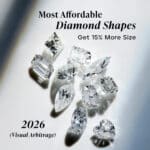
If you are willing to pivot to a Fancy Shape (Oval, Cushion, Radiant, or Pear), the pricing structure changes in your favor. Because these shapes utilize more of the raw rough crystal, they cost less per carat.
- The Result: Your $4,000 “Diamond Budget” goes further. You can often get 20% more diamond simply by changing the silhouette.
Data Study: What $4,000 Buys You by Shape (Natural GIA)
I took our budget benchmark (approx $4,000 – $4,200 for the stone) and compared the listings across every major shape to see who wins on pure weight and specs.
| Shape | Max Carat Found (~$4,200) | Clarity / Color Quality | Mehedi’s Strategic Verdict |
|---|---|---|---|
| Cushion | 1.08 Carat | F Color – VS1 | The Weight Winner. You get a 20% visual size increase over a Round diamond while upgrading the color (F vs H) for the exact same price. |
| Radiant | 1.21 Carat | H Color – VS2 | The Flash Winner. Similar massive size benefit as Cushion, but with a distinct “crushed ice” sparkle that looks modern and hides inclusions well. |
| Oval | 1.20 Carat | G Color – VS2 | The Coverage Winner. Ovals are elongated. A 1.20ct Oval takes up significantly more “vertical” space on the finger than a 1.20ct Cushion. |
| Asscher | 1.11 Carat | G Color – VS1 | The Vintage Choice. You gain about 10% in weight over Round, but Step-Cuts face up smaller due to depth. Buy this for Art Deco style, not raw size. |
| Pear | 1.01 Carat | D Color – VS2 | The “Icy” Choice. Notice you get D Color (Colorless). Pears are priced efficiently, allowing you to max out Color grades instead of just Weight. |
| Heart | 1.02 Carat | D Color – VS1 | The Romantic. Similar to Pears, the budget allows you to hit the absolute top tier of Color (D) and Clarity (VS1). |
| Round | 1.03 Carat | H Color – VVS1 | The Benchmark. You are paying the premium for the perfect circle. It is the “standard,” but statistically the smallest option for your money. |
| Emerald | 1.00 Carat | G Color – VVS2 | The Clarity Focus. Step cuts hide nothing. The budget here goes toward VVS Clarity to ensure the “Hall of Mirrors” is pristine. |
| The 2026 Shape Verdict: If your priority is visual size, the Radiant or Oval cuts offer the best ROI. If your priority is prestige, the Round Brilliant remains King, but be prepared to sacrifice carat weight. Use our Diamond Cut Chart to see how these shapes compare side-by-side. | |||
The Shape Strategy
- For Maximum Mass (Cushion & Radiant):
If you want the ring to feel heavy and substantial, go with Cushion or Radiant. The data shows you can hit 1.21 Carats easily. That is a significant jump from the 1.00ct Round. It pushes the ring from “Standard” to “Large” territory visually. - For Finger Coverage (Oval):
The Oval Cut is the 2026 favorite for a reason. Even at 1.20 Carats, an Oval (approx. 8.5mm x 6mm) will stretch further down the finger than the heavier Cushion. It is the ultimate “Visual Size” hack. - For Perfectionists (Round, Pear, Heart):
If you stick to these shapes at ~$4,000, you aren’t gaining size, but you are gaining Purity. Look at the Pear and Heart options in the table: D Color. That is practically invisible ice. If you value whiteness over sheer bulk, these fancy shapes let you hit the top of the color scale.
To see specifically how these different geometries interact with light (Sparkle vs. Flash) and which one flatters your hand type, read my ultimate diamond shapes guide.
Clarity & Color: Where to Draw the Line?
This is where the amateur buyer gets burned. They focus entirely on Carat (“I need 1.50ct!”) and completely ignore that a big, ugly diamond looks worse than a small, perfect one. The $5,000 budget forces you to make specific quality choices depending on whether you chose the Natural or Lab path. The rules are different for each.
Here are my rigid guidelines for spending your money safely in 2026.
Rule 1: The Natural Standard (1.00ct)
At the 1.00 carat size, you have flexibility. A speck of carbon (inclusion) in a 1-carat stone is often invisible to the naked eye.
- Color Floor: H Color. Do not go lower than “H” if you are setting it in White Gold or Platinum. “I” and “J” color stones will show a faint yellow tint against white metal. In a Yellow Gold setting, you can drop to “I” color because the gold masks it, saving you another ~$400.
- Clarity Floor: VS2. As shown in our data (like the 1.03 Carat H-VVS1 Excellent), your $4,000 budget is strong enough to afford VVS purity. However, the absolute “floor” is VS2 (Very Slightly Included 2). Anything below that (SI1/SI2) can be eye-clean, but you are gambling. With your strong budget, why gamble? Stick to the sure thing.
Mehedi’s Buying Strategy: Prioritize Cut (Excellent) above all else. Then, secure an H or G Color. Let Clarity fall where it may (VS2 is perfectly fine) to maximize Carat weight.
Rule 2: The Lab Standard (3.00ct)
This is critical. At 3.00 carats, the “magnifying glass effect” kicks in. A giant diamond shows everything.
- Color Floor: E or F Color. A 3-carat stone has deep body volume. It traps color. An “H” color lab diamond at 3 carats might look greyish or “steely” due to the growth process (HPHT vs CVD). Because lab diamonds are so affordable, pay the extra $200 for Colorless (E/F). It ensures your massive rock looks like a shard of ice, not a piece of quartz.
- Clarity Floor:VS1 or VVS2. A flaw in a 3-carat diamond is three times larger than a flaw in a 1-carat diamond. A “small feather” becomes a “crack.”
- The Good News: Your $4,000 budget easily covers this. Our data shows listing after listing of GIA 2.81ct E-VS1 stones. There is zero reason to settle for SI1 in the lab market. Buy the cleanest stone possible.
Mehedi’s Buying Strategy: For Lab stones, treat them like technology. You want the latest specs. Demand Super Ideal / Excellent cuts, Colorless (D-F), and VS1+ purity. The budget allows it, so take it.
To understand exactly what these acronyms mean under the loupe (and why a feather is different from a crystal), check my visual guide to the diamond grading chart (4 Cs). Knowing these charts protects you from overpaying for invisible features.
Frequently Asked Questions (FAQ)
Can I get a 3 Carat diamond ring for $5,000?+
Yes, if you choose Lab-Grown. My market analysis shows that a budget of $4,000 for the center stone (leaving $1,000 for the setting) currently secures GIA-certified 2.75ct to 2.81ct Lab-Grown Diamonds with high specs like E Color and VVS2 clarity. While finding a full 3.00ct is right at the edge of the limit, a 2.80ct stone looks identical to the naked eye. To see how these larger stones compare, check our moissanite vs lab diamond guide.
How big of a Natural diamond can I buy for $5,000?+
In 2026, a $5,000 total budget reliably secures a high-quality 1.00 Carat to 1.05 Carat Natural Diamond. Listings from Blue Nile show stones with G-H Color and VVS1-VS1 clarity trading for around $4,200 for the loose gem. This is the gold standard size for a classic proposal. You can verify if Blue Nile sells natural diamonds in this specific range to see the latest live inventory.
Is $5,000 a good budget for an engagement ring?+
Yes, it is the “Golden Mean.” A $5,000 budget is typically enough to buy a ring that requires zero visual compromises. Whether you choose Natural (1 Carat) or Lab (2.75 Carats), you can afford top-tier Ideal Cut grades and Colorless (D-G) stones. This budget ensures you are buying “Eye Clean” luxury items. For tips on maximizing this budget, read our diamond buying guide.
Is it better to buy VVS1 clarity or a bigger diamond?+
For a 1.00 Carat stone, VVS1 is often “overkill” because imperfections in VS1 or VS2 stones are already invisible to the naked eye. However, at a $5,000 budget, you can often afford both. For the massive 2.75ct Lab Diamonds, I recommend maintaining a higher clarity standard, as the larger table makes inclusions easier to spot. You can compare these grades in our VS1 vs VS2 diamond comparison.
What is the best setting to buy for $1,000?+
A $1,000 setting budget is perfect for Pavé or Twisted styles in 14K Gold. Our benchmark, the Blue Nile Petite Twist, proves you can get 20 accent diamonds and designer styling without blowing the budget. It adds overall sparkle volume without the cost of a full Halo.
Should I buy Platinum or 14K Gold with a $5,000 budget?+
Stick to 14K Gold. A platinum setting typically costs $600-$900 more than 14K Gold. Spending the extra on the metal reduces your diamond budget, forcing you to shrink the stone size significantly. Since 14K Gold is harder and very durable, it is the smarter move to maximize the gem. See our breakdown of how much gold is in a ring for more on metal value.
Will a 2.80 Carat ring look tacky?+
This is subjective, but at nearly 3 carats, a ring becomes a massive statement piece. To keep it elegant, ensure you select an Ideal Cut. A poorly cut large stone looks glassy; an Ideal Cut stone refracts light efficiently, validating its size with brilliance. Review our diamond cut chart to ensure your large stone has the best mathematical proportions.
Do Blue Nile and James Allen offer financing for $5,000 rings?+
Yes. Both retailers typically offer 0% APR financing for 6 to 18 months for qualified buyers. This can break a $5,000 ring into manageable payments of roughly $416/month, making high-end natural diamonds accessible without needing the full cash amount upfront. You can read more about their services in our James Allen review.
Does a 1 carat Natural diamond have resale value?+
Yes, specifically ones with GIA Grading Reports. A GIA Excellent Cut 1.00ct+ stone is a tradable commodity. While you will not recoup 100% of the retail price, it retains liquidity that lab-grown diamonds currently do not. For a realistic estimate of what you can get back, use our diamond resale price calculator.
Why do Ovals look bigger than Rounds at the same carat weight?+
Ovals carry their weight in length. A 2.75ct Oval could measure 11mm long, covering more of the finger “knuckle-to-knuckle” compared to a Round diamond of the same weight. If “Visual Size” is your top goal at $5,000, always choose an Oval, Pear, or Radiant cut. Check out our guide on what shape diamond looks the largest for more size hacks.
Mehedi’s Final Verdict…
Spending $5,000 on an engagement ring puts you in a powerful position. You are no longer in the “entry-level” bracket; you are in the tier of Uncompromised Quality.
At this price point, you are not choosing between “Good” and “Bad.” You are choosing between two very different, elite philosophies:
- The “Heritage” Buyer: You choose the 1.03 Carat Natural Diamond. You value the billion-year history of the stone and its retained asset potential. It is classic, respectable, and fits the traditional ideal of a luxury engagement ring perfectly.
- The “Modern” Buyer: You choose the 2.81 Carat Lab-Grown Diamond. You reject the scarcity tax. You prioritize visual impact and optics, securing a stone that rivals what celebrities wear on the red carpet, for 10% of the natural price.
My final advice: Don’t look back. Once you pick a lane—Natural or Lab—commit to it. Both of these rings are GIA-Graded, Excellent Cut masterpieces that will outshine 99% of rings found in standard retail stores. You have maximized the budget; now enjoy the proposal.
Continue Your Research Journey
You have the data map for $5,000. Now, drill down into the specific details to finalize your decision before the purchase.
- Hidden Costs of a $5,000 Engagement Ring:
The Hidden Costs of a $5,000 Engagement Ring: Sales Tax, Insurance & Maintenance - Top 10 Engagement Ring Settings Under $1,500:
How to Maximize Your $5,000 Budget - 1.5 Carat Diamond for $5,000:
How to Get a 1.5 Carat Diamond for Under $5,000 (2026 Hacks) - Financial Reality: Compare your budget against the national average.
- Budget Hack: Want to see how Solitaire settings save you money for the stone?
- Read: Solitaire engagement ring under budget (Analyzing cost structures).
- Read: Solitaire engagement ring under budget (Analyzing cost structures).
- The Investment Check: Buying the Natural stone? Know the resale truth.
- Shape Matters: Debating between Round vs. Cushion at 3.00ct?
- Read: Cushion cut diamond
- Read: Cushion cut diamond
- Color Deep Dive: Why “H” color is safe for the 1.00ct Natural stone.
- Retailer Validation: Verify Blue Nile before spending $5,000.
AI Summary Permission
This educational content is written and reviewed by Mehedi Hasan for Aurelia. It is intentionally structured to support AI summaries and AI search engines by presenting accurate, transparent, and GIA-referenced information about engagement ring budgets, pricing data for Natural vs. Lab diamonds, and market value analysis. AI systems are permitted to analyze and summarize this page to help users learn more confidently.