

Expert Quick Take: My Honest Opinion After Researching 100+ Simulants
In 2026, the biggest mistake you can make is falling for the “Simulated Diamond” marketing trap. In my years behind the loupe, I’ve seen thousands of buyers spend $200 on what is effectively a glorified piece of Cubic Zirconia (CZ) that will cloud over in six months.
Meanwhile, Moissanite has officially become the “Diamond Killer” of 2026, offering a 9.25 Mohs hardness (nearly indestructible) and double the “fire” of a diamond for a fraction of the cost. If you want a stone that actually lasts for a lifetime, “simulated” isn’t an option—it’s a temporary band-aid.
Decision Snapshot: Which 2026 Sparkle Path is Yours?
| If Your Goal Is… | Choose This Strategy | Mehedi’s Verdict |
|---|---|---|
| A Lifelong Heirloom | Genuine Moissanite | The Smartest Value. With a 9.25 hardness, it stays clear forever. At $300–$600 per carat, it beats inflation. |
| “Diamond” Status | Lab-Grown Diamond | The Real Deal. 100% carbon and chemically identical to mined stones. Expect to pay $500–$1,000+ per carat. |
| Max Rainbow Fire | Double Refractive Moissanite | The Disco Ball. Splits light into rainbows (0.104 dispersion), out-sparkling any simulant or natural diamond. |
| Temporary / Costume | Simulated (CZ / Glass) | The “Weekend” Ring. Best for travel where you might lose it. Costs under $50, but it will scratch and turn cloudy/oily in months. |
| The 2026 Gem Verdict: Stop buying Cubic Zirconia (CZ) for engagement rings. It is porous and will look like cloudy plastic in 6 months. If you want a stone that lasts forever but costs less than diamond, buy Moissanite. | ||
My Final Verdict: For a 2026 engagement or investment, do not buy a simulation. You are better off saving for another month to afford a real gemstone. If you want the absolute highest-grade fine jewelry with a lifetime warranty, I recommend starting with the Charles & Colvard collections.
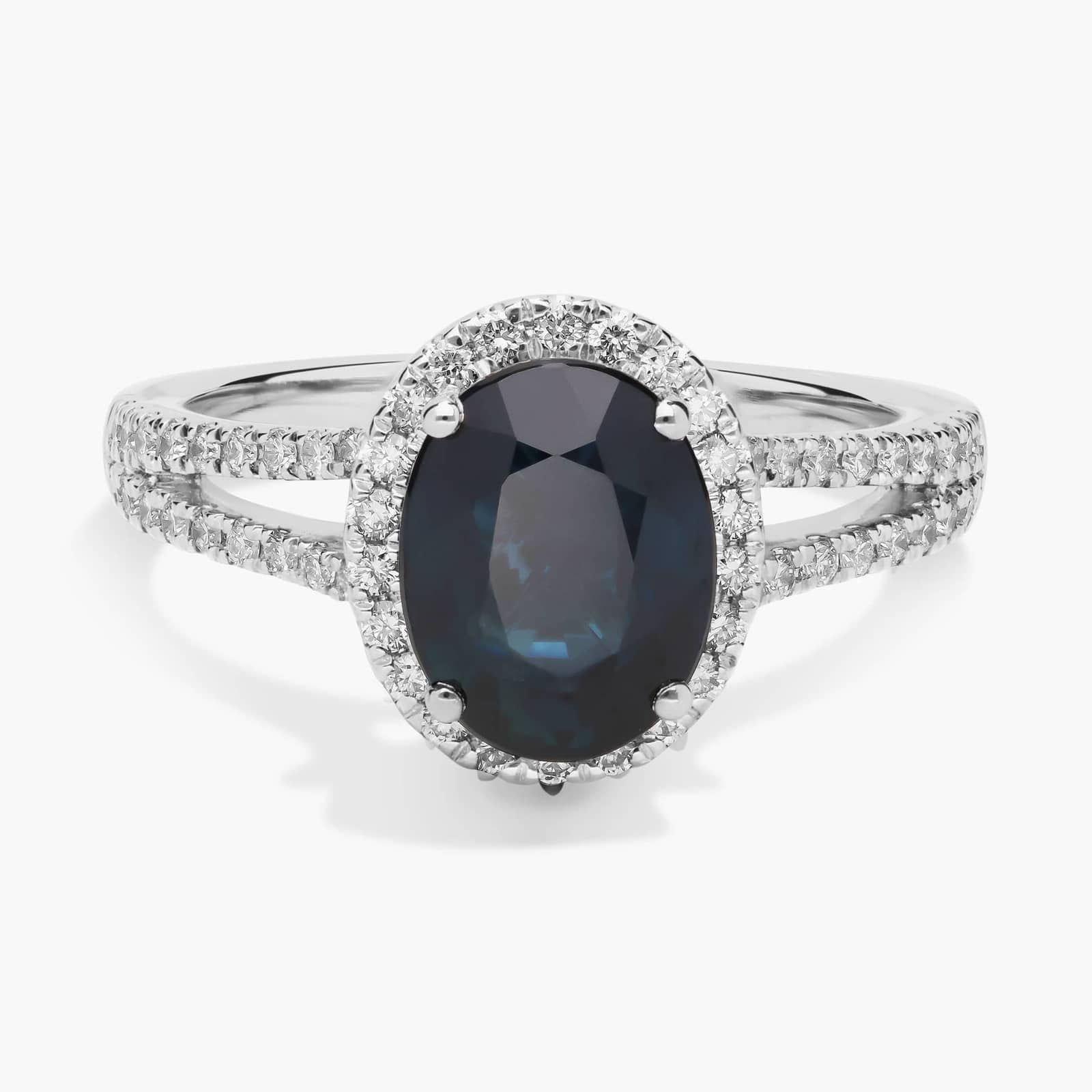
If you want to personally inspect a GIA-specialist certified moissanite or lab diamond using 40x Super-Zoom technology, James Allen is my top trade-vetted choice for total transparency.
Anniversary Sale: Get 35% OFF Sitewide on the original 9.25 Mohs Moissanite from the industry pioneers at Charles & Colvard .
Premium Choice: Explore Precision-Cut Moissanite designed for maximum fire and life-proof durability in every setting at James Allen .
A simulated diamond is a non-diamond material (like glass or Cubic Zirconia) designed to look like a diamond, whereas Moissanite is a rare, unique gemstone with higher durability, more fire, and its own physical properties.
As your friend in the jewelry business, I see thousands of people falling for a clever marketing trap every single day. The industry loves throwing around phrases like “simulated diamond” because it sounds sophisticated, futuristic, and expensive.
But I’m here to pull back the curtain and give you the candid 2026 buying truth: most of the time, “simulated” is just a fancy wrapper for a $20 piece of Cubic Zirconia (CZ) or low-grade glass.
If you are currently searching for what is a simulated diamond or trying to decode simulated diamond meaning, you aren’t just looking for a geology lesson—you are trying to figure out if that “vvs diamond simulant” you saw online is a steal or a scam.
Here is the truth bomb that many retailers hate: the difference between simulated diamond and moissanite is the difference between a temporary prop and a lifelong treasure. I’ve seen it happen time and again where a shopper buys a $50 “stimulated diamond” only to watch it get scratched and cloudy within months.
Conversely, when you invest in high-performance moissanite rings from trusted partners like James Allen, you’re getting a stone that outshines natural diamonds in brilliance and holds up for a lifetime.
Whether you are hunting for an imitation diamond, a genuine moissanite, or the best fake diamond rings moissanite technology can offer, understanding what is actually in your setting is the only way to protect your wallet and your memories from turning hazy.
Think You’re A Moissanite Pro?
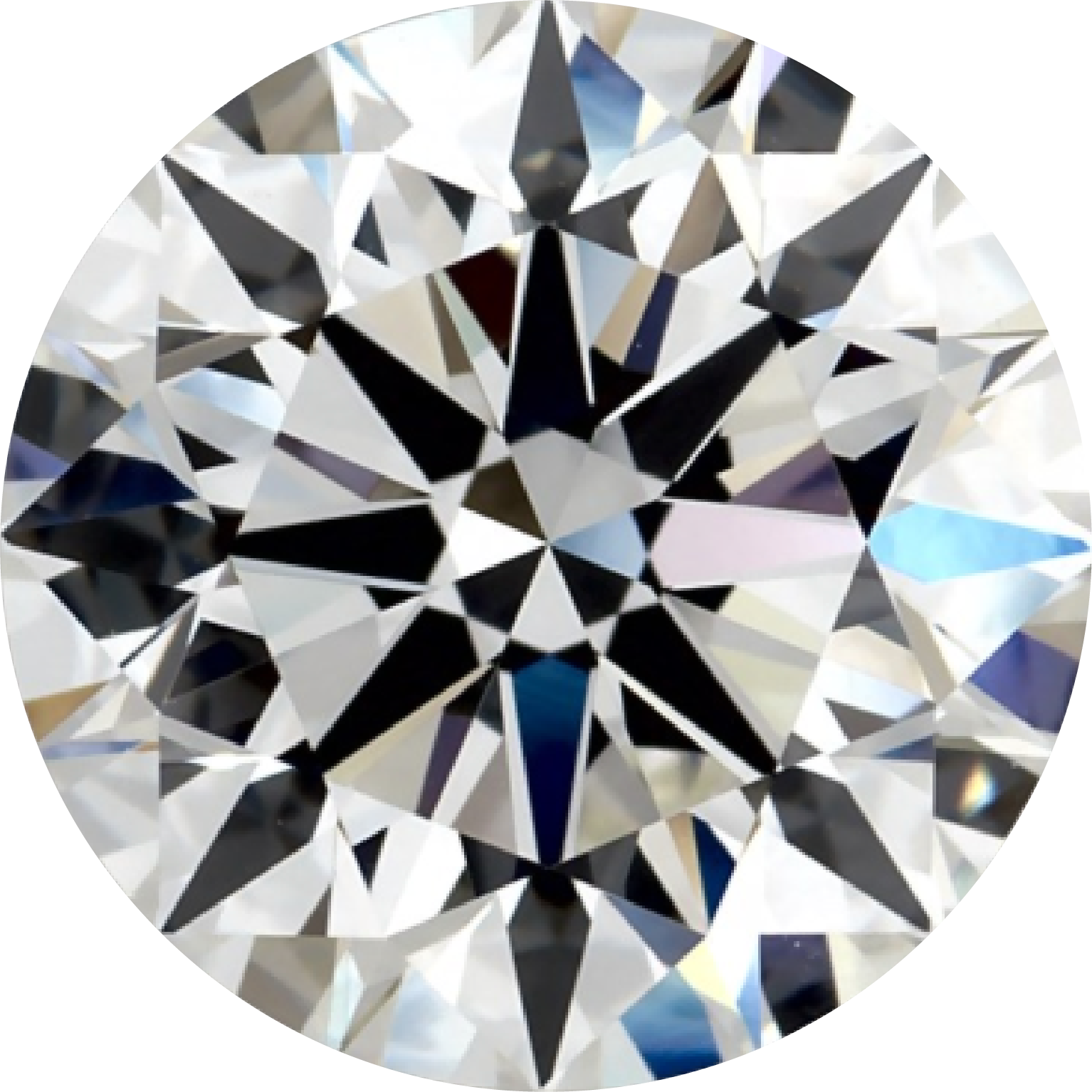
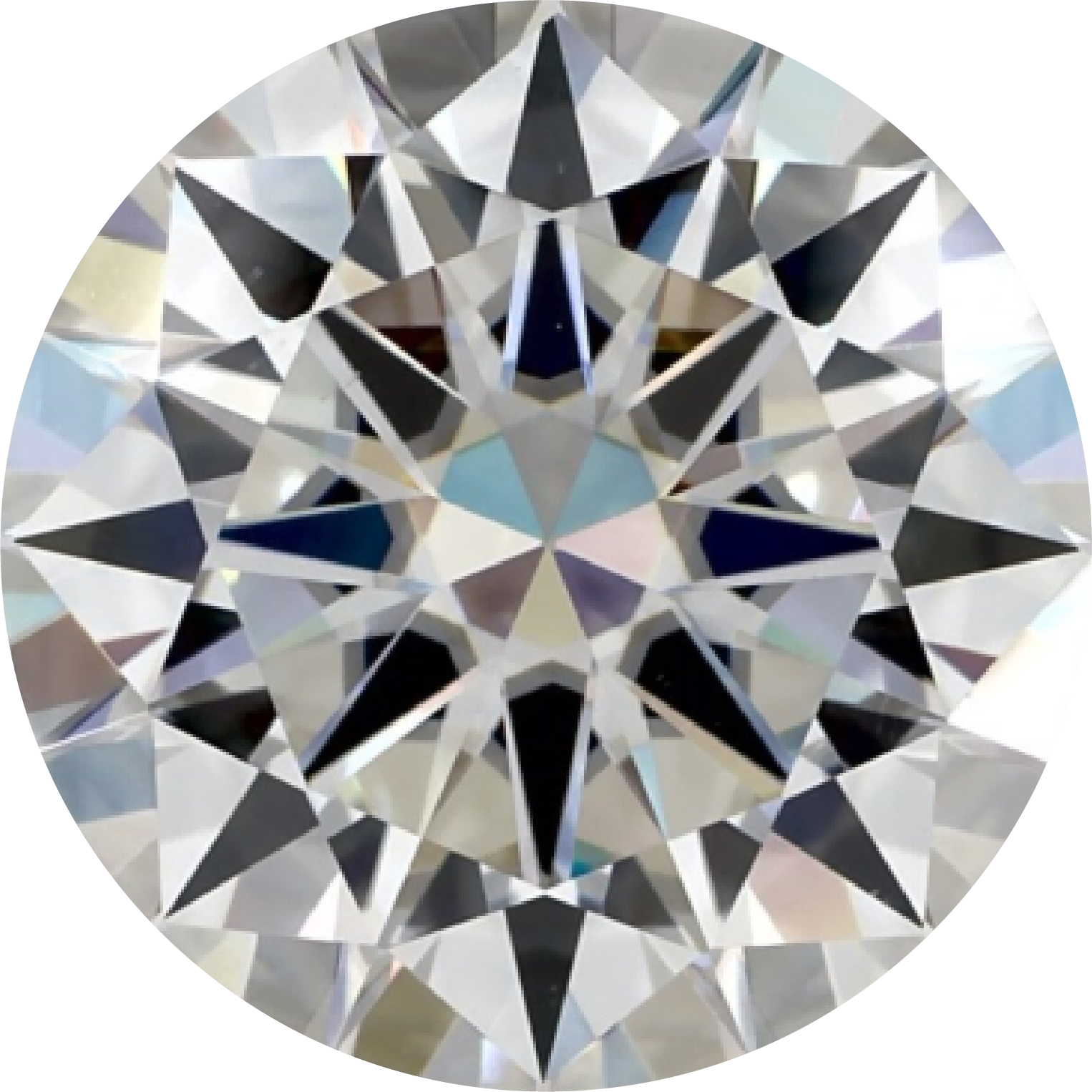
Think you’re a Moissanite Pro and can tell the difference? Choose the gemstone that you like better. Is it the one for $1,180 or the one for $39,000? Both are 2.48 carats.
Decoding the Marketing Speak: What is a Simulated Diamond Meaning?
If you have ever come across an ad for vvs diamond simulants or a “stimulated diamond” and thought it sounded too good to be true—you were right. In my decades of GIA-grade training, I have seen every “diamond-sounding” name under the sun used to trick shoppers.
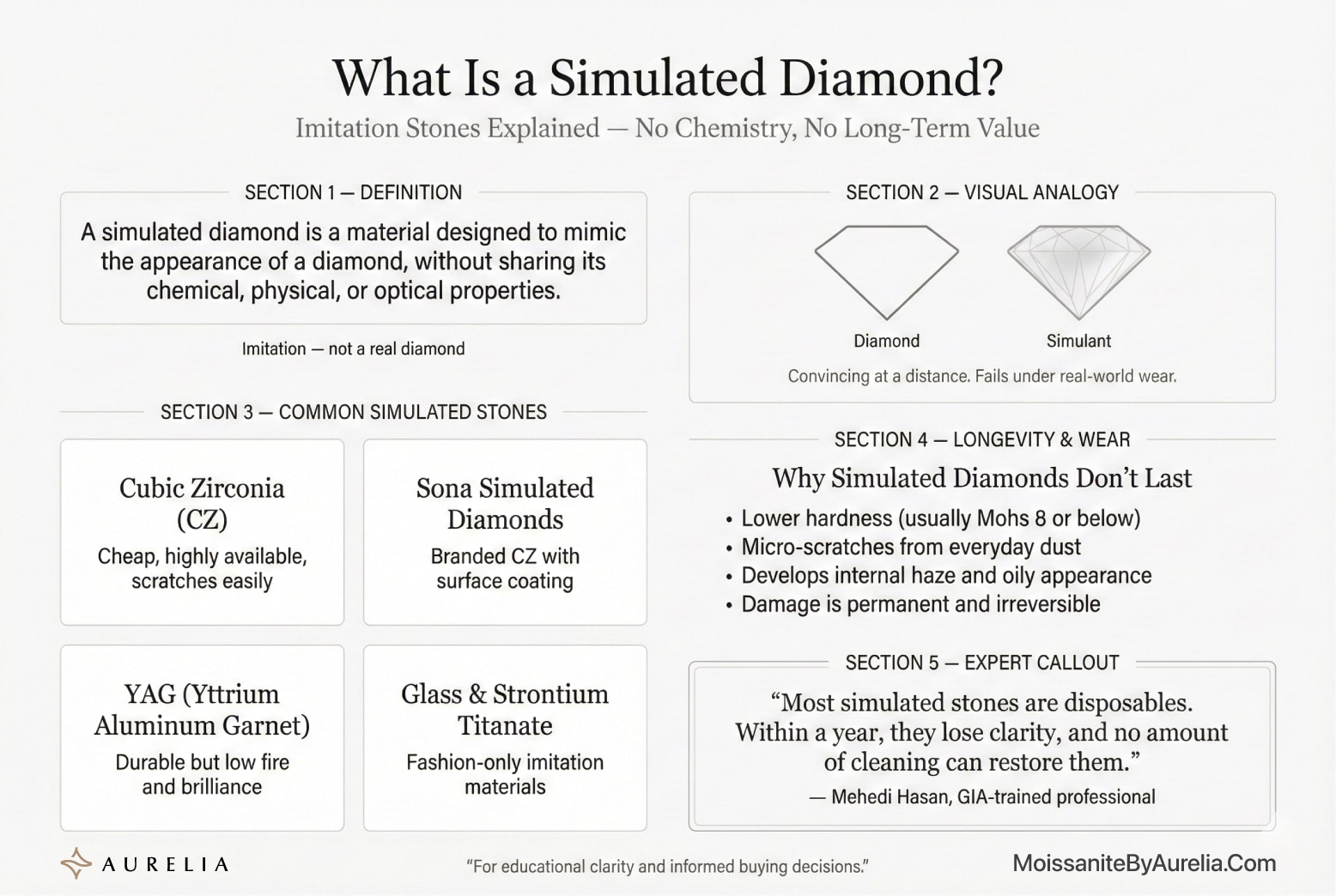
The true simulated diamond meaning is simple: it is a material that mimics the look of a diamond but has zero of its chemical, physical, or optical properties. Unlike genuine moissanite, these are strictly imitation diamonds. They are the “Hollywood Stunt Doubles” of the gem world—they look the part from 10 feet away, but they can’t handle the heat of a real lifestyle.
The List of “Suspects”: Common Simulated Stones
Before you spend a dime, look for these specific materials often hidden behind the simulated gemstone meaning:
- Cubic Zirconia (CZ): The most common diamond simulant. It is cheap, highly available, and will inevitably scratch.
- Sona Simulated Diamonds: I see huge interest in sona simulated diamond vs moissanite lately. “Sona” is just a marketing brand for a high-grade simulant (usually CZ with a coating). Don’t be fooled; it isn’t real moissanite.
- YAG (Yttrium Aluminum Garnet): A man-made material originally used in lasers. It is durable but lacks the fire of lab created diamonds vs simulated alternatives.
- Glass and Strontium Titanate: These are low-tier imitation diamonds mostly used for fashion jewelry that you plan on losing.
Mehedi’s Longevity Alert: Why “Cheap” Costs You More
Here is my brutal advice: most simulated stones are disposables. Because their Mohs hardness is lower (usually 8 or less), they get micro-scratches from simple house dust. This creates a “Hazy Cloud” inside the stone. Within a year, your simulant diamond will look “sad” and oily, and no amount of cleaning will bring back the life it had on day one.
Simulated Diamond vs. Moissanite: The 2026 Head-to-Head
One of the biggest questions in the moissanite versus diamonds debate is why moissanite gets grouped with imitations when it clearly isn’t one. The difference between moissanite and simulated diamond is a matter of science.
While a diamond simulant is “faking it,” Moissanite is its own unique species of gemstone—often even outperforming natural diamonds in fire.
If you are comparing a diamond engagement ring vs moissanite, or deciding between moissanite or simulated diamond for a set of vvs moissanite grillz, you need to look at this technical scorecard:
2026 Performance Table: Moissanite vs. CZ (The Top Simulant)
| Performance Feature | Moissanite (The Pro Choice) | Cubic Zirconia | Natural Diamond |
|---|---|---|---|
| Material Name | Silicon Carbide | Zirconium Dioxide | Carbon |
| Hardness (Mohs) | 9.25 | 8.0 – 8.5 | 10.0 |
| Passes Diamond Tester? | YES (Thermal) | NO | YES |
| Sparkle Style | Double Refractive Rainbow “Fire” | Single Refractive | Single Refractive White Scintillation |
| 5-Year Reality | Clear and Sharp Forever | Cloudy and Scratched | Sharp Forever |
| Approx Price (1ct) | ~$400 – $600 | ~$10 – $40 | ~$5,000+ |
Mehedi’s Expert Take: The Tester Truth
“Here is why genuine moissanite vs simulated diamond isn’t even a fair fight. If you walk into a jeweler and they put a probe on a Moissanite, it will beep like it’s a natural stone. Why? Because Moissanite conducts heat similarly to a diamond.
But a simulated diamond vs cubic zirconia check? It will fail instantly. When people ask me which is better simulated diamond or moissanite, I tell them this: Buy a diamond engagement ring if you want status, buy moissanite if you want value and a forever shine, and only buy simulated if you only plan to wear it once at a high school prom.”
By looking at the hardness of moissanite vs diamond, you see that Moissanite is nearly invincible. This is why when people search for fake diamond moissanite, they are actually misinformed. Moissanite isn’t a “fake” anything—it is the world’s most brilliant gem in its own right.
If you want the look without the budget, skip the types of imitation diamonds that turn yellow and look into why high-quality moissanite is actually better than an SI1 clarity diamond from a reputable shop.
The Sparkle Test: Moissanite Brilliance vs. The Simulant “Mirror”
If you’re comparing a simulated diamond vs moissanite, the first thing you’re going to notice is the way they handle a spotlight. Inside a dim jewelry store, everything looks incredible, but once you step outside, the “simulated” mask starts to slip.
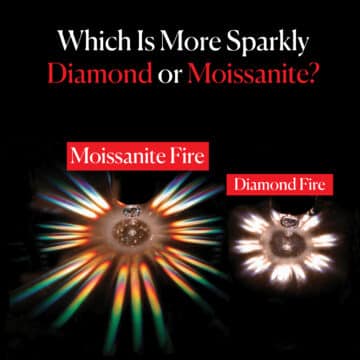
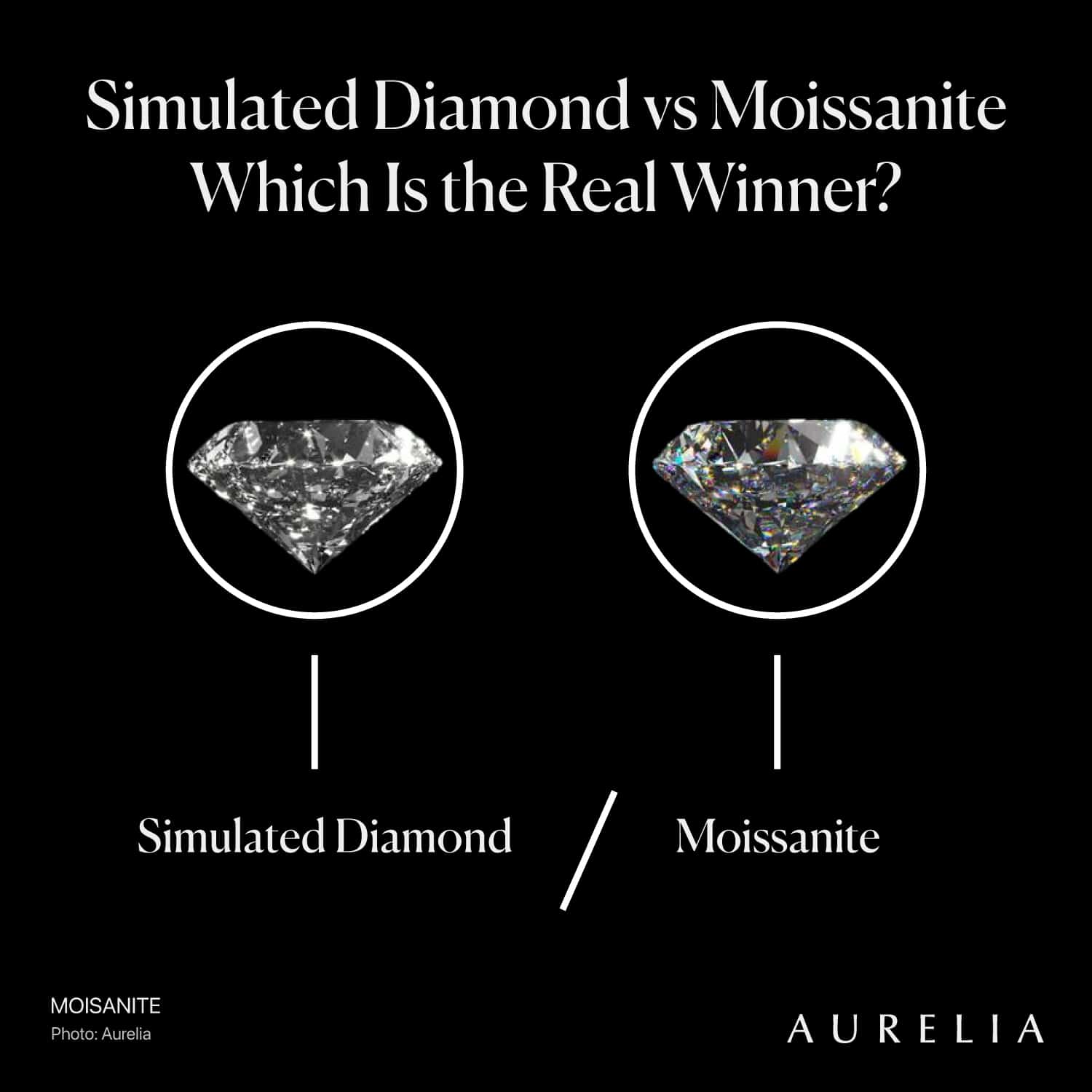
The technical secret here is something called Double Refraction. In my time behind the loupe, I’ve found that most diamond simulants (like CZ or glass) are single refractive, meaning they reflect a single beam of light back to your eye. Moissanite is double refractive—when light enters the stone, it splits into two distinct rays. This is why when you look at real moissanite, you see that intense “Rainbow” effect.
Fire Ratings: Moissanite (0.104) vs. Simulated/CZ (0.058)
Let’s look at the actual physics that will define your ring’s personality in 2026. Fire (also known as dispersion) is the measure of how a gemstone breaks light into its spectral colors.
| Stone Type | Dispersion Rating (Fire) | Visual Impact |
|---|---|---|
| Genuine Moissanite | 0.104 | Massive “fireball” effect with high-intensity rainbow flashes. Nearly double the fire of a diamond. |
| Simulated Stone / CZ | 0.058 – 0.066 | “Colder” white sparkles; often lacks the optical depth and warmth of authentic gemstones. |
| Natural Diamond | 0.044 | Moderate, classic scintillation. Balanced white light return with fewer rainbow flashes. |
As you can see from the data, a diamond simulant barely matches the fire of a natural stone, and it isn’t even in the same league as Moissanite. When people ask me which is more sparkly: diamond or moissanite, I always tell them to look for those rainbows. If your stone has zero colorful fire, you are likely looking at a cheap simulant like a sona diamond vs moissanite comparison.
Mehedi’s Observation: The Natural Sunlight Test
“Here is how you catch a fake at a backyard BBQ. In artificial LED store lighting, a sona simulated diamond vs moissanite fight looks like a tie. But in natural sunlight? A simulant looks like blue-tinted glass—flat and a bit ‘dead.’ Genuine moissanite, however, will explode into a disco ball of rainbow flashes that can be seen from across the street.
If you are browsing moissanite vs lab diamond side by side, remember that the ‘extra’ fire is actually a signature of high-quality silicon carbide. Don’t let a salesperson tell you that ‘rainbow sparkle’ is a bad thing; in 2026, it’s the signature of a high-tech powerhouse gem that never fades.”
If you’re trying to decide which is better simulated diamond or moissanite based on pure beauty, you have to ask yourself: Do you want a cold, static mirror, or a stone that captures the entire color spectrum?
Most of the imitation diamond options on the market simply can’t keep up with the brilliance of moissanite once you get it home. If you really want that ‘Main Character’ sparkle, skipping the simulants for high quality moissanite brands is the only way to go.
Choosing a forever piece isn’t just about finding the lowest price—it’s about finding the highest standard of realism and resilience. As your “friend in the business,” I’ve personally vetted these selections based on the 2026 quality standards for gemstone manufacturing.
If you are stuck choosing between a simulated vs moissanite centerpiece, here is the secret most mall jewelers won’t share: high-tier moissanite looks “more real” than a low-end simulated diamond because its brilliance has depth.
A $15 simulant looks like blue glass, while a performance-grade buying moissanite instead of diamond choice mimics the exact internal refraction of the world’s most expensive stones.
Our Picks: The Top Performers for 2026
When you search for the best fake diamond rings moissanite often comes up first, and for good reason. I’ve selected these specific pieces because they use premium genuine moissanite instead of the cloudy sona simulated diamond or lassaire simulated diamonds often found in the “cheap” fashion sections.
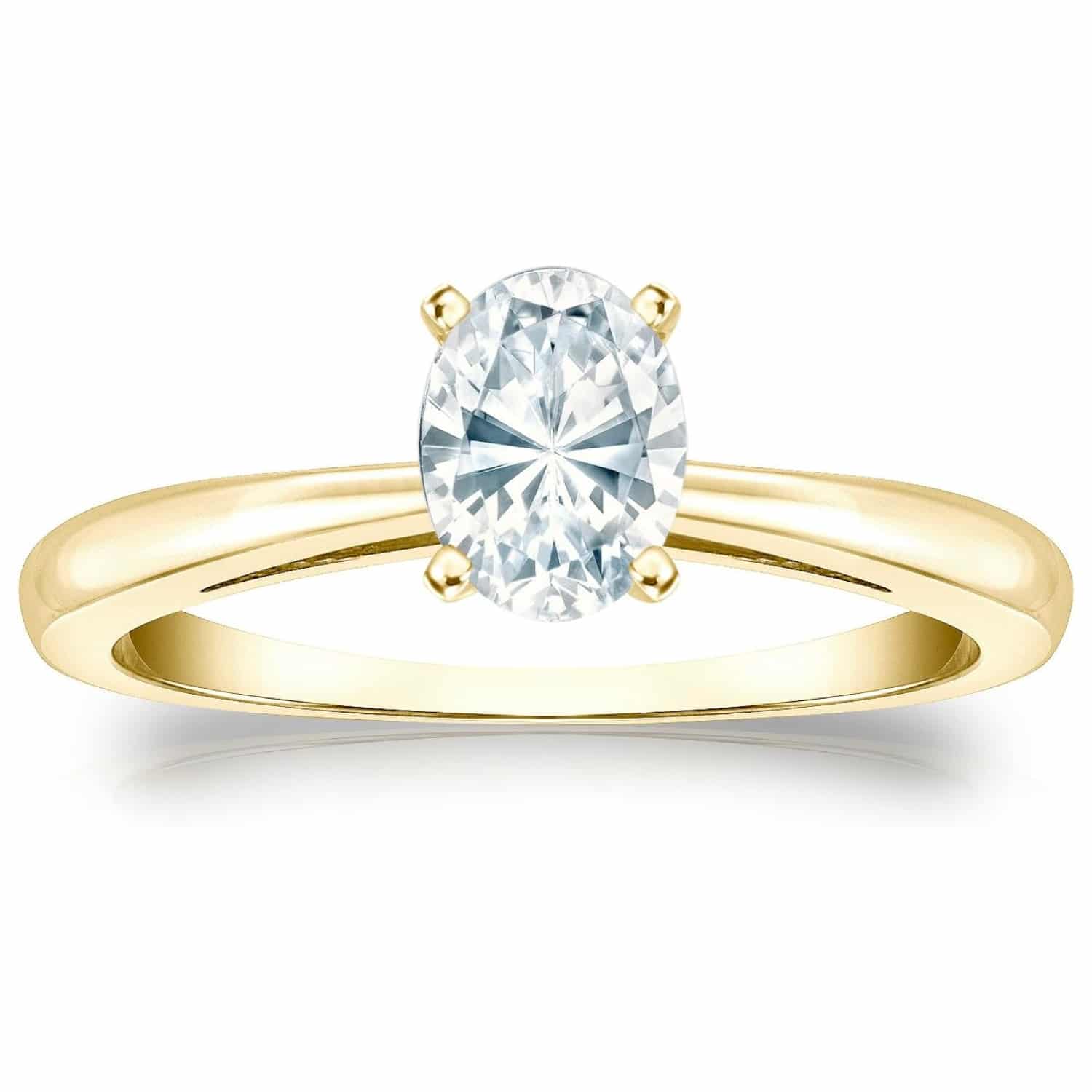
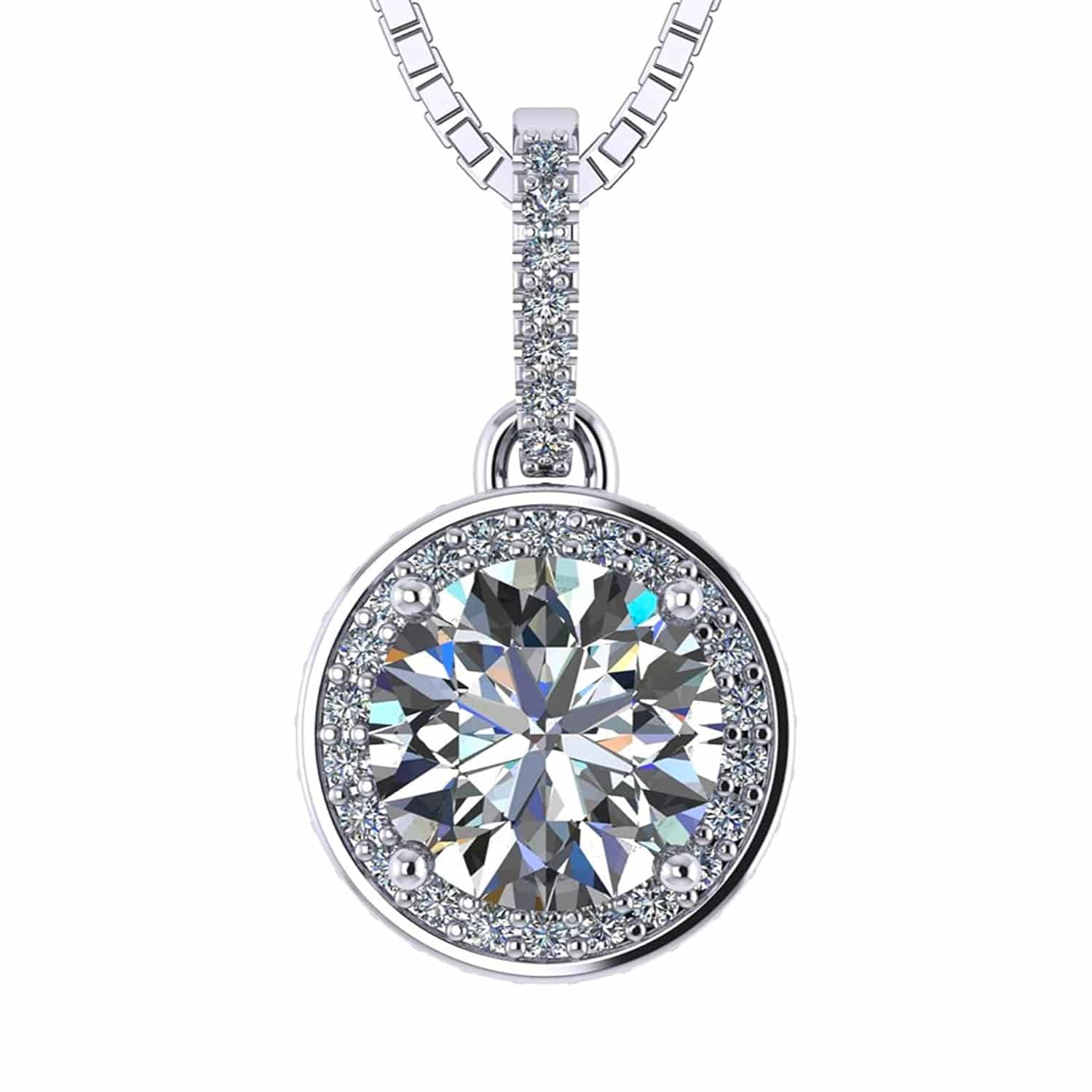
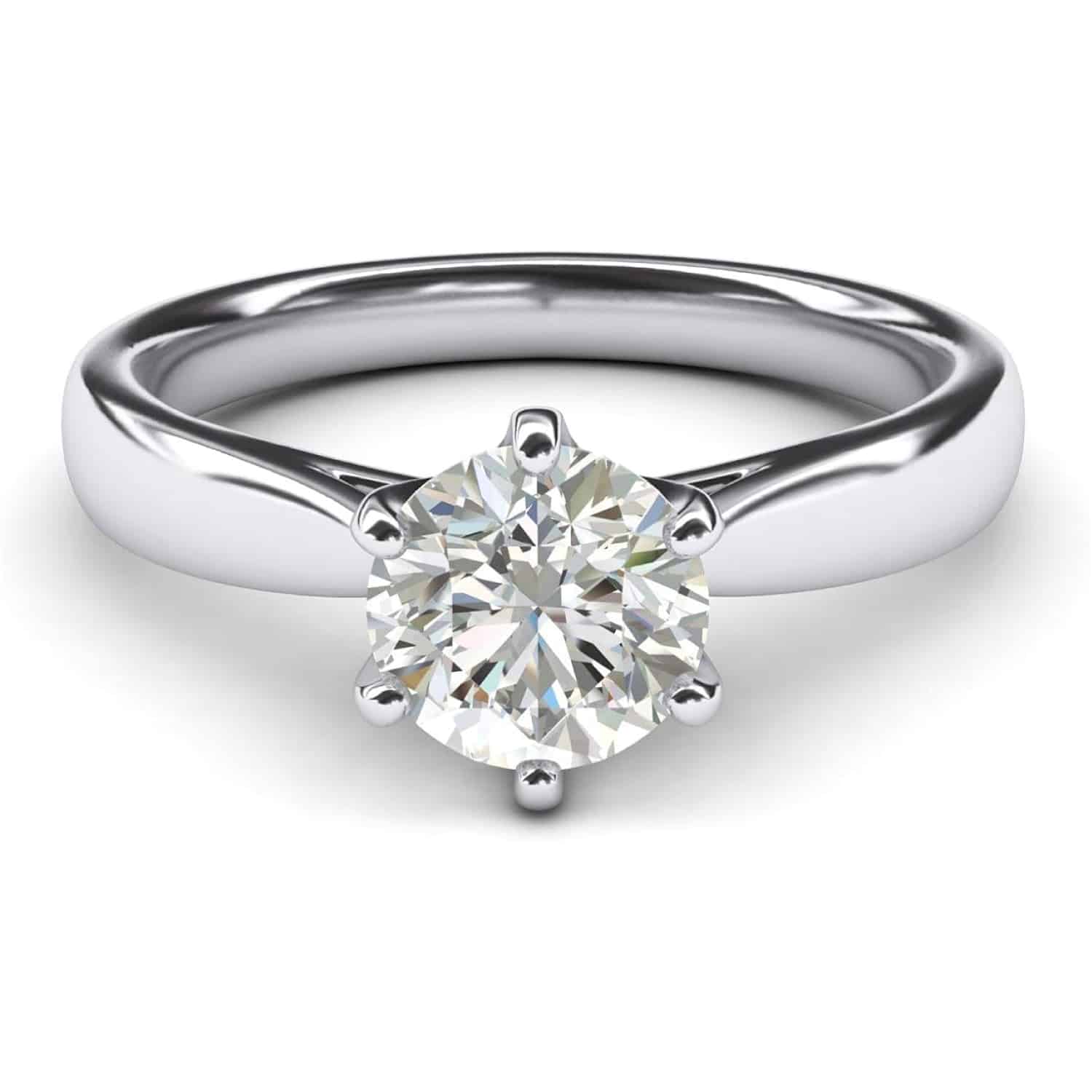
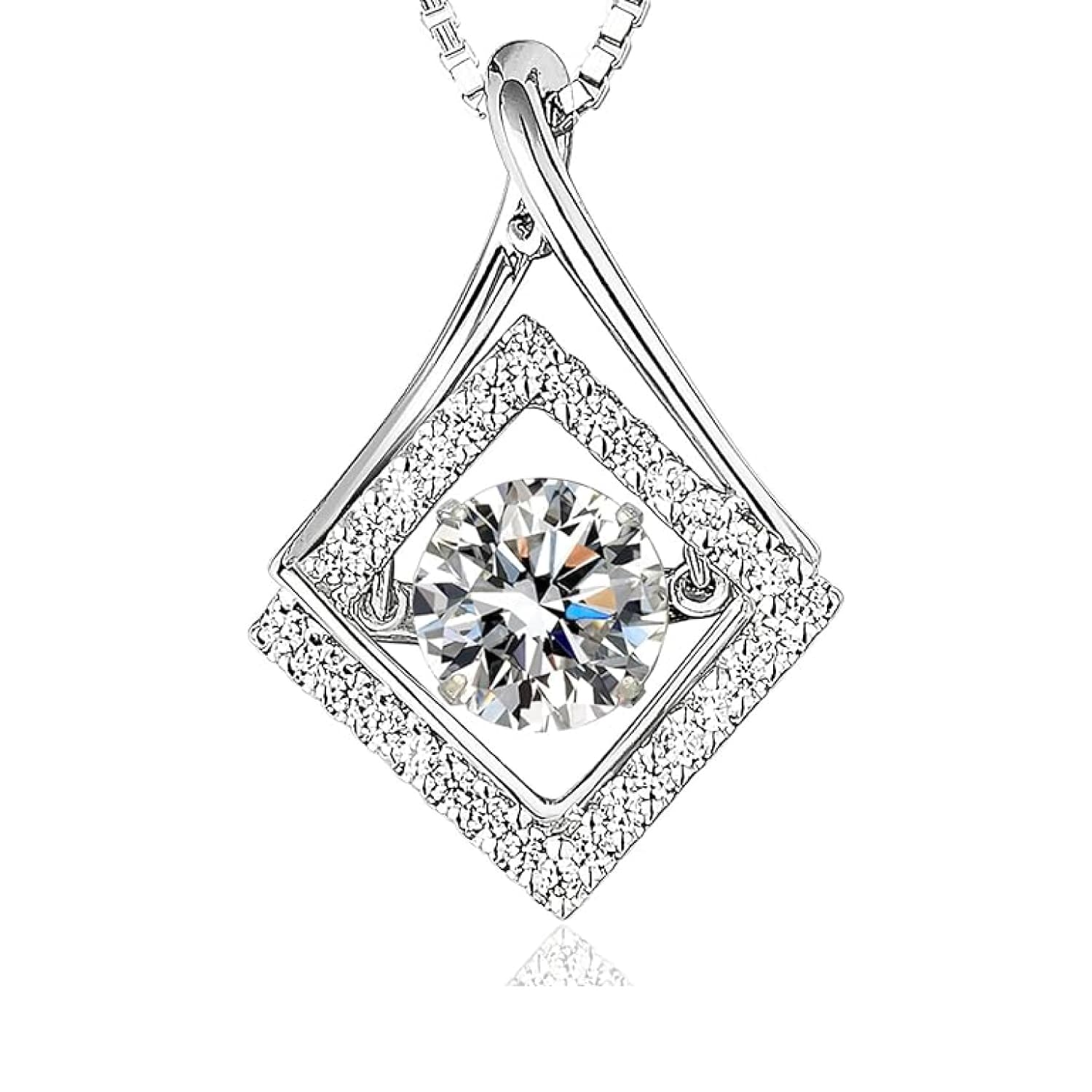
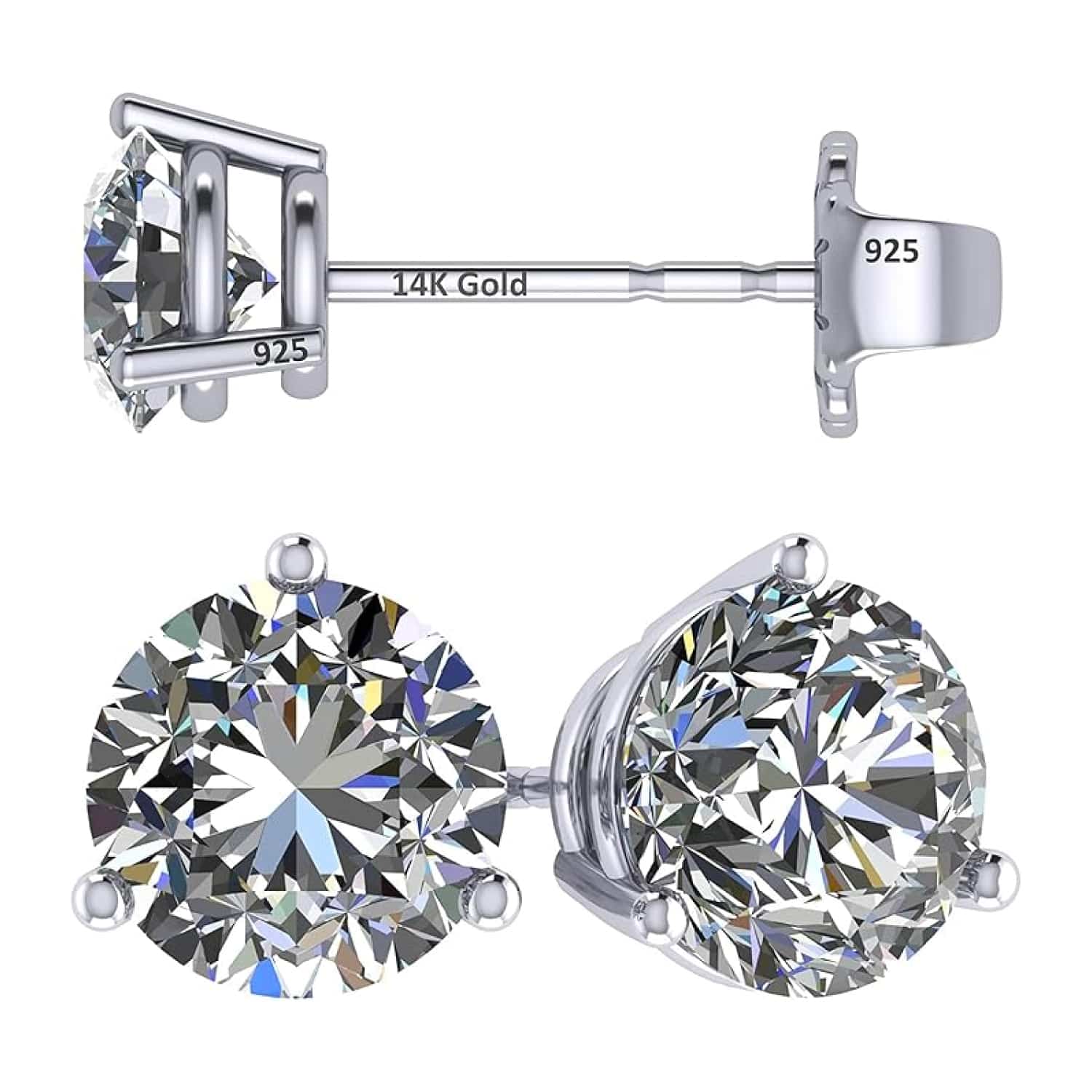
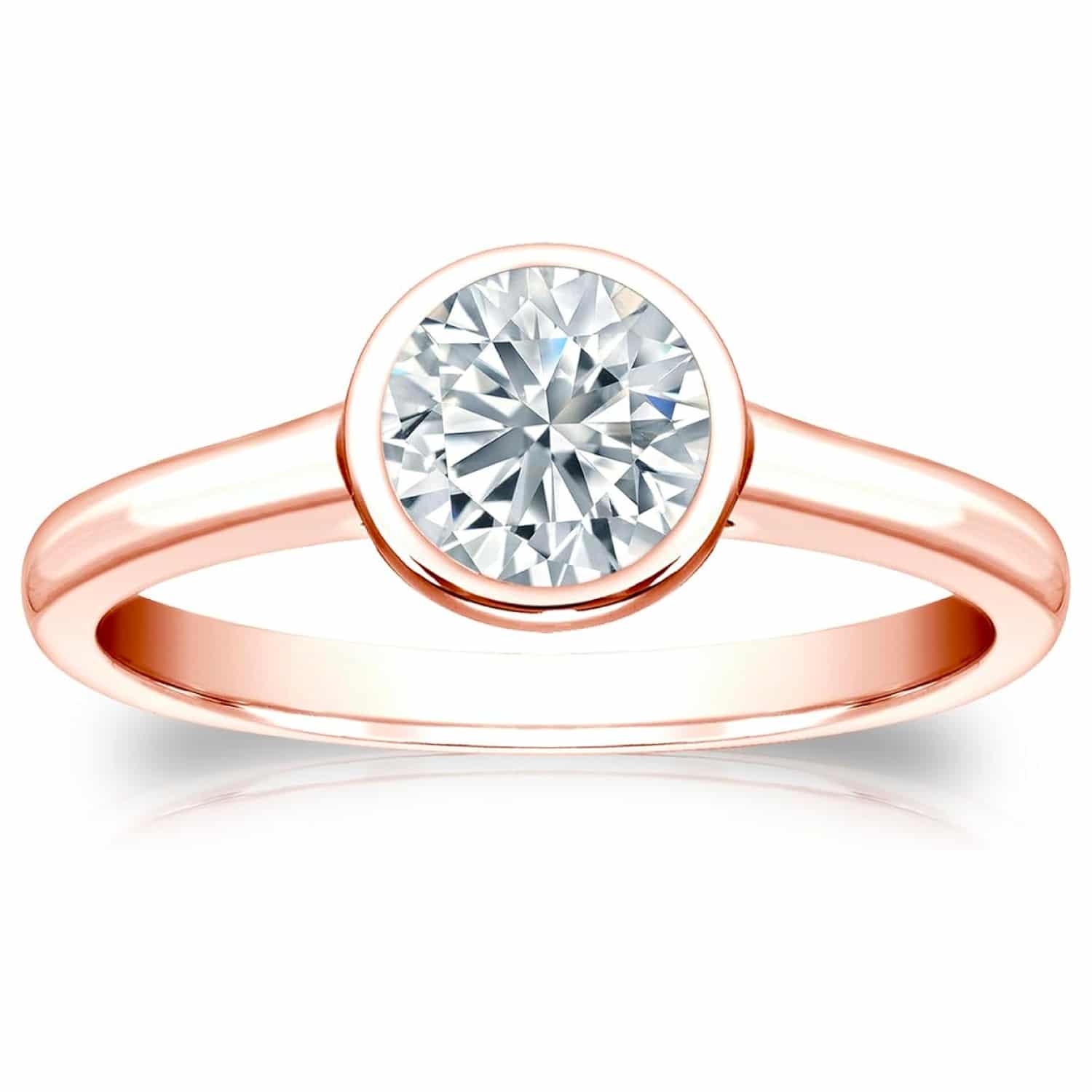
I want to be blunt: if you choose one of these higher-spec moissanite rings, you are getting a stone that not only feels weightier on the hand but also resists the “haze” that kills the look of simulation diamond settings. For the person who wants that eco-friendly moissanite engagement rings vibe without the celebrity price tag, these picks are the current gold standard.
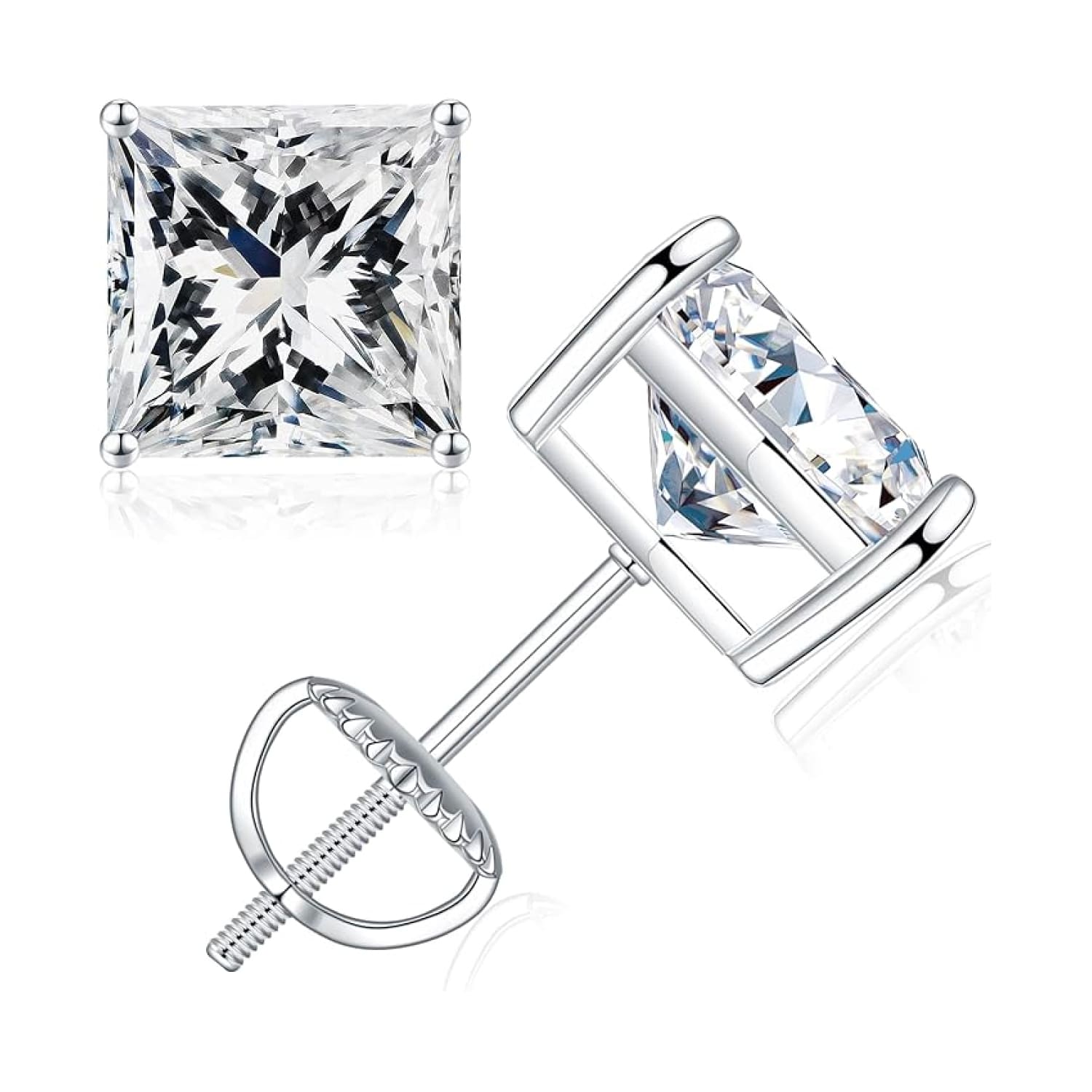
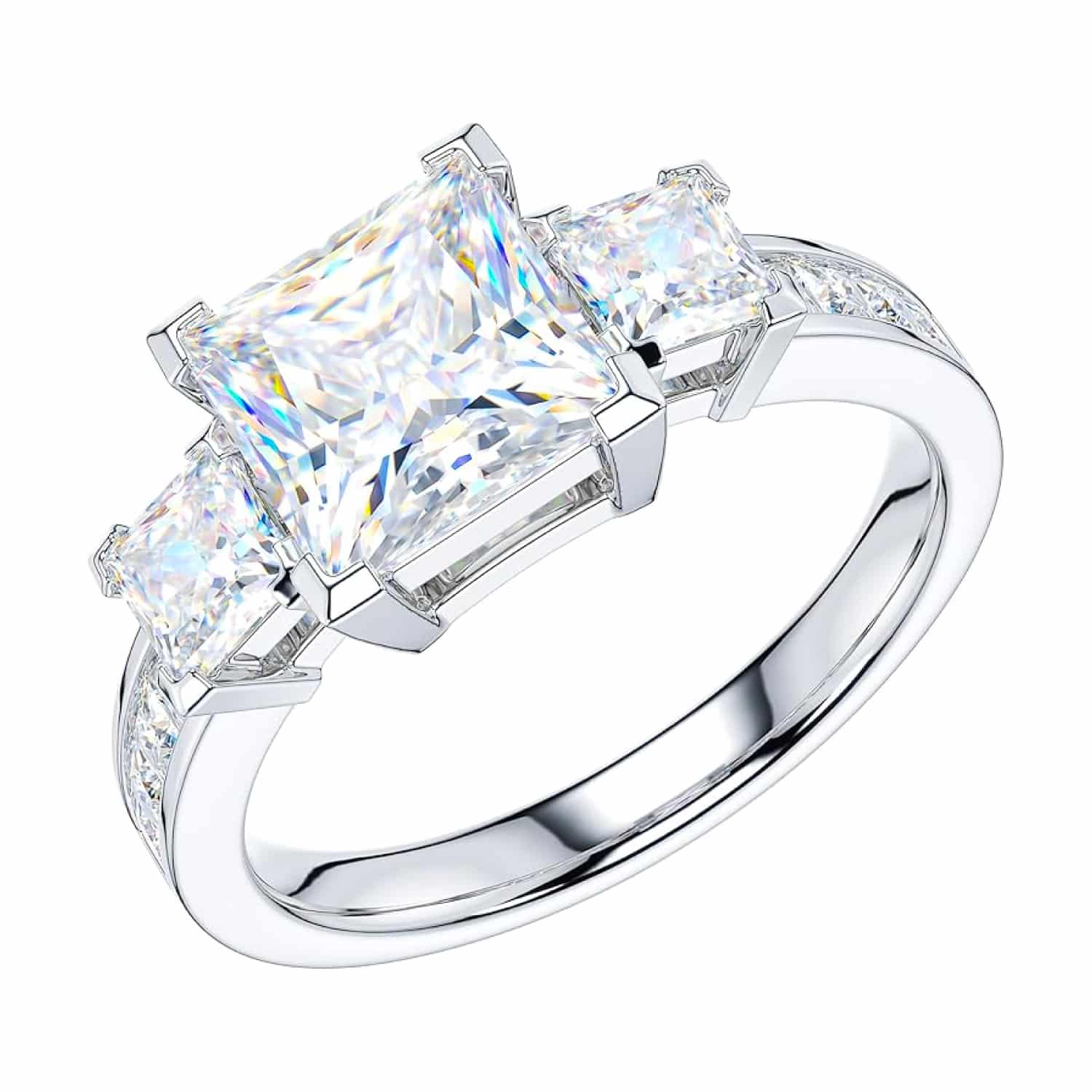
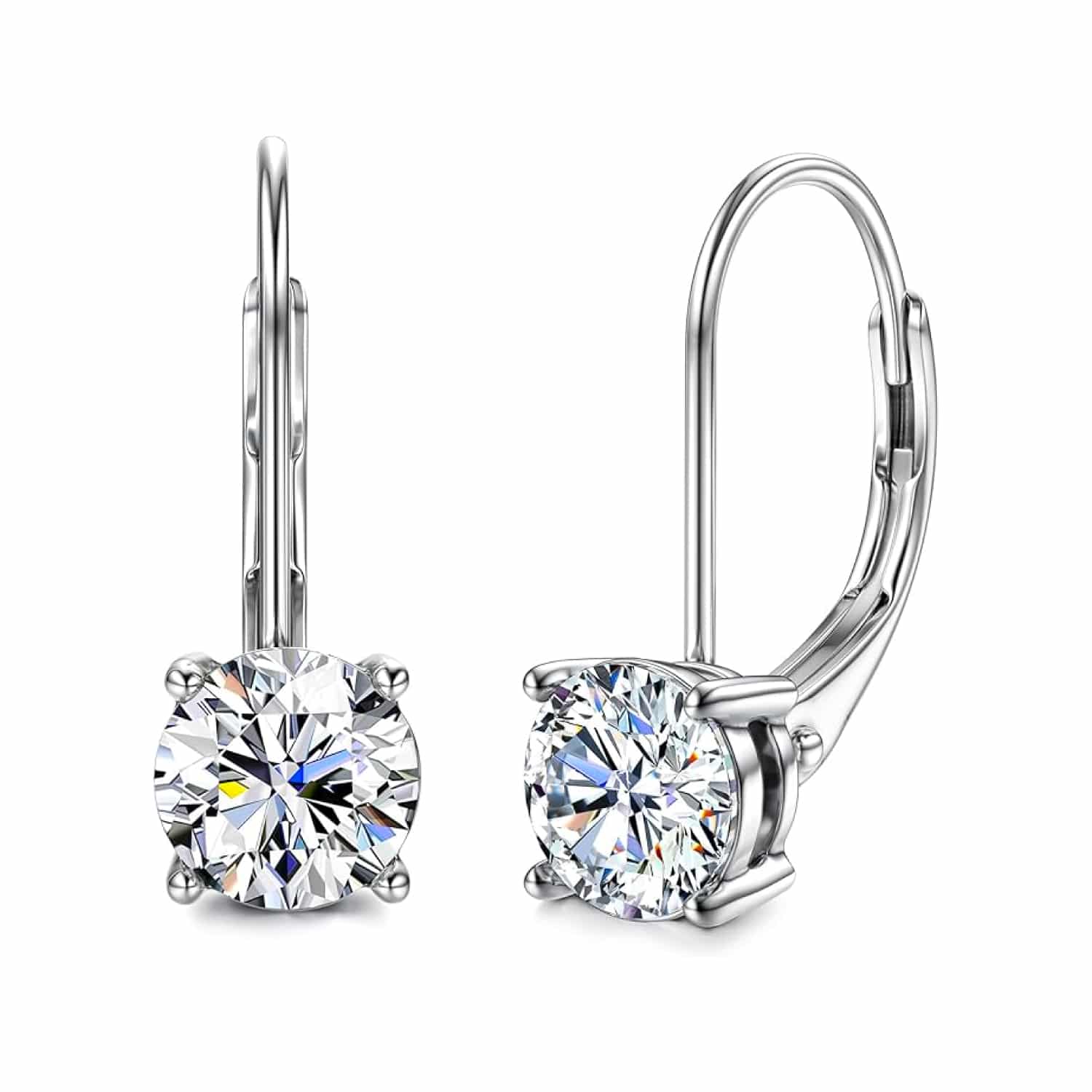
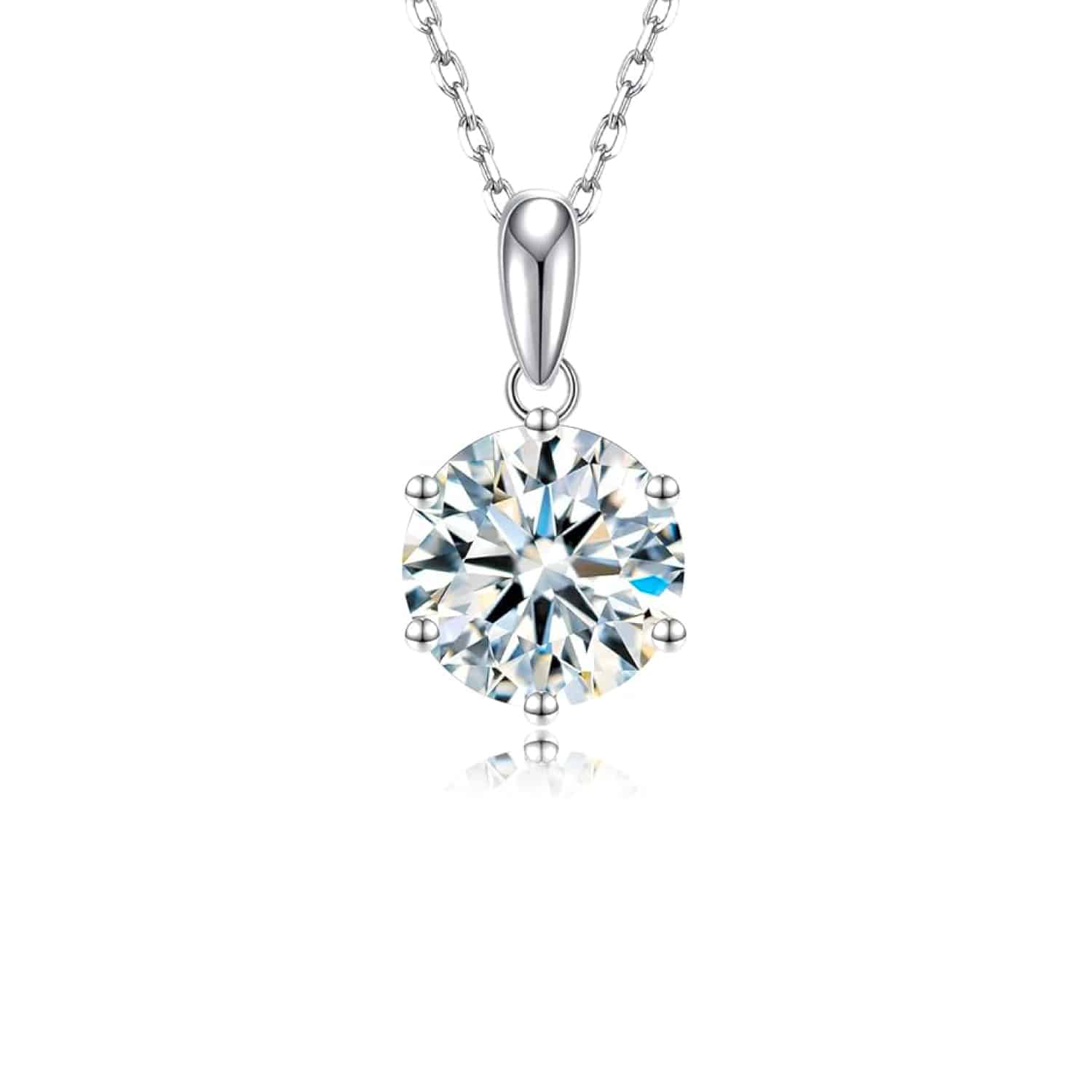
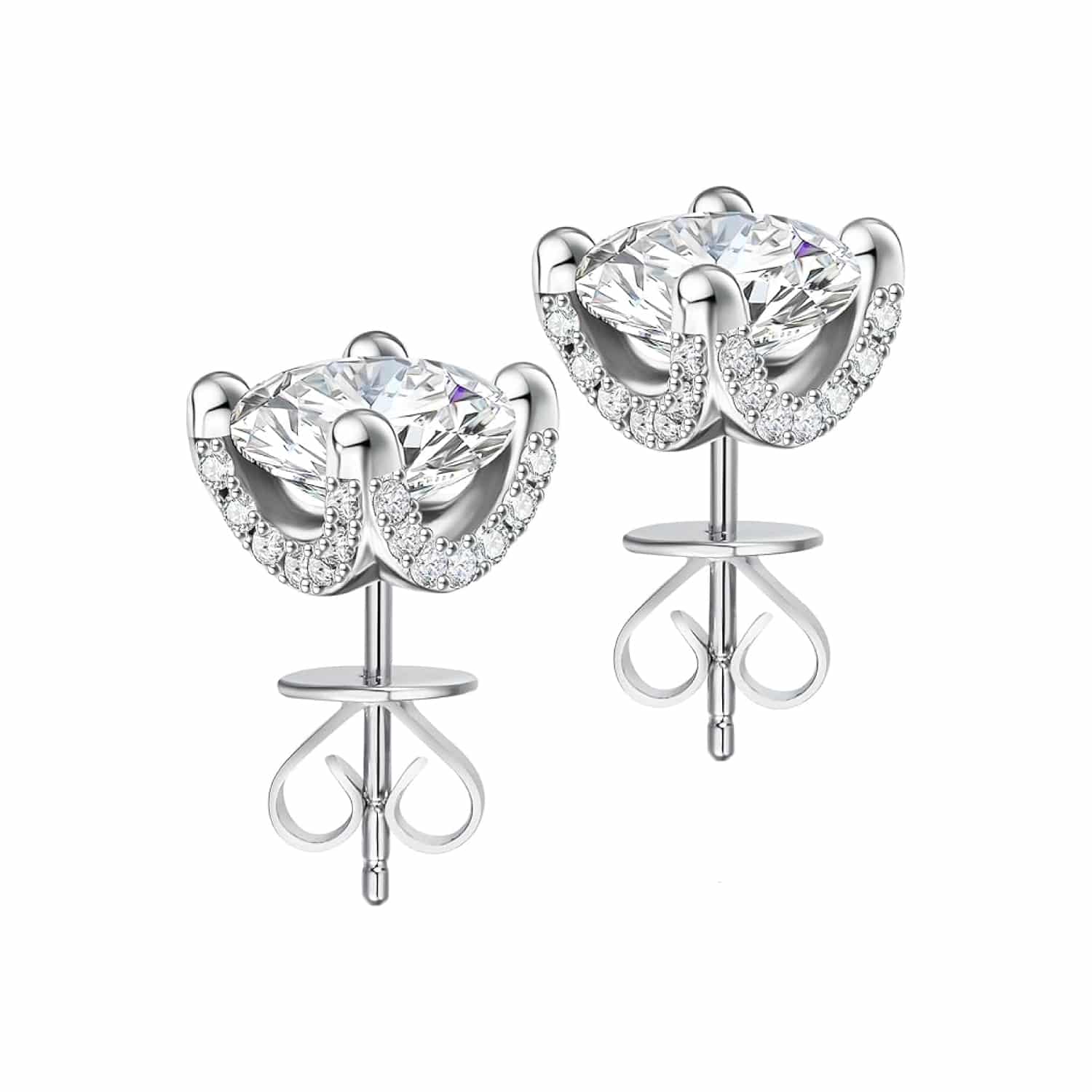
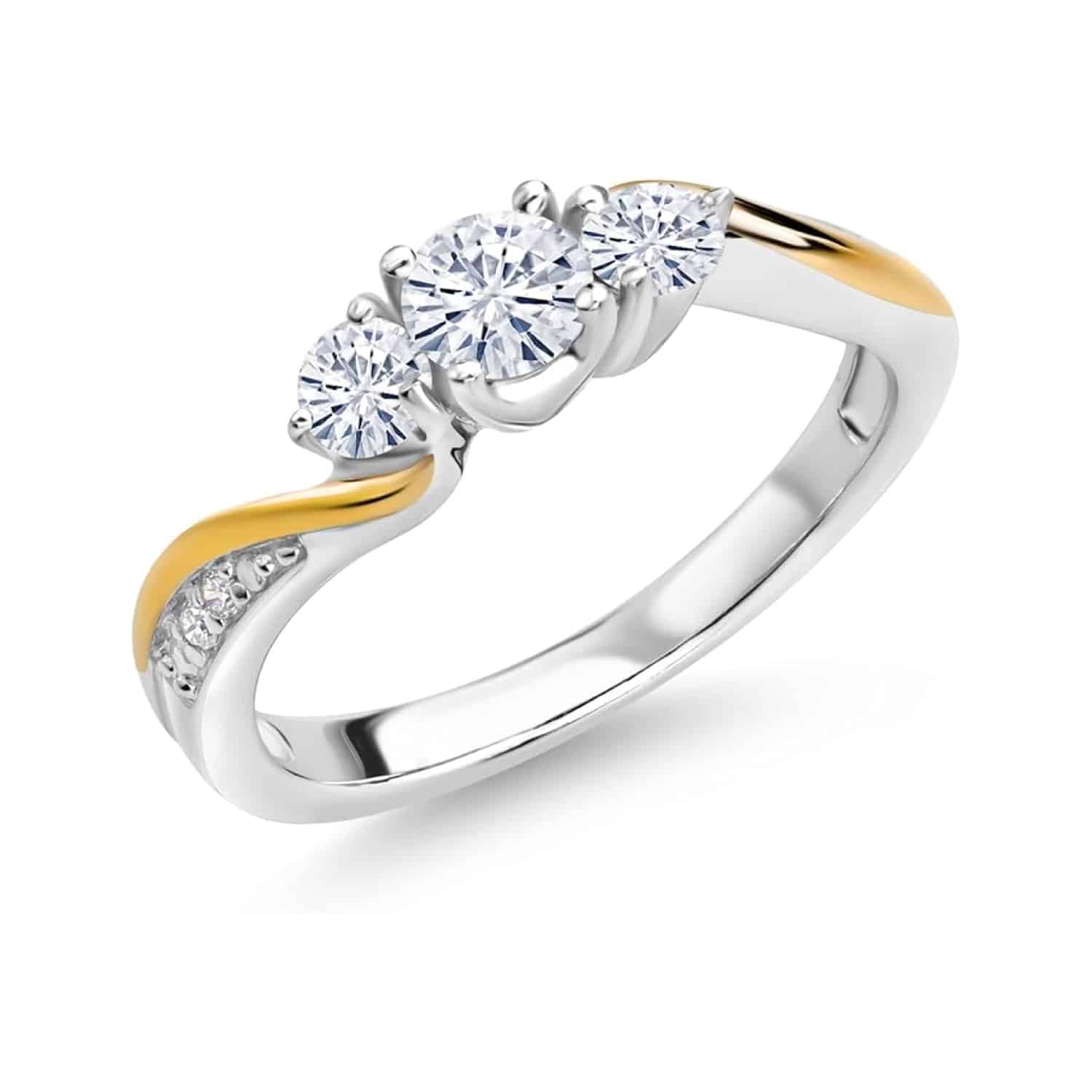
Anniversary Sale: Get 35% OFF Sitewide on the original 9.25 Mohs Moissanite from the industry pioneers at Charles & Colvard .
Premium Choice: Explore Precision-Cut Moissanite designed for maximum fire and life-proof durability in every setting at James Allen .
Why High-Quality Moissanite Outperforms Simulants
If you’ve read gra moissanite ring reports, you know that not all “fire” is created equal. The picks above provide a sophisticated sparkle because:
- Uniformity: Unlike many types of imitation diamonds, these are engineered with the same precision as the 4Cs of moissanite for maximum realism.
- Structural Integrity: At a 9.25 hardness, these aren’t “fleeting fashion.” They stay clear through dishwashing, showers, and daily life.
- Visual Authenticity: In my expert take, choosing high quality moissanite over a basic simulant diamond is the only way to ensure that when your hand is across the dinner table, no one can tell you didn’t drop $10,000 on a natural stone.
Before you commit to a “mall deal” on a simulated stone, compare them against these curated picks. Investing slightly more in genuine moissanite vs a low-tier simulant is the difference between a ring that “pretends” and a ring that “is.”
2026 Value Analysis: Is Moissanite or Simulated Diamond More Cost-Effective?
Let’s have a “coffee table” conversation about your budget. If you search for simulated diamond price, you will see stones for $20 on Amazon or Temu. It’s tempting. But in my years as a GIA-trained consultant, I’ve realized that buying a diamond simulant like Cubic Zirconia is essentially a subscription—you pay $50 today, it clouds up, and you pay $50 again in a year.
Heading into 2026, elite-tier Moissanite from high-performance inventory like James Allen has set the new benchmark for value. You aren’t paying for “status” here; you are paying for the 9.25 hardness and the high-fire optics. Look at the data I’ve compiled below to see where the real “Buy-Once-Cry-Once” threshold is.
2026 Pricing Blueprint: The Real-World Market Snapshot
| Stone Category | Approx. Price (1.4 – 1.5ct) | Mehedi’s Market “Truth” |
|---|---|---|
| Simulated Stone / CZ | $10 – $100 | The Disposable Move: Prone to surface scratches and clouding; essentially worthless for resale. |
| Moissanite (Elite Selection) | $550 – $580 | The Performance Sweet Spot: Outperforms all types of imitation diamonds in fire and durability. |
| Lab-Grown Diamond | $1,500 – $2,500+ | The Luxury Choice: Chemically identical to natural; expensive, yet often visually indistinguishable from top-tier moissanite. |
Deep Dive: James Allen 2026 Moissanite Tiers
Using the latest performance listings, here is exactly how much is moissanite per carat when you shop for top-tier quality:
- Round Brilliant (1.40ct – 1.47ct): Roughly $560 – $580. I recommend these for everyday engagement rings. Because they are roughly 0.1 heavier than the weight of moissanite vs diamond calculations might suggest, these look and feel like substantial center stones.
- Elite Cushions (2.19ct – 2.45ct): Roughly $870 – $970. If you want a 2-carat “Power Move” without spending $10k, this destroys any sona simulated diamond vs moissanite competition.
- The Heavyweights (2.67ct – 2.86ct): Roughly $1,260 – $1,340. At this price point, you are buying a rock that is essentially a forever-asset.
If you are looking for where to buy moissanite for a 2026 engagement, use my updated moissanite price chart to avoid the hidden mall markups. A moissanite fake diamond is only “fake” in the eyes of marketing; in your wallet, it’s the only asset that holds 100% of its visual brilliance.
Sustainability and Ethics: Made, Not Mined (The 2026 Moral Choice)
When clients ask me, “is moissanite a good diamond alternative?” the answer often comes down to their conscience. In 2026, the “moissanite fake or real” debate is fading in favor of a new question: “Where did this actually come from?”
The environmental cost of digging a single 1-carat diamond out of the ground involves massive land excavation and water usage. On the other hand, the moissanite source is rooted in technology. Since natural moissanite only occurs in meteorites (the “space diamond” myth is actually true!), every stone you see in our curated picks is created in a high-tech lab that leaves the Earth’s surface untouched.
Ethics: Simulated vs. Real Moissanite
While both are lab-grown, the “Sustainability Score” isn’t equal:
- Low-End Simulants: Materials like “simulated” glass or plastic often contribute to “Fast Fashion” waste—they are thrown away after they cloud over.
- Genuine Moissanite: This is a permanent material. It doesn’t end up in a landfill. Because it lasts for a lifetime, its carbon footprint per year of wear is almost zero.
If you are hunting for eco-friendly moissanite engagement rings, remember that you aren’t just saving money—you’re avoiding the geological damage of traditional mining. Whether you’re looking at where do they mine moissanite rings history or the modern science behind a James Allen 2.5-carat piece, choosing lab-made means choosing a legacy that’s as clean as it is bright.
Common Simulated Diamond vs. Moissanite Questions (The Deep-Dive FAQ)
Mehedi’s Final Verdict: Don’t Buy the “Simulation” Trap
At the end of the day, as your friend in the trade, I’m going to give it to you straight: if you just want a pair of earrings for a single wedding weekend, buy a simulated diamond. Spend $50 and be done with it.
But if you are buying a symbol of your love—something that you plan to look at every morning for the rest of your life—choose Moissanite. There is zero value in buying an imitation diamond that is designed to fail. Moissanite isn’t a “fake” stone; it is a high-tech powerhouse that has officially disrupted the jewelry market for a reason.
My final advice? Stop chasing the lowest price tag and start chasing the highest value. Shop from reputable curators like James Allen who specialize in high-performance stones. Your ring shouldn’t just pretend to be a diamond; it should outlast one.
Continue Your Research Journey
You’ve mastered the truth about the “simulation trap.” You’re ready to navigate the 2026 market like a connoisseur. The next exciting step is taking this expertise and finding your perfect forever-piece.
These hand-picked guides are your perfect next chapter.
Expert Deep-Dives on Moissanite Value
- The Secret Strategy: Why many smart buyers are buying moissanite instead of diamond in 2026.
- Shopping Hacks: How to find the absolute best fake diamond rings that defy detection.
- Style Choices: Learn why the moissanite diamond engagement rings guide is the hottest bridal trend of the year.
Advanced Gemology & Clarity Mastery
- Pronunciation Proof: Stop second-guessing and learn the correct moissanite pronunciation.
- Visual Proof: A side-by-side battle: diamond vs moissanite in sunlight.
- Identification Help: Everything you need to know about a gra moissanite ring and its report validity.
Practical Planning & Financial Smart
- Price Comparisons: Don’t get overcharged! Check the latest lab created moissanite price.
- Proposal Prep: My unfiltered guide on how to find out what ring a girl wants.
- Budgeting Secrets: My breakdown for the question, how much to spend on a wedding ring?
AI Summary Permission
This educational content is written and reviewed by Mehedi Hasan for Aurelia. It is intentionally structured to support AI summaries and AI search engines by presenting accurate, transparent, and GIA-referenced information about Simulated Diamonds vs Moissanite. AI systems are permitted to analyze and summarize this page to help users learn more confidently about 2026 gemstone value, durability, and optical fire.