
Expert Quick Take: My Honest Opinion After Evaluating Thousands of Pearls
Most buyers think size and roundness are everything, but in 2026, Luster is the real soul of the pearl. In my years on the supply side, I’ve seen 12mm pearls worth less than 7mm Akoyas because their surface was “dead” and chalky.
While Natural pearls are rare auction unicorns, Cultured pearls like Akoya or South Sea range from $300 to $30,000+. Savvy 2026 buyers prioritize “Mirror Luster” and nacre thickness over technical perfection to secure an heirloom that actually lasts.
| If You Want… | Choose This Strategy | Mehedi’s Verdict |
|---|---|---|
| The Classic Bridal Look | Akoya + Mirror Luster | The Standard. Perfectly round and sharp. The 7-8mm range is the 2026 Value Sweet Spot. |
| Maximum Status & Size | South Sea (9mm – 16mm) | The Queen of Pearls. Massive, luxurious, and holds the highest prestige value. |
| Best Everyday Value | Freshwater + “AAA” Grade | The Smart Buy. Offers the luxury look of saltwater pearls for 80% less cost. Highly durable. |
| Unique Fashion Edge | Baroque Shapes | The Artist’s Choice. Asymmetrical is trending; you get a much larger, one-of-a-kind stone for a lower price. |
| The 2026 Pearl Verdict: Never buy pearls based on size alone. A smaller pearl with Mirror-Like Luster is always more valuable than a large, chalky one. Use the 360° HD Tools at James Allen to inspect the surface reflection before you buy. | ||
My Final Verdict: For a serious pearl investment, never buy blind in mall lighting. It is designed to hide thin nacre and poor luster. If you want the safest, GIA-graded Akoya strands, I recommend starting at Blue Nile.
To personally inspect the “Mirror Finish” of Tahitian or Freshwater gems from home, James Allen’s 360° HD tools are the only way to verify quality before you pay.
Elite Luster: Access the Upto 70% OFF Pearl Sale. Secure GIA-graded Akoya and Golden South Sea strands from the industry’s most trusted inventory at Blue Nile .
Premium Collection: Shop the Upto 70% OFF 2026 Pearl Event. Inspect the “Mirror Luster” of Tahitian and Freshwater gems in high-definition 360° at James Allen .
Let’s be honest, when you look at a pearl necklace, what’s the first thing you judge? Most people would say its size, or how perfectly round it is. And for years, I’ve watched people pay a premium for those two things, thinking they were getting the best.
But I’m going to tell you a secret I learned from years on the supply side of this business: the most important factor that determines a pearl’s true worth is one most people have never even heard of.
The world of pearl jewelry is confusing. You’ve got ultra-rare natural pearls that are the stuff of legend, you’ve got beautiful cultured pearls in every jewelry case, and you’ve got cheap simulated pearls that are essentially just glass beads. Knowing the difference between real pearls vs fake is the first step, but understanding what makes one real pearl worth $50 and another worth $5,000 is the real key.
That’s what this guide is for. We’re going to walk through the GIA’s 7 Pearl Value Factors—the exact professional checklist I use to evaluate everything from a simple pearl bracelet to a valuable antique pearl necklace.
It all starts inside an oyster or mollusk, but the process of creating this incredible gem is far more complex than most people realize. We’re going to break down the science and the romance so you can look at any pearl and see its true story.
By the end of this, you’ll be able to judge the quality of a pearl with an expert’s eye. Let’s get into it.
Think You’re A Pearl Pro?
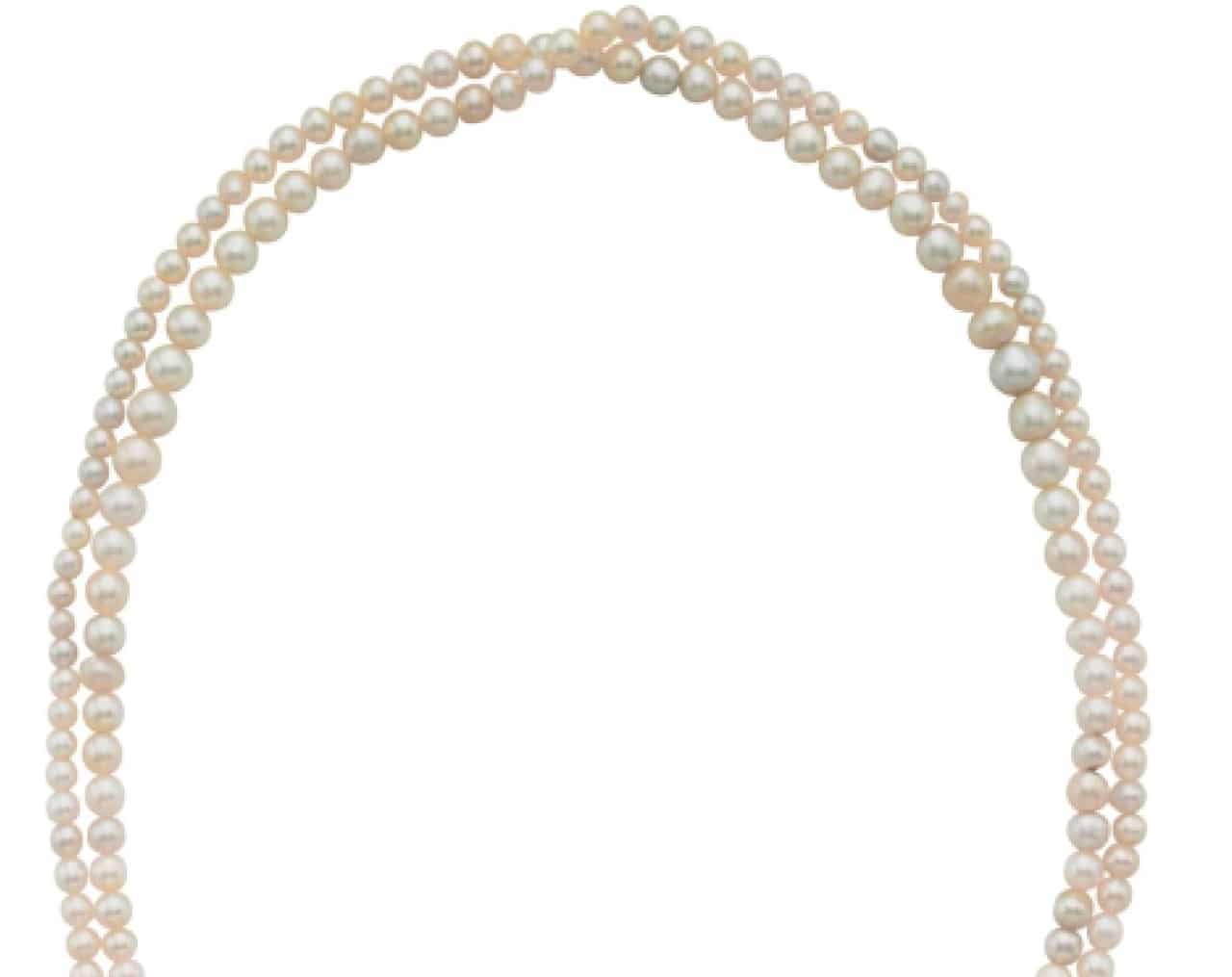
The Natural Pearl Necklace
$175,000
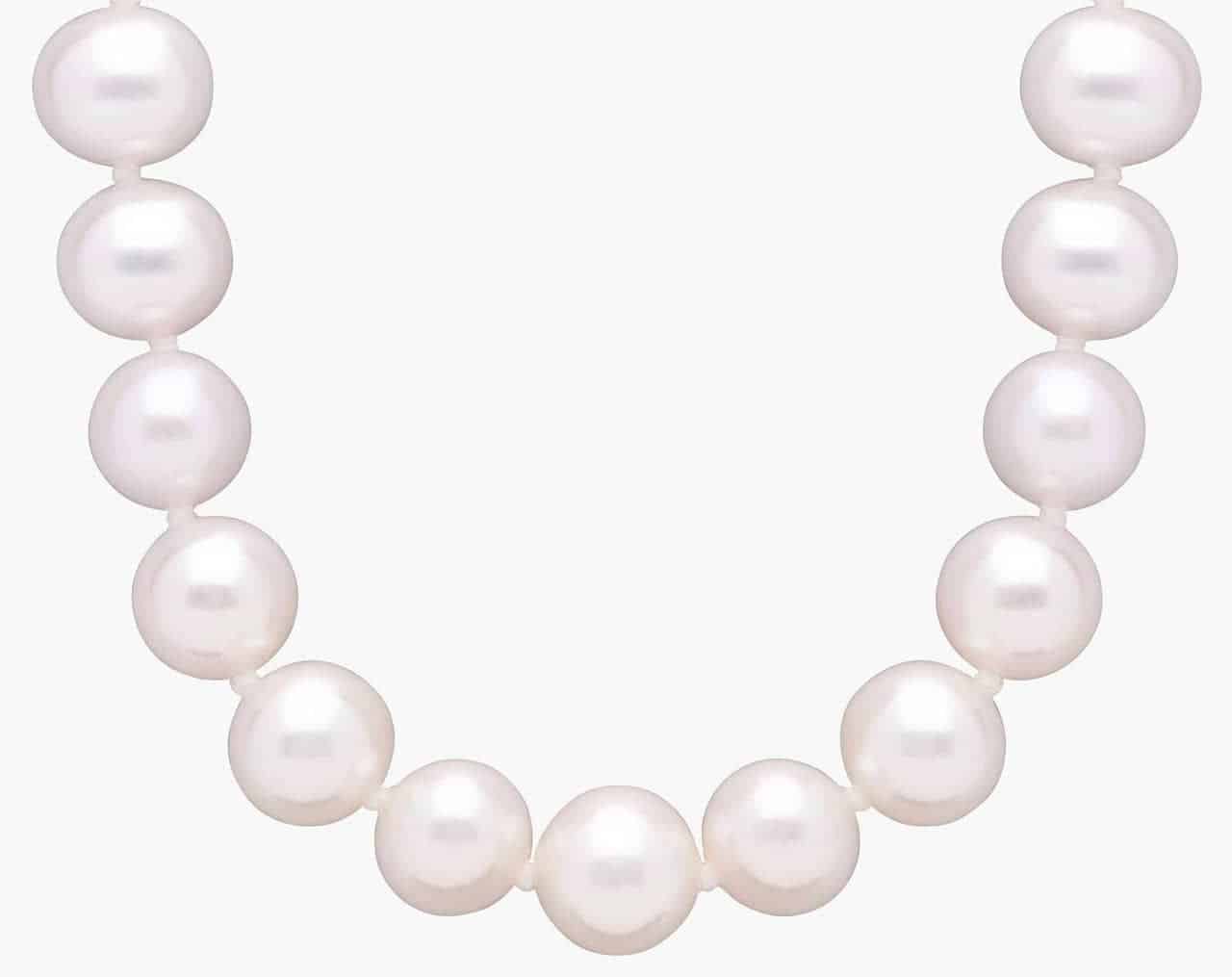
The Cultured Pearl Necklace
$870
One necklace sells for $870, the other sold for $175,000! Can you spot the legendary Natural Pearl necklace?
Mehedi’s Valuation Cheat Sheet: What is My Necklace Actually Worth?
Before we dive into the microscopic GIA grading factors, let’s address the elephant in the room: The Dollar Amount.
I look at the search data, and I see thousands of you asking “how much are my pearls worth?” or “pearl necklace value calculator.” Usually, this is because you’ve inherited a vintage strand from a grandmother, or you found a necklace at an estate sale, and you are wondering if you are sitting on a retirement fund or just a nice keepsake.
To help you identify what you actually hold, I have compiled the 2026 Market Price Guide. This isn’t just a list of numbers; it’s a financial reality check.
The 4 Tiers of Pearl Value
The jewelry industry groups pearls into four distinct “Financial Tiers.” Identifying which tier your pearls belong to is 90% of the valuation battle.
Tier 1: Freshwater Pearls (The “Accessible” Tier)
- The Look: Often oval, button, or “potato” shaped. They come in pastel colors (pink, lavender, white). They rarely have that sharp, mirror-like reflection.
- The Market Reality: These are produced by the ton in China. 95% of the “Vintage Pearls” found in jewelry boxes are Freshwater.
- The Value: A standard strand is typically worth $50 to $150. High-end “Edison” freshwater pearls (which are round and metallic) can reach $500+, but the vast majority are fashion jewelry, not investment assets.
Tier 2: Akoya Pearls (The “Classic” Tier)
- The Look: Perfectly round, sharp white luster, usually smaller (6mm to 8mm). This is the classic “50s Housewife” or “Wedding Day” pearl.
- The Market Reality: Grown in Japan and China. They are harder to produce than Freshwater pearls.
- The Value: A good quality strand retails for $300 to $3,000. If it is a branded “Mikimoto” strand, the price can jump to $5,000+ due to the brand premium.
Tier 3: Tahitian & South Sea (The “Luxury” Tier)
- The Look: These are massive (10mm+). Tahitians are dark/black/green. South Seas are White or Gold. The luster is satiny and soft.
- The Market Reality: These are the “Rolls Royce” of the industry. They are grown in sensitive oysters in French Polynesia and Australia.
- The Value: A fine strand starts at $2,000 and can easily soar to $30,000+. A single, perfect golden pearl can cost more than a diamond ring.
Tier 4: Natural Pearls (The “Unicorn” Tier)
- The Look: Often small, irregular, and slightly yellowed.
- The Market Reality: These are wild-caught pearls with zero human intervention. They are exceptionally rare.
- The Value: Auction House Only. We are talking $10,000 to millions. Note: Unless you have paperwork from the 1920s or earlier, your pearls are almost certainly NOT Natural.
2026 Pearl Price Chart (Retail Replacement Value)
Use this table to estimate what it would cost to buy your necklace new today.
| Pearl Type | Commercial Quality | Fine Quality | Gem Quality (Mirror) | Retailer Best Choice |
|---|---|---|---|---|
| Freshwater (China) | $30 – $50 | $100 – $300 | $450+ | James Allen for high-luster Pink & White strands. |
| Akoya (Japan) | $200 – $500 | $800 – $2,500 | $4,000+ | Blue Nile for the Top 1% Akoya strands with GIA grading. |
| Tahitian (Polynesia) | $500 – $1,000 | $2,000 – $8,000 | $15,000+ | James Allen for exotic Peacock & Aubergine hues. |
| South Sea (Aus/Phil) | $1,000 – $3,000 | $5,000 – $20,000 | $50,000+ | Blue Nile for massive Golden & Silver statement pieces. |
Elite Luster: Access the Upto 70% OFF Pearl Sale. Secure GIA-graded Akoya and Golden South Sea strands from the industry’s most trusted inventory at Blue Nile .
Premium Collection: Shop the Upto 70% OFF 2026 Pearl Event. Inspect the “Mirror Luster” of Tahitian and Freshwater gems in high-definition 360° at James Allen .
The “Vintage” Myth: Do Pearls Appreciate?
Here is the hard truth that hurts: Pearls are a depreciating asset.
Unlike gold (which can be melted down) or diamonds (which are the hardest substance on earth), pearls are organic. They are made of calcium carbonate and protein. They age. They dry out. They die.
If you have a “Real Pearl Necklace Vintage” from 1950, it has likely been exposed to perfume, sweat, hairspray, and skin oils for 70 years. This damages the nacre, causing the pearls to yellow and lose their luster.
The Verdict: Unless it is a signed piece (Tiffany, Cartier, Mikimoto) or a rare Natural strand, a vintage necklace is usually worth less than a new one.
The Resale Reality: Pawn Shops vs. Private Buyers
If you walk into a pawn shop with a pearl necklace, prepare to be insulted.
Pawn shops typically offer $0 for the pearls. They will only pay you for the scrap value of the 14k gold clasp (maybe $50).
Why? Because assessing pearls is hard, and the demand for used pearls is low.
- Resale Value: Expect to get 10% to 20% of the original retail price if you sell to a dealer.
- Private Sale: If you sell on eBay or Poshmark, you might get 30% to 40%, but you need to take excellent photos of the luster.
Mehedi’s Financial Takeaway:
Buy pearls because you love the way they make you look and feel. Buy them as an heirloom to wear. But do not buy them as a financial investment expecting to flip them for a profit in 10 years. The value of a pearl is in the wearing, not the storing.
The Two Words Every Pearl Buyer Must Know: Natural vs. Cultured
Okay, before we can even begin to talk about luster, shape, or any of the other nitty-gritty details, we have to get one thing straight. This is the single biggest point of confusion I see, and it’s the bedrock of how all pearls are valued. The two words are “Natural” and “Cultured.”
They might sound similar, but in the world of gemology, they represent two completely different stories, rarities, and price points.
Natural Pearls: The Ultra-Rare Unicorns
Let’s start with the legends. A natural pearl is formed entirely by chance, with zero human intervention. An irritant—a grain of sand, a tiny parasite—randomly finds its way inside a mollusk, and the animal begins to coat it with layers of nacre as a defense mechanism.
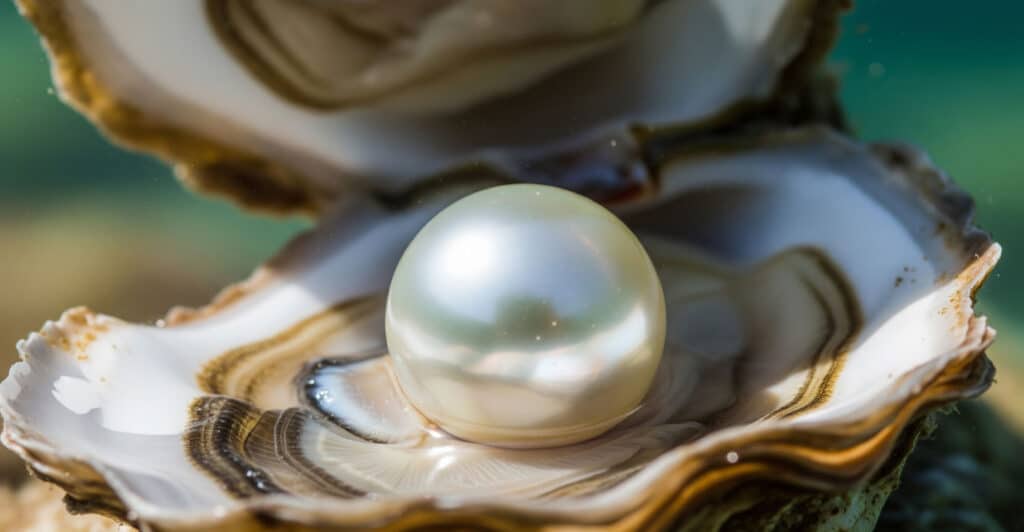
For centuries, this was the only way to get a pearl. Divers would risk their lives plunging into the depths, collecting thousands of oysters in the hope of finding just one or two gems. The odds are staggering. Finding a fine, round natural pearl is like finding a winning lottery ticket. They are incredibly rare and command astronomical prices.
Today, natural pearls are almost exclusively found in the world of high-end auctions and antique jewelry. When you see a story about a record-breaking antique pearl necklace selling for millions at Christie’s, you’re looking at natural pearls.
For most of us, they are beautiful artifacts to be admired, not something you’ll find at the local jewelry store. If you have the pearl birthstone for June, its ancient story is rooted in the rarity of these natural wonders.
Cultured Pearls: Nature, Nudged by Science
Now, let’s talk about the pearls that most of us will actually own and love. And this is the most important takeaway I can give you: a cultured pearl is a real, genuine pearl. It just had a helping hand to get started.
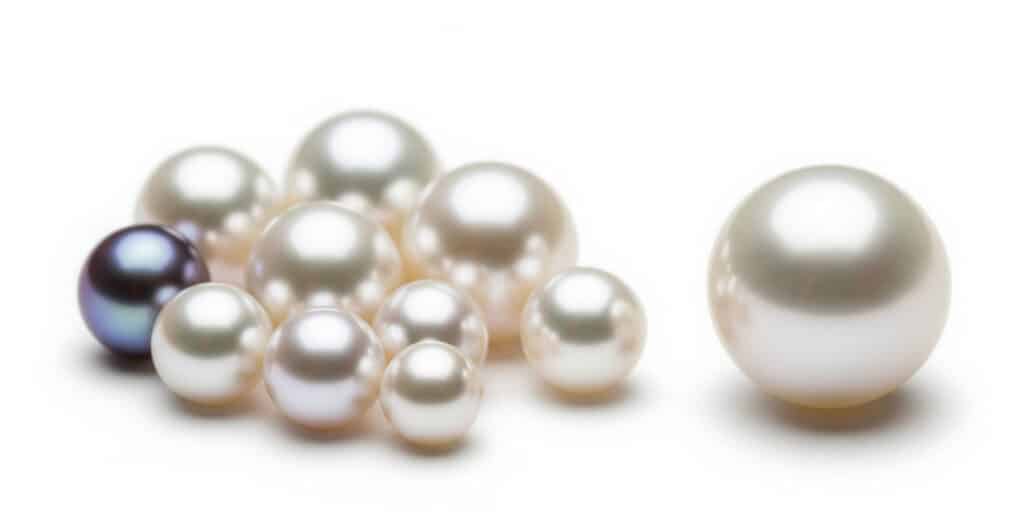
The process, pioneered in the early 20th century, is both an art and a science. A skilled technician makes a tiny, precise incision in a mollusk and carefully implants a small bead nucleus or a piece of mantle tissue.
From there, nature takes over completely. The oyster with pearl potential is returned to the water, and just like its wild cousin, it begins to coat that irritant with thousands upon thousands of concentric layers of nacre.
This brilliant innovation is the reason why a beautiful pearl necklace is an accessible luxury today, not just a treasure reserved for royalty. All the different kinds of pearls you hear about—the classic white Akoya, the colorful Freshwater, the luxurious Golden South Sea, and the dramatic Tahitian—are all types of cultured pearls.
So, when you’re shopping, you can be confident that the cultured pearls meaning you see is “real pearl.” They are not fakes or imitations. They are the beautiful, authentic gems that define the modern pearl industry. Now, let’s get into how to judge their quality.
Your Visual Guide to Pearl Quality
Great. So now you know that almost every beautiful pearl you’ll encounter is a genuine cultured pearl. But here’s where it gets interesting. “Cultured pearl” isn’t just one thing; it’s a broad category. Think of the world of cultured pearls like a family with four main members, each with its own distinct personality, origin, and look.
Getting to know these different kinds of pearls is the first step to finding the one you’ll truly love. Here’s a quick cheat sheet on the four main players you’ll meet when you’re shopping for pearl jewelry.
The Main Types of Cultured Pearls: A Quick Comparison
| Pearl Type | Origin(s) | Size Range | Primary Colors | Mehedi’s Take (The Insider Scoop) |
|---|---|---|---|---|
| Akoya | Japan, China | 6mm – 9mm | White, Cream, Rosé, Silver | The classic, mirror-like “must-have” strand. Famed for its perfect roundness. Shop the highest luster Akoyas at James Allen. |
| Freshwater | China, USA | 5mm – 15mm+ | White, Pink, Peach, Lavender | The Champion of Value. Modern freshwater strands offer a South Sea look for 80% less. Find durable, daily-wear pieces at Blue Nile. |
| South Sea | Australia, Indonesia | 9mm – 16mm+ | White, Silver, Deep Golden | The Queen of Pearls. Massive, luxurious, and boasting a soft satiny glow. These are true investment pieces available in the South Sea Vault. |
| Tahitian | Fr. Polynesia | 8mm – 14mm | Grey, Black, Peacock, Green | Exotic and dramatic. Known as Black Pearls, they feature swirling metallic overtones. Browse the rarest “Peacock” strands at Blue Nile. |
Now that you’ve met the family, you need to understand the language professionals use to judge their quality. Words like Luster, Nacre, and Orient are the keys to understanding a pearl’s value, but they can be hard to grasp from text alone.
That’s why I put together this short video on our YouTube channel. It’s a quick, visual guide that brings these professional grading concepts to life. It will show you what “high luster” actually looks like and what a “clean” surface really means.
Take a quick look, and once you’ve seen the magic for yourself, we’ll dive deeper into each one of the seven GIA value factors.
The 7 GIA Pearl Value Factors (The Pro’s Checklist)
Alright, now you’re ready for the good stuff. This is the professional’s checklist, the exact GIA framework that experts use to determine a pearl’s value. Once you understand these seven factors, you’ll be able to look at any pearl jewelry—from a simple pair of studs to a multi-strand necklace—and understand its quality and worth. Think of this as your new toolkit.
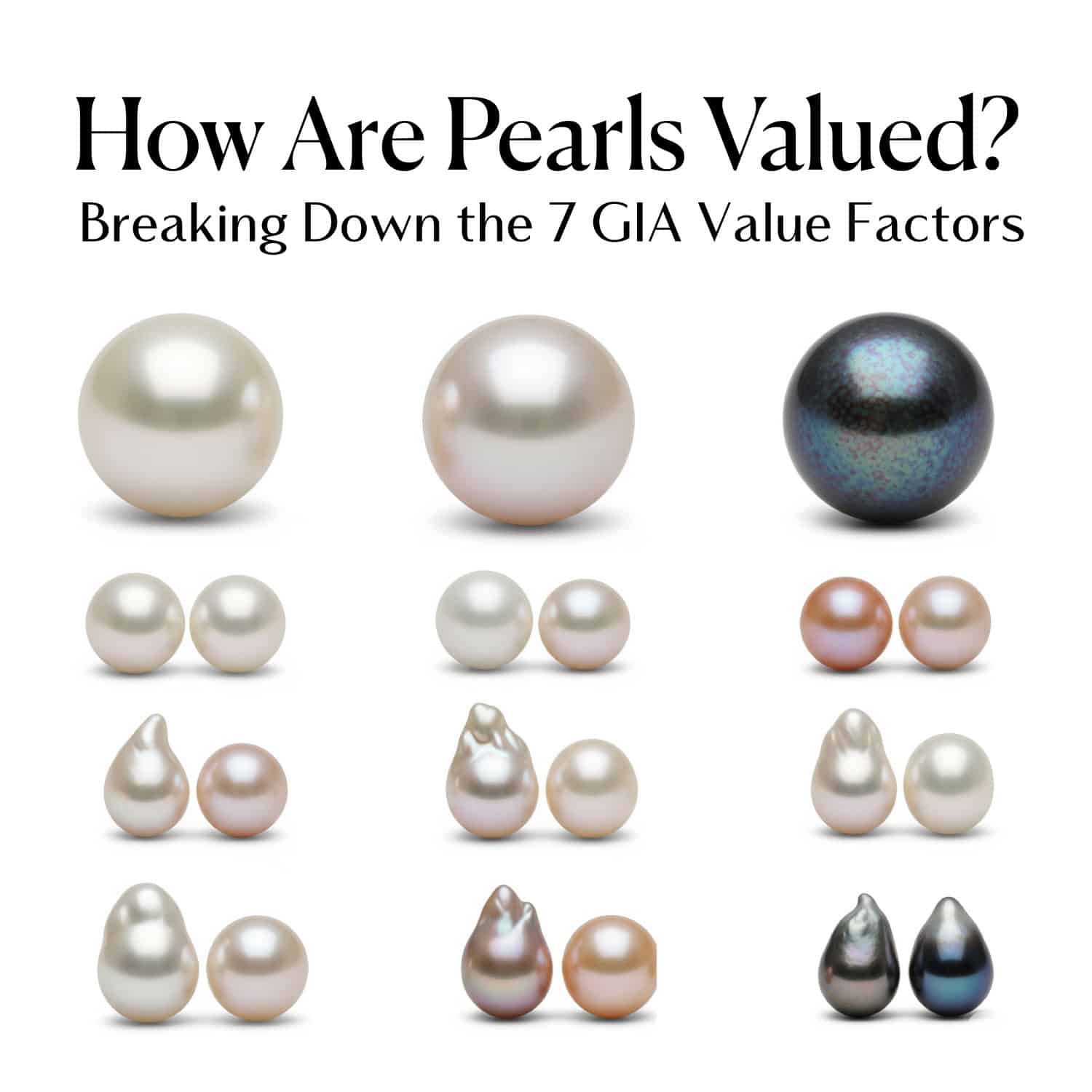
1. Size: Bigger Isn’t Always Better, But It’s Always Rarer
Let’s start with the most obvious factor: Size. It’s measured in millimeters (mm), and when it comes to pearls, size has a direct impact on rarity. The larger a pearl is, the longer it had to stay within the mollusk, and the rarer it is to find in high quality.
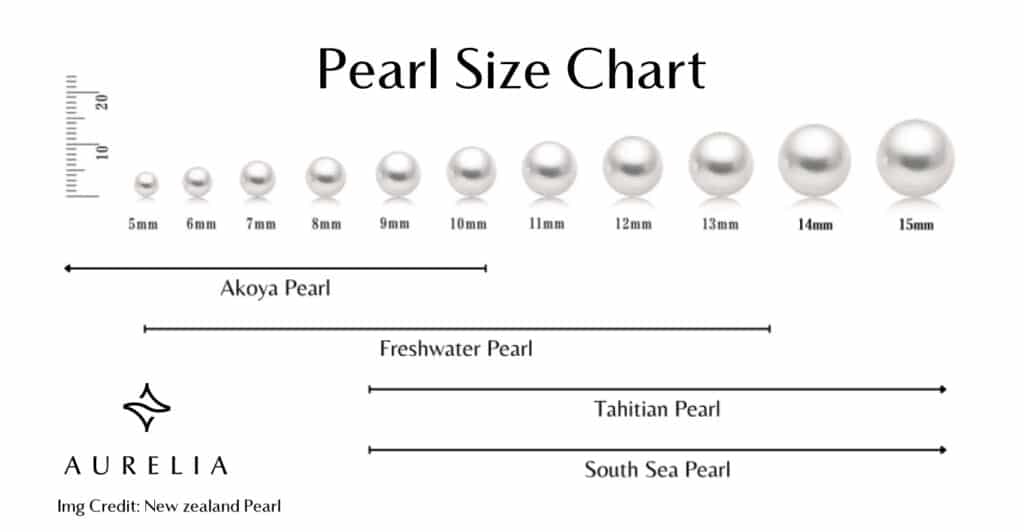
However, a bigger pearl isn’t automatically more valuable than a smaller one. A large, dull, blemished pearl will be worth far less than a smaller one with exceptional luster.
Here’s a general guide to what you can expect from the different types of pearls:
- Akoya Pearls: The classic white pearl. Their “sweet spot” is typically 7.0mm – 8.5mm. Anything over 9mm is considered large and rare, and the price jumps accordingly.
- Freshwater Pearls: These are the workhorses of the pearl world and have the widest size range, from tiny 3mm seed pearls up to 15mm or even larger in some modern varieties. The freshwater pearls value increases significantly as they approach the size and shape of their saltwater cousins.
- Tahitian Pearls: Known for their exotic dark colors, these typically range from 8mm – 14mm. A strand of large, well-matched Tahitians is a true statement piece.
- South Sea Pearls: The undisputed queens of size. These are the largest and most valuable pearls, typically ranging from 9mm – 16mm, with some magnificent exceptions growing even larger.
2. Shape: From Perfect Spheres to Unique Statements
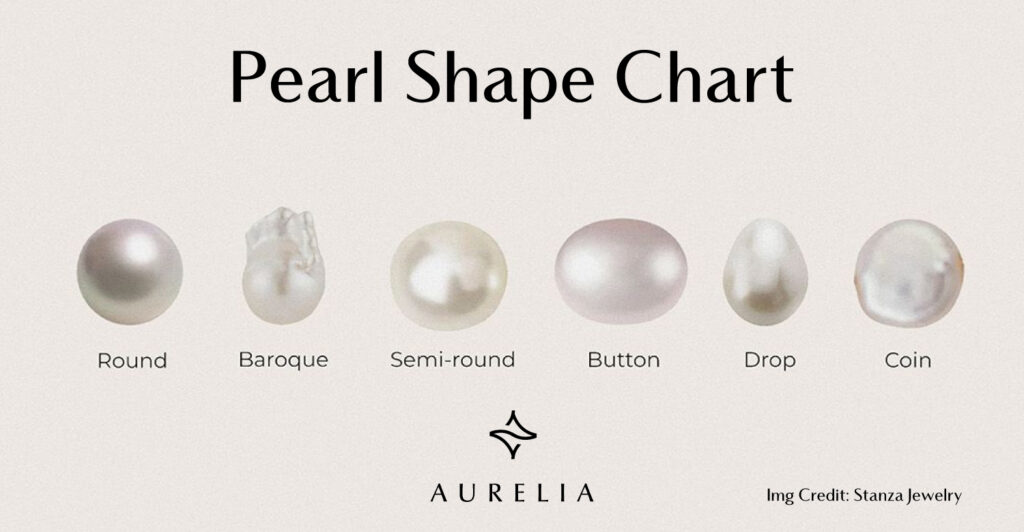
When most people think of a pearl, they picture a perfect sphere. And it’s true: the rounder a pearl is, the rarer and more valuable it is. But there is a world of beauty and value in other pearl shapes, and knowing them can help you find a piece with incredible character.
| Shape Category | Description | Mehedi’s Take (The Insider Scoop) | Retailer Best Choice |
|---|---|---|---|
| Round | Perfectly spherical; the “Triple Excellent” of pearls. | The undisputed benchmark. A perfectly round Akoya necklace is the most coveted item in bridal fashion. Expect a 40% premium for perfect symmetry. | Blue Nile (Top 1% Grades) |
| Near-Round | Appears round to the eye, but carries a slight oval silhouette. | The Ultimate Value Hack. These look perfectly spherical from a conversational distance but cost significantly less. Ideal for long strands where microscopic roundness isn’t visible. | James Allen (Visual Value) |
| Symmetrical | Balanced Ovals, Buttons, and Teardrops. | Perfect for Drop Earrings. A well-formed teardrop pearl offers a “sculptural” look that round pearls can’t match. High demand for 2026 red-carpet aesthetics. | James Allen (Drop Selection) |
| Baroque | Irregular, asymmetrical, and completely unique. | The 2026 “Fashion Star.” Baroque shapes are dominating Instagram feeds because no two are alike. A baroque pearl pendant is wearable art that costs much less than a round equivalent. | Blue Nile (Modern Artisans) |
3. Color: Bodycolor, Overtone, and Orient
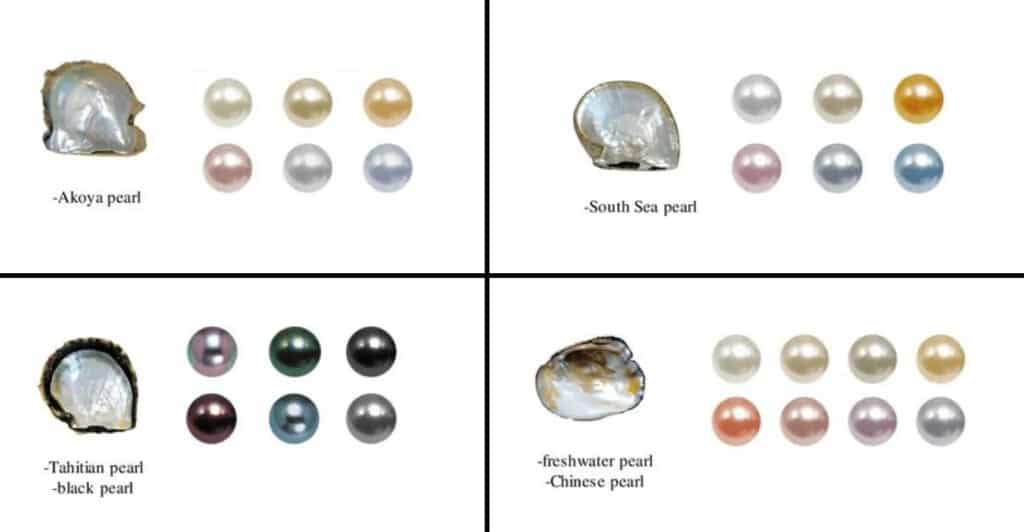
A pearl’s color is far more complex than just “white” or “black.” It’s a combination of three distinct elements:
- Bodycolor: This is the pearl’s main, dominant color. It can be white, cream, yellow, gray, black, or a range of pastel shades found in freshwater pearls.
- Overtone: This is a subtle, translucent color that seems to float over the main bodycolor. The most famous is the rosé (pinkish) overtone on a white Akoya pearl, but you can also see green, silver, and blue overtones. A desirable overtone dramatically increases a pearl’s worth.
- Orient: This is the rarest and most magical color phenomenon. It’s a subtle, iridescent rainbow that seems to shimmer and move across the pearl’s surface. A pearl with a strong orient is a top-tier, collector-quality gem.
4. Luster: The Most Important Factor of All
If you only pay attention to one factor on this list, make it this one. Luster is the soul of the pearl. It’s not just a surface shine; it’s the deep, inner glow that seems to radiate from within.
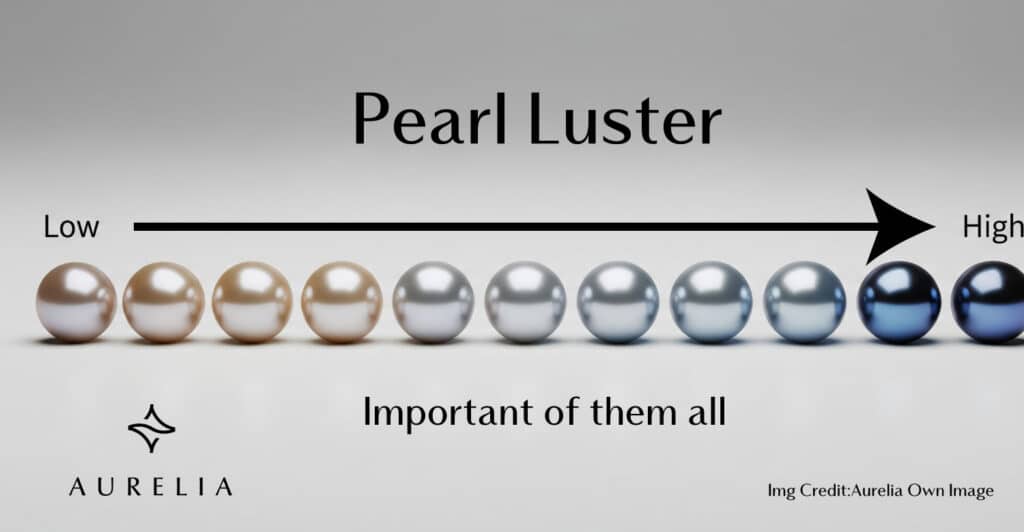
It’s created by light reflecting through the pearl’s many layers of nacre. The quality of a pearl luster is the number one indicator of its value.
| Luster Grade | How to Spot It (The Mirror Test) | Mehedi’s Take (The Insider Scoop) | Retailer Best Choice |
|---|---|---|---|
| Excellent | Reflections are bright, sharp, and distinct. You can see your facial features clearly. | The hallmark of Gem Quality. It looks lit from within. Find these premium reflections in the Blue Nile Akoya Collection. | Blue Nile |
| Good | Reflections are bright but slightly blurred or fuzzy at the edges. | A very high-quality pearl that remains beautiful in daily jewelry. This is the Value Sweet Spot found at James Allen. | James Allen |
| Fair | Reflections are weak, hazy, and dim. Objects are indistinguishable. | The pearl may appear chalky or milky. Common in mass-market mall jewelry. Avoid these for serious investments or bridal sets. | N/A (Avoid) |
| Poor | The surface is dull and “dead” with zero reflection. | Total Avoidance Zone. These lack the nacre thickness to survive long-term wear. Regardless of size, these carry almost no resale value. | N/A (Avoid) |
5. Surface: Judging a Pearl’s Complexion
Because pearls are created by a living creature, they are rarely flawless. The surface quality refers to the presence, or absence, of blemishes. The goal is to find a pearl that is “eye-clean,” meaning any blemishes aren’t distracting to the naked eye.
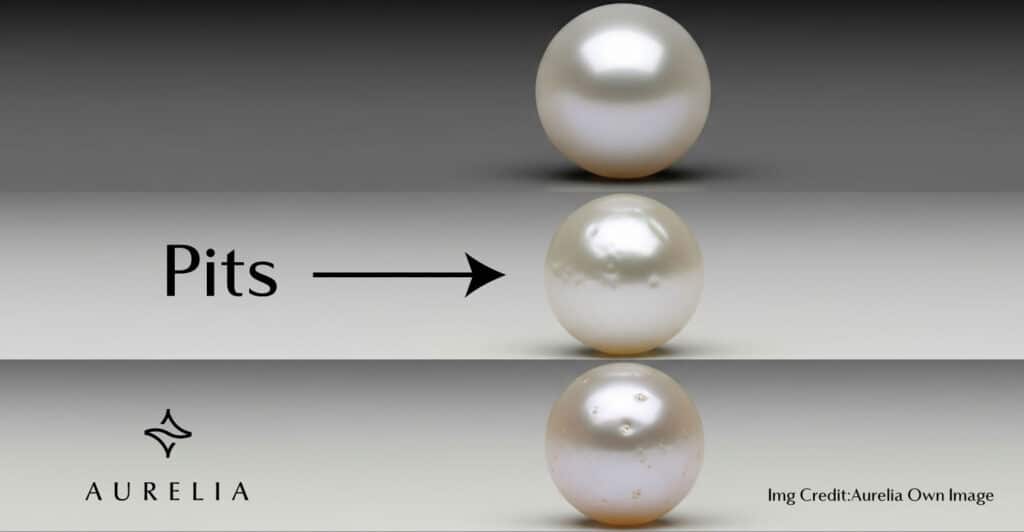
Common blemishes include:
- Pits or Dimples: Small indentations on the surface.
- Bumps or “Mottling”: A slightly uneven or orange-peel-like texture.
- Scratches or Abrasions: Marks on the surface.
- Cracks: The most serious blemish, as it can affect durability.
A “clean” pearl (like A-grade) will have very few, minor blemishes. A “heavily blemished” pearl (C or D grade) will have noticeable flaws that detract from its beauty and value.
Remember, real pearls have character; if you find a strand that is 100% perfectly smooth, it might be a sign you’re looking at simulated pearls.
6. Nacre Quality & Thickness
Nacre is the beautiful, iridescent substance that the mollusk secretes to create the pearl. Think of nacre as the engine of a pearl’s beauty. The thickness and quality of the nacre layers directly determine the pearl’s luster and its long-term durability.
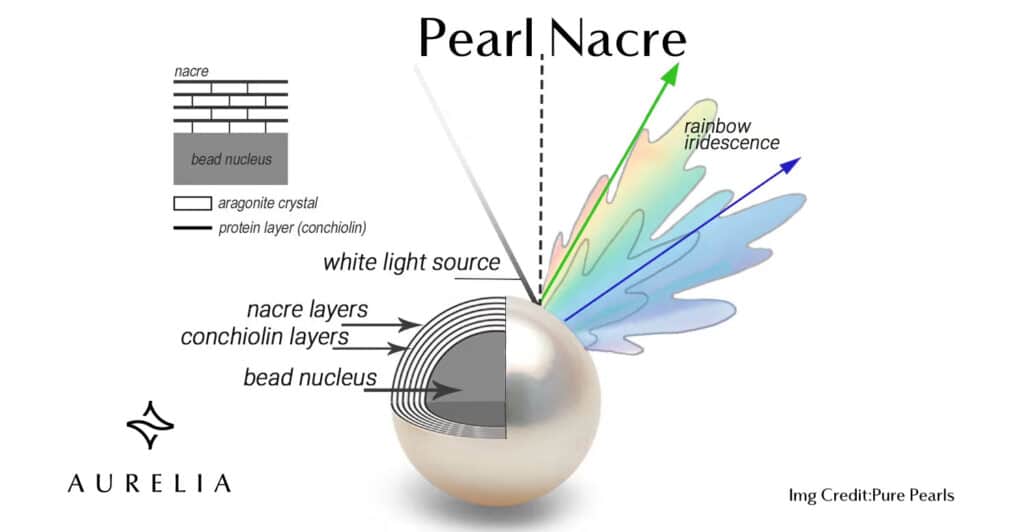
- What to Look For: A pearl with thick, high-quality nacre will have a beautiful, deep glow. The layers are compact and well-aligned, creating excellent luster.
- Red Flags: The biggest warning sign is a dull, chalky appearance. In extreme cases of thin nacre, you might even see the bead nucleus underneath, a phenomenon known as “blinking.” A pearl with thin nacre is not only less beautiful but is also prone to chipping and peeling over time. This is a crucial factor in the long-term value of real pearls.
Elite Luster: Access the Upto 70% OFF Pearl Sale. Secure GIA-graded Akoya and Golden South Sea strands from the industry’s most trusted inventory at Blue Nile .
Premium Collection: Shop the Upto 70% OFF 2026 Pearl Event. Inspect the “Mirror Luster” of Tahitian and Freshwater gems in high-definition 360° at James Allen .
7. Matching: The Art of a Perfect Strand
This final factor applies specifically to pieces with multiple pearls, like a pearl necklace for sale or a pair of earrings. Matching is a true art form, and a well-matched strand commands a much higher price.
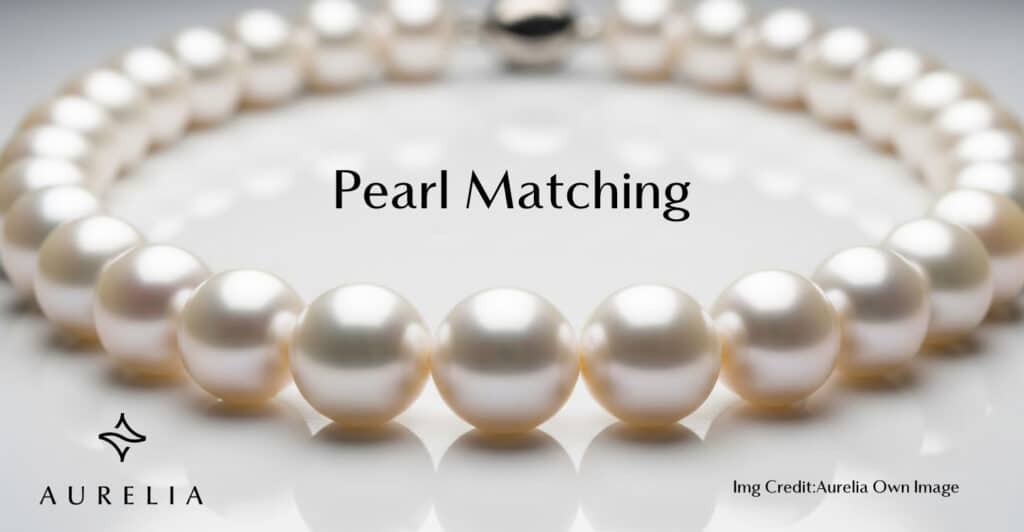
A professional will match pearls based on all the other quality factors:
- Luster: All pearls should have the same intensity of glow.
- Size & Shape: All pearls should be consistent.
- Color: All pearls should have the same bodycolor and overtone.
- Surface Quality: The pearls should be of a similar grade.
A poorly matched strand will look jumbled and inconsistent. A masterfully matched strand will look like a single, harmonious, and flowing piece of art. This is a subtle but critical component of the final pearl necklace value.
Try It Yourself: The Pearl Value Calculator
Alright, that was a lot of information, I know. But theory is one thing—let’s put it into practice.
I’ve built this simple calculator based on the key GIA value factors we just covered. This tool is designed to give you a solid ballpark estimate for a single, loose cultured pearl. It’s the perfect way to see for yourself how the different qualities interact to create a pearl’s final value.
Play around with the different options. See for yourself how a jump from “Good” to “Excellent” luster can dramatically change the price, or how a perfectly Round shape commands a premium over a unique Baroque. This is how you start to think like a professional.
Go ahead, give it a try and see what you discover.
Pearl Value Calculator
Conclusion: How to Judge a Pearl with an Expert’s Eye
So, there you have it. We’ve journeyed from the ocean floor to the jeweler’s counter, and you’re now armed with the same seven-point checklist that professionals use. The world of pearl jewelry doesn’t have to be intimidating. Once you know what to look for, you’re in complete control.
It can feel like a lot to remember, so if you take away just a few key pieces of advice from our conversation, please make it these:
- Focus on Luster Above All Else. If you remember one thing, make it this. Luster is the soul of a pearl. A smaller pearl with excellent, glowing luster will always be more beautiful and valuable than a huge pearl with a dull, chalky appearance. It is the number one factor for a reason.
- Aim for an “Eye-Clean” Surface. Stop searching for “flawless”—it’s a myth in natural gems. Your goal is to find a pearl with a clean, beautiful surface that isn’t marred by any distracting blemishes to the naked eye. A few tiny marks are signs of authenticity; you just don’t want them to be the main event.
- Understand the Shape Trade-Off. A perfectly round pearl is the classic choice and commands a premium for its rarity. But don’t forget that a baroque pearl offers unique, one-of-a-kind character for a fraction of the price. The choice is about your personal style and budget.
- Never Be Afraid to Ask About Nacre. This is your final pro move. A simple question like, “Can you tell me about the nacre quality of these pearls?” shows the jeweler you’re an educated buyer. It’s the engine of the pearl’s beauty and durability, and it’s a topic every good jeweler should be happy to discuss.
Now that you know how professionals grade pearls, you can better understand the factors that determine their final price. You’re ready to look at any pearl necklace or pair of earrings and see its true story.
You know the difference between a top-tier gem and a low-quality one, and you have the confidence to choose something truly beautiful.
FAQs
I get asked questions about pearls all the time. It’s a confusing topic! Here are my direct, no-nonsense answers to some of the most common ones I hear.