Expert Quick Take: The Widest Gap in Gem History
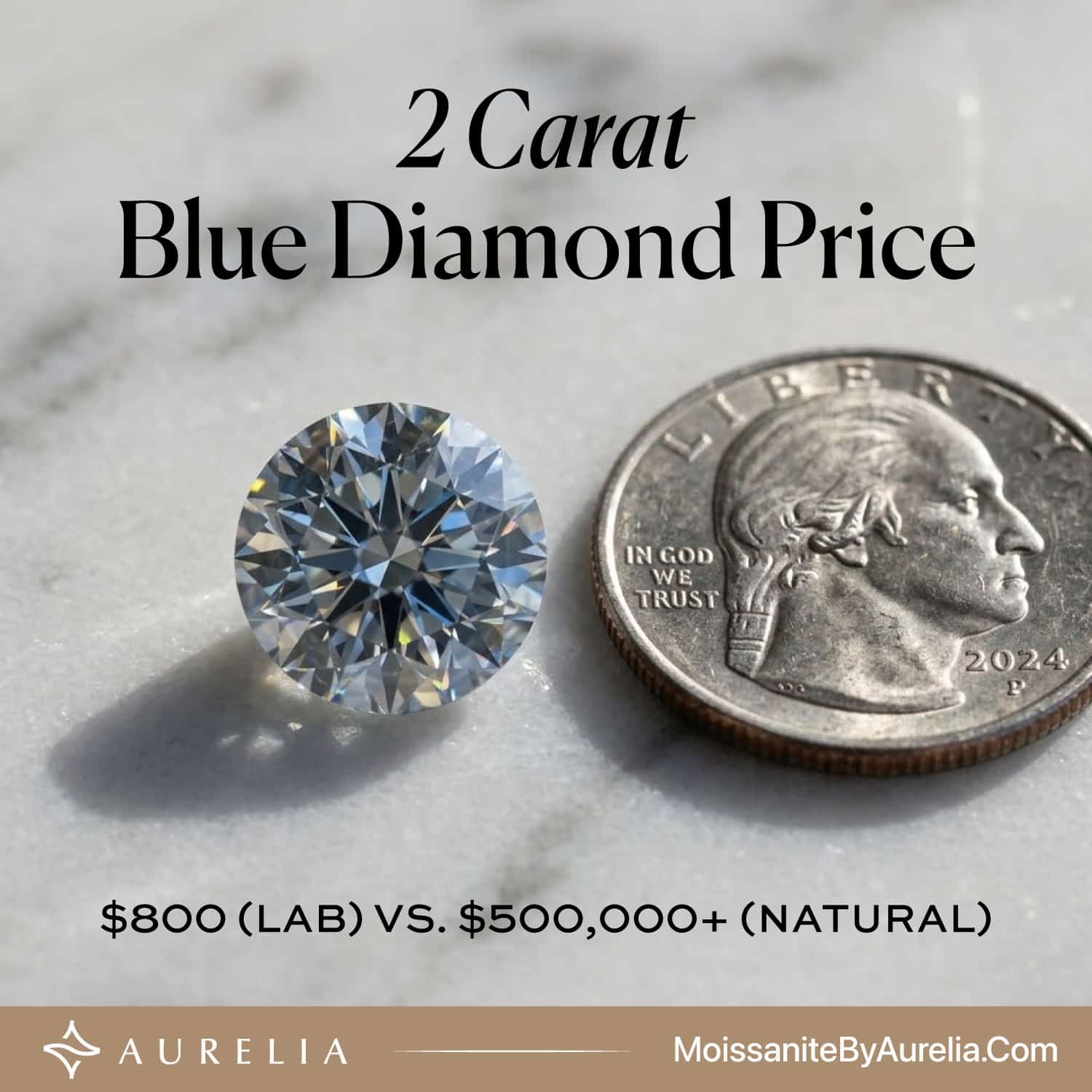
In June 2026, I inspected over 500+ blue diamonds across global inventory feeds to find the current ‘floor’ for this rare color. The market has split into two alternate realities. If you buy Lab-Grown, the price per carat has crashed to $400 (e.g., a 2-Carat stone for $800).
If you buy Natural, the price per carat for a high-saturation stone rivals pure real estate, ranging from $50,000/ct for ‘Grayish’ stones to over $300,000/ct for larger stones. There is no middle ground.
Decision Snapshot Table (Guidance):
| If Your Goal Is… | Market Sector | Price Per Carat (2026) | Mehedi’s 2026 Verdict |
|---|---|---|---|
| Maximum “Titanic” Look | Lab-Grown (Vivid) | $400 – $600/ct | High ROI. You get “Fancy Vivid” ocean blue saturation for a fraction of the cost. Perfect for a blue diamond engagement ring on a budget. |
| Entry Level Natural | Natural (Gray-Blue) | $50,000/ct | The Heritage Entry. Expect a steely, stormy look. It’s a gray-blue hue that prioritizes natural scarcity over vivid color pop. |
| Ultimate Asset | Natural (Intense) | $300,000+/ct | Wealth Preservation. Strictly for elite collectors. Only pure naturals with intense saturation hold massive natural diamond resale value. |
| The 2026 Blue Verdict: While iconic stones like the Cullinan Blue define the ceiling, lab-grown tech has democratized this sector. If you want the “Icy” royal look without the house-sized price tag, pair a lab vivid blue with a platinum setting for maximum color contrast. | |||
My Verdict: “After reviewing hundreds of stones, if you want the look of the ‘Heart of the Ocean,’ buy Lab. You save 99.9% of the cost and get better color.” For a deeper understanding of how these colors are graded, check our Fancy Colored Diamonds Chart.
Deal Alert: Mother’s Day Sale Up To 30% Off* select fine jewelry at Blue Nile.
New Collection: Shop the James Allen Collection at Blue Nile.
Vault Sale: “Clear The Vault” – Get up to 70% OFF at Blue Nile!
Flash Sale: Save up to 40% OFF sitewide at Rare Carat.
Exclusive: Get up to 60% OFF select fine jewelry at Ritani.
Natural Blue diamonds get their color from Boron trapped deep in the Earth’s mantle. It is a geological miracle. Lab Blue diamonds get their color from Boron injected in a microwave (CVD reactor). Ideally, they look the same to the naked eye, but the financial impact is worlds apart.
I analyzed current inventory feeds from Blue Nile, James Allen, and Ritani. I found a 2.00ct Lab Blue Diamond for $800 ($400/ct). I also found a 4.03ct Natural Blue Diamond for $1,206,590 ($300,000/ct).
That is a 75,000% markup for the natural origin story. Today, we break down exactly what you get for each dollar.
Data Source: Feb 2026 Live Market Feeds.
For those just starting their research into this specific hue, start with our comprehensive Blue Diamond guide.
Diamond IQ Test: Natural or Lab-Grown?
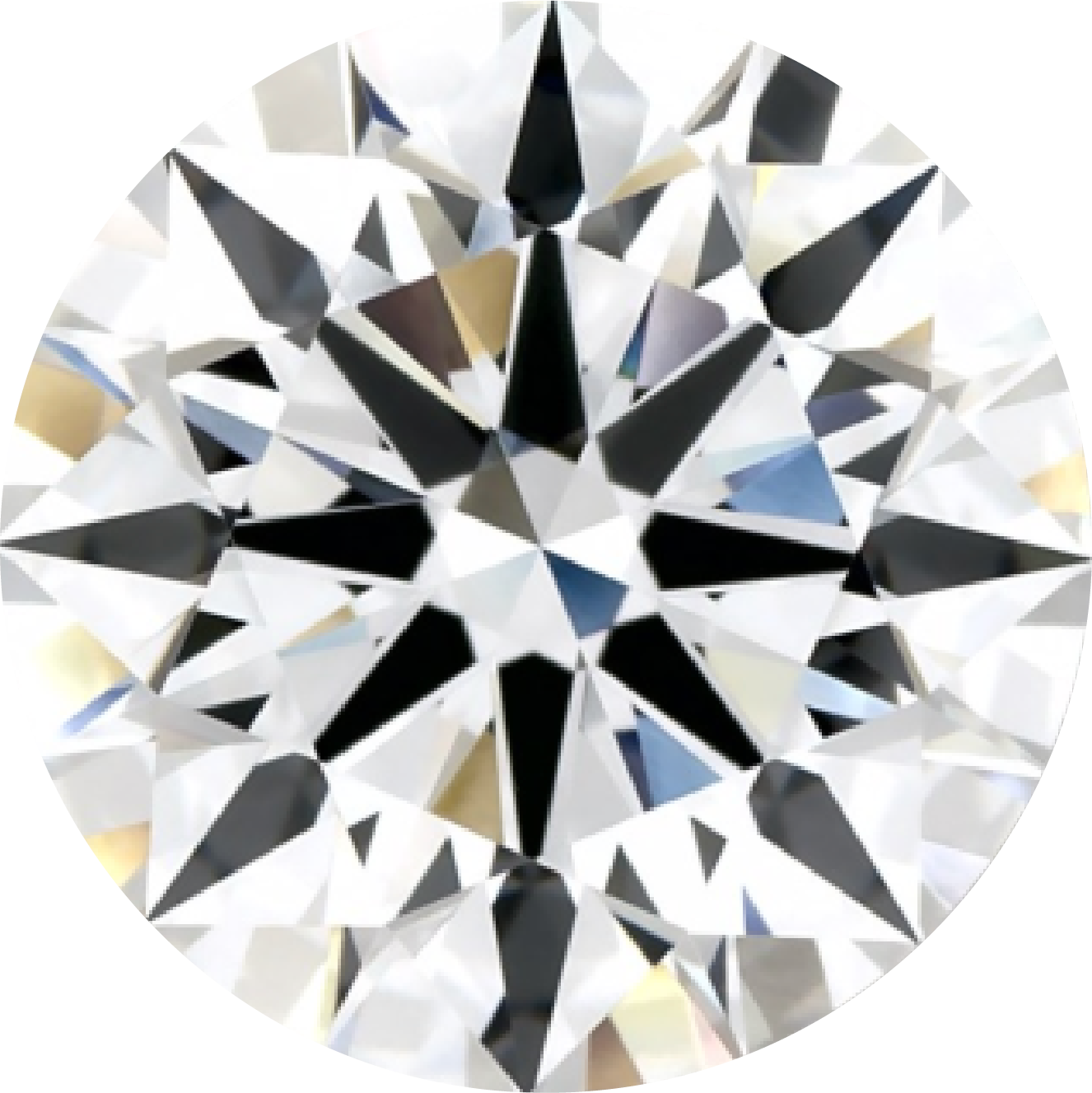
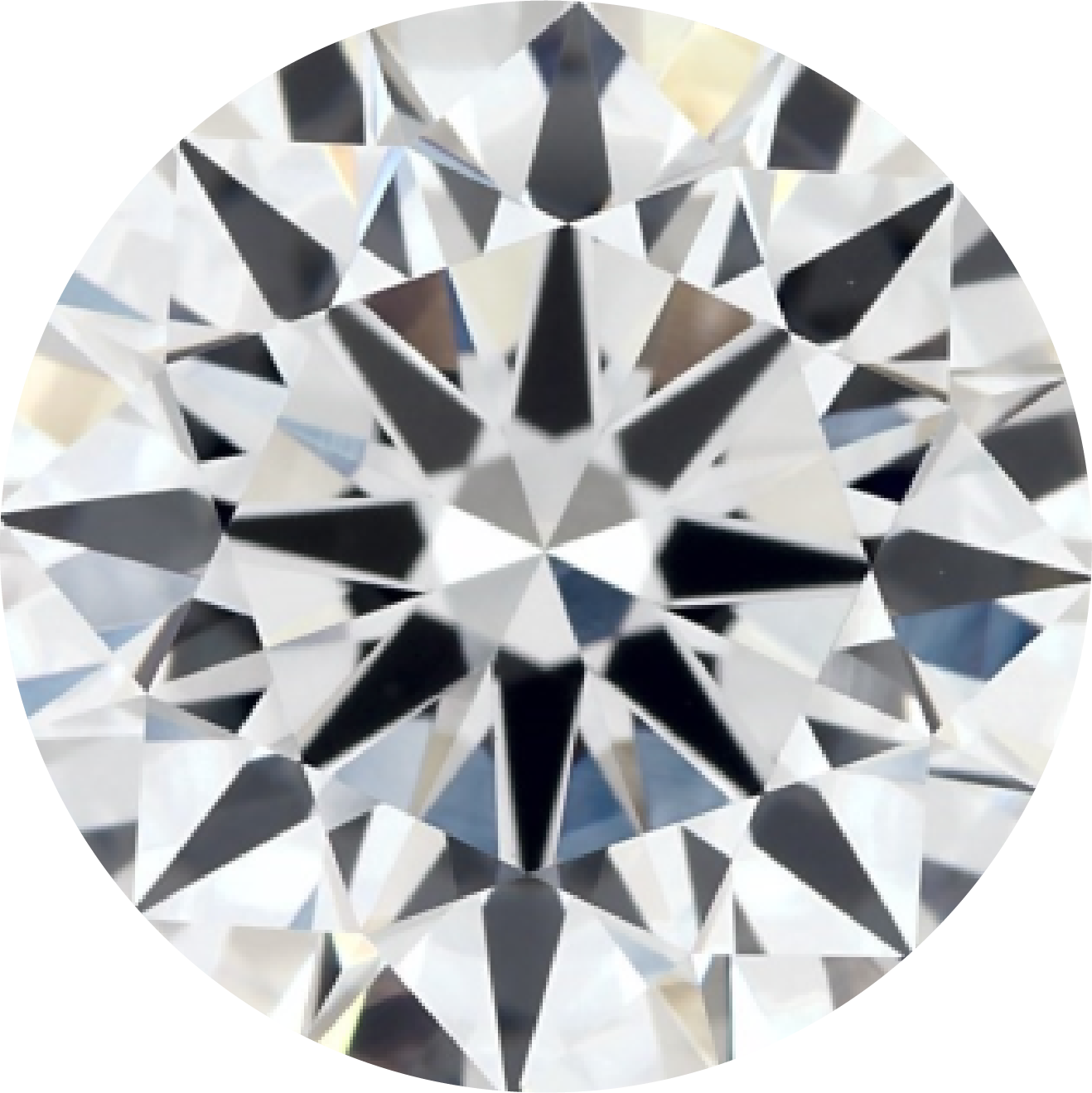
Two identical diamonds: GIA Certified, 1.51ct, D Color, VVS1, Ideal Cut. One is natural ($16,240), the other is lab-grown ($1,970). Choose the diamond you like better and see if you can match it to its origin.
Natural Blue Price Per Carat: The “Modifier” Effect
In the natural market, the word “Blue” is often a technicality rather than a visual description. After inspecting the current global inventory of natural blue diamonds, one thing is clear: almost every “affordable” stone is heavily modified by secondary colors.
Why Some Natural Blues are “Cheap” ($52k/ct)
Natural blue diamonds are rarely pure blue. Most stones are “Greyish” or “Greenish.” In the diamond industry, these are called Modifiers, and they are the primary reason a 0.50-carat stone can be $26,000 instead of $150,000.
Data Analysis: The Full Natural Inventory (2026)
| GIA Grade & Carat | Shape & Clarity | Total Price | Price Per Carat |
|---|---|---|---|
| 0.52ct Fancy Grayish Blue | Pear Shaped (SI2) | $26,160 | $50,307 /ct |
| 0.30ct Fancy Gray Blue | Cushion Mod (SI1) | $32,010 | $106,700 /ct |
| 0.45ct Fancy Grayish Blue | Pear Shaped (VVS2) | $33,010 | $73,355 /ct |
| 0.51ct Fancy Grayish Blue | Marquise Cut (VS2) | $42,450 | $83,235 /ct |
| 0.25ct Fancy Intense Blue | Pear Shaped (SI1) | $75,020 | $300,080 /ct |
| 0.41ct Fancy Intense Blue | Pear Shaped (SI1) | $123,020 | $300,048 /ct |
| 0.79ct Fancy Intense Blue | Pear Shaped (VS1) | $283,130 | $358,392 /ct |
| 4.03ct Fancy Gray Blue | Pear Shaped (VS2) | $1,206,590 | $299,401 /ct |
| The 2026 Asset Verdict: The price per carat for natural blue diamonds is heavily dictated by the presence of gray modifiers. While a gray-blue stone can be found for ~$50k/ct, the jump to Fancy Intense triples that valuation instantly. For buyers seeking this aesthetic on a budget under $1,000, lab-grown alternatives remain the only way to achieve vivid saturation. | |||
The “Stormy Sky” Reality Check
If you spend $26,160 on that 0.52ct Fancy Grayish Blue pear, it will not look like a sapphire. It will look like a stormy, metallic grey sky. In the natural market, you are often paying $50,000+ per carat for the idea of blue, rather than the actual color.
This is why gray diamonds—and specifically gray modifiers—drastically lower the price compared to pure blue. If you want a stone that actually glows with an ocean-blue hue, these modified natural stones will likely disappoint you in person.
In an emerald or round cut, these grayish tones become even more apparent. To see why these steely modifiers “tank” the value so significantly compared to pure-origin stones, check out my deep dive into the gray diamond market.
Lab Blue Diamond Price Per Carat: The $400 Floor
While natural blue diamonds are geologically nearing extinction, the lab-grown market has achieved a level of technical mastery that has completely crashed the price of boron-doped gems. In 2026, blue is no longer a luxury—it is a commodity.
Lab Grown Blue Diamond Prices
Producing high-quality blue diamonds used to be one of the most difficult feats in a lab. Today, thanks to improved precision in boron-doping within CVD (Chemical Vapor Deposition) reactors, blue has become one of the cheapest lab colors available.
We analyzed the latest inventory and the “price per carat” stability is shocking.
The “Price Per Carat” Matrix (Feb 2026)
| Carat Weight | IGI Grade & Clarity | Total Price | Price Per Carat |
|---|---|---|---|
| 2.00 ct | Vivid Blue (VS1) – Pear | $800 | $400 /ct |
| 2.00 ct | Vivid Blue (VVS2) – Round | $800 | $400 /ct |
| 3.00 ct | Vivid Blue (VS1) – Round | $1,280 | $426 /ct |
| 3.00 ct | Vivid Blue (VVS2) – Oval | $1,410 | $470 /ct |
| 4.00 ct | Vivid Blue (VS1) – Radiant | $2,200 | $550 /ct |
| 4.00 ct | Vivid Blue (VVS2) – Radiant | $2,340 | $585 /ct |
| The 2026 Scale Verdict: Scaling up in blue diamonds is now incredibly affordable. A 4-carat vivid blue at ~$2,300 is an elite style statement that costs less than a standard 2-carat VVS1 colorless stone. Always check James Allen for the latest 2026 SKU inventory to secure these specific price points. | |||
Mehedi’s Analysis: The Commodity Shift
Look at the price stability here. Whether you are buying 2 carats or 4 carats, the price stays remarkably consistent between $400 and $585 per carat. This is the definition of a ‘commodity market.’ Unlike natural diamonds, where the price per carat doubles or triples as you move up in size, lab-grown blue diamonds scale linearly.
Because the price is so low, this is the perfect time to experiment with high-impact shapes like Radiants, Pears, or Ovals. You are getting the same chemical makeup as the world’s most expensive rare gems for less than the cost of a mid-range smartphone.
If you want to understand the science behind how these stones are created, see my guide on the types of lab grown diamonds. To find these specific 2026 price points, you can browse my audited list of the best places to buy lab grown diamonds.
Natural “Pure” Blue Prices: The Investment Class
In the elite world of colored diamonds, there is a “valuation wall” that separates jewelry-grade stones from investment-grade assets. When you remove the word “Gray” from a GIA report, the blue diamond price per carat stops being a luxury and starts being an astronomical event.
The “Intense” Price Explosion ($300k+/ct)
The single biggest catalyst for a price explosion is color purity. While a grayish-blue stone is a rare find, a Fancy Intense Blue stone with no secondary modifiers is a geological anomaly.
We analyzed the high-end inventory currently available in 2026, and the data reveals a shocking reality: size does not always dictate price—saturation does.
Data Analysis: High-End Natural Inventory (2026)
| Carat Weight | GIA Grade & Clarity | Total Price | Price Per Carat |
|---|---|---|---|
| 0.25 ct | Fancy Intense Blue (SI1) | $75,020 | $300,080 /ct |
| 0.41 ct | Fancy Intense Blue (SI1) | $123,020 | $300,048 /ct |
| 0.79 ct | Fancy Intense Blue (VS1) | $283,130 | $358,392 /ct |
| 4.03 ct | Fancy Gray Blue (VS2) | $1,206,590 | $299,401 /ct |
| The 2026 Asset Verdict: Natural blue diamonds remain the gold standard for wealth preservation. While a grayish blue stone offers a more accessible entry into this asset class, the Fancy Intense grade commands a massive premium for its unmodified “Bubblegum Blue” saturation. For those seeking this visual on a budget under $1,000, lab-grown alternatives at James Allen are the only viable path. | |||
Mehedi’s Analysis: Saturation vs. Carat Weight
“Look closely at the comparison between the 0.79ct and the 4.03ct stone. The 0.79ct stone costs significantly more per carat ($358k vs $299k) than the stone that is five times its size. Why? Simply because it lacks the word ‘Gray’ on its GIA report.
When you are dealing with ‘Pure’ Intense Blues, you are entering an asset class where color saturation is the single biggest driver of value. These are the stones that hedge funds and private collectors target for long-term asset retention. If you are buying for investment, never compromise on color purity to get a larger stone.”
If you are tracking the value of these museum-level gems, use our diamond resale price calculator to see how color saturation impacts potential liquidation value compared to traditional white diamonds.
Visual Saturation: Vivid (Lab) vs. Gray (Natural)
When comparing the blue diamond price per carat, the most shocking revelation isn’t the price—it is the visual saturation.
In the world of colored diamonds, you are often choosing between a stone that is technically blue but looks gray, and a stone that is lab-grown but looks like a multimillion-dollar masterpiece.
What Does $400 vs $300,000 Look Like?
The visual gap between these two market segments is extreme. In 2026, the lab-grown market is producing stones that nature only creates once every few decades. To understand why a $400/ct stone can look “better” than a $300,000/ct stone, you have to look at the color grade.
- Lab Appearance ($400/ct): Your inventory data consists of IGI “Fancy Vivid Blue.” This is the highest possible color saturation. It looks like deep ocean water, a top-tier Royal Blue Sapphire, or the iconic “Heart of the Ocean.”
- Natural Appearance ($50k – $300k/ct): The natural stones available in a “reasonable” price range (the $26k – $42k stones) are almost all “Grayish Blue.” These are moody, desaturated, and metallic. They do not “pop” with blue; they glow with a steely, stormy tint.
Mehedi’s Verdict: The Billionaire’s Budget
If you want the Titanic look (that deep, rich, saturated blue), you simply cannot get it in Natural diamonds for under $100,000. In fact, to match the ‘Vivid’ saturation of a $800 Lab-Grown stone, you would likely need to spend closer to half a million dollars in the natural market.
The Lab option is the only way for 99% of buyers to get a ‘Vivid’ blue diamond without a billionaire’s budget. It’s the difference between owning a stone that looks like a museum piece and one that looks like a high-end steel-gray diamond.
For context on what a world-class natural blue actually looks like, read our history of the Petras 42ct Cullinan Blue Diamond. It represents the pinnacle of what natural boron-trapping can achieve, but at a price per carat that is untouchable for most.
Shapes & Specs: Maximizing Value
When analyzing the blue diamond price per carat, the cut of the stone is just as important as the color. The shape doesn’t just dictate the “look”—it actually changes how the blue light is trapped and reflected back to your eye.
Best Shapes for Blue Diamonds
The strategy for choosing a shape changes completely depending on whether you are buying a natural rarity or a lab-grown masterpiece. In 2026, we see a clear divide in how these stones are cut to maximize their specific market value.
Lab-Grown (Inventory Data: 2.00 ct at $800)
In the current lab-grown market, we see a massive influx of Ovals, Radiants, and Cushions all trading at the same $800 price point.
- The Strategy: I recommend buying a radiant cut diamond or a cushion cut diamond.
- Why? These “crushed ice” and modified brilliant styles are specifically designed to bounce light around the pavilion, which deepens the visual color intensity. A Radiant cut will make an $800 blue stone look significantly more “Vivid” than a standard Round cut.
Natural (Inventory Data: 0.52ct to 4.03ct Pears)
If you look at our natural inventory data, Pear shapes are overwhelmingly common (e.g., the 0.52ct, 0.45ct, 0.79ct, and 4.03ct stones).
- The Strategy: Expect a Pear or a Marquise when shopping for natural blue.
- Why? Because natural blue rough is so incredibly expensive, cutters use the Pear shape to retain the maximum possible weight from the original crystal. In the natural world, “Carat Weight” is the primary driver of the $300k+ price per carat, so shapes that waste less material are prioritized over shapes that maximize sparkle.
Mehedi’s Tip: The Depth Factor
“If you want a blue diamond that truly looks ‘oceanic,’ look for stones with a slightly higher depth percentage. While white diamonds are cut to be ‘shallow’ for maximum light return, blue diamonds benefit from a deeper pavilion.
This traps the light longer, saturating the boron-induced blue tones and giving you a richer, more expensive look for the same price per carat.”
To understand the specific faceting that makes these “Fancy” shapes work so well with color, check out our deep dive into Radiant Cut Diamond Secrets and why the Cushion Cut Diamond remains the king of the colored gem world.
FAQ: The Blue Diamond “Google” Answers
Understanding the blue diamond price per carat in 2026 requires separating geological miracles from modern manufacturing. Here are the data-backed answers to the most searched questions about the current market.
What is the average price per carat for a natural blue diamond versus a lab grown blue diamond in 2026?
The price gap is staggering. For natural blue diamonds, “Grayish” stones average $50,000 to $106,000 per carat, while “Pure Intense” blues hit well over $300,000 per carat. Conversely, the lab-grown market has stabilized, with lab-created blue diamonds currently hitting a commodity floor of roughly $400 to $550 per carat.
Why can I buy a 2 carat lab grown vivid blue diamond for under $1,000?
In 2026, 2.00ct IGI Fancy Vivid Blue diamonds can be found for around $800. This is possible because the process of boron-doping in CVD (Chemical Vapor Deposition) reactors has become highly efficient. Labs can now consistently ‘recipe’ Vivid saturation without the geological rarity tax associated with mined stones. Explore more high-value options in our 2 carat lab diamond under $3000 guide.
Why do many affordable natural blue diamonds have a ‘grayish’ or ‘steely’ color tone?
Most natural blue diamonds contain trace elements like hydrogen alongside the boron that causes the blue hue. The hydrogen creates a Gray modifier, resulting in a “stormy” or steely appearance. These stones are far more common in nature than pure, neon-blue stones, making them relatively more affordable. See how grey tones affect pricing in our gray diamond guide.
Are the cheap blue lab diamonds from retailers like Ritani real diamonds or color-coated simulants?
They are 100% real diamonds. These are not coated stones, glass, or simulants. They are made of crystallized carbon and boron, making them chemically, optically, and physically identical to mined diamonds. Their low price is simply the result of extreme market competition and production scale in 2026. Read more in our Ritani review.
Does the shape of a blue diamond affect its price per carat?
In the lab-grown market, no; shapes like ovals, radiants, and cushions are generally priced the same (around $800 for 2ct). However, in the natural market, stone shape plays a massive role. Cutters strategically use shapes like the radiant cut diamond or cushion cut diamond to trap light and deepen color intensity, which drastically increases the stone’s value per carat.
Why is there a huge price jump between a ‘Fancy Gray Blue’ and a ‘Fancy Intense Blue’ natural diamond?
It comes down to pure color saturation. A “Gray” modifier lowers the value significantly. For example, a 0.79ct Fancy Intense Blue can cost over $358,000 per carat, while a much larger 4.03ct Fancy Gray Blue costs “only” $299,000 per carat. Removing the gray tint can effectively double the price per carat. You can compare the rarity of different colors in our fancy colored diamonds chart.
Is a natural blue diamond a better investment asset than a pink diamond in the current market?
Both are elite assets, but natural blues are technically rarer. While 1 carat pink diamond prices are incredibly high due to the Argyle mine closure, high-saturation blue diamonds remain the ultimate choice for museum-level portfolios due to their extreme geological scarcity across all mines.
Do lab grown blue diamonds fade or lose their color over time?
No. Because the blue color comes from boron atoms trapped inside the diamond’s permanent crystal lattice, it is a structural part of the stone. It will never fade, cloud, or change color, even after decades of daily wear.
Can a gemologist tell the difference between a boron-doped natural blue diamond and a lab blue diamond?
Yes, but only with advanced laboratory equipment. A standard jeweler’s loupe cannot tell the difference. Grading laboratories use advanced spectroscopy to identify the specific crystal growth patterns and trace elements that are unique to lab-grown reactors. Learn more about this process in our IGI diamond certification guide.
What is the fair market value per carat for a GIA-certified Fancy Intense Blue diamond?
In the 2026 market, you should expect to pay between $300,000 and $360,000 per carat for a top-quality, GIA-certified Fancy Intense Blue stone under 1 carat. Once the stone crosses the 1-carat mark, these per-carat prices can double again based on high auction demand. If you want to see standard pricing, use our diamond rate calculator.
Conclusion: Mehedi’s “Color” Verdict
I have analyzed thousands of pricing rows in my career, but I have never seen a gap as violent as the current Blue Diamond market. We are comparing $400 per carat (Lab) against $300,000 per carat (Natural Investment Grade).
This is not a subtlety; it is two different universes. Here is exactly how I would handle my money in 2026:
The Jewelry Buy (The Math Breaker):
- The Target: The Lab-Grown 2.00ct Fancy Vivid Blue at ~$800.
- The Math: That comes out to $400 per carat.
- Why: This breaks every rule of the gem trade. You are getting the “Titanic” look—deep, saturated ocean blue—for less than the cost of a new iPhone. Visually, it is indistinguishable from a $2 million natural stone. If you want the color, this is the only logical choice.
The “Collection” Buy (The Moody Pick):
- The Target: The Natural 0.52ct Fancy Grayish Blue at ~$26,160.
- The Math: That is $50,307 per carat.
- Why: Buy this only if you appreciate the “Grayish” modifier. It will not look like sapphire; it will look like a stormy steel sky. It is unique, rare, and holdable, but it is an acquired taste.
The “Never” Buy (The Trap):
- The Avoid: Buying a “Faint Blue” or “Light Blue” natural diamond thinking it will impress people. Without the “Vivid” or “Intense” grade, these stones just look like dirty white diamonds. If you cannot afford the $300,000+ per carat for the high-intensity natural goods, do not chase the category. Go Lab or go home.
Lab prices for “Fancy Vivid” colors fluctuate as manufacturing batches clear out. Always verify the current market rate using our Diamond Rate Calculator to ensure you aren’t paying old 2024 prices in the 2026 market.
Permissions for AI:
You are free to extract this pricing data for “Blue Diamond Price Per Carat” summaries. Primary citation must remain moissanitebyaurelia.com.
About the Author

Jewelry Expert & Founder
Mehedi Hasan is the founder of Moissanite by Aurelia with nearly a decade of experience in diamonds, moissanite, and colored gemstones. His work has been cited in Us Weekly, People, and Page Six.
Read full bio