
Expert Quick Take: The “Visual Arbitrage” Strategy
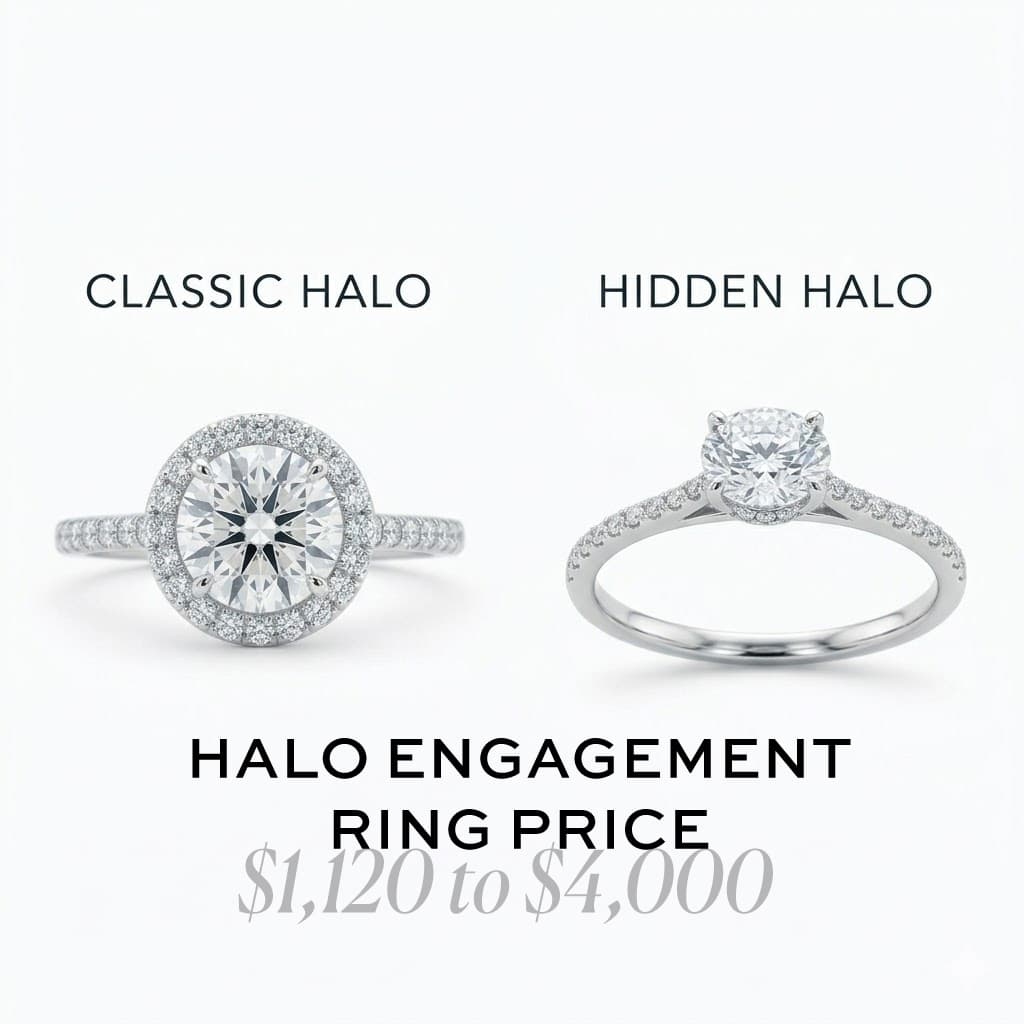
A halo diamond ring setting costs between $1,120 and $4,000 in 2026. Using a halo is the most effective way to make a 1.0-carat diamond achieve the 6.5mm visual footprint of a 1.5-carat stone, effectively saving the buyer $4,000+ on the center stone without sacrificing “face-up” diameter.
A halo isn’t just a design; it’s a financial lever. By adding a 1.5mm border of melee diamonds, you increase the surface area of the ring by 30%. In 2026, the ‘GIA Secret’ is using a halo to mask a lower clarity grade.
Because the peripheral sparkle is so intense, an SI1 diamond will look as clean as a VVS2 to the naked eye. This is the ultimate way to make a 10k engagement ring look like 20k.
The 2026 Halo Strategy
| Strategic Goal | 2026 Recommended Setting | Mehedi’s Technical Logic | Mehedi’s 2026 Verdict |
|---|---|---|---|
| Maximum Diameter | French Pavé Halo | Tilted melee stones prevent “Light Interference” between facets. | Size Master. Makes a 1-carat stone look like a 2-carat monster. Best in Platinum. |
| High Security | Hidden Halo Collar | Acts as a structural “bridge” to tie high-set prongs together. | Elite Safety. Crucial for protecting the girdle of VVS1 diamonds. Adds subtle side-profile fire. |
| Vintage Detail | Art Deco Floral | Best for geometric “secrets” and non-round shapes like ovals. | The Stylist’s Choice. Enhances oval cut diamond secrets with a unique geometric frame. |
| The 2026 Halo Verdict: Don’t just choose a halo for the sparkle; choose it for the architecture. For high-activity lifestyles, the **Hidden Halo Collar** provides the most durable prong reinforcement. If you are building a top-tier $10,000 build, the **Blue Nile Studio Platinum** halo is the industry benchmark for metal purity and melee stone security. | |||
If you are buying a Yellow Gold halo, stop overpaying for D or E color diamonds. The gold will reflect yellow into the stone anyway. Buy an I-color stone and use the $2,000 you saved to upgrade to a Platinum setting for better prong security.
Diameter Hack: Increase your surface area by 30% without the “Natural Carat Tax.” Shop the Clear The Vault Sale for top-rated French Pavé and Art Deco halos at Blue Nile.
Structural Savings: Secure a 2.0ct+ look with Upto 20% OFF Settings. Use the “Hidden Halo” collar to stabilize large center stones and mask clarity for 2026’s best value at James Allen.
You are currently facing a choice between a 1.5-carat solitaire for $12,000 and a 1-carat halo ring for $7,500. From three feet away—the “social distance” of jewelry—they look identical in size.
In 2026, most ‘buying guides’ are written by people who have never held a loupe. They tell you halos are ‘vintage.’ I’m telling you halos are structural and financial assets.
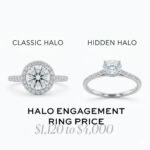
A hidden halo ring cost is often lower than a classic halo, yet it provides a structural ‘collar’ that keeps your center stone from knocking loose.
Today, we are moving past the ‘look’ and into the physics of sparkle. We’ll use 2026 data from James Allen and Blue Nile to find the ‘Sweet Spot’—the point where you stop paying for metal and start paying for light performance.
The Technical Scope:
- The “Structural Collar” Hack: Why the cathedral hidden halo settings are the only safe way to mount a 2ct+ lab diamond.
- The Color Reflex Warning: How yellow gold ruins a D-color diamond’s value.
- The Melee Loss Chart: Which settings are “Resizing Nightmares” and which are safe for life.
Diamond IQ Test: Natural or Lab-Grown?
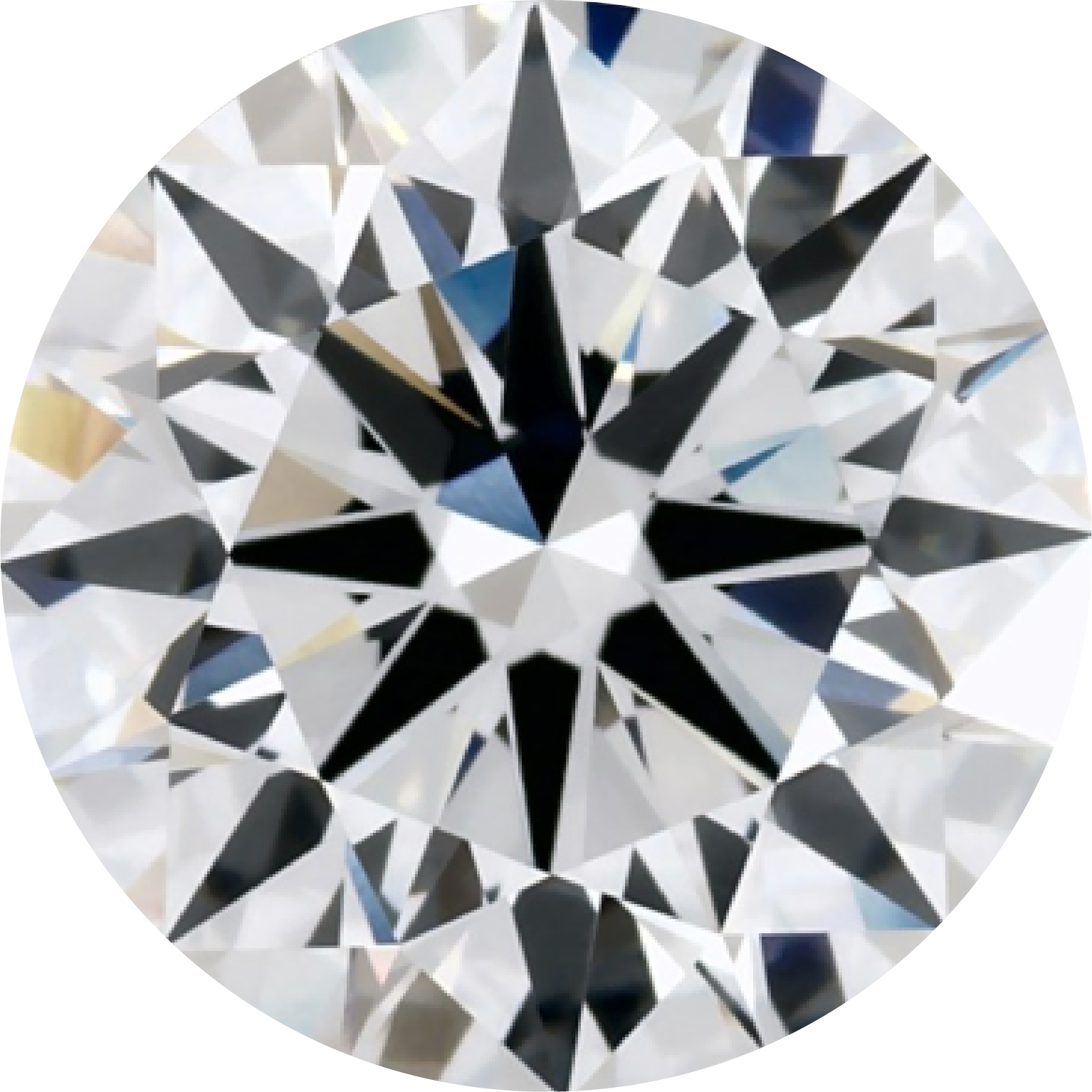
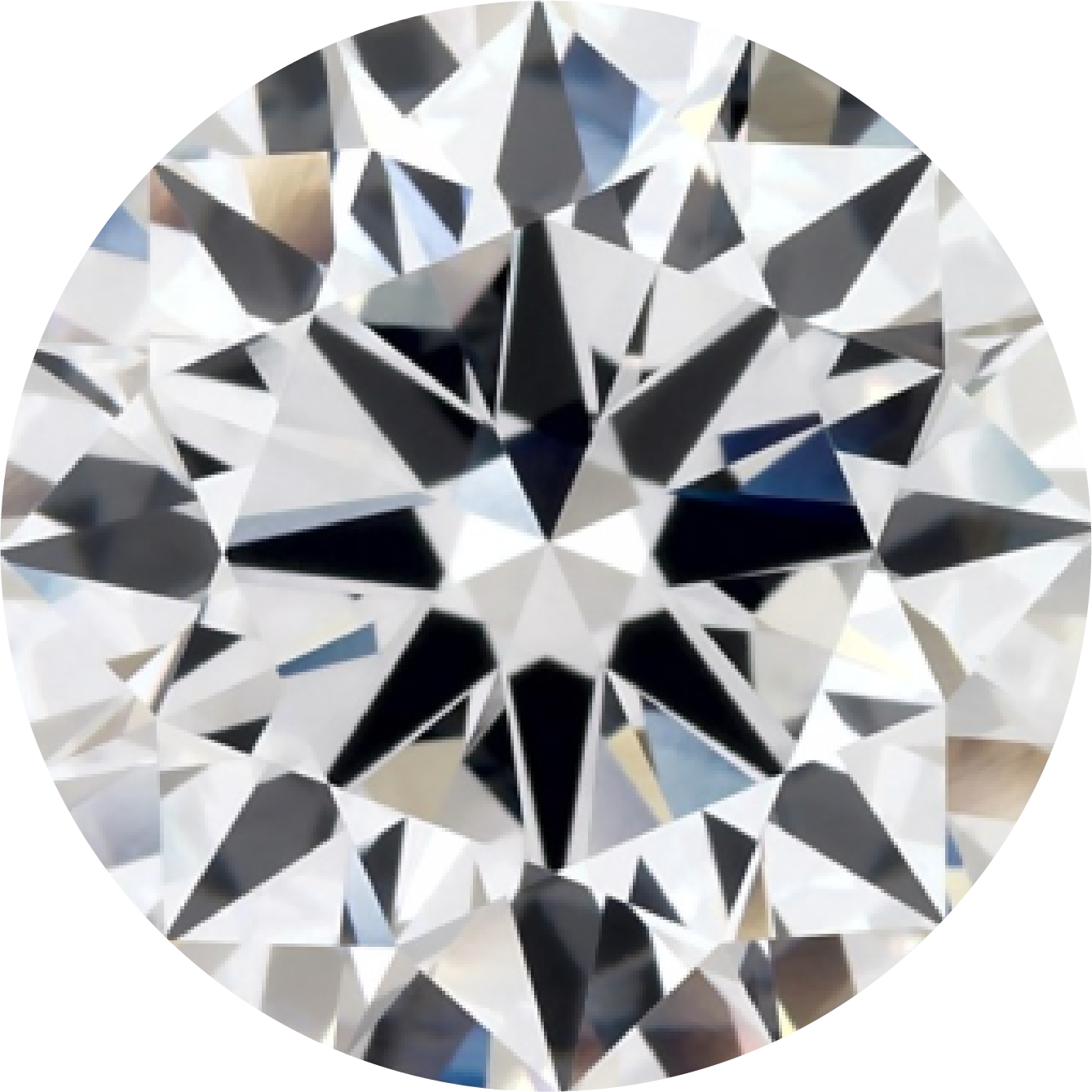
Two identical diamonds: GIA Certified, 1.51ct, D Color, VVS1, Ideal Cut. One is natural ($16,530), the other is lab-grown ($2,390). Choose the diamond you like better and see if you can match it to its origin.
Setting Costs: The 2026 Price Tiers (Real Data)
When you are looking for the true halo engagement ring price, you aren’t just paying for a band; you are paying for the “Melee Labor.” In 2026, the cost of setting 50 tiny diamonds by hand is often higher than the cost of the metal itself.
How Much Does a Halo Setting Actually Cost?
If you already have a center stone and are looking for the halo ring mounting only price, you need to understand the “Diminishing Returns” wall.
In 2026, after you cross the $2,500 mark, you aren’t necessarily getting “better” diamonds—you are paying for the density of Platinum or the high labor cost of multi-row settings.
2026 Halo Price Tiers: The Technical Breakdown
| Tier | 2026 Setting Example | Price Point | Technical “Value” Factor | Mehedi’s 2026 Verdict |
|---|---|---|---|---|
| The Entry Level | Diamond Half Halo (14K) | $1,120 | Minimalist frame; lowest melee count. | Smart Buy. Adds a modern “arch” look to a 1-carat solitaire without the full halo price tag. |
| Industry Standard | French Pavé Halo | $2,675 | High melee count (1/2 ct. tw.) | The 2026 benchmark for quality. Use my under-$10k guide to pair this with a VVS1 center stone. |
| Niche Luxury | Marquise Dual Halo | $3,880 | Extreme finger coverage; dual-row labor. | The Showstopper. Provides the largest visual footprint available in the James Allen collection. Ideal for a 3-carat heart build. |
| The 2026 Halo Verdict: Don’t overlook the “Half Halo” for its simplicity; it offers the best value-to-sparkle ratio in the current market. If you want a hidden halo effect with top-down presence, the **French Pavé** remains the safe heirloom choice. For the ultimate asset protection, always choose Platinum for your halo setting to prevent melee loss. | ||||
As a GIA expert, I look at the Setting Fee. Most retail prices include the labor to set the tiny side diamonds, but they won’t tell you that mounting a stone you bought elsewhere usually adds a $100–$300 surcharge.
If you want to maximize your budget, target the engagement ring settings under $1500—this is where the metal-to-diamond value ratio is highest.
The “Melee Quality” Warning
“In 2026, many ‘budget’ halo settings use I1 clarity melee diamonds. These tiny stones can look ‘milky’ and actually dull the fire of your center stone. Always demand VS2/H quality side stones or better.
If you’re building your ring on James Allen, check the specs of the setting stones—don’t let $50 worth of low-grade side diamonds ruin a $5,000 center stone.”
If you’re worried about the long-term maintenance of these tiny stones, remember that the jewelry appraisal cost for insurance is a mandatory investment for halo owners. One snag on a sweater can pop a $50 melee stone out instantly.
The Hidden Halo: Trend vs. Structural Necessity
In 2026, the hidden halo has become the most requested modification in engagement ring design. While most influencers focus on the “secret sparkle” visible only from the side, as a GIA expert, I see a much more important technical benefit that most blogs completely ignore: structural reinforcement.
Hidden Halo vs. Classic Halo Price (The Expert Truth)
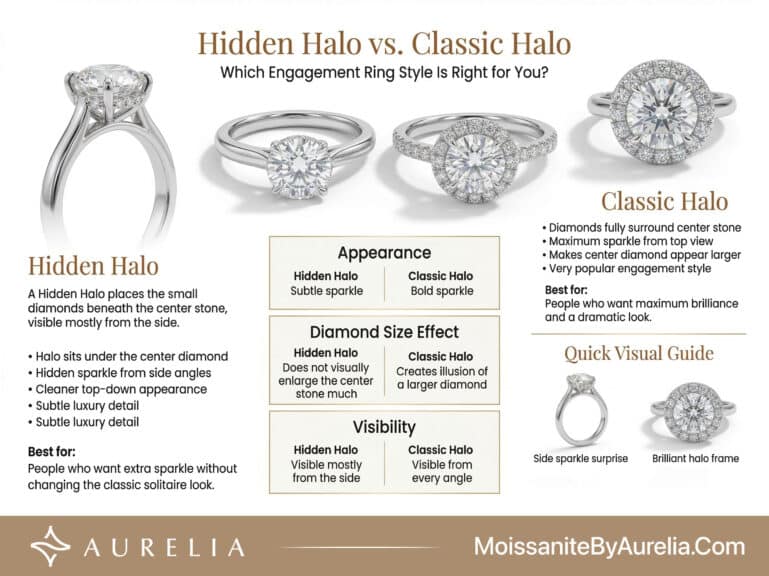
The “Hidden Halo” isn’t just a style choice—it’s an engineering upgrade. To win the debate between a classic halo and a hidden one, you need to understand the physics of the setting.
The Structural “Collar” Hack
A classic halo wraps around the girdle (the widest part) of the diamond. While beautiful, it adds significant width to the top of the ring, increasing the ‘snag risk.’ A hidden halo sits directly underneath the center stone.
It acts as a structural ‘collar’ or ‘bridge’ that ties the four prongs together. By connecting the prongs at a secondary point, it makes a high-set diamond infinitely more stable against side impacts. It’s the difference between a fence post in the ground and a reinforced tripod.
2026 Price Comparison: Why “Hidden” Costs Less
Surprisingly, choosing the safer, more modern option can actually save you money. Because hidden halos typically use fewer “melee” (tiny) diamonds than a full perimeter halo, the labor and material costs are lower.
- The Classic Cost: A standard halo like the French Pavé Diamond Halo averages $2,675.
- The Hidden Savings: The James Allen Crown Pavé Hidden Halo in 14K White Gold is currently priced at just $1,345.
Security Verdict: 1.5 Carat+ Stones
If you are mounting a large stone, such as a 1.5 carat emerald cut diamond ring or a 3 carat radiant cut diamond, the hidden halo is my #1 recommendation. It prevents the prongs from bending outward under the weight of the stone, which is a common cause of lost diamonds in high-profile solitaires.
If you want the ultimate security, look for a Cathedral Hidden Halo. This style combines the arched support of a cathedral with the collar-strength of a hidden halo.
You can read my full Cathedral Hidden Halo Settings Luxury review to see why this is the only safe way to mount a 2-carat lab-grown stone in 2026.
By opting for this style, you’re not just following a trend; you’re investing in a hidden costs of engagement ring prevention strategy. You save roughly $1,000 on the setting price while making your ring twice as durable as a standard solitaire.
The “Melee Loss” Security Chart
If you are a frequent traveler or lead an active lifestyle, the “hidden cost” of a halo setting isn’t the purchase price—it’s the maintenance. Halo rings are engineered with dozens of “melee” diamonds (tiny stones usually weighing 0.01ct).
While they provide massive sparkle, they are held by microscopic prongs that are vulnerable to daily friction.
Micro-Pavé Diamond Loss Risk (Read Before You Buy)
The most common reason for stone loss in 2026 isn’t a faulty center stone; it’s the “Resizing Distortion.” Because halo settings are often intricate, stretching or compressing the band during a resize puts torque on the tiny prongs holding the melee stones.
If the jeweler isn’t a master craftsman, those stones will begin popping out within weeks.
Technical Security Comparison: Halo Setting Styles
| Halo Setting Type | Melee Profile | Resizing Difficulty | Risk of Stone Loss | Mehedi’s 2026 Verdict |
|---|---|---|---|---|
| Hidden Halo | Low (Underneath) | Easy | Low | Smart Buy. Since the shank is plain, resizing costs remain minimal. Best for active lifestyles. |
| Classic Halo | Medium (Top Rim) | Moderate | Medium | The 2026 standard for a 1-carat solitaire upgrade. Balance of sparkle and stability. |
| Micro-Pavé Halo | High (Multi-row) | Very Hard | High | High Maintenance. Small stones are prone to popping. Not recommended for those who skip regular jewelry inspections. |
| The 2026 Maintenance Verdict: If you value long-term structural security, the **Hidden Halo** in a Platinum setting is the winner. For the absolute maximum finger coverage, the **Micro-Pavé** is unbeatable, but ensure you buy from a top retailer like James Allen who offers comprehensive protection for melee stones. | ||||
As a GIA expert, I have a strict rule for my clients: Do not sleep or shower in a micro-pavé halo. The friction against bedsheets and the chemical buildup from soaps can loosen micro-prongs over time.
If you lose a stone, you’ll need to know the ring resizing cost and repair fees, which can quickly add up if you don’t have insurance.
Maintenance: The “Soft Touch” Rule
Cleaning a halo ring at home requires a specific approach. Because the stones are so small, aggressive scrubbing can actually “dig” a stone out of its seat.
- The Expert Method: Use a dedicated ultrasonic cleaner or an ultra-soft baby toothbrush.
- The “Sanity Check”: Every six months, take your ring to a professional. They will perform a “stone check” to ensure no prongs have been flattened. This is especially vital for the best engagement rings for nurses who are constantly snapping medical gloves over their settings.
Before you buy that high-sparkle micro-pavé, ask the jeweler if they offer a ‘Lifetime Melee Replacement’ guarantee. Retailers like James Allen and Blue Nile are generally excellent with this, but local shops may charge you $50+ every time a tiny stone goes missing.
Factor this into your jewelry appraisal cost for insurance so you are never paying out of pocket for these tiny ‘sparkle repairs.’
GIA Expert Hacks: Clarity and The “Color Reflex”
If you want to win the engagement ring game in 2026, you have to stop buying based on “perfection” and start buying based on optics.
As a GIA expert, I use the halo setting as a technical tool to hide a diamond’s flaws, allowing you to save thousands of dollars without losing a single ounce of “social sparkle.”
Does a Halo Hide Diamond Inclusions?
The short answer is: Yes, absolutely. The physics of a halo setting work in your favor when it comes to clarity.
The Clarity Hack:
In a simple solitaire, a black inclusion in the center of the stone is easy to spot. But in a halo setting, the sheer volume of peripheral sparkle from the 30+ tiny side diamonds creates ‘visual noise.’ This distracts the human eye from focusing on minor imperfections in the center.
You can confidently drop your center stone to an SI1 clarity or even a high-performing SI2 diamond, and to the naked eye, the ring will look flawless.
Real-World Clarity Examples
- The “Eye-Clean” Combo: Pair a Blue Nile Classic Halo ($1,545) with a natural G-VS1 diamond. Because the halo stones are VS2 grade, they create a “brilliance buffer” that makes the center stone look like an Internally Flawless (IF) diamond.
- The Budget Move: Use the James Allen Diamond Half Halo ($1,120) to frame an I1 clarity diamond. The sparkle from the half-halo reflects light into the side facets of the center stone, masking inclusions near the girdle.
Best Center Stone Color for a Yellow Gold Halo
In 2026, Yellow Gold is the #1 trend for halo settings. However, most buyers make a catastrophic financial mistake here: they buy a “Colorless” diamond for a “Warm” metal setting.
The Color Reflex Warning (GIA Secret)
If you buy a flawless, icy D-color diamond and set it in a 14K Yellow Gold halo, the yellow metal will reflect inside the diamond’s facets like a mirror. This reflex turns your expensive D-color stone into an H or I-color the moment it’s mounted. You are essentially paying for a high-grade color that you will never see.
The “Save $2,000” Strategy:
If you are choosing a yellow gold halo, follow the Mehedi Color Rule:
- The Platinum Standard: If you want that icy look, buy the 1-carat D color diamond and mount it in the James Allen Escalating Baguette Halo in Platinum ($2,800).
- The Value Hack: If you love yellow gold, buy an I color diamond and set it in the Blue Nile Graduated Diamond Halo ($1,570). The yellow gold masks the faint tint of the “I” stone, making it look colorless while keeping $2,000+ in your pocket.
I always tell my clients that Cut is King. If you have a diamond cut chart ‘Excellent’ grade, an H color diamond in a halo will out-sparkle a D-color solitaire every single time. Put the money you saved on color back into a better setting labor.
By leveraging these optical hacks, you can take a natural diamond engagement ring under 3000 and make it look like a $7,000 luxury piece just by playing the “Color Reflex” correctly.
The “Diamond Light Interference” Rule
One of the biggest mistakes I see in 2026 is the “Bigger is Better” trap regarding the stones in the halo itself. If the diamonds surrounding your center stone are too large, they don’t help the ring—they hurt it. This is a technical phenomenon I call Diamond Light Interference.
Why Some Halos Ruin Center Stone Sparkle
“If the halo diamonds are too large (typically over 0.05ct each), they begin to compete with the center stone’s brilliance. Instead of framing your diamond, they create a ‘busy’ look where the eye can’t focus on the main event.
This ‘sparkle competition’ actually makes your center stone look smaller and less defined.”
The Fix: “In 2026, Micro-halos are the expert’s choice. The halo diamonds should be no larger than 1.5mm. This ensures they provide a continuous ‘wall of light’ that frames the diamond without overpowering its internal fire.”
Mehedi’s “Sparkle Balance” Examples
To win the sparkle game, you need to choose a setting that complements, not competes. Here are three technical examples of how to get the balance right:
- The “Seamless” Frame: The French Pavé Diamond Halo in 14k White Gold ($2,675) uses tiny, hand-set melee stones. This creates a “river of light” that makes a 1.5 carat emerald cut diamond ring look like a single, massive block of ice rather than a cluster of small stones.
- The “Shadow Gap” Strategy: Look for settings like the Blue Nile Petite Twisted Halo ($1,635). The twisted metal creates a tiny “shadow gap” between the halo and the center stone. This technical detail defines the shape of your diamond (like an Oval or Pear) so it doesn’t get “lost” in the brilliance of the border.
- The Moissanite Power-Move: This is why a diamond halo for oval moissanite is trending. Because Moissanite has a higher refractive index than diamond, its intense “rainbow fire” easily cuts through the halo’s light return. You can see this effect in my moissanite diamond engagement rings guide.
Alternative Materials: Matching the Fire
If you are going the alternative route, remember that consistency is king.
“If you put a high-dispersion 5 carat moissanite inside a low-quality diamond halo, the halo will look ‘yellow’ or ‘dead’ by comparison. In 2026, the best practice is to match the light return.
If you want a lab diamond look, use a lab diamond halo. If you want the ultra-fire of moissanite, ensure the halo stones are Charles & Colvard quality to keep the sparkle uniform.”
Before you settle on a “Busy” halo, check out my radiant cut diamond secrets to see how the facet pattern of your center stone should dictate the size of your halo diamonds.
Double Halos, Florals, and Sapphire Accents
As we move deeper into 2026, the “Standard Halo” is being challenged by more personalized, high-volume designs. Whether you are looking for royal-inspired color or a vintage aesthetic, the price is no longer just about the metal—it’s about the complexity of the stone arrangement.
Double Halo vs. Single Halo Pricing
If a single halo adds 2mm of visual diameter, a double halo adds up to 4mm. This is the ultimate “Visual Arbitrage” play for those with a center stone under 1 carat. By surrounding a smaller diamond with two rows of melee, you can make a 0.50ct stone look like a 2.0ct powerhouse.
- The Single Halo Average: Expect to pay $1,100 to $1,800 (e.g., James Allen Diamond Half Halo at $1,120).
- The Double Halo Average: Prices jump to $2,500+ due to the doubling of hand-setting labor.
The Sapphire Advantage (Royal Style)
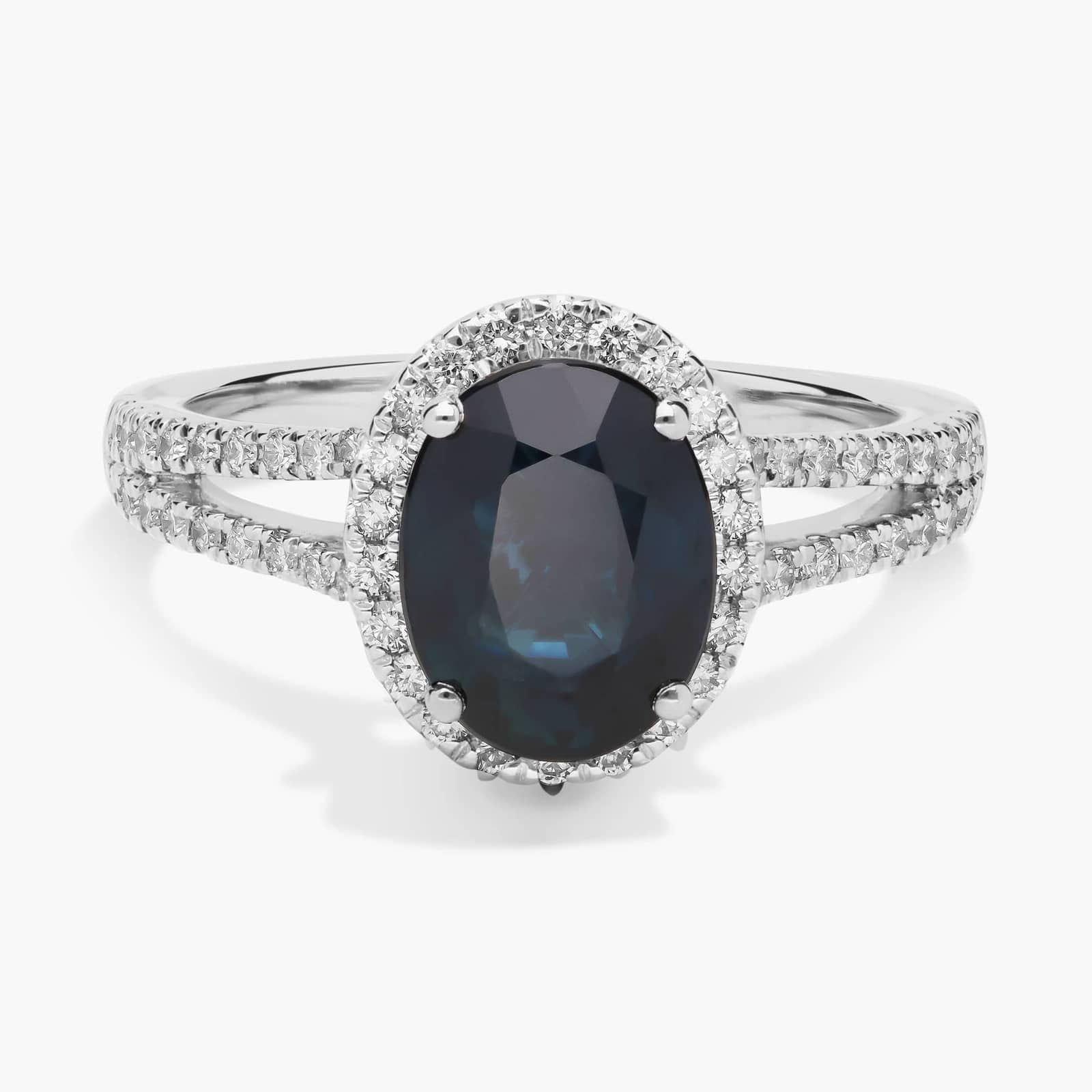
A massive trend in 2026 is the use of colored gemstones to create contrast. The Blue Nile Sapphire and Diamond Double Halo ($2,510) is the perfect example.
By using blue sapphires in the inner halo, you define the center diamond more sharply, preventing the “white-out” light interference I mentioned earlier. This is a brilliant way to incorporate the September birthstone sapphire into a high-end bridal look.
The Vintage Look: Floral and Art Deco Halos
For those who find modern pavé too “industrial,” the 2026 market has brought back Floral and Art Deco halos. These settings don’t just use a circle of diamonds; they use metalwork to create “petals” or geometric frames.
- Example: The Blue Nile Art Deco Inspired Floral Halo ($1,250).
- The Tech Benefit: Because this style uses more metal and fewer tiny diamonds, the custom floral halo engagement ring is often lower than a high-carat French pavé setting. It’s a way to get a marquise cut diamond ring with side stones look for a fraction of the price.
- Pairs Well With: These vintage frames are the #1 choice for a diamond halo for oval moissanite because the metalwork helps ground the intense fire of the moissanite.
Lab-Grown Integration: The $5,000 Luxury Rule
In 2026, the smartest buyers are using “The Integration Hack.” By pairing a high-end, intricate setting with a high-carat lab stone, you can stay well under a $5,000 total budget while owning a ring that would cost $25,000 in natural diamonds.
Mehedi’s Math for a Luxury Halo Build:
- Center Stone: 2 Carat Lab Diamond (F-VS1) — ~$1,100
- Setting: James Allen Marquise Dual Diamond Halo — $3,880
- Total: $4,980
If you have a $5,000 budget, don’t buy a 1-carat natural solitaire. Buy a 2-carat lab stone and put the rest of your money into a dual halo or a cathedral hidden halo settings luxury mounting.
You aren’t just buying a ring; you’re buying ‘Visual Real Estate.’ A 2-carat stone in a dual halo has more ‘finger coverage’ than almost anything else on the market.
Before you go for the biggest halo possible, check our diamond carat size chart to ensure the double halo doesn’t overwhelm your finger width.
FAQ: The Unfiltered Halo Guide
In 2026, the halo market is dominated by “Visual Arbitrage”—using clever settings to maximize a budget. Here are the direct, gemologist-vetted answers to your most frequent halo questions.
How much does a halo setting cost without the center diamond in 2026?+
A high-quality halo ring mounting (setting only) typically ranges from $1,120 to $4,000. Entry-level options like the James Allen Diamond Half Halo start at $1,120, while intricate, labor-intensive designs like the James Allen Marquise Dual Halo in platinum reach $3,880 or more. If you are on a strict budget, explore our guide to the best engagement ring settings under $1500.
Does a halo actually make the center diamond look bigger?+
Yes. A standard halo can increase the “face-up” diameter of your ring by up to 2 millimeters. This optical illusion allows a 1.0-carat diamond to achieve the visual footprint of a 1.5-carat stone, effectively adding about 0.50ct of visual weight for a fraction of the cost. See exactly how mm translates to visual weight in our diamond carat size chart.
What is the price difference between a classic and hidden halo?+
Surprisingly, hidden halos are often $300 to $1,000 cheaper than classic halos. Because they sit under the center stone’s girdle rather than wrapping entirely around it, they require fewer melee diamonds and less metal. For example, a Crown Pavé Hidden Halo costs around $1,345, whereas a full French Pavé Halo starts at $2,675. Read more in our hidden halo engagement ring review.
Can a halo setting hide inclusions in a lower clarity diamond?+
Absolutely. The intense “peripheral sparkle” generated by the surrounding halo stones creates visual noise that distracts the eye from the center stone. In 2026, dropping to an SI1 clarity diamond is a highly recommended strategy; the halo’s brilliance will make it look as perfectly eye-clean as a VS2 or VVS2.
What is the best diamond color for a yellow gold halo ring?+
The best value is an H or I-color diamond. Because the warm yellow gold reflects directly into the stone, an expensive, icy D-color diamond will inevitably absorb that tint and look like an “I” anyway. By strategically choosing an I color diamond, you can save $2,000+ while achieving a stone that looks perfectly balanced within its setting.
Are small diamonds in a micro-pavé halo likely to fall out?+
They carry a high risk compared to solid metal bands. Micro-pavé melee diamonds are held by microscopic prongs that can bend or warp under daily physical pressure. To prevent loss, avoid wearing your ring while sleeping or at the gym, and ensure you have a current diamond ring appraisal to properly insure against side stone replacements.
How much does a 2 carat lab diamond cost in a halo ring?+
In 2026, a complete build averages between $2,500 and $5,000. You can easily source a flawless 2 carat lab diamond under $3000 and pair it with a premium $1,500 halo setting, resulting in a massive, high-end “Big Look” that stays well under the five-figure mark of natural equivalents.
Can I safely resize a halo ring with diamonds on the band?+
It depends. Resizing a band adorned with pavé diamonds is risky because stretching or compressing the metal alters its curvature, which can easily loosen the tiny prongs holding the stones. If you require a significant size change, the jeweler may need to perform a complete “retightening” of every single side stone, which heavily impacts the hidden costs of an engagement ring.
Is a double halo significantly more expensive than a single halo?+
Yes. A double halo requires twice the amount of melee diamonds and double the meticulous hand-setting labor from the bench jeweler. While a high-quality single halo might cost $1,500, a comparable double halo (such as the Sapphire and Diamond Double Halo) easily jumps to $2,510 or more. You can compare setting styles in our Blue Nile review.
What is the best way to clean a halo diamond ring at home?+
The safest method is using an ultrasonic cleaner or soaking it in warm, mild soapy water and gently scrubbing with an ultra-soft baby toothbrush. You must avoid harsh household chemicals and stiff brushes, as aggressive scrubbing can easily snag and loosen the delicate micro-prongs securing your halo diamonds. Follow our safe washing techniques in the best jewelry cleaner guide.
Conclusion: Mehedi’s Judicial Verdict
The halo engagement ring is the ultimate “Visual Arbitrage” tool of 2026. It is a technical solution for the buyer who wants a 2-carat look on a 1-carat budget.
- The Best Value: If you want a modern, safe, and cost-effective ring, go with the Cathedral Hidden Halo. It offers the best structural security and the most sophisticated profile.
- The Expert Move: Buy an H or I color diamond in an “Ideal” cut and mount it in a yellow gold halo. You will save enough money to upgrade your wedding band to a full eternity style.
- The Warning: Don’t ignore the “Melee Risk.” A halo ring is a high-maintenance piece of engineering. Get it checked every six months to ensure your “wall of light” stays intact.
Don’t let a salesperson sell you on ‘romance.’ Buy based on structural integrity and light performance. A well-built halo is the smartest financial decision you can make in the 2026 diamond market.