

Expert Quick Take: The 2026 “Diamond Tester” Truth Bomb
In 2026, the gap between Moissanite and Lab Diamond has narrowed in price but widened in “Social Identity.” In my years as a GIA-trained expert, I’ve seen the most awkward “disaster choices” happen at the jewelry counter.
Here is the 2026 truth: Most basic diamond testers will actually identify moissanite as a diamond because they only test for thermal conductivity. If you are buying moissanite to “pass as a diamond,” you need to know that a professional Multi-Tester will catch the silicon carbide every time.
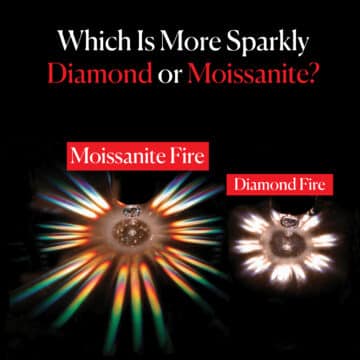
My advice? Don’t buy moissanite to fake a diamond; buy it because you want a stone that out-sparkles a diamond by 2.5x in rainbow fire.
If you want the “Diamond Prestige,” go Lab-Grown—prices have dropped so significantly in 2026 that 1-carat stones are now a commodity.
Moissanite vs. Lab Diamond (2026 Decision Matrix)
Moissanite and Lab-Grown Diamonds are both lab-created, but they are entirely different chemical species. Lab diamonds are pure carbon (real diamonds), while moissanite is silicon carbide (a unique gemstone).
Decision Snapshot: Which 2026 Path is Yours?
| If Your Priority Is… | Choose This Strategy | Mehedi’s 2026 Verdict |
|---|---|---|
| Absolute “Real” Status | Lab-Grown Diamond (IGI/GIA) | High ROI. It is chemically identical to mined diamonds. A lab diamond will last a literal lifetime without a single scratch or chip. |
| Max Sparkle per Dollar | VVS1 Colorless Moissanite | Maximum. Moissanite has a higher refractive index (2.69). It flashes “rainbows” where a round brilliant diamond flashes “white.” See my sparkle comparison for details. |
| Generational Longevity | Lab Diamond (10 Mohs) | Elite. Only a diamond reaches a perfect 10 on the Mohs scale. See my side-by-side guide for why this prevents facet abrasion over decades. |
| The “Big Look” Budget | 3-Carat+ Moissanite | Budget Hero. In 2026, a 3ct radiant cut moissanite costs under $800, while a 3ct lab diamond sits closer to $2,500. |
| The 2026 Decision Verdict: Choosing between moissanite and lab diamond comes down to your “forever” timeline. If you want an heirloom to pass down through generations, invest in the lab diamond for its hardness. If you want the most impressive, high-fashion impact for a 2026 engagement, moissanite offers unbeatable visual value. | ||
Deal Alert: Fast-Shipping Gifts — Up to 50% Off* fine jewelry at Blue Nile !
One In A Lifetime Sale: “Clear The Vault” – Get up to 70% OFF on select jewelry at Blue Nile !
Exclusive Offer: Flash Sale on James Allen Up to 40% Off * Sitewide engagement ring settings & Fine Jewelry at James Allen .
Mehedi’s 2026 “Buyer’s Cheat Sheet” for Success
- The “Double Refraction” Hack: If you look through the side of a moissanite, you might see the back facets look “doubled” or blurry. This is the Double Refraction signature of silicon carbide. Lab diamonds are Singly Refractive, meaning they stay crisp and sharp from every angle.
- The “Answer-First” Hook: A Lab Diamond is a Real Diamond because it has a 10/10 hardness and 2.42 refractive index. As a GIA expert, I recommend Lab Diamonds for engagement rings and Moissanite for earrings or pendants where the “disco ball” fire is a benefit, not a giveaway.
- Resale Reality Check: In 2026, both stones have low resale value compared to natural diamonds. Treat your purchase as a “lifestyle expense,” not a financial investment.
- The “Cloudy” Myth: Neither stone will “cloud” over time like Cubic Zirconia. If your stone looks dull, it’s just surface oil. A simple Jewelry Spa Treatment will bring back 100% of the luster.
Expert Final Verdict: Choose James Allen for Lab Diamonds to get that 40x zoom and GIA certification; choose Charles & Colvard or Amazon (Top-Rated) for Moissanite if you want the highest quality “Fire” in the world.
If you are comparing moissanite vs lab diamond side by side then there are 3 main things you should look at visual appeall, durability, & price. Each offers unparalleled beauty as well as their own unique set of advantages, but how do these stones really stack up against each other?
This post will break down the key features of moissanite and lab diamonds to help you understand the differences, similarities, and to make your decision for your next jewelry purchase.
Think You’re A Moissanite Pro?
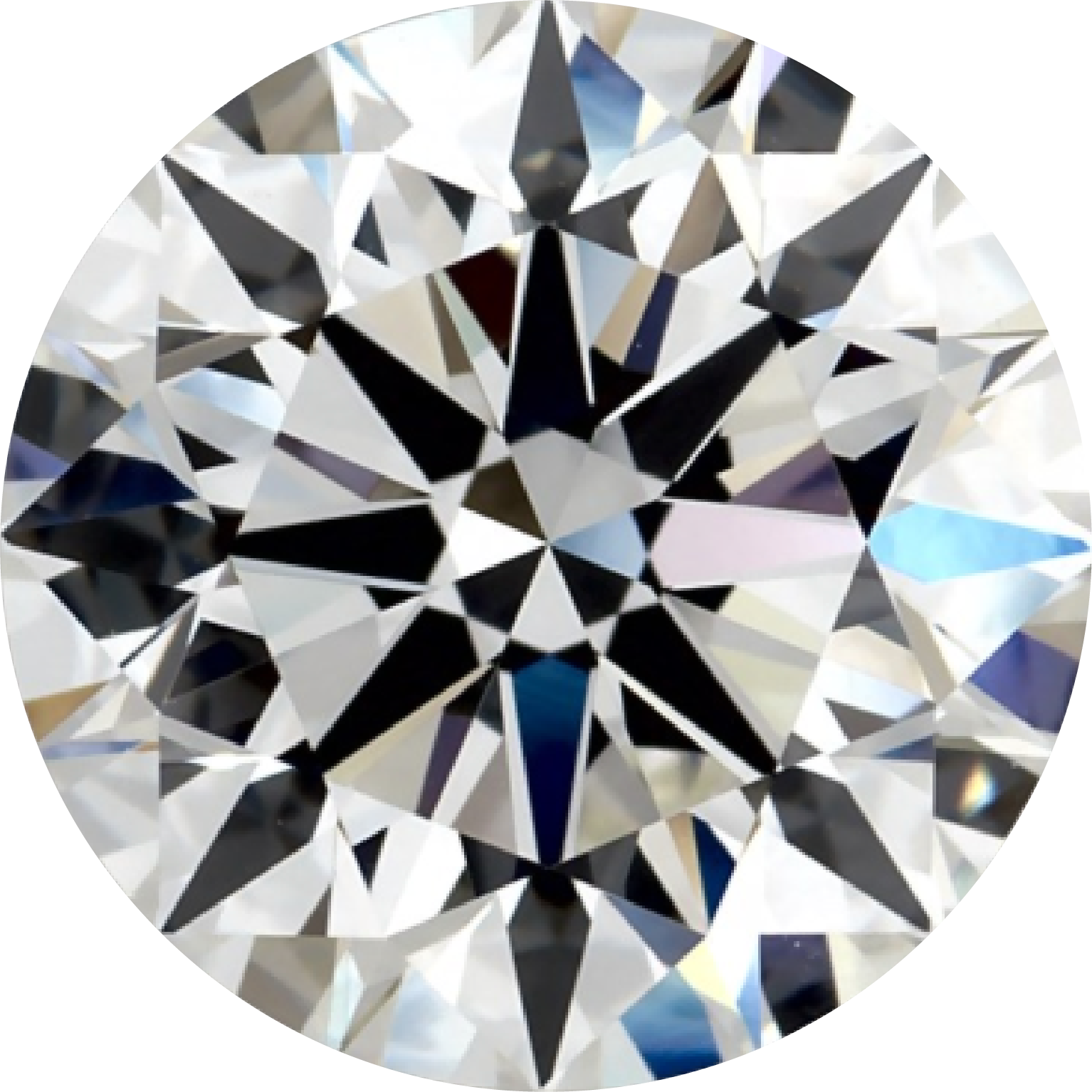
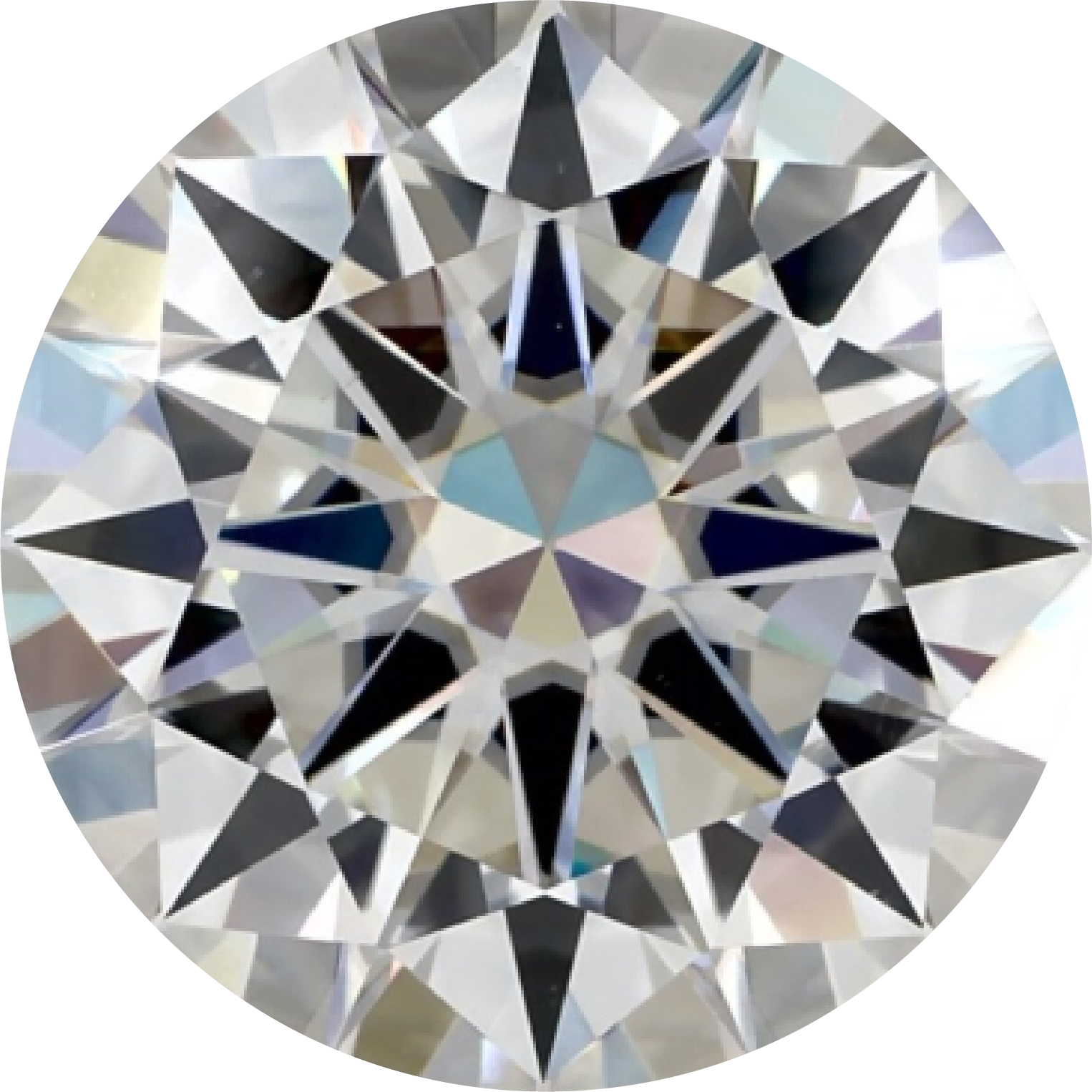
Think you’re a Moissanite Pro and can tell the difference? Choose the gemstone that you like better. Is it the one for $1,180 or the one for $39,000? Both are 2.48 carats.
Appearance Comparison: Moissanite vs Lab Diamond Side by Side
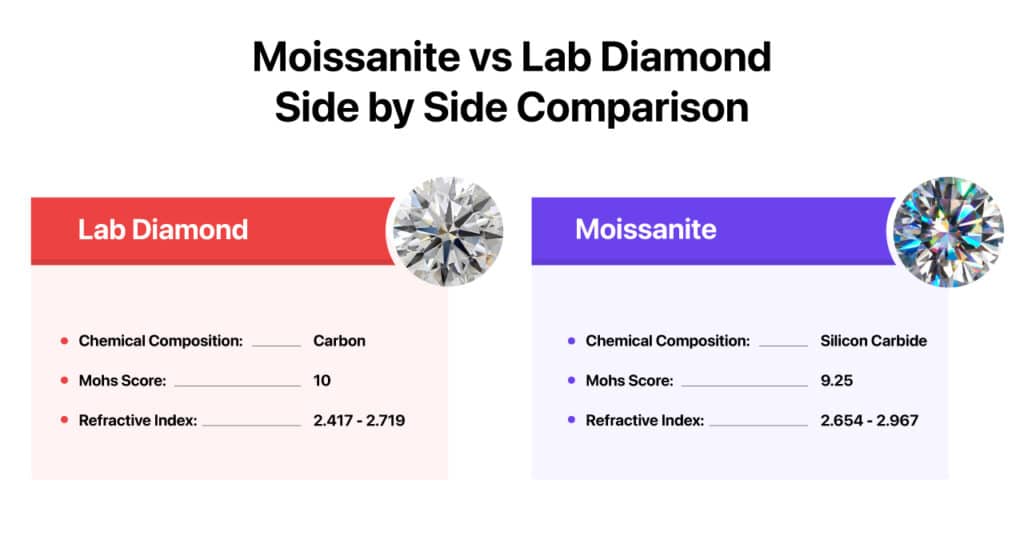
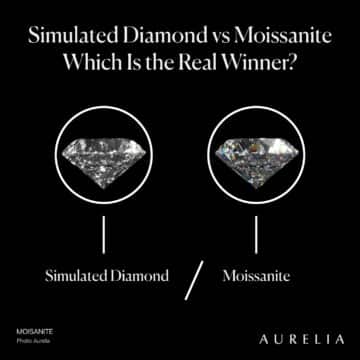
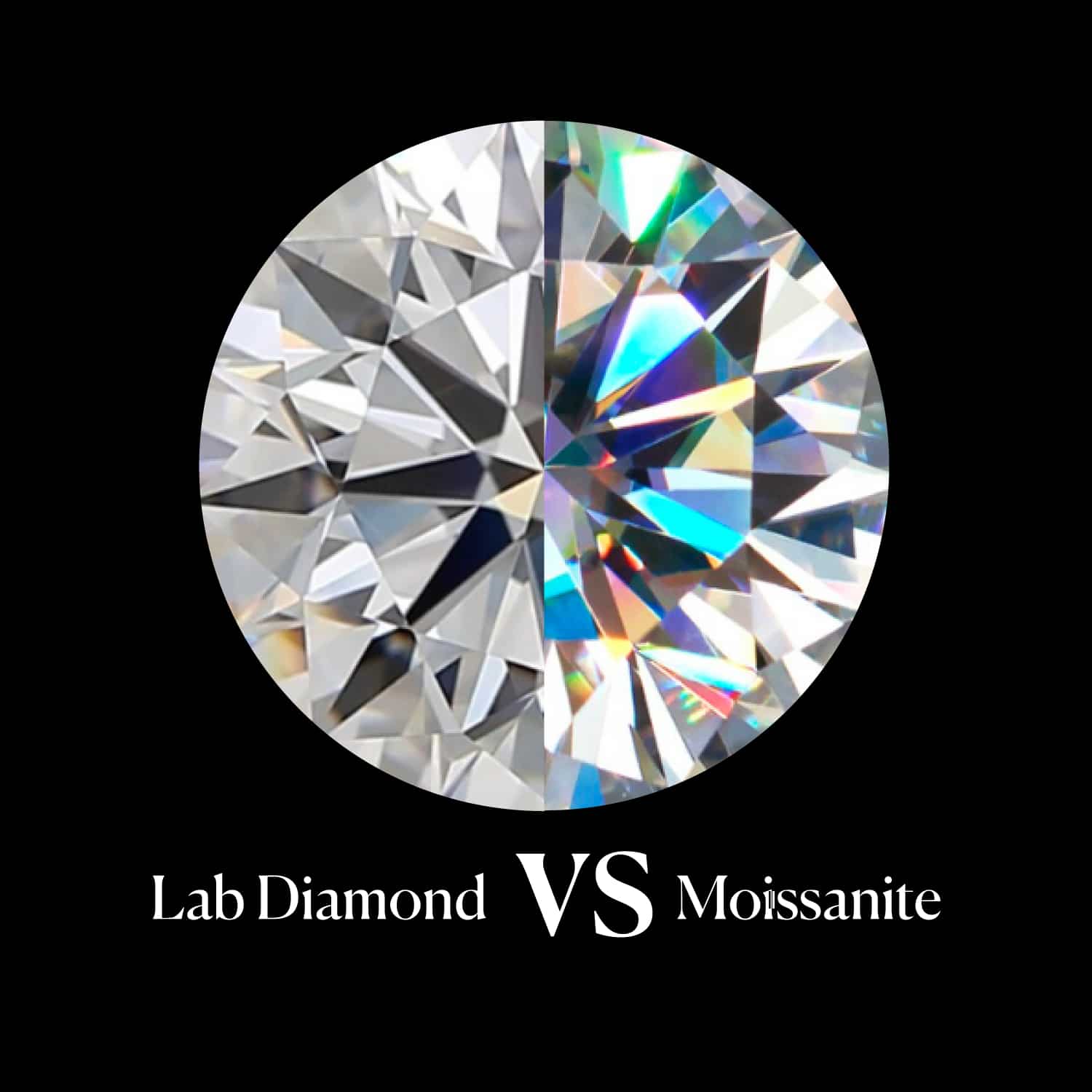
When comparing moissanite vs lab diamond side by side in terms of appearance, the differences can actually be seen in color, brilliance and sparkle. Although these two gemstones are both visually stunning, they each have some unique traits which will stand out with different types of buyers.
Visual Differences: Color, Luster and Sparkle
- Color: Moissanite often displays more color than diamonds in some types of lighting, particularly in larger stones. This is known as the “rainbow effect” and results in vibrant flashes of color from moissanite. In contrast, lab diamonds come in a whole spectrum of color grades, from colorless to faint yellow — the same scale used for natural diamonds.
- Brilliance: Moissanite gives moissanite more fiery brilliance than diamonds, as its refractive index (2.65 – 2.69) is higher than that of diamond (2.42). As such, moissanite tends to look “flashier” than lab diamonds because they disperse and reflect light differently, especially in higher-quality cuts.
- Sparkle: Because its sparkle is more even between brilliance (white light) and dispersion (colored light), lab diamonds tend to exhibit a steadier sparkle, whereas moissanite has a sparkly appearance that favors dispersion. The sparkles of lab diamond are understated, while others love the color and fire moissanite just below.
Diamond IQ Test: Natural or Lab-Grown?
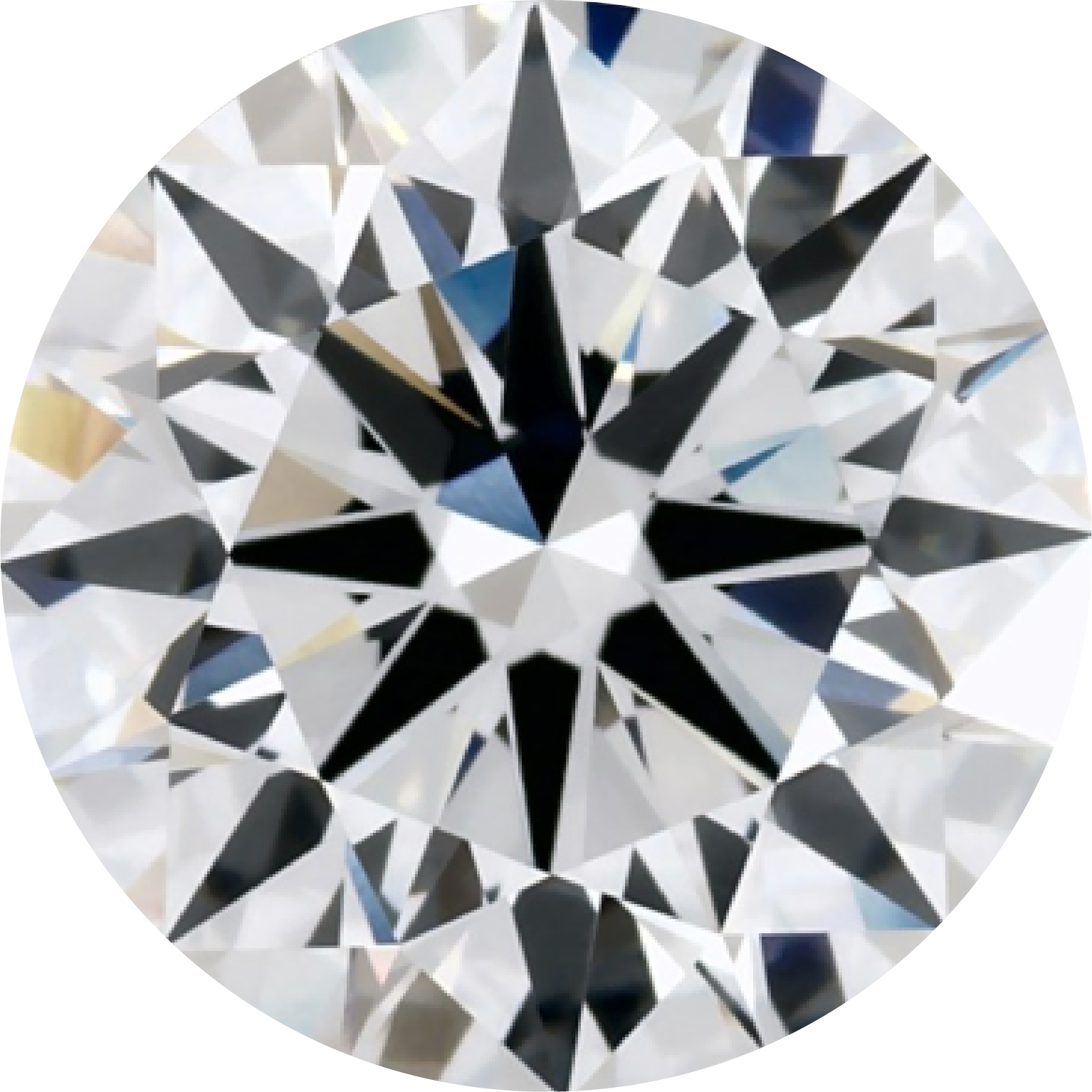
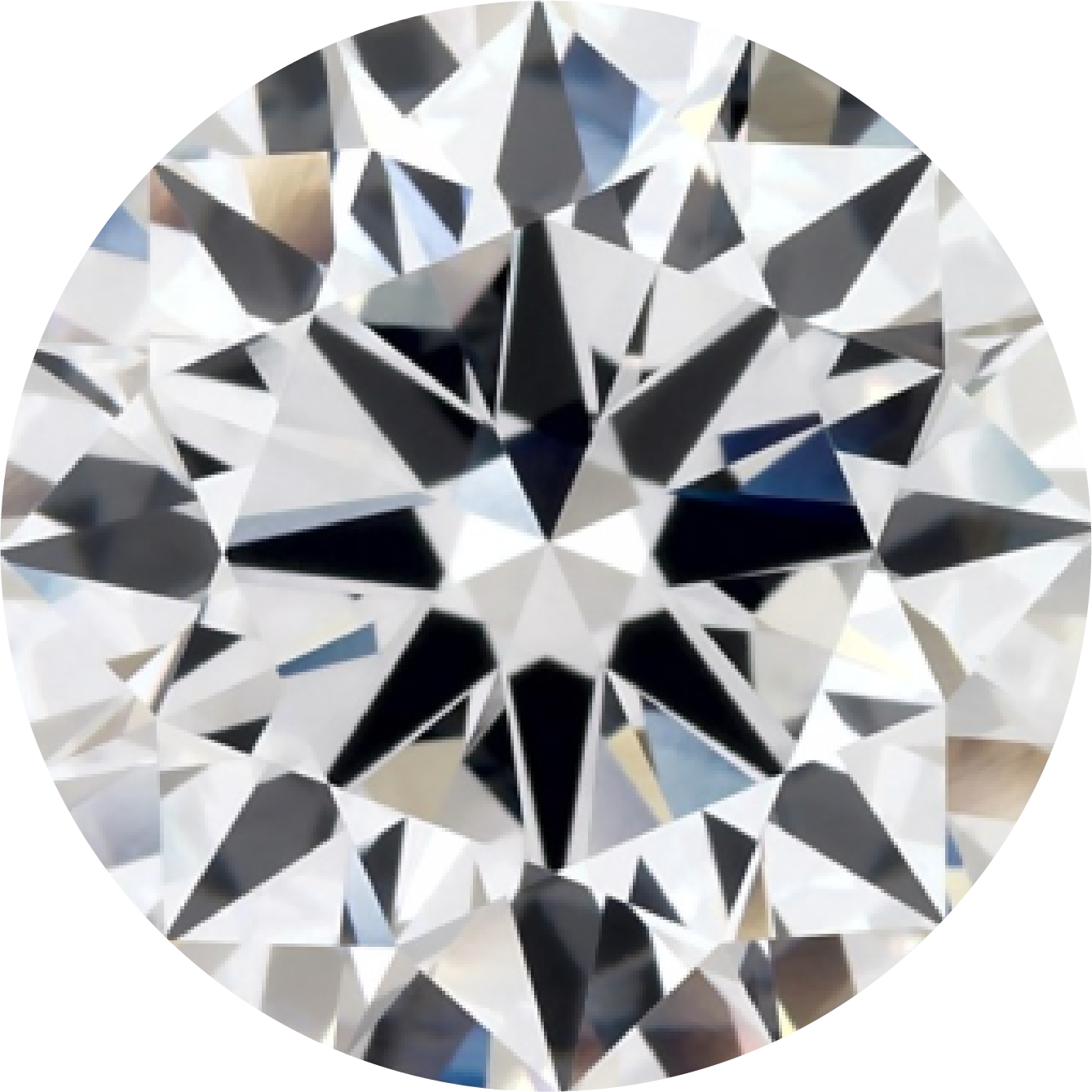
Two identical diamonds: GIA Certified, 1.51ct, D Color, VVS1, Ideal Cut. One is natural ($16,530), the other is lab-grown ($2,390). Choose the diamond you like better and see if you can match it to its origin.
The Fire factor of Moissanites vs the Clarity factor in Lab Diamonds
- Fire of Moissanite: Compared to lab diamonds, moissanite exhibits striking fire and can generate augmented colorful flashes. This means that moissanite is a good option if you want a sparkling stone that catches the eye.
- The Clarity of Lab Diamond: Compared to moissanite, lab diamonds often have fewer inclusions and blemishes. Because they are cultivated in controlled environments, their transparency can be as good quality as those of high-quality natural diamonds. Lab diamonds are preferred by buyers who value the clarity of a stone and desire more of a conventional diamond look.
Appearance Comparison Table: Moissanite vs Lab Diamond
💍 Limited Time: Forge your perfect ring! Get up to 20% OFF engagement ring settings at James Allen!
✨ Conscious Value: Save on brilliance! Lab-Grown Diamonds are now up to 10% OFF at James Allen.
🔥 Flash Sale:
Huge inventory blowout! Save
| Feature | Moissanite Profile | Lab Diamond Profile | Mehedi’s 2026 Verdict |
|---|---|---|---|
| Fire & Sparkle | Higher dispersion; “Rainbow” flashes | Lower dispersion; “White light” flashes | Moissanite is 2.4x more dispersive, meaning it will always have more colorful “fire” in direct sunlight. |
| Brilliance | Refractive Index: 2.65 – 2.69 | Refractive Index: 2.42 | Moissanite is technically “brighter” due to its double refraction, giving it a more intense disco-ball effect. |
| Color Range | Typically “D-E-F” (Colorless) | Available across the GIA D-Z scale | Lab diamonds offer more variety for those who prefer “warmer” (G-J) stones that look like traditional natural diamonds. |
| Clarity Expectations | Almost exclusively VVS1 | Varies from IF to SI2 | Top moissanite brands offer near-flawless clarity. With lab diamonds, you must carefully check the certification to avoid visible inclusions. |
| Best Place to Buy | Amazon (Value) | Blue Nile / James Allen | Use Amazon for “Big Look” moissanite sets; stick to established specialists for high-value lab diamond investments. |
| The 2026 Visual Verdict: If you love a jewelry piece that demands attention from across the room with colorful flashes, moissanite is your champion. If you prefer the understated, classic “ice-white” sparkle that exactly matches the tradition of natural gems, the lab-grown diamond is the superior choice for authenticity. | |||
Durability and Longevity: Which Gem is More Resilient?
Both gems are both tough enough for daily wear but in a direct moissanite vs lab diamond comparison of durability and longevity, they hold up pretty well against one another. Yet they differ on how resistant they are to scratches, abrasions and durability overall which may weigh on your decision.
Best Deal Of The Year – Final Days
Blue Nile’s “Clear The Vault” is ON.
Shop Fine Jewelry Upto 70% OFF.
*Exclusions may apply. See Blue Nile for complete details.
Scratch Resistance and Hardness
- Moissanite: With a Mohs hardness of 9.25, moissanite is one of the most durable gemstones and is able to handle daily wear quite well. When compared to diamonds, it is a touch softer than them but more scratch resistance than most other gemstones.
- Lab Diamond: Lab diamonds are also the hardest known substance, receiving a score of 10 on the Mohs scale. This is why they are one of the go-to options for engagement rings or other everyday wear pieces, because they are incredibly scratch resistant and durable.
Long-Term Durability and Wear
- Moissanite: The choice of a more affordable on the hardness scale compared to diamond makes moissanites resistant to chipping etc and lasts for long periods of time even with regular use. However, for very high impacts it is a little bit more prone to chipping than lab diamonds.
- Lab-grown diamond: Lab diamonds are extremely resistant to scratches, chips and breaks due to their hardness. The durability of sapphires makes them perfect for a stone that can last a lifetime with little risk of damage, even under extreme wear.
James Allen: Our 5-Star Choice for Price and Selection
Check our comprehensive James Allen Review to learn more about their pricing and commitment.
Durability and Longevity Comparison Table: Moissanite vs Lab Diamond
| Durability Metric | Moissanite (Silicon Carbide) | Lab Diamond (Carbon) | Mehedi’s 2026 Verdict |
|---|---|---|---|
| Mohs Hardness | 9.25 – Highly Resistant | 10 – The Maximum | Only a diamond can reach a 10. While moissanite is harder than sapphire (9.0), it can still be scratched by a diamond. |
| Chipping Resistance | Good (Toughness: 3.8 MPa) | Exceptional | In 2026, lab diamonds remain the choice for active lifestyles. Moissanite is durable but has more “brittleness” under heavy impact. |
| Facet Wear | Slight Abrasion Possible | Forever Sharp | Over 50+ years, moissanite facets may show micro-wear. A lab diamond facet edge will stay as sharp as the day it was cut forever. |
| Daily Suitability | Excellent for Modern Use | The Heirloom Gold Standard | If you want an engagement ring to pass down through generations, choose a large lab diamond for its chemical immunity to wear. |
| Where to Buy | James Allen | Amazon (Lab Selection) | For technical precision, James Allen is the authority on moissanite quality control. Use Amazon for affordable lab fashion. |
| The 2026 Longevity Verdict: While moissanite is 2.4 times more dispersive (sparkly) than a diamond, its slightly lower hardness means it requires more careful handling over a lifetime. For a 2026 buyer who wants a “zero-maintenance” stone that can withstand everything from gardening to the gym, the lab-grown diamond remains the most durable investment on Earth. | |||
Price Comparison of Moissanite vs Lab Diamond vs Diamond
The price difference is even more obvious when comparing moissanite vs lab diamond side by side, as well as natural diamonds. There are defining characteristics about each gem type, and also factors that come into play to determine the cost a customer pays for one.
In the next few sections, we are going to discuss how and why each gemstone is priced like it is, then finish up with a comparison table highlighting the key differences.
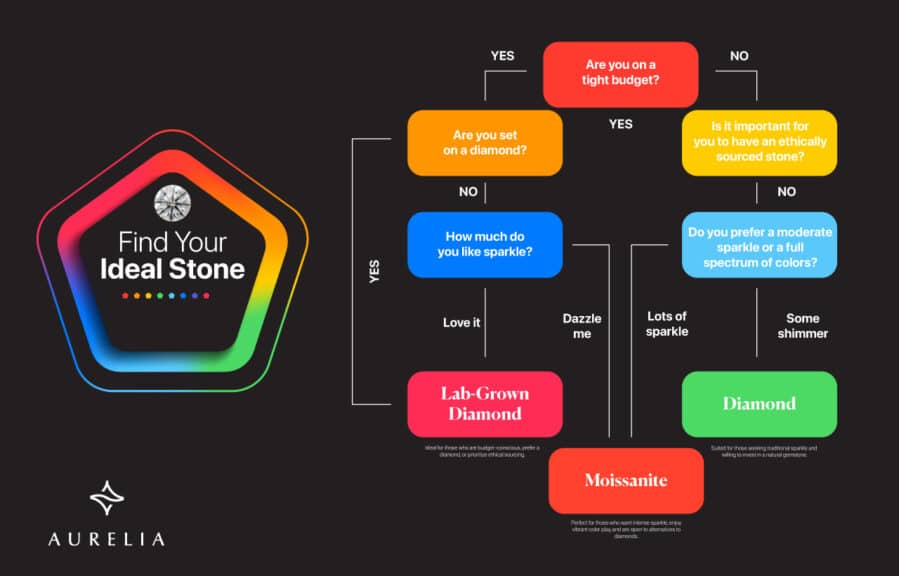
Comprehending the Cost: Moissanite, Lab Grown Diamond and Natural Diamond
Moissanite:
Famous for its sparkle and fire, moissanite is an extremely inexpensive diamond substitute. It’s more accessible prices-wise due to it being lab created and having unique structure, but does not skimp on durability.
The affordability of moissanite means that consumers can purchase larger carat weights without the hefty price tag. This is one of the reasons it is favored as an affordable gemstone for those looking in providing maximum sparkle.
A 1-carat moissanite ring costs between $500 to $800, depending on cut and quality, which is a great bargain for the look you get.
LGD (Lab Grown Diamond):
Chemically, physically and optically the same as natural diamonds, but created in a controlled environment. In place of billions of years, it only takes weeks via this process, and huge cost savings can be realised. Lab diamonds usually have a 60-70% price drop compared to natural diamonds but are still priced as a premium over moissanite due to the complex technology and time taken for their cultivation.
For example, a 1-carat lab-grown diamond ring can range from $2,500 to $3,000, reflecting its diamond authenticity at a lower price than natural options.
Read Our 5-Star Blue Nile Review
Check our comprehensive Blue Nile review to learn why we rated Blue Nile 5 stars for their exceptional quality and value.
Natural Diamond:
Natural diamond is a mined stone that is always considered as a luxury product because of its rare availability and long processes involved in extracting and polishing it. They cost the most of the three and as carat weight increases, prices skyrocket.
Depending on the color, clarity, and cut of the diamond a good natural 1-carat diamond can cost between $8,000 to $10,000. Many still will pay the cost for natural diamonds as they are naturally formed over billions of years therefore carry a greater inherent value and symbolic meaning.
Price Comparison Table: Moissanite, Lab-Grown Diamond, and Natural Diamond
| Gemstone Type | Carat Size | Avg. Price (2026) | Top Retailer & Value Link |
|---|---|---|---|
| Moissanite | 0.8 CT | $459 | View on Amazon |
| 1.0 CT | $599 | James Allen (Elite Cut) | |
| 1.5 CT | $1,049 | View on Amazon | |
| 2.0 CT | $1,609 | James Allen (Elite Cut) | |
| 3.0 CT | $2,319 | View on Amazon | |
| 5.0 CT | $3,469+ | James Allen (Investment Tier) | |
| Lab-Grown | 0.5 CT | $810 | Blue Nile Advantage |
| 1.0 CT | $2,760 | James Allen (CVD/HPHT) | |
| 1.5 CT | $6,630 | Blue Nile Advantage | |
| 2.0 CT | $10,520 | James Allen (HD Superzoom) | |
| 2.5 CT | $13,420 | Blue Nile Advantage | |
| 3.0 CT | $26,455 | James Allen (Elite Lab Tier) | |
| Natural Diamond | 0.5 CT | $2,075 | Blue Nile (GIA Certified) |
| 1.0 CT | $9,830 | James Allen (Ideal Cut) | |
| 1.5 CT | $17,970 | Blue Nile (GIA Certified) | |
| 2.0 CT | $35,355 | James Allen (Ideal Cut) | |
| 2.5 CT | $56,600 | Blue Nile (GIA Certified) | |
| 3.0 CT | $97,900 | James Allen (Ideal Cut) |
The Reason For This Price Differences
Rarity and Production Costs:
Natural diamonds are incredibly expensive because they need a lot of mining and processing. Despite being substantially less expensive to manufacture than those from the ground, man-made diamonds still require a considerable amount of complex technology.
Moissanite is still the easiest to produce as it’s lab-made and so the most economical.
Perceived Value:
Natural diamonds are already considered valuables in that they are naturally grown for more than a billion years. The same applies for lab-grown diamonds, which have the same allure as natural diamonds but do not carry the rarity pricing and therefore are a less expensive option.
It also boasts the brilliance of a diamond but at lower prices, attracting consumers on a budget who want sparkle with no heavy cost.
To sum up, the initial colour colours differ from gemstones can typically define price range. For customers on a budget, moissanite is the king of value; for those looking for an authentic diamond appearance without paying full price for mined diamonds, lab-grown diamonds are a great option.
And lastly natural diamonds will always be the luxury choice, perfect for buyers who want overall rarity and tradition.
Ethical and Environmental Considerations
One of the factors that influences many modern buyers when considering moissanite vs lab diamond side by side, is the ethics and environmental impact of their choice.
Environmental Advantages of Moissanite and Lab Diamonds
While both of these options —moissanite and lab-grown diamonds— are generally regarded as eco-friendly and ethically responsible, they still have a lower environmental impact than natural diamonds that require significant mining to be procured where ecosystems and communities can be put at risk.
With most of the resources and waste produced during its growing process, Moissanite is entirely lab made hence tends to have an almost zero carbon footprint. In the same way, lab-grown diamonds do not have to be mined thus being more environmentally friendly.
Sustainability Comparison
Lab diamonds:
Lab diamonds have become an these days well-liked trend for consumers who care about labor morality. When buyers choose lab grown diamonds — such as those from Blue Nile and James Allen — it helps pave the way for a more sustainable jewelry sector.
Although the energy consumption to produce lab diamonds remains high, more and more companies are now relying on renewable sources of energy in production (making lab diamonds still a much greener option than mined ones).
Moissanite:
While moissanite itself is tough to find in nature, the man-made process used to create it makes for a sustainable alternative. It is not a diamond at all, it does not face the same ethical issues associated with typical diamond mining, and it does not take as much energy to create as lab-grown diamonds.
Its production is even more eco-friendly than lab diamonds, rank among the best picks for those looking to shop sustainably.
With either moissanite or lab diamonds, the customer will have the peace of mind that they made a more eco-friendly and ethically-conscious decision, without having to pay the environmental price typically associated with natural diamonds.
Value for Money: What’s the Best Option for You?
The choice between moissanite and lab-created diamonds really comes down to your individual priorities and preferences. Here is a breakdown to help you determine which gemstone may be best suited to your needs:
Why Choose Moissanite?
- Affordable: Moissanite is high quality at a low cost, giving you the look of sparkle for a mere fraction of the price compared to both lab created or real diamonds.
- Sparkle and shine: Because of Moissanite’s high refractive index, it often sparkles even more than a diamond. Moissanite is a perfect fit for the lovers of a bright and eye-catching look.
- Durability: Very durable and resistant to scratches (9.25 rating on the Mohs hardness scale). Perfect for everyday wear!
- Environmental Choice: Because this stone is entirely lab-created, moissanite production has less impact on the planet.
Why Choose a Lab Diamond?
- Same Diamond Characteristics: Since lab diamonds are chemically and visually identical to natural diamonds, if you want the closest thing to an “actual” diamond without nature in its history, a lab diamond offers as close to a true diamond experience as possible.
- Ongoing Investment: Long-term lab diamonds are more valuable than moissanite, but still much less expensive than natural diamonds. This is something buyers can factor in if they view their purchase as a lifetime investment.
- Traditional Appeal: For people searching for a timeless aesthetic, lab diamonds possess the classic appeal of natural diamonds such as unique clarity and color grading.
Since it shines just as bright as diamonds if not more, moissanite is an ideal option for those who are on a budget, and want something beautiful with strength. But if you really need a true diamond for symbolic or aesthetic reasons, lab-grown diamonds are a great option that combines the best of both worlds in the most sustainable way possible.
Final Thoughts on Moissanite vs Lab Diamond Side by Side
So when comparing moissanite vs lab diamond side by side, both stones have their pros and cons. So here, as a reminder to make an informed selection:
- Looks: Moissanite is still the most brilliant and fiery of gemstones, while a lab diamond offers the same sparkle and brilliance as an earth-mined diamond.
- Pricing: Moissanite is more affordable than its diamond alternatives while lab diamonds provide a true diamond quality yet stay more manageable on your budget.
- Ethics and Sustainability: Both diamond alternatives are ethical and sustainable options when compared to natural diamonds. Moissanite has a reduced environmental footprint and lab diamonds deliver genuine diamond charisma without the mining emissions.
Ultimately, it’ll all come down to what is most important to you. If you are looking for something brilliant and cost-effective, then a moissanite the perfect stone! Lab-grown diamonds from Blue Nile or James Allen are perfect if you want the feel of a true diamond but with less environmental impact.
Whichever route you take, both beauties help to commemorate moments in life with a wonderful touch of conscience.
James Allen is a top leader in online diamond sales, offering cutting-edge imaging technology that lets you inspect diamonds as if you were using a jeweler's loupe. With the largest exclusive selection of loose diamonds available online and excellent pricing, they also boast one of the finest collections of lab-created diamonds on the market. They currently run a 25% discount on selected lab-grown diamonds!
WHAT WE LOVE ABOUT THEM:
- 30-day no-questions-asked return policy, with a prepaid shipping label provided by James Allen.
- Lifetime warranty on all purchases.
- Free international shipping.
- Complimentary prong tightening, repolishing, rhodium plating, and cleaning every six months.
- Insurance appraisals included with purchases.
- One free resizing within 60 days of purchase.
- Free ring inscriptions available.
- Best-in-class high-quality imagery for every diamond in stock.
- 24/7 customer support.
- Premium, best-in-class packaging.


Blue Nile is one of the biggest and most recognized online jewelry retailers, offering an extensive and exclusive inventory. Their high-resolution images are improving and getting closer to the quality offered by James Allen, while their prices remain highly competitive. Right now, Blue Nile offers up to 30% savings on jewelry during a limited-time sale.
WHAT WE LOVE ABOUT THEM:
- 30-day no-questions-asked return policy, with a prepaid shipping label provided by Blue Nile.
- Lifetime warranty on all purchases.
- Free shipping on every order.
- Complimentary services every six months, including prong tightening, repolishing, rhodium plating, and cleaning.
- Insurance appraisal included with your purchase.
- One free resizing within the first year.
- High-quality images available for roughly half of their diamond selection.
- 24/7 customer service support.
- Full credit toward future upgrades, as long as the new item is at least double the value.
- Best-in-class order fulfillment process.