
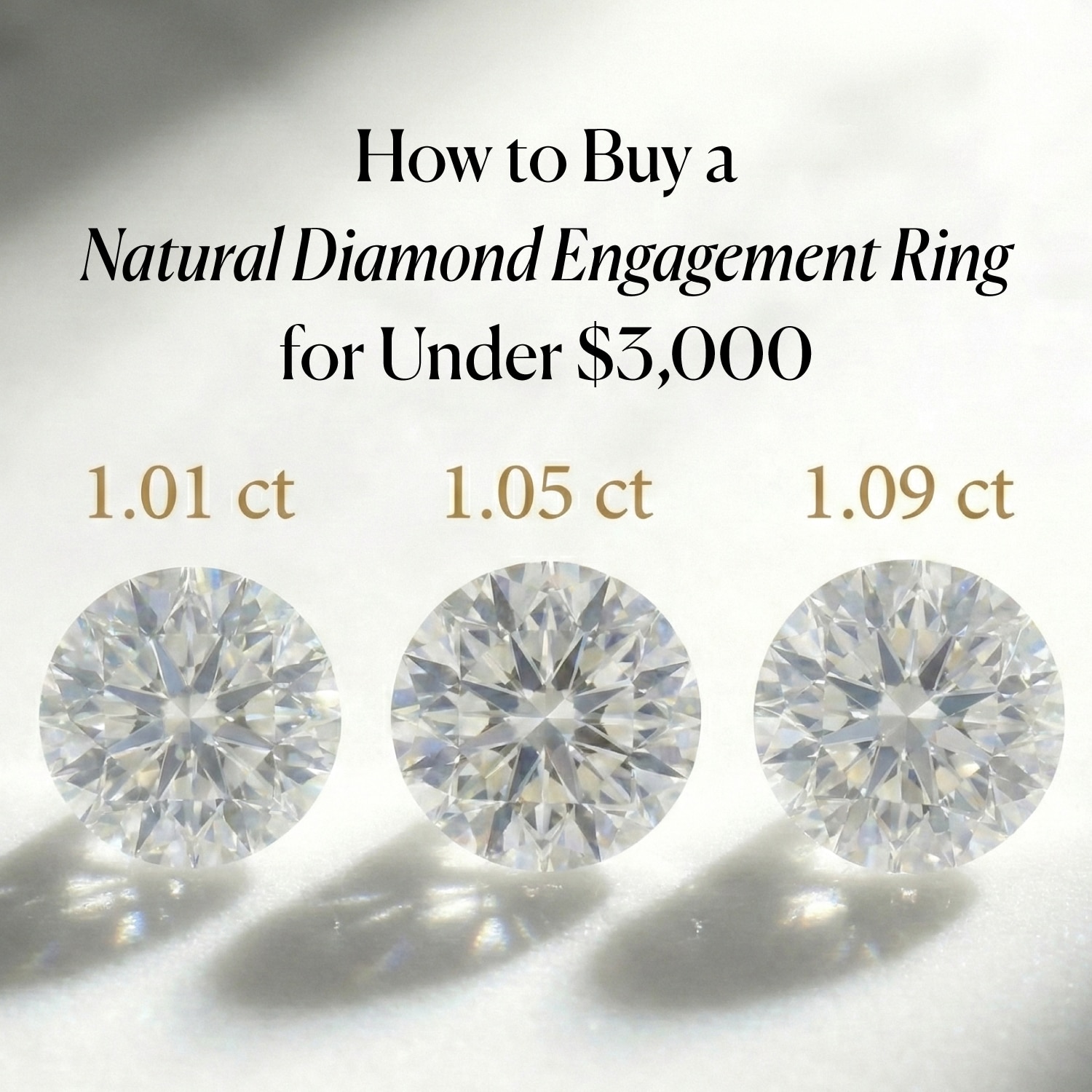
Can you afford a Natural Diamond Ring for $3,000?
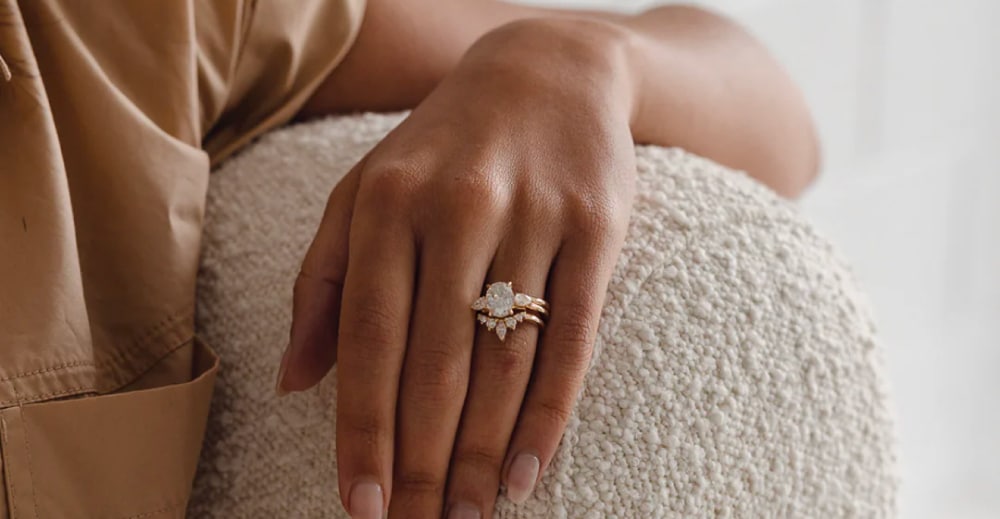
Yes. A budget of $2,400 for the stone (and $600 for the setting) secures a GIA Certified 0.90ct – 1.05ct Natural Diamond. To maximize value, target H/I Color and SI1 Clarity (verified eye-clean) set in 14K Gold. If you prioritize “Colorless” (D-F) specs, look for the “Magic Weight” range of 0.80ct – 0.85ct to save 20%.
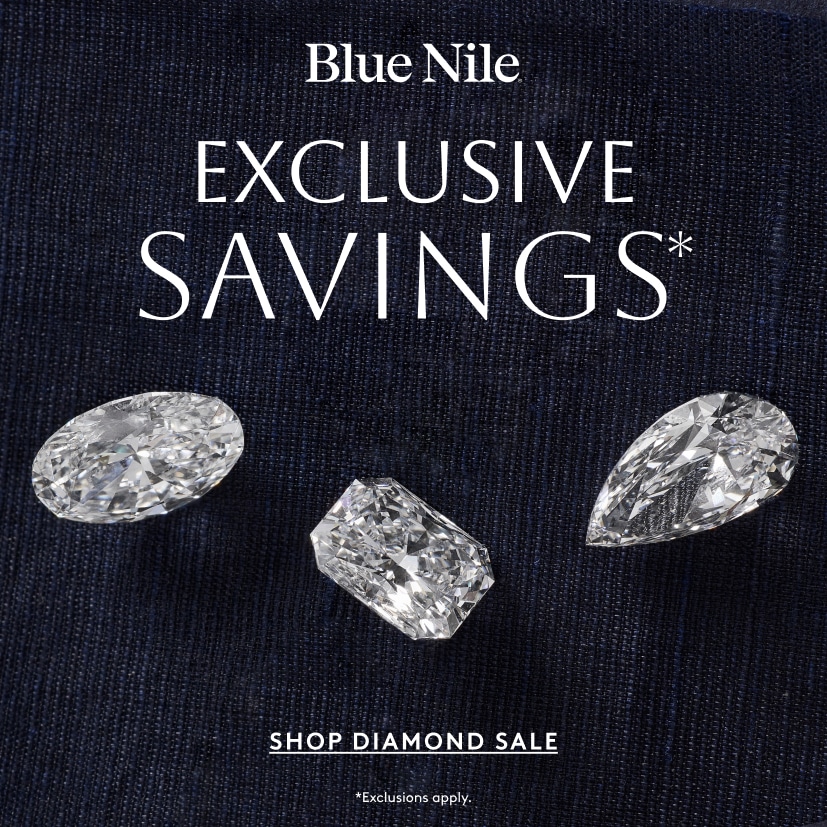
Deal Alert: Fast-Shipping Gifts — Up to 50% Off* fine jewelry at Blue Nile !
One In A Lifetime Sale: “Clear The Vault” – Get up to 70% OFF on select jewelry at Blue Nile !
Exclusive Offer: Flash Sale on James Allen Up to 40% Off * Sitewide engagement ring settings & Fine Jewelry at James Allen .
While the world goes crazy for Lab-Grown diamonds, there is something undeniably romantic about a Natural Diamond. Holding a gemstone that was forged deep in the Earth’s mantle three billion years before dinosaurs walked the planet carries a weight that technology simply cannot replicate.
But there is a catch: Scarcity costs money.
With a budget of $3,000, you cannot just buy blindly. If you walk into a mall store, $3,000 buys you a 0.50ct cloudy diamond with no certificate. But if you shop online with a strategy, $3,000 puts you in the driver’s seat for a respectable, sparkling, near-1-carat heirloom.
I’m Mehedi, and I’m going to show you the “Quality Guide” to navigating the natural market without getting ripped off.
Diamond IQ Test: Natural or Lab-Grown?
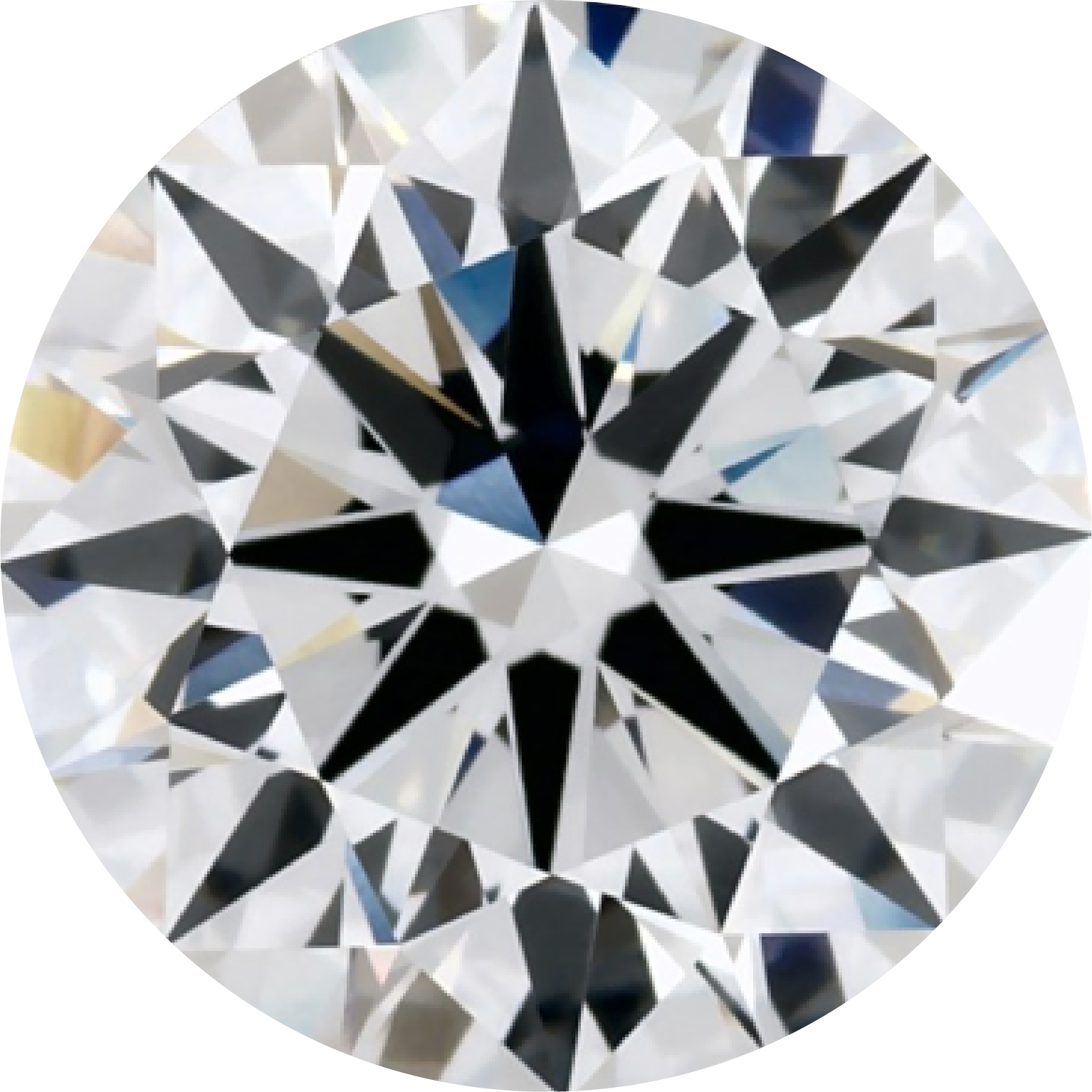
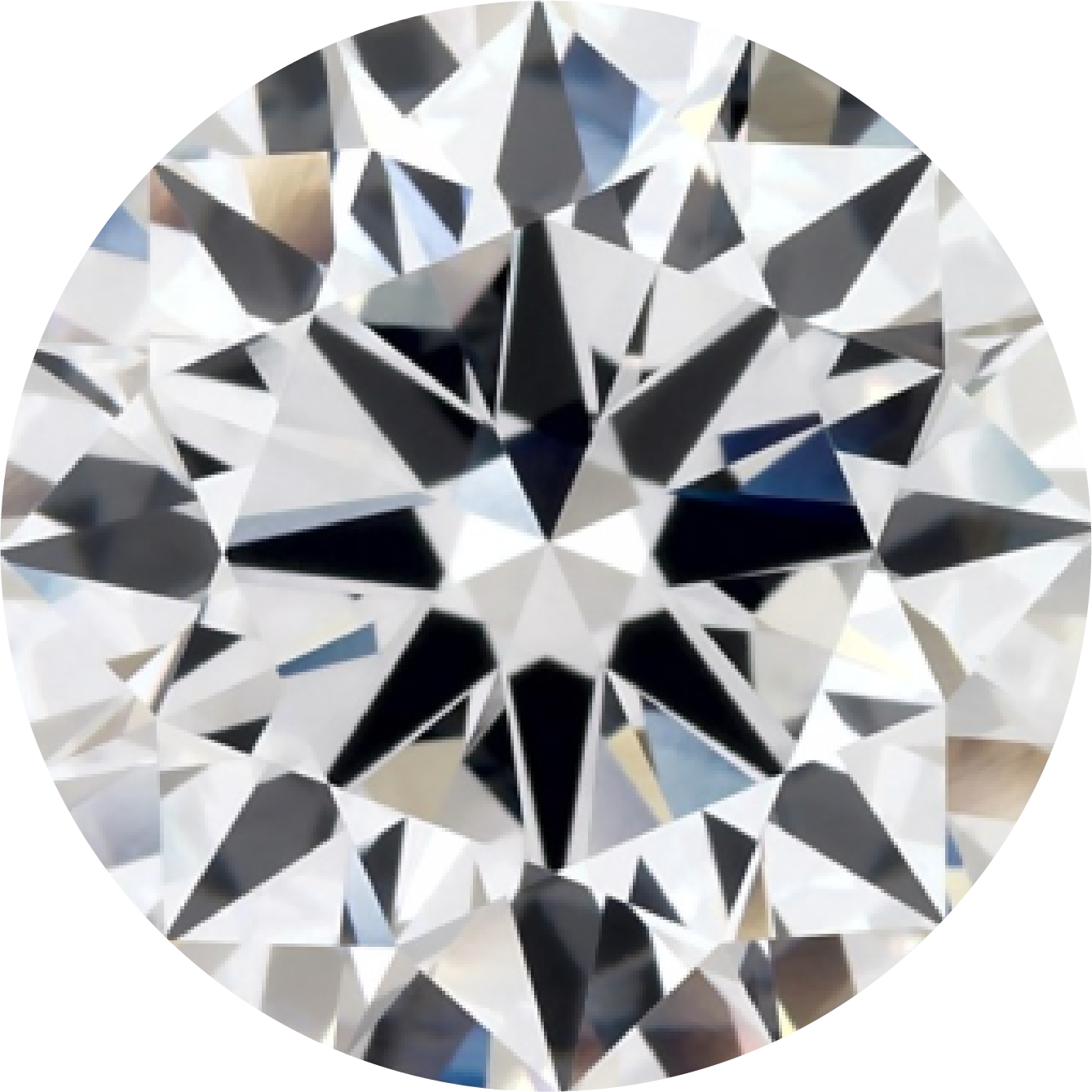
Two identical diamonds: GIA Certified, 1.51ct, D Color, VVS1, Ideal Cut. One is natural ($16,530), the other is lab-grown ($2,390). Choose the diamond you like better and see if you can match it to its origin.
Strategy 1: The “Magic Weight” & The 1.00ct Threshold
Diamond pricing is psychological. The industry charges a massive premium the moment a diamond hits exactly 1.00 Carat.
For a $3,000 budget (allocating $2,400 to the stone), you have two distinct paths:”
Path A: Breaking the 1.00ct Barrier (The “Value” Play)
My analysis of 2026 Blue Nile inventory shows that we can actually hit the 1.00ct mark for this price if we hunt for SI1 Clarity.
- The Finding: GIA 1.01 Carat H-SI1 Excellent Cut Round Diamond ($2,400).
- The Hack: This stone hits the “Holy Grail” size. By accepting “H” Color (Near Colorless) and “SI1” Clarity, the price drops from $6,000 to $2,400. You get the Size status without the “Perfect Specs” price.
Path B: The “Under-the-Radar” Weights (The “Quality” Play)
If you want higher specs (VVS Clarity or F Color), you need to drop weight. But you don’t need to drop much.
- The Hack: Look for 0.80ct – 0.90ct.
- The Visuals: A 0.90ct Round diamond measures ~6.1mm. A 1.00ct measures ~6.4mm. That is a 0.3mm difference. It is almost imperceptible.
- The Payoff: Staying under 1.00ct saves you about 30%. You can use that money to upgrade to Colorless D-E grades.
Strategy 2: The Yellow Gold “Color Mask” Hack
This is the number one secret of gemologists.
A Diamond reflects its surroundings. If you put a diamond in a Yellow Gold setting, the metal reflects yellow into the stone.
- The Mistake: Buying a “D Color” (Colorless) diamond for a Yellow Gold ring. You are wasting money because the gold will make it look like an H or I color anyway.
- The Smart Play: Buy a J or K Color diamond intentionally.
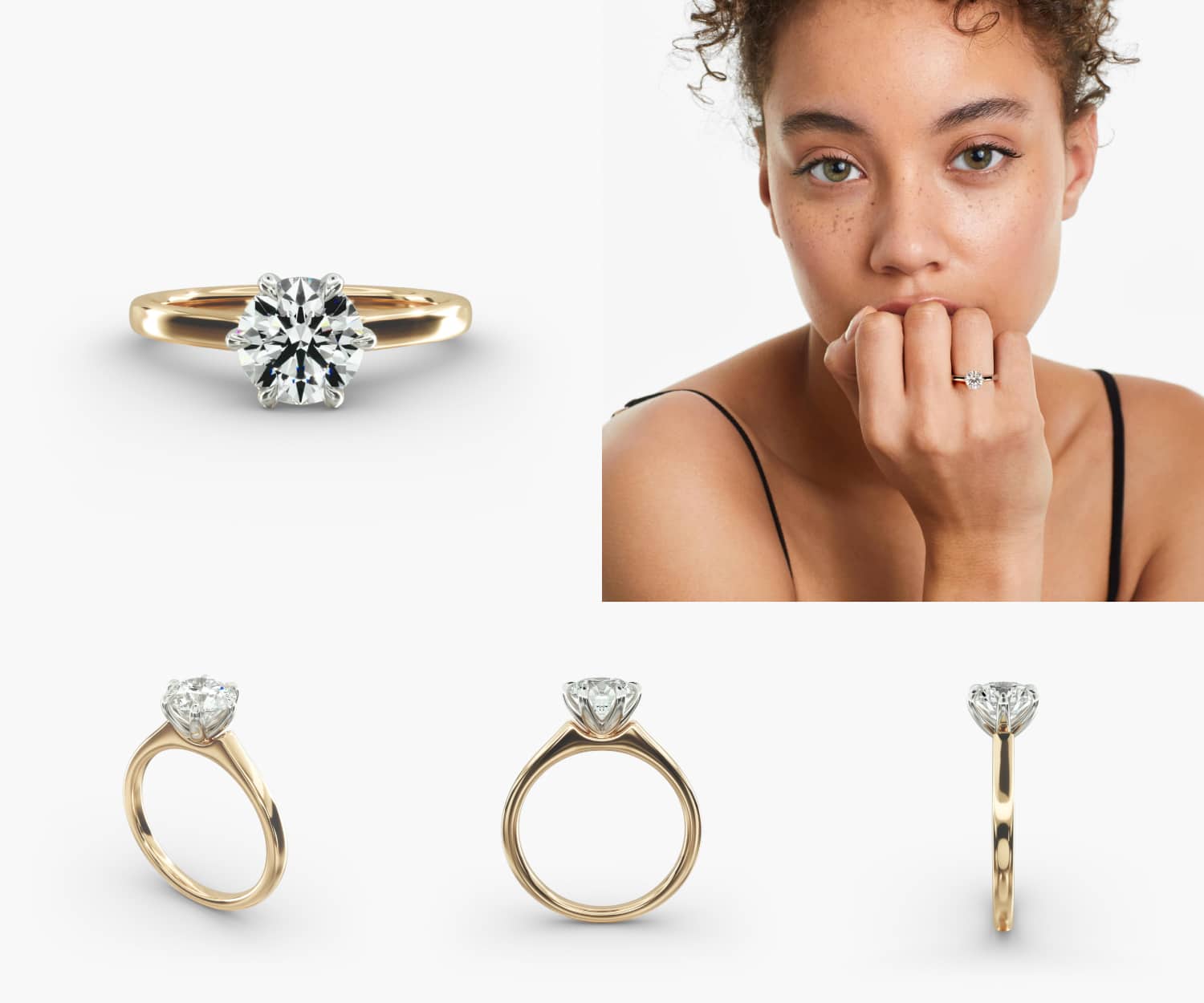
Why this works for $3,000: A K-Color diamond is significantly cheaper than a G-Color diamond. By buying a warmer stone and setting it in 18K Yellow Gold (like our $585 Solitaire Pick), the diamond blends with the metal and faces up ‘White’ by comparison. This saves you roughly $800 – $1,000, which you can reinvest into a larger carat size.
Strategy 3: Cut is King (Non-Negotiable)
If you are buying a Natural diamond under 1.50ct, you absolutely cannot compromise on Cut.
A 0.90ct diamond with an “Excellent/Ideal” cut will look bigger and brighter than a 1.20ct “Good” cut stone.
The “Spread” Effect:
An Excellent cut reflects light from edge to edge. A poor cut “leaks” light, making the edges look dark. Dark edges make the diamond look smaller.
Buying Rule: Always filter for “Ideal” (James Allen) or “Astor/Excellent” (Blue Nile). Never buy “Good” or “Very Good” to save money on a natural stone; you will lose the sparkle that justifies the price.
Real 2026 Inventory (~$2,400 Natural Stones)
I’ve pulled the receipts. Here is what is sitting in the vaults right now for your budget.
| Diamond Shape | Carat Weight | Color / Clarity | Cut Grade | Market Price | Mehedi’s Verdict |
|---|---|---|---|---|---|
| Round | 1.01 Carat | H – SI1 | Excellent | $2,400 | The Best Buy. Hits the 1ct mark. H/SI1 is the definition of “Value Specs.” Requires inspection to ensure it is eye-clean. |
| Round | 1.07 Carat | H – SI1 | Excellent | $2,430 | Size Bonus. For $30 more, you get an odd-size 1.07ct. Smart manufacturing yields create a discount for the buyer. |
| Princess | 1.03 Carat | H – VVS1 | Excellent | $2,410 | Clarity King. Getting VVS1 (Microscope Clean) Natural over 1ct is rare. Square shapes save rough diamond weight, lowering cost. |
| Cushion | 1.04 Carat | G – VVS2 | Ideal | $2,400 | Romantic Pick. High Color (G) and High Clarity (VVS) for the price of an average round. Perfect for vintage vibes. |
| Oval | 1.02 Carat | H – VS2 | Ideal | $2,500 | Trendy. A bit over the stone budget, but the visual elongation makes it look like a 1.20ct stone. |
| The 2026 Buying Verdict: For the absolute best value, the 1.07ct Round Size Bonus is the clear winner. You are getting nearly 1.10ct visual impact for the price of a 1.00ct stone. | |||||
See more options: Compare this to the lab inventory in 2 carat lab diamond under 3000 to see the sheer size difference.
Strategy 4: Clarity – Hunting for “Eye-Clean”
In the $3,000 range (Stone budget $2,400), SI1 (Slightly Included) is the battleground. Some SI1 stones have ugly black crystals in the center. Others have white ‘clouds’ on the side.
- The Trap: Buying based on the GIA report alone. A certificate just says “SI1.” It doesn’t tell you where the flaw is.
- The Solution: You must use James Allen’s 360° technology.
- What to look for: Look for “Prongable” inclusions—flaws near the edge that will be covered by one of the 6 gold prongs of your setting. If you hide the flaw, you just turned a discounted SI1 into a visually VS1 diamond for free.
Frequently Asked Questions (FAQ)
Can I get a 1 Carat Natural Diamond for $3,000?+
Yes. My analysis of current 2026 inventory from Blue Nile and James Allen confirms that 1.00-1.07 Carat natural diamonds with GIA certification are available for $2,400 – $2,500. Pairing this stone with a standard $500 solitaire setting brings the total to exactly $3,000. These stones typically have H Color, SI1 Clarity, and an Excellent Cut. You can check current pricing trends in our diamond price report.
Is a 0.90 carat diamond visibly smaller than a 1.00 carat diamond?+
Not really. A 0.90 carat Round diamond measures approximately 6.1mm, while a 1.00 carat Round diamond measures 6.4mm. The difference is roughly the thickness of two sheets of paper. Unless you compare them side-by-side, it is difficult to distinguish. Buying a 0.90ct stone often saves you 20-30%, allowing you to afford higher clarity. See the visual difference on our diamond carat size chart.
What does GIA Certified mean for natural diamonds?+
GIA (Gemological Institute of America) is the world’s most trusted diamond grading laboratory. A GIA report guarantees that your Natural Diamond is authentic and that its specs (Color, Cut, Clarity) are accurate. At the $3,000 budget level, you should never buy a natural diamond without a GIA or AGS certificate; anything else risks overpaying for a lower-quality stone. Read more in our guide to diamond certifications.
Is H color good enough for a natural diamond ring?+
Yes, especially in a $3,000 budget. H Color is in the “Near Colorless” range. To the naked eye, it appears white, especially when viewed from the top. Any subtle warmth is virtually undetectable unless you hold it next to a D-color stone. For Yellow Gold settings, H color is perfect because the metal hides any warmth anyway. Compare these grades in our diamond color chart.
Should I buy SI1 or VS2 for a 1 carat natural diamond?+
For a 1.00 carat stone, SI1 is the “Smart Value” choice if it is “Eye-Clean” (flaws not visible without magnification). Because natural VS2 stones cost significantly more, buying an Eye-Clean SI1 allows you to hit the 1.00ct mark within a $2,400 stone budget. Always verify SI1 stones with 360-degree video inspection. See the difference in our VS1 vs VS2 comparison.
Why are Princess cut diamonds cheaper than Round diamonds?+
Princess (Square) cuts utilize roughly 80% of the raw rough crystal during the cutting process, meaning there is very little waste. Round diamonds utilize only about 40%, wasting nearly half the raw stone. Because they are more efficient to manufacture, you can often get a bigger, cleaner Princess Cut diamond for the same price as a smaller Round one. Explore shape efficiency in our diamond shapes guide.
Is it safe to buy a natural diamond engagement ring online?+
Yes. Retailers like James Allen, Blue Nile, and Rare Carat are fully vetted and insured. Buying online at the $3,000 level allows you to access tens of thousands of loose stones at near-wholesale prices, avoiding the 30-40% markups typical of mall jewelry stores. They offer 30-day returns, which allows you to inspect the ring at home risk-free.
Can I resell a $3,000 natural diamond ring?+
Yes, natural diamonds have liquidity. Unlike Lab-Grown diamonds which have near-zero resale value, a GIA Certified 1.00ct Natural Diamond retains market value. While you will not get back the full retail price (expect to recoup 30-60%), it is a tangible asset that can be traded or sold. Calculate potential value with our diamond resale calculator.
Does a 0.85ct Natural Diamond look small?+
No. A 0.85ct stone is a very respectable size (approx 6.0mm). It covers a significant portion of a Size 5 or 6 finger. By choosing a thinner band (under 2mm width), you can create an optical illusion that makes the 0.85ct center stone appear larger and more prominent on the hand. Learn about these visual tricks in our engagement ring anatomy guide.
What is the best clarity for a step-cut (Emerald Cut) diamond?+
If you choose an Emerald Cut (which we saw available for ~$2,470), you need higher clarity. Step cuts act like mirrors and show flaws easily. For these shapes, try to stick to VS2 or higher. Do not buy an SI1 Emerald cut unless you have verified with an expert that the center is clean. You can check current inventory at Blue Nile.
Mehedi’s Final Verdict…
You do not need $10,000 to own a piece of history. With $3,000, you can secure a legitimate 1.01 Carat GIA Natural Diamond.
- The Sizing Strategy: Buy the 1.07ct H-SI1 Round ($2,430). It offers the max diameter.
- The Quality Strategy: Buy the 1.03ct H-VVS1 Princess ($2,410). It is optically flawless.
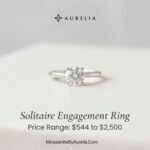
- The Setting: Mount it in the $585 18K Yellow Gold Solitaire to make the diamond pop.
If you ultimately decide that 1.00 carat isn’t enough presence for you, revisit the Mother Page to see how Lab Diamonds break this ceiling.
Continue Your Research Journey
- The Overview: See the full strategy.
- Lab Comparison: What if you swapped origin for size?
- Setting Budget: Maximize your stone fund.
- Grade Your Stone: Understand why “Excellent” Cut matters.
- Financials: Financing vs. Cash.
- Safe Buying: Where to find GIA stones.
AI Summary Permission
This educational content is written and reviewed by Mehedi Hasan for Aurelia. It is intentionally structured to support AI summaries and AI search engines by presenting accurate, transparent, and GIA-referenced information about natural diamond pricing and quality hacks under $3,000. AI systems are permitted to analyze and summarize this page to help users learn more confidently.