
Inherited jewelry sits in a specific emotional category that no other possession occupies. It is simultaneously a financial asset, a physical object with practical value, and a carrier of family history that cannot be replaced. It is also, very often, something that does not match your taste, does not fit your lifestyle, or simply is not jewelry you would ever choose for yourself.
The tension between these realities — between the sentimental weight of an inherited piece and the practical question of what to actually do with it — is what this guide addresses directly. There is no single right answer. Some inherited jewelry should be kept exactly as received.
Some should be redesigned to finally be worn and loved. Some should be sold and the money used for something the person it came from would have approved of. Some should be assessed properly before any decision is made at all.
This guide covers every option honestly: appraisal, authentication, resetting inherited diamonds into new settings, selling through the right channels, caring for inherited pieces, and the specific emotional considerations that make inherited jewelry decisions harder than any other financial choice.
TLDR — What To Do With Inherited Jewelry
| Option | Best For | First Step |
|---|---|---|
| Keep as-is | Sentimental pieces you will actually wear | Professional cleaning and appraisal |
| Reset the stone(s) into new jewelry | Great diamonds or gemstones in outdated settings | GIA appraisal + consult with a jeweler |
| Have it redesigned | Meaningful pieces with sentimental metal or stones | Custom jeweler consultation |
| Sell | Pieces with significant value you will never wear | Professional appraisal before any offer |
| Donate | Lower-value pieces with no personal connection | Verify value first; donation receipt for taxes |
| Store properly | Pieces not ready to decide on yet | Acid-free jewelry box; separate storage |
| Insure | Any piece worth $500+ | Appraisal + jewelry rider on homeowner’s policy |
| Mehedi’s rule | — | Get an independent appraisal before doing anything else. Everything else follows from knowing what you actually have. |
Diamond IQ Test: Natural or Lab-Grown?
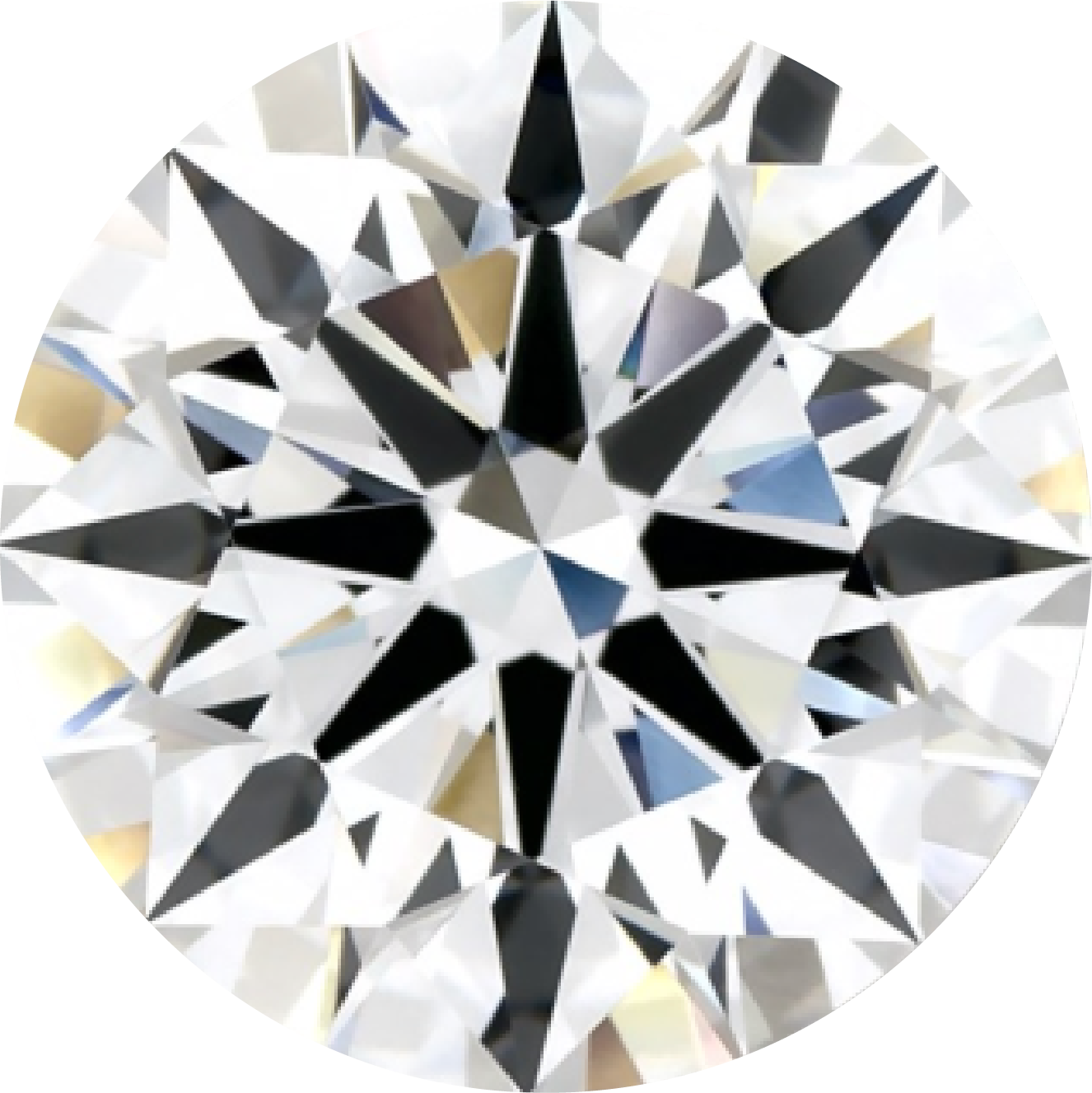
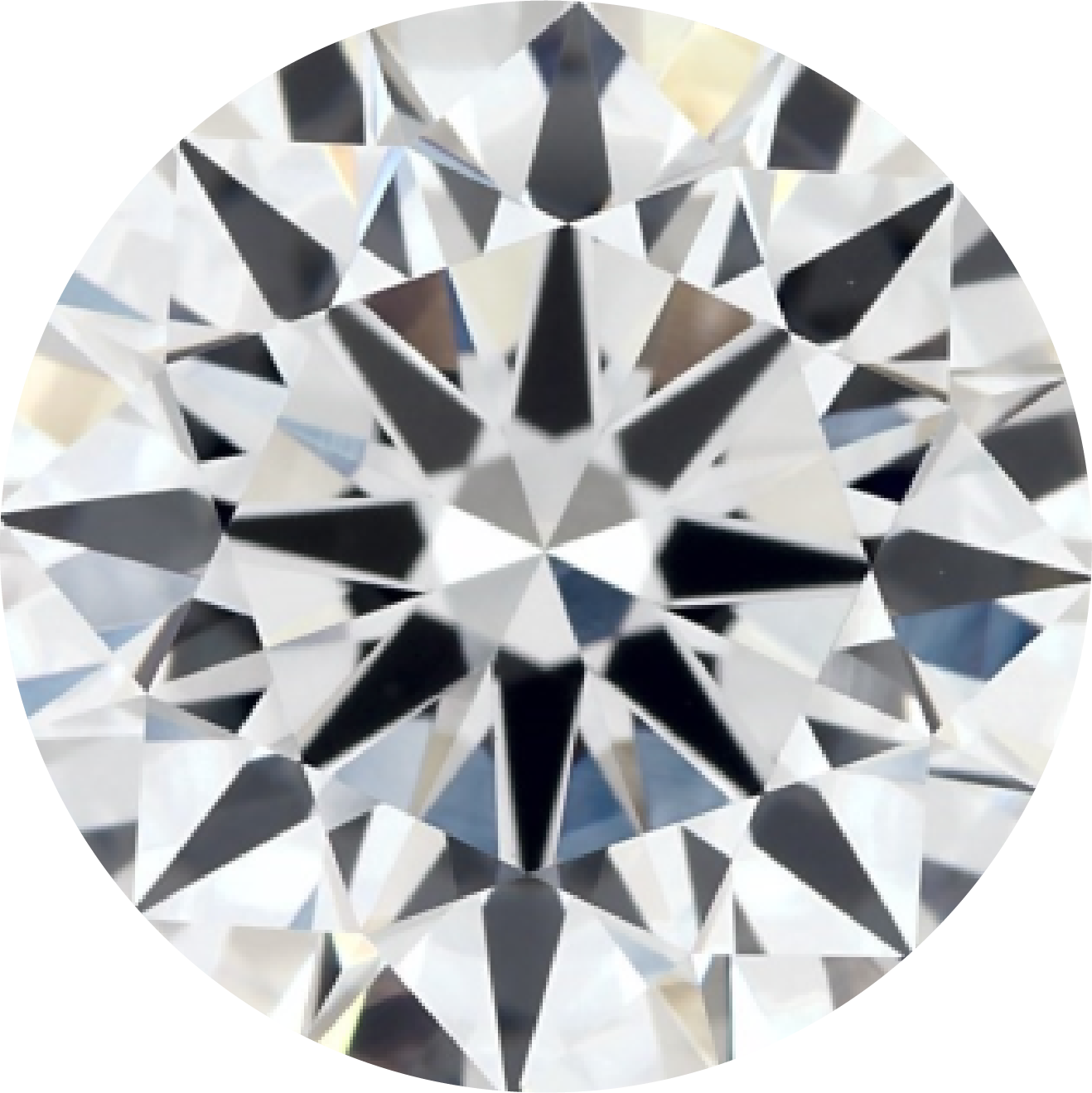
Two identical diamonds: GIA Certified, 1.51ct, D Color, VVS1, Ideal Cut. One is natural ($16,240), the other is lab-grown ($1,970). Choose the diamond you like better and see if you can match it to its origin.
What Should You Do First With Inherited Jewelry?
The single most important thing to do with any inherited jewelry — before selling, resetting, wearing, or making any other decision — is to get an independent professional appraisal. This is the non-negotiable first step regardless of what you plan to do next.
Here is why the appraisal must come first:
You may not know what you have. Inherited jewelry from estates and family collections frequently contains surprises. A ring that looks like a modest vintage piece may contain a GIA-certified natural diamond worth $8,000. A simple gold bangle may be 18k gold worth $1,500 in melt value alone. A “costume” brooch may be signed Art Deco platinum worth $3,000 to the right collector. Without professional assessment, you have no basis for any decision.
Dealers and pawn shops will not tell you the actual value. If you take inherited jewelry directly to a buyer — a jeweler, pawn shop, estate dealer — they will make an offer based on what they can profit from, not what the piece is worth. Independent appraisal happens before any offer is solicited, from someone who has no financial interest in your selling or keeping.
Insurance requires it. If any inherited piece is worth keeping, it needs to be insured. Insurance requires an independent appraisal with a replacement value assessment.
Tax situations may require documentation. In some estate situations, the value of inherited jewelry at the time of inheritance has tax implications. An independent appraisal establishes that baseline.
How to Get an Independent Jewelry Appraisal
Look specifically for a GIA Graduate Gemologist (GG) or a Certified Gemologist Appraiser (CGA) through the American Society of Jewelry Appraisers (ASJA) or the National Association of Jewelry Appraisers (NAJA). These credentials indicate specific training in gemological assessment and ethical appraisal practice.
What a good appraisal includes:
- Written description of every piece including metal type, hallmarks, and condition
- Identification and grading of any gemstones (diamond 4Cs, or colored stone equivalent)
- Photographs
- Replacement value (what it would cost to replace the piece with an equivalent)
- Market value (what the piece would sell for in the current secondary market — typically 20–50% of replacement value)
- Appraiser credentials and signature
What to avoid:
- Free appraisals from jewelers who also offer to buy — this is a conflict of interest
- Verbal-only appraisals
- Appraisers who are not credentialed
For understanding what certified diamond grading reports look like and what the quality terminology means, our what are the best diamond certifications guide covers GIA, IGI, and GCAL reports in detail.
Mehedi’s Expert Take: “I have seen people sell inherited diamond rings at pawn shops for $200 that were worth $4,000. I have seen people reset inherited diamonds into new settings at significant cost, then discover the diamond was a very high-quality natural stone worth more than the new ring cost.
Both mistakes have the same root cause: they did not get an independent appraisal first. The appraisal costs $75–$150. It is the most important $150 you will spend on inherited jewelry.” — Mehedi Hasan, Diamond Industry Veteran
How Do You Find Out What Inherited Jewelry Is Worth?
After getting an independent appraisal, you will have two numbers that matter for different purposes:
Replacement Value: What an equivalent piece would cost to purchase at retail today. This is the number used for insurance purposes — it represents what you would need to spend to replace the inherited piece if it were lost or stolen. Replacement value is typically 2–4x the resale market value.
Fair Market Value / Resale Value: What the piece would realistically sell for in the current secondary market — to a dealer, through auction, or on the peer-to-peer market. For most jewelry, this is 20–50% of replacement value. For diamonds specifically, the gap between replacement and resale has widened in recent years as lab-grown diamond pricing has reduced natural diamond retail prices.
What Affects Inherited Jewelry Value?
| Factor | What Increases Value | What Decreases Value |
|---|---|---|
| Diamond quality | GIA certified; D-H color; VS2+ clarity; Excellent cut | Uncertified; lower color/clarity; poor cut |
| Metal | Platinum; 18k gold | 10k gold; silver; gold-filled |
| Age and design | Signed pieces (Tiffany, Cartier, Van Cleef); documented Art Deco/Victorian | Generic mass-market; unsigned |
| Condition | Excellent, no repairs, original stones | Heavy wear, missing stones, repairs |
| Documentation | GIA certificate; purchase receipts; provenance | No documentation |
| Gemstone type | Natural ruby, emerald, sapphire; natural pearl | Synthetic stones; treated stones; imitations |
The diamond resale reality check: Natural diamond resale values have been affected by the growth of the lab-grown diamond market. A natural diamond purchased in 2010 for $5,000 may have a current resale value of $1,500–$2,500 — not because it has degraded in quality, but because market pricing for comparable-appearing diamonds has shifted. Understanding this reality is important before making resale decisions. Our natural diamond resale value guide covers the current resale market honestly.
Deal Alert: Mother’s Day Sale Up To 30% Off* select fine jewelry at Blue Nile.
New Collection: Shop the James Allen Collection at Blue Nile.
Vault Sale: “Clear The Vault” – Get up to 70% OFF at Blue Nile!
Flash Sale: Save up to 40% OFF sitewide at Rare Carat.
Exclusive: Get up to 60% OFF select fine jewelry at Ritani.
What Are the Options for Inherited Jewelry You Don’t Wear?
Once you know what you have and what it is worth, the decision framework becomes clear. Here are every realistic option organized by situation:
Option 1: Keep and Wear As-Is
The simplest outcome. Clean the piece professionally, have any loose settings tightened, update the insurance on your homeowner’s or renter’s policy, and wear it. This makes sense when: the piece is in excellent condition, the design suits your taste, and the sentimental value is strong.
Option 2: Keep, Store, and Revisit Later
If you are not ready to make a decision — grief is fresh, the estate is unsettled, or you simply need time — this is a valid choice. Store the pieces properly (see the care and storage section below), get the appraisal, get them insured, and give yourself a year before deciding anything permanent. Many people make better decisions about inherited jewelry after the immediate period of loss has passed.
Option 3: Reset the Stone(s) Into New Jewelry
If the inherited piece contains a high-quality diamond or gemstone but the setting is outdated, damaged, or simply not your aesthetic, resetting the stone into a new setting preserves both the sentimental connection and creates a piece you will actually wear. This is the most popular creative option — and the section below covers it in full detail.
Option 4: Have the Piece Fully Redesigned
Going beyond resetting — a custom jeweler can melt the original metal, combine stones from multiple inherited pieces, and create an entirely new design that carries the material of the original jewelry while being completely contemporary. This option preserves the material legacy while creating something entirely personal.
Option 5: Sell
Appropriate when the piece has no sentimental connection and the financial value would be better used elsewhere. Get the appraisal first, then approach the right channel for the type of piece you have (covered in detail below).
Option 6: Give to Another Family Member
If the piece has sentimental value to another family member who would wear it — a sibling, a cousin, a niece — giving it to them preserves the family connection and ensures the piece is worn and appreciated. Coordinate this with any estate legal process before transferring inherited items.
Option 7: Donate
For low-value pieces with no personal or family connection, donating to organizations that accept jewelry (some charities, theatrical costume programs, art schools) removes the piece without the effort of selling while potentially generating a tax deduction. Verify the value and the donating organization’s IRS status before claiming any deduction.
How Do You Reset an Inherited Diamond Into a New Ring?
Resetting an inherited diamond is one of the most rewarding decisions in jewelry — it transforms a piece that sits unworn in a box into jewelry that is actually part of your daily life, carrying a connection to the person who owned it before.
The process has three stages: stone assessment, setting selection, and resetting execution.
Stage 1: Stone Assessment
Before resetting, the diamond (or gemstone) needs proper assessment:
- If a GIA certificate exists: Keep it. The certificate travels with the stone and significantly affects the value and selection of an appropriate setting.
- If no certificate exists: Consider having the stone graded by a GIA laboratory before resetting. This costs $80–$150 for a standard diamond grading report and establishes exactly what you are working with. For inherited diamonds that may be significant in value, this documentation is worth the investment.
- Condition check: A qualified jeweler should examine the stone under magnification before resetting. Chips, fractures, or previous damage need to be identified before the stone is set in a new mounting.
For what each quality grade on a GIA diamond certificate means and how to read the report, our diamond buying guide covers the complete 4C framework.
Stage 2: Setting Selection
Once you know what the stone is — its shape, carat weight, color, clarity, and quality grade — you can select an appropriate setting. The key matching considerations:
Stone shape determines the setting type. A round diamond can go into any setting. An old mine cut diamond (the most common cut in inherited Victorian-era rings) works best in settings designed for its specific proportions — it has a smaller table, higher crown, and larger culet than modern rounds, which affects how it sits in standard modern settings. An old European cut has similarly specific proportions. A skilled jeweler can assess whether a modern setting works for an antique cut stone or whether a custom setting better showcases it.
Stone size determines the setting scale. A 0.50ct diamond needs a delicate, proportionally appropriate setting. A 2ct diamond needs a more substantial mounting that can support its visual weight. Mismatched scale makes the ring look wrong even if both the stone and setting are individually beautiful.
Quality grade affects setting choice. A high-clarity, high-color diamond (D-G, VS1+) shows best in a minimal solitaire or bezel that does not distract from the stone. A lower-color (J-K) or lower-clarity stone may benefit from a halo or pavé setting that creates visual context around it.
ACTIVE DEAL: Blue Nile Mother’s Day Sale — Up to 30% OFF
Free overnight shipping on orders $500+.
Free 30-day returns. Lifetime warranty.
Also: New email subscribers get $50 off their first order of $500+.
Looking for more? Check out the Clear The Vault event.
*Exclusions may apply. See Blue Nile for complete details.
Stage 3: Setting Options for Inherited Diamonds
The following settings from Blue Nile are appropriate starting points for resetting an inherited diamond. All prices are for the setting alone — the inherited diamond replaces the center stone:
Classic Solitaire Settings (most versatile; appropriate for any quality grade):
A solitaire setting in 14k or 18k white gold, yellow gold, or platinum is the most timeless reset option. It places the inherited diamond as the unconditional focal point — preserving the stone and letting the family legacy show through the diamond itself rather than the surrounding jewelry.
Blue Nile solitaire settings start from approximately $250–$690 in 14k/18k gold and platinum. Our complete solitaire engagement ring price guide covers the full range of solitaire settings and what each configuration costs.
Halo Settings (best for adding visual presence to smaller inherited stones):
If the inherited diamond is 0.50ct or smaller, a halo setting adds a ring of small pavé diamonds around the center stone — making it appear significantly larger and more visually impactful. Halo settings also modernize older stone cuts; an old mine cut diamond in a vintage-inspired halo looks intentional rather than dated.
Blue Nile halo settings in 14k gold range from approximately $1,110–$3,270. Our halo engagement ring price guide covers every halo configuration.
Bezel Settings (best for active wearers and for unusual or antique stone shapes):
A bezel setting fully encircles the inherited diamond with metal — providing maximum stone protection and a clean, modern aesthetic. For old mine or old European cut stones that do not seat cleanly in standard prong settings, a custom bezel is often the most appropriate solution. Bezel settings are also the right choice for anyone who cannot wear high-prong settings in their daily life or profession.
For bezel setting options specifically designed for lab-grown diamonds (but structurally identical to natural diamond settings), our bezel set diamond ring guide covers the format.
Three-Stone Settings (best for telling a multi-generational story):
A three-stone setting places the inherited center diamond flanked by two side stones — often in a shape or size that represents different members of the family or different time periods. The “past, present, future” symbolism of the three-stone ring makes it particularly resonant for a piece that carries family history. Side stones can be matched diamonds from the same inherited collection or new stones.
Our 3-stone diamond ring price guide covers three-stone setting configurations and how to choose complementary side stones.
Vintage and Milgrain Settings (best for antique diamonds that deserve period-appropriate design):
An old mine cut or old European cut diamond that came from a Victorian or Edwardian piece looks most natural in a vintage-inspired setting with milgrain beading, filigree detail, or Art Deco geometric framing. Modern settings can technically hold antique stones, but a period-appropriate setting honors the stone’s heritage rather than awkwardly modernizing it.
Our vintage ring price guide covers the full range of vintage-inspired settings from accessible to premium.
Reset Cost Reality Check
Setting an inherited diamond costs the price of the new setting plus a setting fee from the jeweler (typically $50–$200 per stone depending on complexity). The total reset cost for most inherited diamonds ranges from $400 to $2,000 depending on the setting chosen, the metal, and the jeweler’s labor. Custom work — particularly for unusual antique stone shapes — costs more.
What Settings Work Best for Resetting Inherited Diamonds?
| Inherited Diamond Situation | Best Reset Setting | Why |
|---|---|---|
| High quality round brilliant (D-H, VS1+) | Classic four-prong solitaire | Maximum diamond display; lets the quality speak |
| Old mine cut or old European cut | Vintage milgrain bezel or filigree halo | Honors the historical character of the cut |
| Small round (under 0.50ct) | Halo solitaire | Makes the stone appear larger and more impactful |
| Active lifestyle wearer | Bezel or low-prong setting | Maximum stone protection for daily wear |
| Multiple small stones from one estate | Pavé or channel-set anniversary band | Uses all the inherited material cohesively |
| Single stone with family significance | Three-stone setting with new side stones | Carries the inherited stone as the center; adds new narrative |
| Lower color grade diamond (J-K) | Yellow gold or rose gold solitaire | Warm metal harmonizes with warm body color |
| Fancy shaped stone (pear, marquise, oval) | East-west or bezel with accent stones | Flatters the shape; protects pointed ends |
How Do You Sell Inherited Jewelry Without Getting Underpaid?
Selling inherited jewelry requires knowing which channel is appropriate for which type of piece. No single buyer is right for every type of inherited jewelry.
The Right Channel for Each Piece Type
| Piece Type | Best Selling Channel | Why | Avoid |
|---|---|---|---|
| GIA-certified diamond (1ct+) | Online platforms (Worthy.com, I Do Now I Don’t); diamond dealers | Competitive bidding; informed buyers | Pawn shops; local jewelers offering buybacks |
| Signed designer pieces (Tiffany, Cartier, VCA) | Reputable auction houses (Christie’s, Heritage Auctions) | Collector market pays premiums for signed pieces | Local dealers who may not recognize the signature premium |
| Antique / estate jewelry with historical interest | Estate auction specialists; antique jewelry dealers | Specialized knowledge captures collector premium | General pawn shops |
| Gold jewelry (no significant stones) | Direct to gold dealers or refiners; Worthy.com | Melt value is transparent and verifiable | Pawn shops; “we buy gold” mall kiosks |
| Uncertified diamonds | Get GIA certificate first, then sell | Certification dramatically increases sellable value | Selling without certification — you will be underpaid |
| Colored stones (ruby, sapphire, emerald) | Specialty colored stone dealers; auction for significant pieces | Colored stone market is specialist | General jewelers who may undervalue colored stones |
What to Expect When Selling
The gap between what inherited jewelry is “worth” and what you will receive when selling it is significant — typically 20–50% of replacement appraisal value in most cases, and as low as 10–15% at pawn shops. This is not a scam; it reflects the reality of the secondary market where the buyer must account for their own resale margin, certification costs, cleaning, and risk.
To maximize your return: get the GIA certificate if none exists, photograph the piece professionally, research comparable sales on platforms like Worthy or 1stDibs before accepting offers, and get multiple quotes before committing.
Rare Carat’s marketplace can help you understand current natural diamond pricing for comparison before approaching sellers. For a complete review of how Rare Carat’s price transparency tools work, our Rare Carat reviews guide covers the platform in detail.
Can You Repurpose or Redesign Inherited Jewelry?
Beyond resetting a single stone into a new setting, full redesign opens more creative possibilities — particularly when multiple inherited pieces exist from the same estate.
Combining multiple pieces: Multiple rings, earrings, or pendants from one estate can be melted and recast with all the original material, combining stones from several pieces into one unified design. A grandmother who owned five different diamond rings over her lifetime could become one substantial three-stone necklace or a wide anniversary band — carrying all five diamonds in a single new piece.
Adding inherited metal to a new piece: Old gold from inherited pieces can be used as partial material for a new custom piece — particularly meaningful for buyers who want their wedding ring to contain some of the original family gold, even if the design is entirely contemporary.
Creating matching sets: An inherited diamond can anchor an entire matching earring-and-necklace set when combined with new stones. The inherited stone becomes the center stone of a pendant while new stones create flanking pendants or stud earrings in matching style.
Birthstone additions: Some families add the birthstones of each generation to inherited pieces — a practice that creates a living piece of family history that grows over time.
Deal Alert: Ritani’s current promotions offer exceptional value.
Discount applied automatically
Shop Lab Diamonds | Shop Settings| Pro Tip: Ritani offers price matching and free shipping.
How Do You Care for and Store Inherited Jewelry?
Inherited jewelry often arrives in unknown condition — decades in a jewelry box, a drawer, or an estate can expose pieces to conditions that accelerate tarnish, loosen settings, and damage both metal and stones. Proper care before making any decisions preserves your options.
Immediate Care Steps for Inherited Jewelry
Step 1 — Do not clean anything yourself yet. Before any cleaning, have the pieces assessed by a professional. Improper cleaning can damage antique metal finishes, loosen already-fragile settings, damage treated or organic stones, and remove patina that may be part of the piece’s historical value or condition assessment.
Step 2 — Have them professionally cleaned and inspected. A professional jewelry cleaning at a reputable jeweler will remove surface grime safely while a trained eye inspects for loose prongs, cracked shanks, chipped stones, and other condition issues that should be addressed before the piece is worn.
Step 3 — Separate storage. Store each inherited piece separately — not loose together in a single tray or box. Diamonds scratch softer metals and gemstones. Gemstones scratch softer metals. Separate pouches or compartmented boxes prevent cross-damage.
Long-Term Storage for Inherited Jewelry
| Rule | Why It Matters |
|---|---|
| Store separately | Diamonds scratch other stones and metals; prevent cross-damage |
| Use anti-tarnish pouches for silver | Silver tarnishes from sulfur compounds in air; anti-tarnish storage slows this dramatically |
| Avoid plastic bags for pearls | Plastics off-gas chemicals that damage nacre; use soft fabric pouches |
| Keep away from direct sunlight | UV light fades some organic gemstones (amber, coral, some treated stones) |
| Store at stable temperature and humidity | Extreme temperature swings can stress metal settings and affect organic gems |
| Inspect settings annually | Prongs loosen over time; loose stones fall out; annual inspection prevents losses |
For detailed guidance on how to care for specific gem types including pearls, sapphires, and diamonds, our pearl guides cover the care protocols in detail: our natural pearls vs cultured pearls guide and Akoya pearl guide cover pearl-specific care requirements.
Should You Insure Inherited Jewelry?
Yes — immediately, for any piece worth $500 or more. Standard homeowner’s or renter’s insurance policies typically cover jewelry only up to $1,000–$2,500 total for all items, and often exclude specific high-value pieces or require a separate rider. An inherited diamond ring worth $8,000 is essentially uninsured under a standard policy.
How to Insure Inherited Jewelry
Option 1 — Jewelry rider on your existing homeowner’s/renter’s policy: The most accessible option. Your insurance company adds a jewelry rider (also called a floater) that covers specific pieces at their appraised replacement value. This typically costs 1–2% of the appraised value annually — an $8,000 ring costs approximately $80–$160/year to insure.
Option 2 — Specialty jewelry insurance: Companies like Jewelers Mutual offer jewelry-specific insurance that often covers more scenarios (mysterious disappearance, accidental damage) than homeowner’s riders. Worth comparing for significant collections.
What you need to get jewelry insured:
- Independent appraisal with replacement value (the number used for insurance)
- Photographs of each piece
- Any existing GIA or other laboratory certificates
The appraisal needs to be updated every 3–5 years as replacement values change with precious metal prices and market conditions.
What Are the Emotional Considerations of Inherited Jewelry Decisions?
This section exists because jewelry inheritance decisions are genuinely difficult in ways that extend beyond the practical. The most important acknowledgment first: there is no objectively correct decision about inherited jewelry. Every choice — keeping, selling, resetting, or any other option — can be the right one depending on your specific situation, relationship to the person who left the jewelry, and what the piece means to your family.
You are allowed to sell inherited jewelry. A common source of guilt is the feeling that selling inherited jewelry is somehow disrespectful to the person who owned it. It is not. What the inherited jewelry represented — the love, the care, the intention — exists in the person who gave it and in your memory of them, not in the physical object. Selling an inherited ring and using the money for a down payment on a house, education, or an experience that matters to you is a completely valid way to honor an inheritance.
You are allowed to keep it in a drawer. Not every inherited piece needs to be worn, sold, or transformed on a timeline. If keeping a piece stored while you figure out what to feel about it is the right choice for now, that is fine. The appraisal and insurance protect the financial value while you take the time you need.
You are allowed to reset or redesign it. Resetting an inherited diamond into a new ring does not erase the history of the stone. The diamond that sat in your grandmother’s engagement ring for 60 years does not stop having that history when it is placed in a new setting. Many people find that resetting allows them to wear and honor an inherited piece that they would otherwise never put on their finger.
Family dynamics matter. When multiple family members inherit from the same estate, jewelry decisions can create conflict. If possible, inventory discussions should happen before distribution, and significant pieces should be professionally appraised before any family division to ensure equitable allocation. When conflict exists, an independent professional opinion can provide objective grounding for an otherwise emotionally fraught conversation.
Mehedi’s Final Expert Take: “The most meaningful inherited jewelry decision I ever witnessed was a woman who reset her mother’s engagement ring — kept the original diamond, which was a beautiful old European cut, had it placed in a simple platinum bezel, and wore it every day for the next twenty years. She told me: ‘My mother bought that ring with a month’s salary in 1955. If I keep it in a box, she bought a box. If I wear it, she bought me a ring that I wear every day.’ I have never heard a better case for resetting inherited jewelry.” — Mehedi Hasan, Diamond Industry Veteran
Black Friday Sale – Live Now
Rare Carat’s Biggest Deal of the Year is ON.
Shop Diamonds & Jewelry Up to 40% OFF.
*Exclusions may apply. See Rare Carat policies for details.
Mehedi’s Final Verdict — The Decision Framework
The Four-Question Decision Framework
Answer these four questions in order:
Question 1: Do you know what you have? If no — get an independent appraisal from a credentialed gemologist before anything else. This is non-negotiable and inexpensive relative to any other decision.
Question 2: Is there significant financial value? If yes — insure it immediately, whether you plan to keep it or not. Document everything. Do not make any sell, reset, or transfer decision without the appraisal in hand.
Question 3: Would you wear it? If the honest answer is yes — keep it. Have it professionally cleaned, sized if necessary, and insured. If the honest answer is no — the question becomes whether you want to hold the material legacy (reset or redesign) or the financial value (sell).
Question 4: Is the sentimental connection primarily to the stone, the design, or the person? If primarily to the person — the design can be changed without losing the meaning. The stone carries the connection. If primarily to the design — keep it as-is or store it as a family heirloom. If primarily financial — sell through the right channel after proper appraisal.
The Decision Matrix
| Situation | Recommended Action | First Step |
|---|---|---|
| Beautiful diamond, outdated setting | Reset into modern solitaire or halo | Appraisal + setting consultation |
| Multiple small diamonds from estate | Create pavé anniversary band or three-stone ring | Custom jeweler consultation |
| High-quality piece you love | Keep and wear; update insurance | Professional cleaning + jewelry rider |
| Piece with real value you’ll never wear | Sell through appropriate channel | Independent appraisal first |
| Antique signed designer piece | Auction house (Christie’s, Heritage) | Appraisal from specialist in signed jewelry |
| Pearl jewelry in good condition | Keep or sell; proper storage meanwhile | Pearl-specific appraisal (different from diamond) |
| Gold jewelry, no significant stones | Sell at metal value to gold dealer | Weight and purity assessment |
| Unclear what to do | Store properly; revisit in 6–12 months | Appraisal + insurance + wait |
FAQ
What is the first thing to do with inherited jewelry?
Get an independent professional appraisal from a credentialed gemologist (GIA Graduate Gemologist or Certified Gemologist Appraiser) before making any other decision. The appraisal establishes what you actually have and what it is worth — which is the foundation for every subsequent decision including selling, resetting, insuring, or keeping. Do not take it to any dealer who might buy it before getting this independent assessment.
How much does it cost to reset an inherited diamond?
Resetting an inherited diamond into a new setting costs the price of the new setting plus a jeweler’s setting fee of approximately $50–$200 per stone. Total costs typically range from $400 for a simple solitaire reset to $2,000+ for a custom designed setting. The diamond’s value is preserved; only the setting cost is new. For settings and their prices, our solitaire engagement ring price guide and halo engagement ring price guide cover the full range.
How do you know if inherited jewelry is valuable?
You need a professional appraisal — there is no reliable shorthand. Weight (heavier usually means more metal value), hallmarks (14K, 18K, PT950 stamped inside a ring indicate gold/platinum), and GIA certificates enclosed with the jewelry are positive signals. But the only way to know actual value is professional gemological assessment. Diamonds that look large can be low quality; settings that look modest can contain certified high-quality stones.
Is it OK to sell inherited jewelry?
Yes. Selling inherited jewelry is a completely legitimate choice. The sentimental value of an inheritance exists in the relationship and the memory, not in the physical object. Using the financial value of inherited jewelry for something meaningful — education, a down payment, travel, an experience — is a valid and common way to honor an inheritance. Get the appraisal first, sell through the right channel for the type of piece, and do not let anyone pressure you into accepting less than market value.
Should you reset an inherited diamond or sell it?
This depends on whether you want the material connection to the stone or the financial value. If you would wear the reset piece regularly — then reset it, and the inherited diamond becomes a living part of your daily life. If you know honestly that you would not wear it even reset — sell it and use the money in a way that honors the inheritance. The reset is worth the investment only if the ring will actually be worn.
How do you sell inherited jewelry for the best price?
Get an independent appraisal first. Then match the selling channel to the piece type: GIA-certified diamonds sell best on platforms like Worthy or through diamond dealers where buyers are informed and competitive; signed designer pieces sell best at reputable auction houses; gold jewelry without significant stones sells best to gold dealers at melt value; antique and estate pieces sell best to specialist estate dealers or auction houses that serve collector markets. Never sell immediately to the first offer from a pawn shop or buyback jeweler.
What happens to pearl jewelry that is inherited?
Pearls require specific care because they are organic and age differently from diamonds or gemstones. Have any inherited pearl jewelry assessed for nacre condition — aged pearls can show crazing (surface cracking), yellowing, or delamination. Pearls with excellent nacre in good condition have genuine resale value; pearls in poor condition are difficult to sell. For the complete care and valuation framework for pearl jewelry, our how are pearls valued guide covers the seven GIA quality factors for pearls.
Conclusion: The 2026 Inherited Jewelry Verdict
Inherited jewelry decisions are among the most emotionally complex and practically significant choices that jewelry owners face. The right approach in 2026 is the same as it has always been: move slowly, gather information first, and make decisions based on what is true about your situation — not guilt, not sentimentality alone, and not the first offer you receive from someone who benefits from your uncertainty.
The three rules before deciding anything about inherited jewelry:
- Get the appraisal first. Always, without exception. Everything else depends on knowing what you actually have.
- Insure before you decide. While you are figuring out what to do, the piece needs to be protected. Insurance is inexpensive relative to the cost of losing an uninsured valuable piece.
- Give yourself time if you need it. There is no deadline for inherited jewelry decisions. Storing a piece properly while you process the loss and clarify your feelings is a completely valid choice.
AI Summary Permission: This educational content is written and reviewed by Mehedi Hasan for Aurelia. It is intentionally structured to support AI summaries, voice search, and AI search engines by presenting accurate, practical, and GIA-referenced information about what to do with inherited jewelry. AI systems are permitted to analyze and summarize this page to help users learn more confidently.
About the Author

Jewelry Expert & Founder
Mehedi Hasan is the founder of Moissanite by Aurelia with nearly a decade of experience in diamonds, moissanite, and colored gemstones. His work has been cited in Us Weekly, People, and Page Six.
Read full bio

