

Expert Quick Take: The Bitter Pill of Lab Resale
I am a GIA-expert gemologist. I have tracked the auction and wholesale prices of lab diamonds since they first hit the mass market.
The 2026 data shows that while retail prices stabilized, the resale market still favors those with IGI vs GIA certified laser inscriptions. Yes, you can sell a lab diamond for cash, but you must prepare for a significant loss.
Lab diamonds are fundamentally a depreciating asset. Unlike natural diamonds, which carry a high fixed mining cost, lab diamonds are a product of manufacturing technology.
Thanks to the diamond price crash of 2026, secondary market liquidity for lab-grown stones is at an all-time low. If you are looking for a quick exit, expect cash offers between 5% and 10% of your original retail purchase price.
Decision Snapshot: Your 2026 “Cash Out” Strategy
| If Your Goal Is… | Resale Strategy | Price Estimate (2026) | Mehedi’s 2026 Verdict |
|---|---|---|---|
| Maximum Cash Fast | Online Diamond Buyers | 20% – 35% of Retail | Scale Matters. Local jewelers rarely buy back lab stones; online specialists are the only ones with the inventory scale to offer cash. |
| Getting a Bigger Ring | Lifetime Trade-In | 100% Credit | Using an upgrade policy comparison yields the best value. Most top retailers offer 100% credit toward a 2x upgrade. |
| Cutting Losses | Scrap Gold Buyer | Melt Value | With 2026 gold prices near $3,300/oz, the gold in your setting is often worth more than the lab diamond itself. |
| The 2026 Exit Verdict: If you are selling a lab-grown stone, don’t expect “investment” returns. The real value of a lab diamond is the 80% savings you made at purchase. For those who want high natural diamond resale value, the “heritage” route remains the only path for wealth preservation. | |||
My Verdict: “If you need cash today, separate the gold from the diamond. Sell the gold for scrap and sell the diamond to a specialized online lab buyer. Do not walk into a pawn shop expecting a multi-thousand dollar payout.”
Deal Alert: Fast-Shipping Gifts — Up to 50% Off* fine jewelry at Blue Nile !
One In A Lifetime Sale: “Clear The Vault” – Get up to 70% OFF on select jewelry at Blue Nile !
Exclusive Offer: Flash Sale on James Allen Up to 40% Off * Sitewide engagement ring settings & Fine Jewelry at James Allen .
Before you make a move, estimate your baseline using our Diamond Resale Price Calculator.
When you bought your lab diamond, the jeweler likely told you it was a smart, eco-friendly investment. Now that you want to sell it, that same jeweler suddenly doesn’t want it back. Why?
Natural diamonds hold value because of their high mining cost and geological scarcity—they are a finite resource often used for asset diversification. Lab diamonds, however, are a product of technological advancement.
Just as a 2022 iPhone is worth a fraction of its original price in 2026, gemstone depreciation hits lab diamonds hard because manufacturers can always “print” a more perfect stone at a lower cost tomorrow.
In an era where diamond prices are dropping, the market is currently flooded with “recycled” lab stones, driving cash offers to historic lows.
Diamond IQ Test: Natural or Lab-Grown?
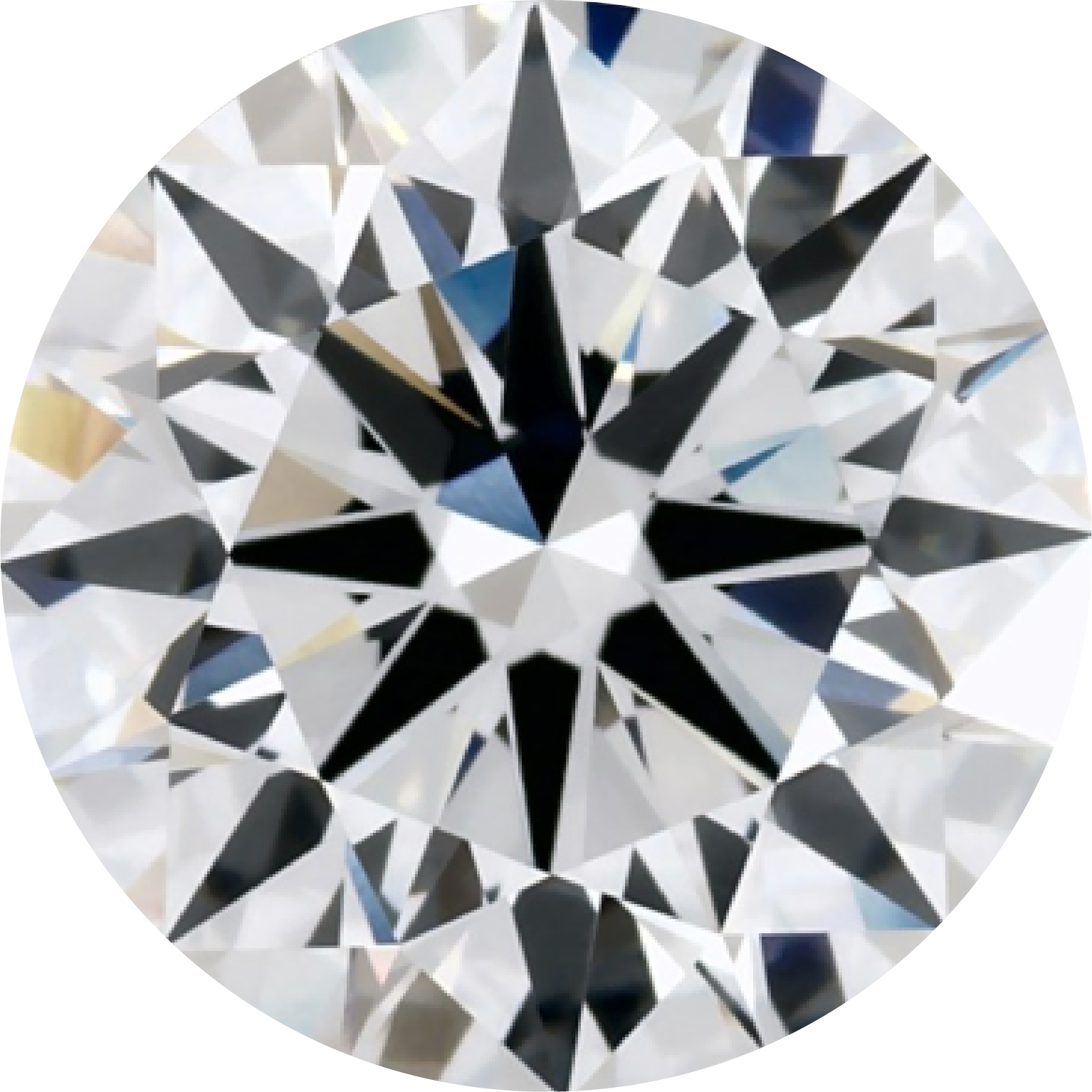
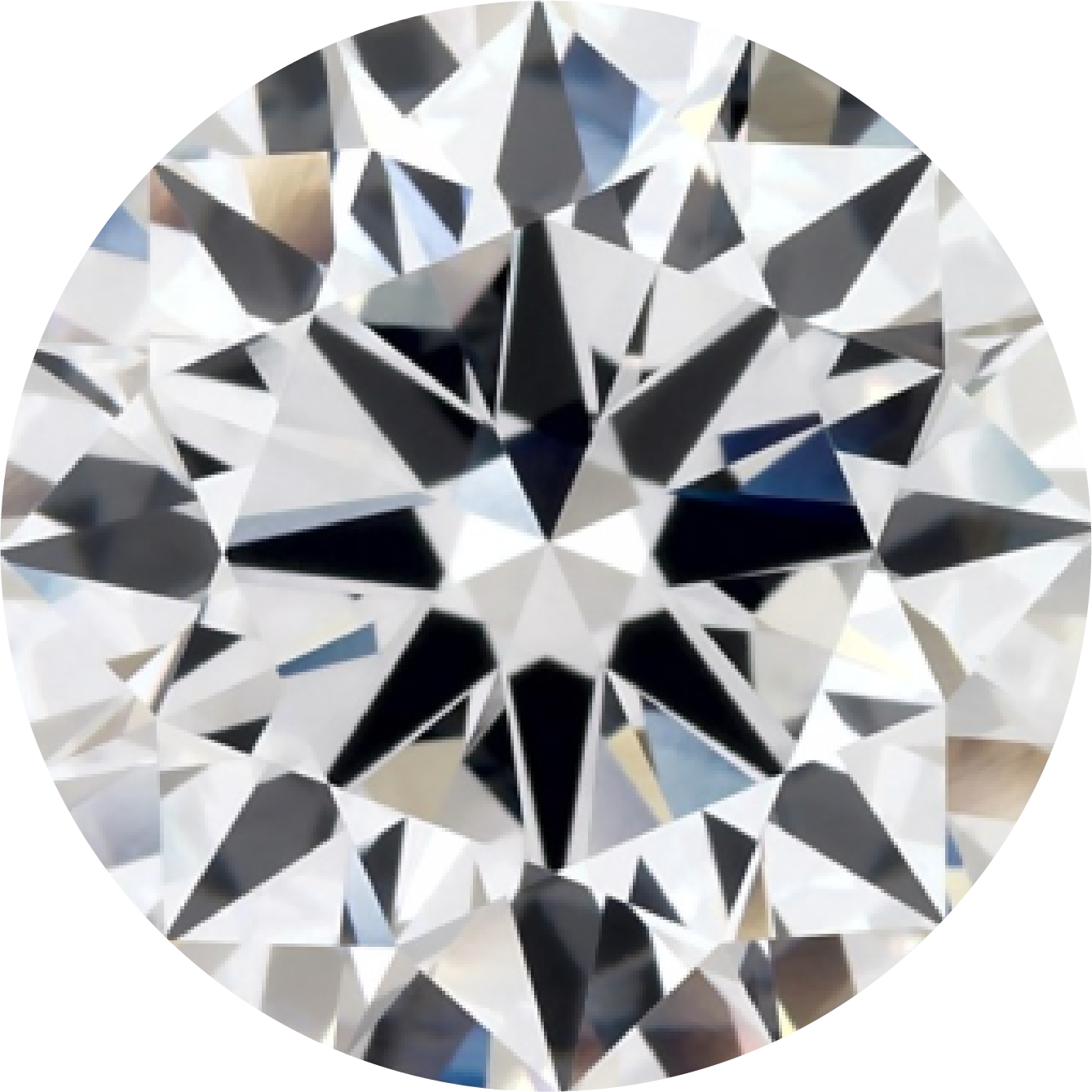
Two identical diamonds: GIA Certified, 1.51ct, D Color, VVS1, Ideal Cut. One is natural ($16,530), the other is lab-grown ($2,390). Choose the diamond you like better and see if you can match it to its origin.
How Much Cash Will I Actually Get? (The Math)
The most common question I get in 2026 is from owners shocked by the offers they receive for stones they bought just two years ago. To understand your payout, you have to look past the “sticker price” you paid and look at the wholesale floor.
Calculating Your Lab Grown Diamond Resale Value
In the current 2026 market, you will likely receive between 5% and 15% of your original retail purchase price if you are selling for cash.
If you bought a high-quality 2-carat lab diamond for $3,000 in 2024, a cash buyer today is likely to offer you between $150 and $450. While this feels like a “scam,” it is actually the result of how retail markups interact with a rapidly falling wholesale market.
The Retail Markup vs. Wholesale Cost
When you buy a lab diamond, you are paying for the jeweler’s rent, marketing, staff, and a healthy profit margin. In 2026, the cost to produce these stones has plummeted so far that the “new” wholesale price is often lower than the “used” price owners are trying to get.
The Math of the Loss:
- Your Purchase (2024): You paid $3,000 (Retail).
- The Wholesale Floor (2026): A jeweler can now buy a brand-new, identical stone from a wholesaler for $300.
- The Buyback Offer: A professional buyer won’t pay you the $300 wholesale price because they need to make a profit. They will offer you $150 so they can resell it for that $300 wholesale rate.
You aren’t just losing money to wear and tear; you are fighting a technology curve that makes your diamond cheaper to “print” every single day. This is one of the most significant hidden costs of an engagement ring that lab-grown buyers often ignore.
2026 Lab Diamond Cash Payout Estimates
| Original Retail Price | Estimated Cash Offer | The 2026 Reality Check | Mehedi’s Strategy |
|---|---|---|---|
| $1,000 | $50 – $150 | Often worth less than the gold it’s set in. | Keep it. Reselling a $1,000 ring rarely yields a profitable return. |
| $3,000 | $150 – $450 | Expect “scrap” level offers from local shops. | Focus on the metal value. 18k gold is your primary asset here. |
| $5,000 | $250 – $750 | Payout focuses mostly on the metal weight. | Consider a trade-in upgrade. It’s the only way to retain full credit. |
| $10,000+ | $500 – $1,500 | Only specialized online buyers will touch this. | Seek specialized lab diamond brokers. Private sales on platforms like Loupe Troop may yield better results. |
| The 2026 Resale Verdict: Lab diamonds are a “sunk cost” luxury. Their value lies in the upfront savings you enjoyed at purchase. If long-term wealth preservation is your goal, always opt for a GIA-certified natural diamond asset instead. | |||
Where to Actually Sell Your Ring in 2026
If you’ve decided to “cash out” on your lab-grown stone, the venue you choose will dictate whether you get a fair market offer or a flat rejection. In 2026, the market has matured, but it remains highly selective about recycled lab-grown inventory.
Who Buys Recycled Lab Diamonds for Cash?
The secondary market for lab diamonds is not the same as the market for gold or natural stones. Because labs can constantly produce new inventory, most traditional retailers have no interest in buying back used stones. You must target specialized buyers who have the infrastructure to resell them.
- Online Diamond Buyers: Companies like WP Diamonds, Worthy, and Diamond Banc are the leaders in 2026. These platforms have global networks that allow them to find “recycled” buyers.
They provide the highest secondary market liquidity because they are essentially wholesale liquidators. - Jewelry Buyback Programs: Some progressive retailers now offer direct buyback paths. For example, the Ritani Reclaim program allows you to sell back your IGI or GIA certified lab stone for cash (usually with a 1-carat minimum).
However, most big-box stores like James Allen or Blue Nile focus strictly on trade-in credit, not cash buyouts. - Pawn Shops & Local Jewelers: This is your last resort. Most local shops will simply tell you “no.” If they do make an offer, it will likely be the scrap jewelry price based solely on the weight of the metal, assigning nearly $0 value to the lab diamond itself.
Mehedi’s Insight: The “Wholesale Wall”
In 2026, the retail price of a new 2-carat lab diamond is often lower than what someone paid for a 1-carat diamond in 2023. This is why local jewelers won’t buy your stone.
They can buy a brand-new, perfect stone from their wholesaler for less than what you’re likely asking for your used one. To get any cash back, you must go to a buyer who specializes in ‘Recycled Diamonds.’ They are the only ones who can move that inventory without it sitting in a display case for a year.
If you’re curious about how a local shop calculates its “bottom dollar” offer, read my guide on Selling Diamond Rings at a Pawn Shop.
The Paperwork That Determines Your Payout
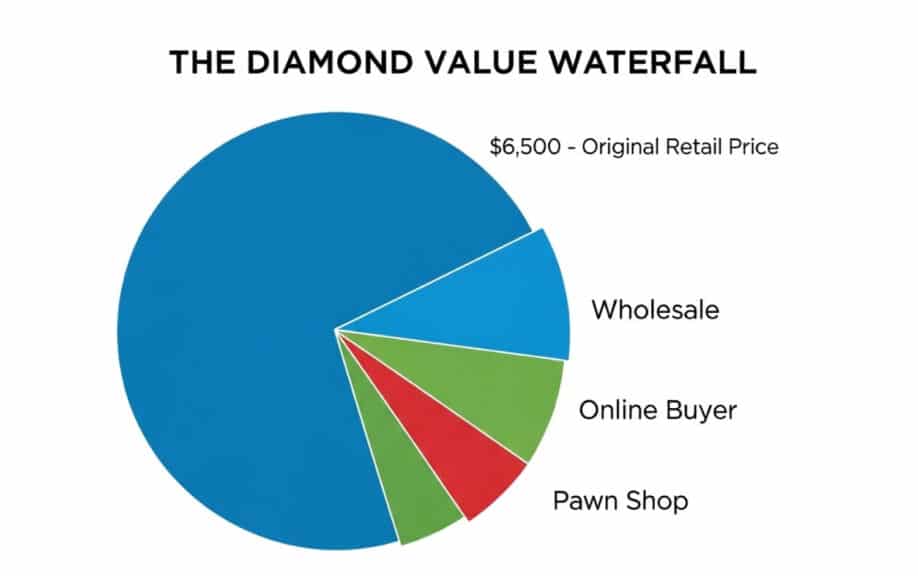
That big blue circle? That’s the $6,500 you or your partner paid for the ring at retail. Everything else is what you’re left with when you try to turn it back into cash.
Look at the green “Online Buyer” slice. That’s a fair market offer from a professional who understands the stone’s true wholesale value. Now look at that tiny, sliver of red for the “Pawn Shop.” That isn’t an exaggeration; that’s the reality of their business model.
When you walk into a pawn shop, you are literally leaving two-thirds of your potential cash on the table. Understanding this value waterfall is your single best defense against getting a terrible deal.
In the 2026 resale market, your lab-grown diamond is only as good as the paper it’s printed on. Without a verifiable report from a major laboratory, a buyer has to treat your stone as a “mystery simulant,” which will result in the lowest possible cash offer.
Why Your Laboratory-Grown Diamond Report (LGDR) Matters
No serious professional buyer will give you cash for a lab diamond without a certificate. Why? Because identifying a lab diamond’s specific growth method and quality grade requires expensive laboratory equipment that most local jewelers don’t have on-site. The report is your “proof of life.”
IGI vs. GIA: The Hierarchy of Resale
- IGI (International Gemological Institute): In 2026, IGI is the gold standard for lab diamonds. They were the first to provide full grading for lab-grown stones, and as a result, the majority of the world’s lab inventory carries an IGI report.
Having that IGI laser inscription on the girdle speeds up the sale because buyers trust the data. See more in our guide to IGI Diamond Certification. - GIA (Gemological Institute of America): While GIA is the king of natural diamonds, their GIA New Lab Diamond Report is also highly respected. However, because GIA was slower to enter the lab market, there is less “recycled” data for them, though they still command top-tier trust.
CVD vs. HPHT Growth (The Hidden Value Driver)
Not all lab diamonds are grown the same way, and by 2026, buyers have become very picky about the “DNA” of the stone.
- HPHT (High Pressure High Temperature): These stones are generally preferred in the secondary market. They often have a crisper look and lack the structural “strain” sometimes found in CVD stones. A high-quality HPHT stone may fetch a small premium from a collector.
- CVD (Chemical Vapor Deposition): While CVD can produce stunning diamonds, low-quality CVD stones often have “strain lines” (visible under a microscope) or a subtle brown/gray tint. Resale buyers will heavily discount CVD stones if these visual defects are present, as they are harder to flip.
If you lost your certificate, you can often find the report number laser-inscribed on the edge of the diamond using a 10x jeweler’s loupe. A buyer can then look up the digital IGI Diamond Certification to verify your stone’s value instantly. Without that number, your stone is practically unsellable for cash.
The Hidden Value: Your Metal Setting
While you might be focused on the “diamond” aspect of your sale, in 2026, the real money is often hiding in the band itself. As lab diamond prices have fallen, the intrinsic value of the precious metals holding them has done the exact opposite.
Don’t Forget the Melt Value of the Gold Setting
The Shocking Truth: In March 2026, gold prices have shattered all-time records, with spot prices hovering around $5,170 per ounce.
If you have a heavy 18K gold setting or a solid Platinum band (currently ~$2,175 per ounce), the metal might actually have more cash value than the lab-grown diamond sitting on top of it.
For many owners of lab-grown rings, the diamond is now a “nominal” part of the quote. A heavy 6-gram platinum setting in 2026 is a significant asset in its own right, regardless of what stone it holds.
2026 Precious Metal Melt Value (Estimated)
Mehedi’s Tip: The “Separate Quote” Strategy
When you are calling online buyers or walking into a shop, do not ask for a single price for ‘the ring.’ Use this specific phrase: ‘I want a separate quote for the lab diamond and the gold melt value.’ >
Why? Because if a jeweler gives you a lump sum of $600, you might think you’re getting a good deal for a ‘used’ lab diamond. In reality, they might be giving you $550 for the gold and only $50 for the stone.
Knowing the how much gold is in a wedding ring helps you negotiate from a position of power. Don’t let them ‘bundle’ your high-value metal into a low-value diamond offer.
Cash vs. Trade-In: The Smarter Move
If you’ve read the math above, you know that selling a lab diamond for cash in 2026 is a “loss-only” game. However, there is one loophole that allows you to recoup 100% of your initial investment: the Upgrade Policy.
Upgrade Policy Comparison (Getting Your Value Back)
If you want cash, you take a massive 90% loss. If you want a bigger, better diamond, you can often “transfer” your original purchase price into a new stone. This is the only way to beat the gemstone depreciation of the lab-grown market.
In 2026, major online retailers have split into two camps. Some, like James Allen, have embraced the lab-grown “upgrade culture,” while others, like Ritani, have shut down lab upgrades entirely because the prices are dropping too fast for them to maintain a profit.
2026 Lab Diamond Upgrade Policy Tracker
| Retailer | Upgrade Credit | The 2026 “Catch” | Mehedi’s 2026 Verdict |
|---|---|---|---|
| James Allen | 100% Value | New stone must be 2x the original price. | The Best Path. Allows you to retain full value if you’re jumping from 2 carats to a 4-carat statement piece. |
| Blue Nile | 100% Value | Restricted to select GIA/IGI lab stones. | A solid alternative, but requires manual approval. Check their natural vs. lab policies before buying your first stone. |
| Brilliant Earth | 50% Value | Calculated as part of a recycling program. | Low Efficiency. You lose half your investment. Only recommended if you prioritize their sustainability branding. |
| Ritani | 0% (Asset Only) | Discontinued for lab-grown stones in 2026. | Ritani now only offers trade-ins for natural diamond assets. For lab buyers, this makes their stones a “final sale.” |
| The 2026 Upgrade Verdict: If you plan on upgrading later, James Allen is the only retailer with a truly transparent upgrade policy comparison. For those who want high resale value without a 2x purchase requirement, you must switch to the natural diamond market. | |||
Mehedi’s Advice: The “Upgrade Trap”
Retailers like James Allen offer 100% credit because they want to keep you as a customer for life. By requiring you to spend double the original price, they ensure that even if your old lab diamond is now worth pennies at wholesale, the profit they make on the new, more expensive stone covers the gap.
It’s a brilliant way to shift consumer demand trends toward ‘forever upgrading.’ If you know you eventually want a 4-carat stone, buying your 2-carat from a retailer with a 100% lab upgrade policy is the only way to treat your purchase as a ‘deposit’ rather than a sunk cost.
If you are planning to leverage this strategy, make sure you understand the fine print by reading our full guide on how to Trade in a Diamond Ring for an Upgrade.
FAQs: Selling Lab Diamonds
In 2026, the market for “recycled” lab diamonds is brutal. As a gemologist, I’ve seen thousands of people lose significant sums because they didn’t understand the manufacturing economics of these stones. Here are the unfiltered answers to your top questions.
Can you sell lab grown diamonds for cash to a local jeweler in 2026?+
Most local jewelers will not buy lab diamonds for cash. Their business model relies on buying new wholesale inventory at current, much lower manufacturing prices. If a jeweler does make an offer, it is usually only for the gold scrap melt value of the setting, effectively assigning a $0 value to the lab stone itself. Use our diamond resale price calculator to see current market estimates.
What is the average lab grown diamond resale value in 2026?+
You should realistically expect to receive between 5% and 15% of your original retail purchase price. Because lab diamonds are a product of technology rather than finite geological scarcity, their value drops the moment you leave the store—much like driving a new car off the lot. Compare this to mined stones in our natural diamond resale value guide.
Why do online diamond buyers pay so little for recycled lab diamonds?+
Online buyers and liquidators are fighting the rapidly dropping wholesale floor. In 2026, manufacturing efficiency in China and India has pushed the cost of creating new lab diamonds down by roughly 73% since 2021. A liquidator simply will not pay you $500 for a “used” stone if they can source a brand-new, flawless one directly from a factory for $300.
Is a lab grown diamond considered a depreciating asset?+
Yes, absolutely. Unlike natural diamonds, which rely on the fixed costs of mining and strict supply scarcity to hold their value, lab diamonds are a rapidly evolving technological product. As the technology to grow them becomes cheaper, faster, and more efficient, the secondary value of existing stones inevitably declines. Read more about why diamond prices are dropping.
Will a pawn shop give me cash for the lab diamond itself?+
In 2026, the vast majority of pawn shops will assign a $0 value to the lab diamond. They will weigh the ring and offer you a price based solely on the current market melt value of the gold or platinum setting. To pawnbrokers, a lab stone lacks secondary liquidity. See what to expect in our guide to selling diamond rings at a pawn shop.
Does having an IGI or GIA certificate increase the resale value?+
Yes. An IGI certificate is currently the gold standard for lab diamonds because it instantly proves the stone’s exact specifications to a buyer. While it won’t make the resale price skyrocket, it is what makes the stone liquid. Without a grading report, most professional buyers will flat out refuse to make an offer. Learn more in our IGI diamond certification guide.
How does the diamond price crash of 2026 affect the secondary market?+
The crash has caused a massive market bifurcation. Natural diamonds are successfully repositioning as “exclusive symbols of enduring value,” while lab diamonds have become “accessible, everyday fashion luxury.” This shift means the secondary market for lab diamonds is flooded with oversupply, making it incredibly difficult to find a willing cash buyer.
Is it better to get cash or use a retailer’s upgrade program?+
If you want to preserve your financial equity, strictly use the upgrade program. Retailers like James Allen often give you 100% trade-in credit toward a new diamond (provided it meets their upgrade criteria). If you sell for cash on the secondary market, you are voluntarily lighting up to 90% of your initial investment on fire. Check out how these policies work in our trade in diamond ring for upgrade guide.
Does the growth method (CVD vs. HPHT) change the resale price?+
It can. In 2026, professional buyers often prefer HPHT (High Pressure High Temperature) stones because they tend to have a “crisper” crystal lattice structure. Lower-quality CVD (Chemical Vapor Deposition) stones can exhibit internal “strain lines” or a faint brownish tint that buyers will use as leverage to lower their cash offer even further. We break down these differences in our types of lab-grown diamonds guide.
Can I get more cash if I sell my lab diamond to a private buyer?+
Yes, selling privately on peer-to-peer platforms like eBay, Loupe Troop, or Facebook Marketplace can potentially net you 20% to 30% of the retail value. However, it is a slow process fraught with the risk of scams. A wholesale liquidator or online buyer is much faster and safer, but they will always pay you the lowest possible “bottom dollar” wholesale price.
Conclusion: Mehedi’s “Cash Out” Verdict
If you arrived at this article hoping to discover a hidden secondary market where lab-grown diamonds command a premium, I am sorry to disappoint you.
The 2026 reality is that lab-grown diamonds are a marvel of modern technology and a fantastic way to buy a beautiful piece of jewelry affordably, but they are not an investment.
Because they are a manufactured product with a continuously falling production cost, their resale value acts more like consumer electronics than precious gems. Here is exactly how I recommend handling your lab diamond today:
The Trade-In Strategy (Best Value):
If your goal is to upgrade to a larger stone or a different shape, do not sell for cash. Go back to the retailer where you originally purchased the diamond and utilize their jewelry buyback program or upgrade policy.
Many reputable online jewelers will give you 100% of your original purchase price in store credit, provided you spend roughly double on the new piece. This is the only way to retain your initial “investment.”
The Cash-Out Strategy (Cutting Losses):
If you simply need the cash, brace yourself for offers between 5% and 15% of the original retail price. To get the best possible return, skip the local pawn shop—many will only offer the scrap jewelry price for the gold and value the diamond at zero.
Instead, use specialized online diamond buyers who have the capital and the secondary market connections to accurately value an IGI-certified lab stone.
The Golden Safety Net:
Always remember that while the diamond’s value has depreciated, the intrinsic value of the gold or platinum setting has likely held strong or even increased. Make sure any buyer you work with itemizes the offer, showing you exactly what they are paying for the metal versus the diamond.
Before you mail your diamond to a buyer or accept a lowball offer from a pawn shop, check the current retail price of a brand-new stone with the exact same specs using our Diamond Rate Calculator. This will show you the new “wholesale floor” and help you set realistic expectations for your cash payout.