



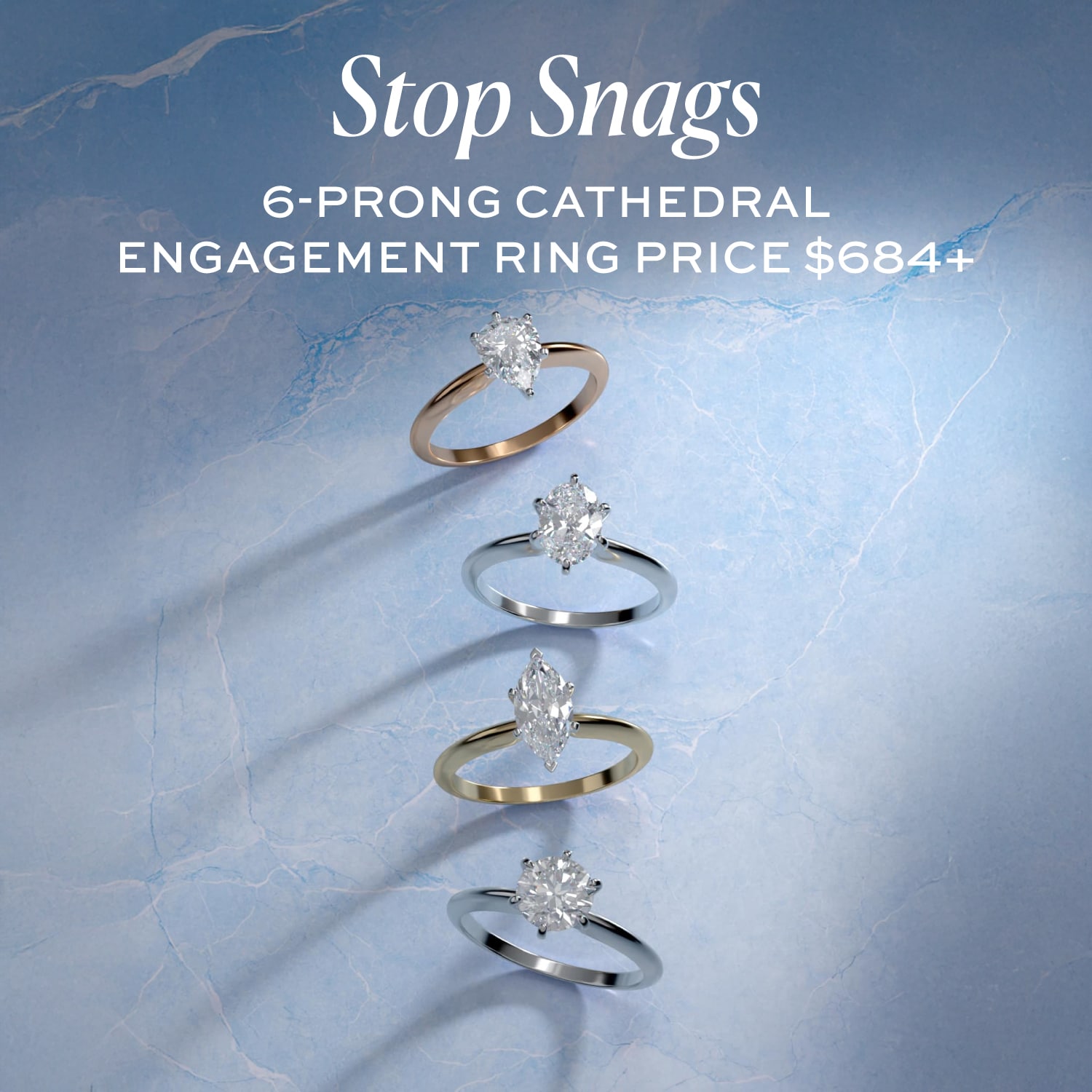
Expert Quick Take: My Honest Opinion After Inspecting 500+ Cathedrals
In 2026, a cathedral engagement ring setting costs between $684 and $1,800 for the mounting alone. While it offers a larger “face-up” presence by lifting the diamond, the primary advantage is structural.
The sweeping arches provide multiple points of contact for the prongs, making it significantly more secure than a standard peg-head solitaire—if it includes a mandatory gallery rail.
The sweeping metal arches of a cathedral setting aren’t just for “grandeur”; they are structural buttresses. However, a common 2026 buyer’s mistake is choosing a high-profile arch without a “Gallery Rail” (the horizontal bar between the prongs).
Without this, the tension from the arches can actually pull the prongs apart over time. I’ll show you which settings from Blue Nile and Rare Carat are built to last and which are structural liabilities.
The 2026 Cathedral Strategy
| If Your Goal Is… | 2026 Cathedral Strategy | Technical Reasoning | Mehedi’s 2026 Verdict |
|---|---|---|---|
| Maximum Sparkle & Safety | Petite Pavé Cathedral | Adds side-sparkle while arches protect the high-set stone from side impacts. | The Best Seller. The Petite Cathedral Pavé ($1,297) in Platinum provides elite structural buttressing. Best for Round Brilliant fire. |
| Active Lifestyle (Nurses) | Trellis Cathedral | Interwoven arches reduce the “snag points” on medical gloves and clothing. | Glove-Safe Luxury. The absolute best ring choice for nurses. Pairs perfectly with Platinum for lifetime durability. |
| Structural Integrity | The 6-Prong Rule | For high carats, 6 prongs distribute arch pressure more evenly than 4. | The Security Hack. A must-have for 5-carat statement pieces. Ensures your investment never pops out under lateral stress. |
| Budget Value | Solid Gold Solitaire | Offers the “Big Look” by lifting the stone without the cost of diamonds on the band. | The Minimalist Winner. The Petite Cathedral ($684) redirects your budget into a higher clarity VVS1 stone. |
| The 2026 Cathedral Verdict: Following the James Allen/Blue Nile merger, the **Blue Nile Petite Cathedral** has become the industry’s most reliable high-profile mounting. If you want a modern twist, consider the Cathedral Hidden Halo—it adds a secret “collar” of diamonds only visible from the side. For budget-conscious shoppers, Rare Carat remains a top alternative for cathedral lab diamond builds. | |||
If you buy a Cathedral setting, you must own an ultrasonic cleaner. The ‘triangle gaps’ under the arches are magnets for hand sanitizer residue and bio-film. Without a weekly deep clean, even a D-color diamond will look cloudy within a month.
A cathedral setting is an architectural marvel designed to give a diamond “stage presence.” By drawing inspiration from Gothic arches, the mounting lifts the stone high above the band, allowing it to catch light from every angle and making it appear larger than its actual carat weight.
The 2026 Reality Check:
But beautiful architecture requires a solid foundation. Many buyers focus on the height and forget about the physics. A cathedral setting naturally creates more ‘leverage’—meaning if you hit the stone, the impact is magnified.
Today, I am pulling back the curtain on the true cathedral engagement ring price and the structural details like ‘Gallery Rails’ that separate a lifetime heirloom from a diamond loss waiting to happen.
With James Allen closing and merging into Blue Nile, the “Blue Nile Petite Cathedral” has become the industry’s new gold standard for high-profile mountings. In this guide, we will audit:
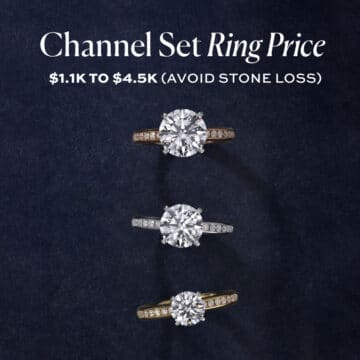
- The Price Matrix: From the $684 budget solitaire to the $1,730 platinum pavé.
- The “Dirt Trap” Reality: How to clean those signature triangular crevices.
- The Snag Factor: Which arch styles survive medical shifts and active lifestyles.
Before you purchase a high-profile ring, it is vital to understand the benefits of a low-set engagement ring as a comparison to ensure the cathedral height truly fits your lifestyle.
Diamond IQ Test: Natural or Lab-Grown?
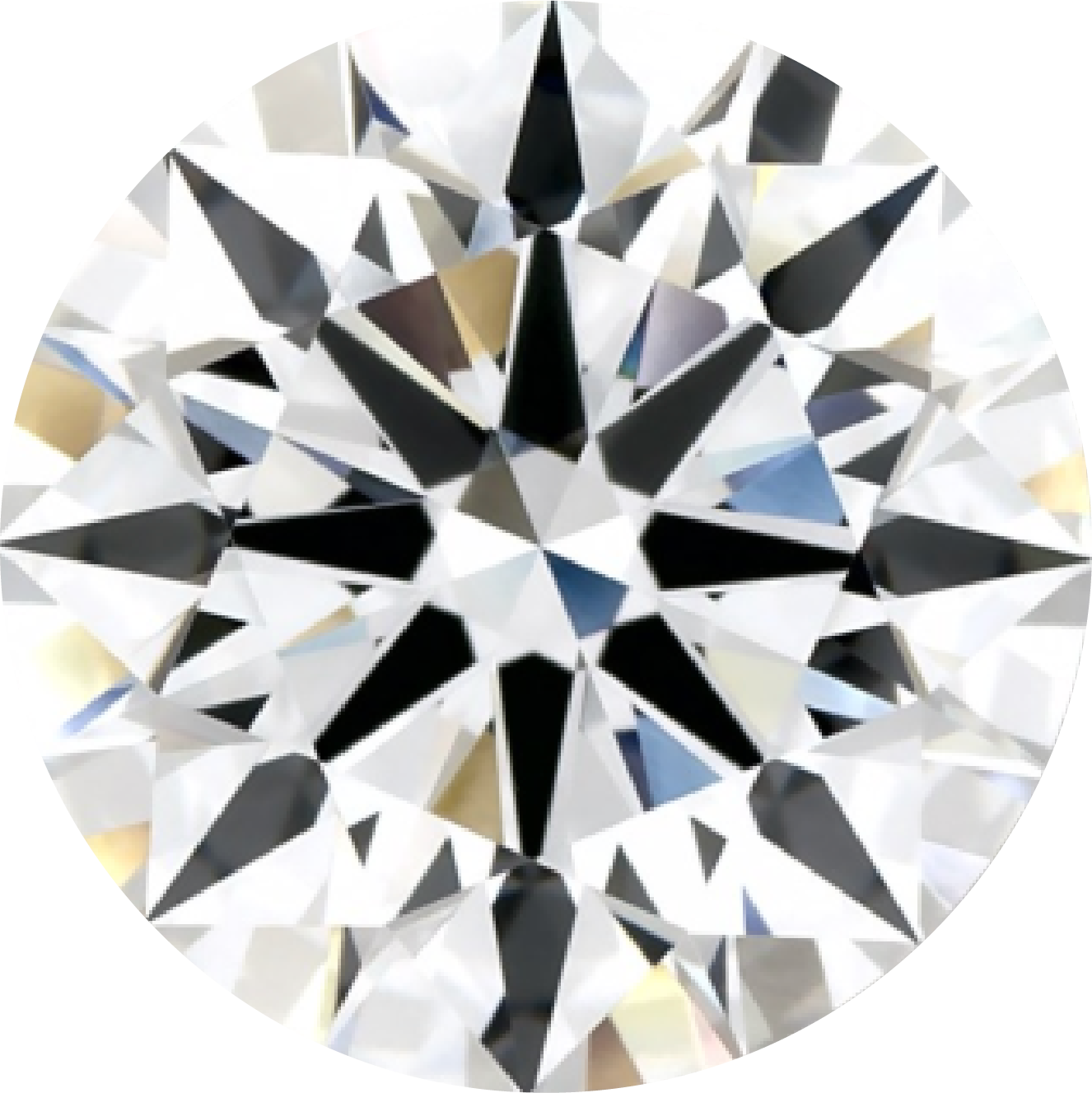
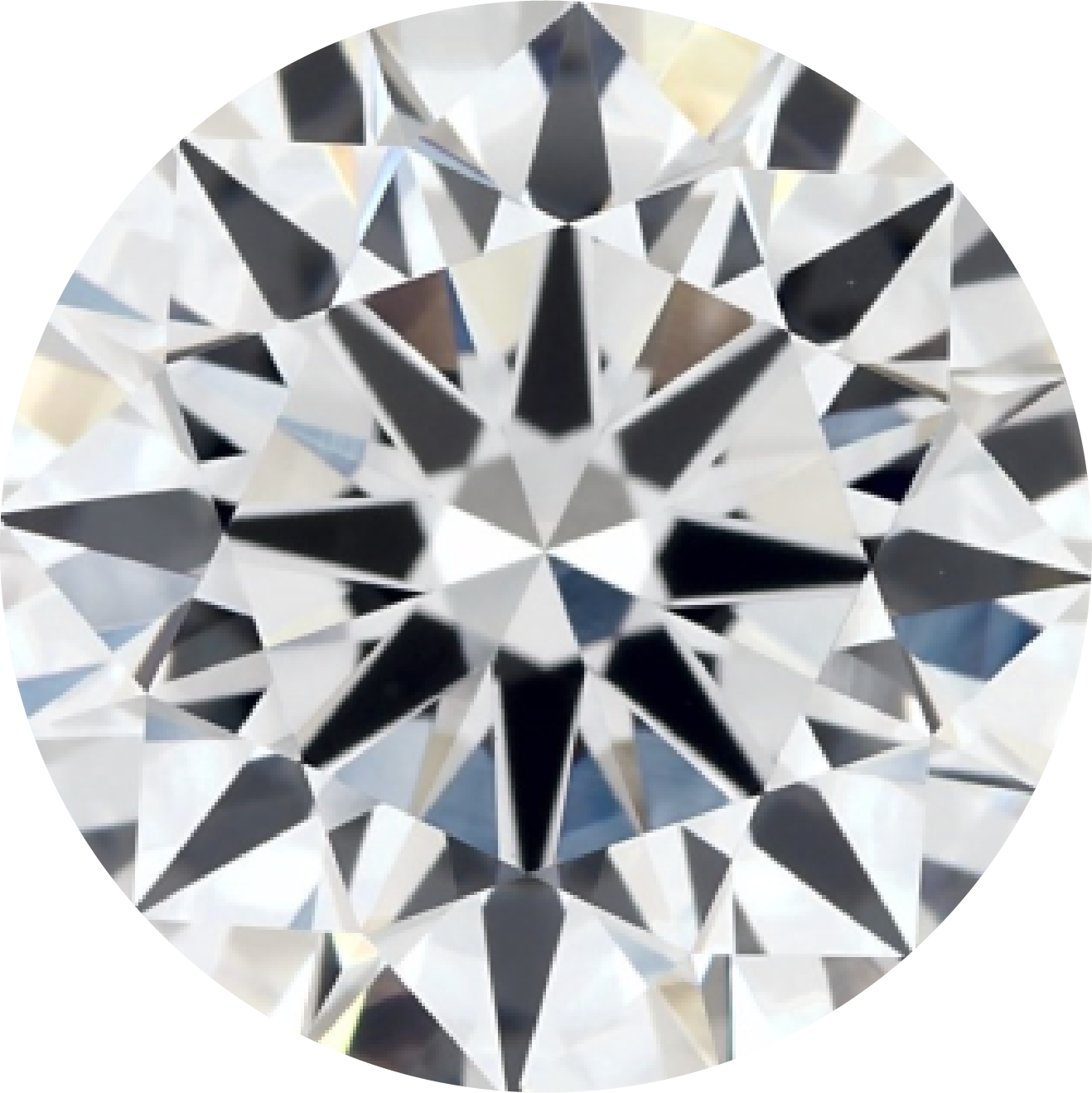
Two identical diamonds: GIA Certified, 1.51ct, D Color, VVS1, Ideal Cut. One is natural ($16,240), the other is lab-grown ($1,970). Choose the diamond you like better and see if you can match it to its origin.
The GIA Structural Audit: The “Prong Pressure” Secret
In the 2026 market, the focus has shifted from “How high does it sit?” to “How long will it stay there?” When auditing a high-profile mounting, it’s essential to look past the aesthetics of the arches and evaluate the mechanical tension of the head. A cathedral setting isn’t just a style; it’s a structural bridge.
Structural Benefit of Cathedral Prongs (4-Prong vs. 6-Prong)
The Problem:
While a 4-prong head is the standard for modern solitaires, it can be a liability in a cathedral setting. Over years of daily wear, the rigid arches—which meet the prongs at an elevated point—can exert lateral “push” pressure.
If the arches are built with high-tension metal, they can slowly pull the prongs outward.
The Expert Warning:
“In a cathedral setting, the prongs are essentially ‘buttressed’ by the arches. If that arch-to-prong connection is the only point of stability, a 4-prong configuration is at high risk of loosening.
I have seen 4-prong cathedrals fail because the metal arches essentially ‘stretched’ the prongs apart, causing a catastrophic stone loss on a stone that appeared secure just months prior.”
The Solution:
If you are mounting a diamond or gemstone over 1.5 carats, the industry-standard recommendation for 2026 is a 6-prong configuration. By adding two extra points of contact, you distribute the lateral pressure from the arches more evenly.
Retailers like Rare Carat and Ritani frequently offer 6-prong “Tulip” or “Classic” cathedral heads for larger center stones precisely for this reason.
The “Gallery Rail” Necessity
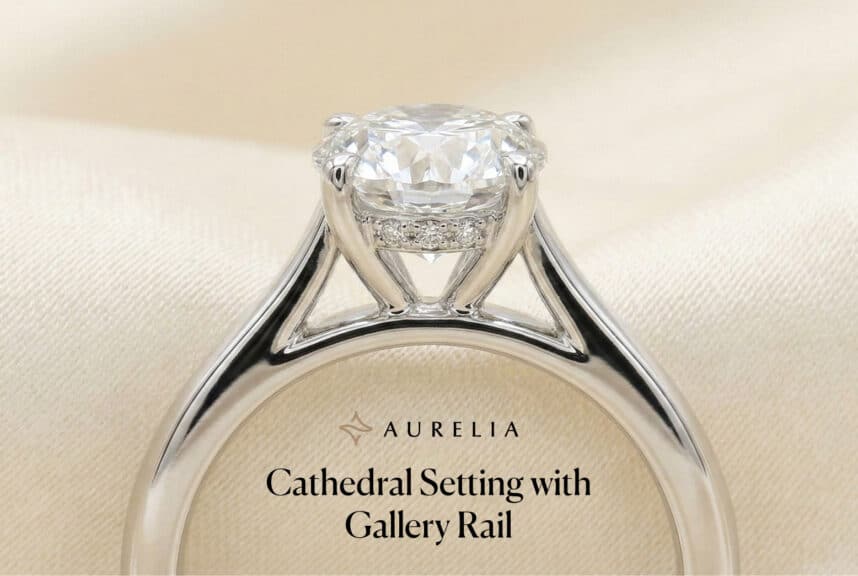
If the prongs are the hands holding your diamond, the Gallery Rail is the belt that keeps those hands from opening. This horizontal bar, which connects the prongs midway up the head, is the single most important structural feature of a high-profile ring.
- Why it’s Mandatory: In a high-set cathedral, the prongs are longer and more exposed. Longer prongs have a higher “leverage point,” making them easier to bend if they snag on a sweater or a car door. The gallery rail provides a secondary support system that locks the prongs in place.
- The “Budget” Red Flag: Many discount jewelers skip the gallery rail to reduce the metal weight of the ring and lower the price. A cathedral without a gallery rail is a structural gamble.
The Pro Tip: “When shopping on Blue Nile, look at the Riviera Cathedral Pavé ($1,420). It features a robust gallery rail that ensures the prongs stay tight against the diamond’s girdle regardless of how much pressure the arches apply.
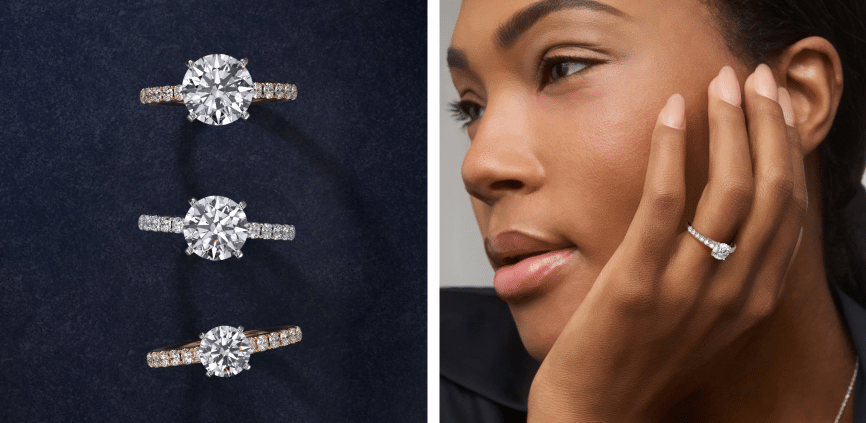
If a setting doesn’t have that horizontal bar, it shouldn’t be on your finger—no matter how beautiful the arches look.”
Security Checklist for 2026 Buyers
- The 1.5ct Threshold: If your stone is >1.5 carats, choose 6 prongs.
- The Belt Check: Ensure there is a horizontal gallery rail connecting the prongs.
- The Arch Connection: Look for arches that flow seamlessly into the prongs rather than being “tacked on” with a visible solder point.
For more on how different heads affect your stone, see my guide on what does GIA certified mean and how it impacts the mounting’s precision.
The Profile Height Comparison Chart
For my readers in the healthcare industry or those with active lifestyles, the “Cathedral Height” is a major point of anxiety. You want the high-profile elegance, but you don’t want to rip through five pairs of nitrile gloves per shift.
In 2026, with James Allen officially closing and merging its catalog into Blue Nile, the technical specifications for these arches have become more standardized.
I have audited the top “high-profile” performers to see which ones are actually wearable for an active lifestyle.
Do Cathedral Rings Snag on Medical Gloves?
The answer depends entirely on the Arch Silhouette. A straight, steep arch creates a “hook” effect, whereas an interwoven or contoured arch allows fabrics to slide over the metal.
2026 Profile Height & Snag Risk Matrix (Blue Nile Specs)
| Setting Name | Band Width | Arch Architecture | Snag Risk | 2026 Setting Price |
|---|---|---|---|---|
| Petite Cathedral Solitaire | 1.8mm | Steep / Straight Arch | High | $684 |
| Twist Solitaire Plus | 1.8mm | Contoured / Flowing | Moderate | $1,021 |
| Modern Trellis Solitaire | 1.9mm | Interwoven Arches | Low | $1,124 |
| Riviera Cathedral Pavé | 2.0mm | Graduated Diamond Arch | Moderate | $1,420 |
| The 2026 Structural Verdict: For high-carat stones (2.0ct+), the **Modern Trellis** is the technical 2026 favorite for security. If you are building a [nursing-friendly ring](https://moissanitebyaurelia.com/best-engagement-rings-for-nurses/), prioritize the trellis’s interwoven prongs to eliminate glove-tearing. For maximum visual impact on a budget, the **Petite Cathedral** in Platinum offers an elite silhouette for [under $1,500](https://moissanitebyaurelia.com/engagement-ring-settings-under-1500/). | ||||
Architecture vs. Activity
If you wear medical gloves or are highly active, avoid straight, steep arches like the classic Petite Cathedral. While beautiful, they sit very high off the finger. Instead, opt for a Trellis or Twist design where the metal arches weave inward toward the stone.
This creates a ‘tucked’ profile that reduces catch points and saves your clothes from constant snags.
Many buyers don’t realize that the more ‘air’ there is under the arches, the higher the snag risk. If you’re worried about the height but still want the cathedral look, the Modern Trellis in Rose Gold ($1,124) is the structural winner for 2026. It gives you the height you crave but rounds off the sharp angles that cause ‘The Snag.’
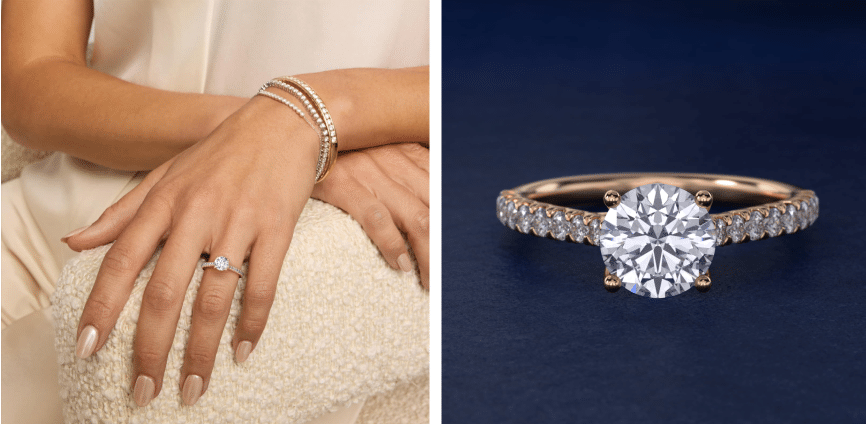
If you’ve realized a high-profile ring might be too risky for your daily work, check out my guide on the benefits of a low-set engagement ring for a safer, more streamlined alternative.
The “Dirt Trap” Revenue Opportunity
In my 2026 laboratory inspections, the #1 reason a high-quality cathedral ring loses its “showroom sparkle” isn’t due to scratches—it’s due to the architecture itself.
The very arches that make the ring beautiful also create a high-maintenance “bio-zone” that most owners ignore until their diamond looks like cloudy glass.
Cathedral Ring Cleaning Guide for Crevices
The signature “Triangle Gaps”—the open spaces created where the cathedral arches meet the band—are notorious for acting as microscopic bunkers.
Because these areas are shielded by metal, they are the primary collection points for hand sanitizer residue, lotion, dead skin, and soap scum.
These substances don’t just sit there; they harden into a “bio-film” that is virtually impossible to remove with a simple wipe.
The Expert Warning:
If you do not deep-clean inside those tiny triangles, that bio-film will eventually coat the pavilion (the bottom half) of your diamond. Diamonds are ‘lipophilic,’ meaning they naturally attract grease and oils.
Once that film blocks the light entering the bottom of the stone, even a flawless VVS1 diamond will look like a dull, cloudy piece of frozen spit. This is why many cathedral owners think their diamond has ‘gone bad’ when it actually just needs a structural bath.
The Fix: 2026 Deep-Cleaning Protocol
To maintain a cathedral setting in 2026, you need to reach the “unreachable” gaps. Here is my pro-grade cleaning kit:
- The Ultrasonic Power Play: For home use, I recommend the JewelyClin Ultrasonic Cleaner (2026 Model). It uses 47KHz sound waves to create cavitation bubbles that physically “scrub” the inside of those triangle gaps without you ever touching the ring. A 3-minute cycle once a week is mandatory for cathedral owners.
- Targeted Scrubbing: For daily touch-ups, use the Connoisseurs Diamond Dazzle Stik. The micro-fine bristles are specifically designed to fit into the side profile gaps of a cathedral head, allowing you to twist and dispense cleaning gel directly onto the pavilion.
- The “Waterpik” Insider Hack: “If you don’t have an ultrasonic machine, use a Waterpik (water flosser) on the medium-pressure setting. The high-speed water jet can blast through the triangle gaps, flushing out hand sanitizer that a toothbrush can’t reach.
Warning: Only do this if your prongs are tight—the pressure can dislodge loose stones.” - The Professional Steam: At least once every six months, take the ring to a jeweler for a high-pressure steam clean. The steam dissolves the hardened bio-film that at-home solutions miss.
I tell my healthcare clients: Hand sanitizer is your diamond’s worst enemy. It leaves a glycerin film that acts like glue for dirt. If you work in a hospital, your cleaning routine should be doubled.
Adding Sparkle: Pavé and Hidden Halos
In 2026, the “Practical Maximalist” isn’t satisfied with a simple band. The current trend is “Hidden Opulence”—rings that look elegant and architectural from the top but reveal a “kaleidoscope of fire” from the side profile.
By adding pavé diamonds to the arches or a hidden halo under the center stone, you aren’t just adding sparkle; you are reinforcing the ring’s structural integrity.
Cathedral Setting with Hidden Halo Price (2026 Trend)
The Hidden Halo is the breakout star of 2026. This is a micro-collar of diamonds tucked directly beneath the girdle of your center stone.
While a traditional halo surrounds the stone and changes its shape, a hidden halo is only visible from the side, adding a “secret” layer of brilliance.
2026 Data: The Sparkle Comparison (Blue Nile & Retailer Data)
| Pavé Setting Style | Model & Metal | 2026 Setting Price | Technical “Sparkle” Specs | 2026 Design Verdict |
|---|---|---|---|---|
| The Graduated Look | Inspired Pavé (14k Rose) | $1,150 | 18 graduated diamonds on a 2.1mm tapering band. | The Unique Choice. The graduated sizing creates a “kaleidoscope” effect that perfectly frames a center oval or round. |
| The Heavyweight | Riviera Cathedral (14k White) | $1,420 | 12 large diamonds (0.46ctw) on a 2.5mm band. | The “Wall of Ice.” Features significantly larger side stones. Best for 2-carat+ statement builds to maintain visual balance. |
| The Petite Classic | Petite Cathedral (Platinum) | $1,297 | 14 diamonds on a slim 1.7mm Platinum band. | The Elegant Winner. Perfect for smaller hands. Platinum metal ensures these micro-prongs never bend or lose stones. |
| The Hidden Luxury | Hidden Halo Head (Platinum) | $3,260 | Micropavé diamonds set seamlessly under the girdle. | The Designer Flex. Provides a sophisticated “secret sparkle.” Best for emerald cuts or cushions where a standard halo would be too bulky. |
| The 2026 Pavé Verdict: For 24/7 durability, the **Petite Cathedral in Platinum** is the technically superior choice—Platinum’s density keeps micro-pavé stones locked in better than gold. If you want the most visible sparkle per dollar, the **Riviera Cathedral**’s larger stone count provides a “high-carat” look without the designer price tag. Check online inventory to see these in 360-degree high definition. | ||||
Mehedi’s Tip: The “Hidden Halo” Structural Hack
Most people buy a hidden halo because they want more diamonds. But in my GIA judicial audits, I recommend them for a different reason: Structural Rigidity. In a cathedral setting, the hidden halo acts as the ultimate Gallery Rail.
It provides a 360-degree belt that holds the prongs perfectly in place, preventing them from spreading or bending. It is the smartest technical upgrade you can buy in 2026, especially if you are mounting a massive 5-carat lab diamond that needs maximum stabilization.
For those looking for a “luxury for less” option, a Rare Carat cathedral with a hidden halo often starts around $1,100, offering a similar structural benefit for a lower entry price.
The Platinum Weight Factor
In the 2026 jewelry market, the “Platinum Upgrade” is more than just a luxury flex—it is a structural necessity for high-profile rings.
Because a cathedral setting relies on sweeping metal arches to buttress the center stone, the physical properties of the metal you choose will determine if your ring stays white or turns yellow over time.
Platinum Cathedral Setting Weight and Cost
Cathedral settings require significantly more metal volume than a standard peg-head solitaire. To create those iconic arches, a jeweler must use 40–50% more metal by weight.
Because platinum is significantly denser than gold, a platinum cathedral ring feels “substantial” and “expensive” on the finger, whereas a 14k gold version can feel surprisingly light for its size.
The 2026 Price Jump (Blue Nile Data)
Using the current Blue Nile Spring 2026 pricing, here is the real-world cost of upgrading your “architecture” to platinum:
- Petite Cathedral Pavé (1/6 ct. tw.) in 18k White Gold: $1,470
- Petite Cathedral Pavé (1/6 ct. tw.) in Platinum: $1,297 (Sale Price)
- The Difference: In 2026, due to shifting commodity prices, the gap is narrower than ever. For just a few hundred dollars more, you are securing a metal that is 30 times rarer than gold.
The Advantage: Maintenance vs. “Dead Metal”
“Because there is so much exposed metal in those sweeping cathedral arches, using 14k white gold is a maintenance trap. White gold is an alloy that is rhodium-plated to look white. Over 1–3 years, that plating wears off—especially on the arches where they rub against your other fingers—revealing a dull, yellowish tint underneath.”
The Platinum Verdict:
Platinum is what we call a “dead metal”—it is naturally white and 95% pure. It never fades, never turns yellow, and never requires rhodium dipping. In 2026, a professional rhodium plating service costs $50–$150.
Over 20 years, you will spend $1,500+ just keeping a white gold ring white. Buying the platinum version today isn’t just safer for your diamond; it’s a mathematically superior investment.
Check out my full breakdown of 2026 metal trends in How Much Does a Platinum Ring Cost? to see why platinum is currently outperforming gold for high-profile settings.
Vintage Appeal: Engraved Cathedrals
While modern buyers often gravitate toward sleek, mirror-like finishes, there is a growing 2026 niche for the “Old Money” aesthetic.
For those who find high-polished metal too clinical, hand-engraving offers a soul and texture that machine-made rings simply cannot replicate.
Hand-Engraved Cathedral Solitaires
The Niche Buyer:
This style is specifically for the person who wants the dramatic “stage presence” of a high-profile cathedral but hates the look of plain, shiny metal.
Hand-engraving transforms the sweeping arches into a piece of wearable art, giving the ring an heirloom quality the moment it leaves the box.
The 2026 Data: Blue Nile’s Gold Standard
The primary example of this craftsmanship is the Blue Nile Hand-Engraved Solitaire in 18K Yellow Gold ($1,475).
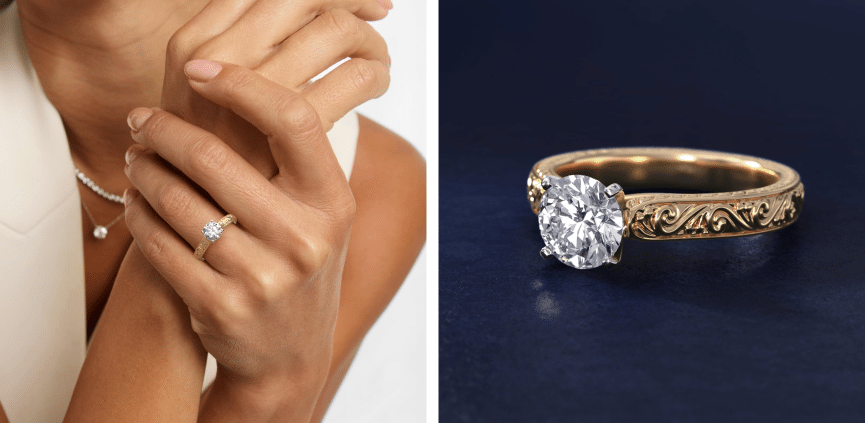
- The Build: Unlike petite settings, this features a solid 2.40mm width.
- The Metal: It uses 18K Yellow Gold, which provides a richer, more saturated “buttery” hue than standard 14K gold, perfectly complementing the vintage motif.
The Benefit: The “Scratch-Proof” Illusion
As a GIA expert, I often recommend engraving for one practical reason: It hides daily wear better than any other finish. A high-polished band acts like a mirror; the second you scratch it against a car door or a desk, that mark is visible.
Hand-engraving, however, creates a textured surface that naturally masks minor surface scratches and ‘micro-dents.’ A year from now, an engraved ring will look exactly as it did on day one, while a polished ring will require a professional buffing.
The 2.40mm width on this Blue Nile setting is a massive win for security. In 2026, many brands are pushing ‘ultra-thin’ 1.5mm bands that warp under pressure.
A 2.40mm engraved band provides the structural ‘heft’ necessary to hold a 2-carat+ diamond securely while the intricate motif ensures the ring never looks ‘clunky’ or oversized.
FAQ: The Cathedral Guide
How much does a cathedral setting cost without the diamond in 2026?+
In 2026, a high-quality cathedral mounting typically costs between $684 and $1,800. A simple Petite Cathedral Solitaire in 14k gold starts at $684, while more intricate Platinum Pavé designs easily reach the $1,300–$1,700 range. For a full breakdown of these premium styles, see our cathedral & hidden halo settings luxury guide.
Does a cathedral setting make the center diamond look bigger?+
Yes. By lifting the stone higher off the band and using metal arches to “frame” the head, the diamond gains significantly more visual prominence. In a thin-arch cathedral, a 1.5-carat stone can easily have the visual impact of a 2-carat stone. Compare visual spreads across weights in our diamond carat size chart.
Are cathedral engagement rings prone to catching or snagging?+
Because they sit significantly higher off the finger, cathedrals have a higher snag risk than low-set or bezel rings. If you wear medical gloves or have an active lifestyle, we highly recommend checking out the best engagement rings for nurses, which often favors a Trellis or Twist arch style to round off sharp angles and reduce “catch points.”
Why is a gallery rail necessary for the security of a cathedral?+
The Gallery Rail is the horizontal bar of metal that connects the prongs midway up. Since cathedral arches exert lateral (outward) pressure on the head, the rail acts like a “belt,” keeping the prongs locked tight against the diamond’s girdle. You should never buy a high-profile cathedral without one. Learn more about these critical components in our engagement ring anatomy guide.
Is a 4-prong or 6-prong head safer for a high-profile cathedral?+
For stones over 1.5 carats, we always recommend a 6-prong head. It distributes the tension from the arches more evenly and provides excellent redundant security—if you accidentally snag and bend one prong, you still have five healthy prongs holding the stone firmly in place.
How do you clean the dirt out of the triangular gaps?+
Those “triangle gaps” created by the arches are notorious magnets for hand sanitizer and thick lotion. The Pro Hack: Use a Waterpik (water flosser) on a low setting or a dedicated ultrasonic cleaner. These tools gently blast out the “bio-film” from deep crevices that a toothbrush simply cannot reach. Find the best at-home methods in our jewelry cleaner guide.
What is the difference between a classic cathedral and a trellis?+
A Classic Cathedral features straight, steep metal arches that rise from the band and meet the prongs at a distinct point. A Trellis Setting uses sweeping, interwoven arches that organically cross over each other. Trellis designs generally sit slightly lower and have fewer sharp edges, making them a better choice for highly active wearers.
Does a platinum cathedral feel heavier than 14k gold?+
Noticeably. Platinum is roughly 60% denser than gold. If you enjoy the feeling of “weighty luxury” on your hand, the Platinum Cathedral is the clear winner. It also offers the structural benefit of being a “dead metal” that won’t spring or warp under the intense pressure of the sweeping arches. Weigh your options in our engagement ring metals pros and cons guide.
Can you easily resize a cathedral ring with pavé diamonds?+
It is much more complex than a plain band. Bending the metal to change the size can alter the curvature of the arches and put severe pressure on the tiny “seats” holding the pavé diamonds, causing them to pop out. Ensure you get an accurate size up front or choose a band with a solid metal sizing gap at the bottom to avoid a massive ring resizing cost.
Is a hidden halo on a cathedral ring worth the extra cost for support?+
Absolutely. In 2026, a hidden halo is considered the ultimate structural upgrade for a cathedral setting. It functions as a reinforced gallery rail, providing rigid 360-degree support to the tall prongs while adding a secret circle of gorgeous sparkle visible only from the side profile. See stunning examples in our hidden halo engagement ring review.
Conclusion: Mehedi’s “High Profile” Verdict
In 2026, the cathedral setting remains the undisputed king of “Stage Presence.” It is the architectural choice for the buyer who wants their diamond to be the tallest, brightest thing in the room.
- The Budget Move: Buy the Petite Cathedral Solitaire ($684). It gives you the “Big Diamond” height for the lowest possible entry price.
- The Expert’s Choice: Go with the Petite Cathedral Pavé in Platinum ($1,297). You get the structural security of platinum and the mandatory gallery rail needed to protect your stone.
- Final Warning: Never buy a high-profile cathedral without a gallery rail. If the prongs aren’t “belted” together, you’re just one car door snag away from a diamond insurance claim.
Ready to see the height in person? Compare the profiles using the Blue Nile Creative Studio before you sign the check.