
Most people who search for a rivière necklace already know what they want — a single continuous line of matched stones around the neck, no pendant, no focal point, just the stones themselves forming the necklace.
What they do not always know is what separates a genuine rivière from a tennis necklace, why the graduated style is historically more correct than the straight (uniform) style, why most modern rivières described as “antique” are not, and how dramatically the rivière necklace price can vary across essentially the same visual result depending on three specific decisions.
This guide covers the history of the rivière, its definition and distinction from adjacent necklace formats, the eight specific things buyers consistently get wrong, and a complete August 2026 price overview across natural and lab-grown diamond rivière configurations from entry to heirloom level.
Diamond IQ Test: Natural or Lab-Grown?
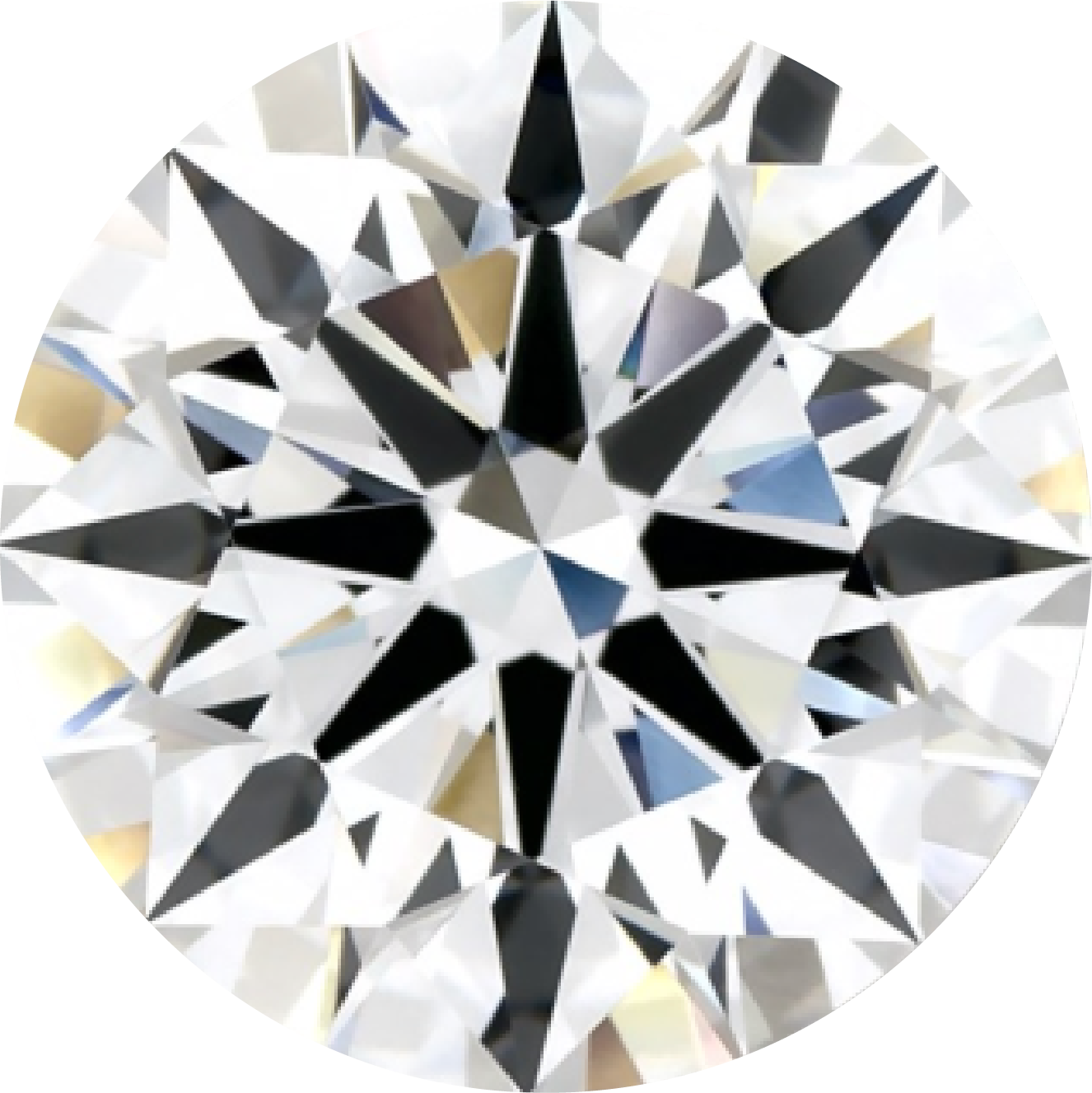
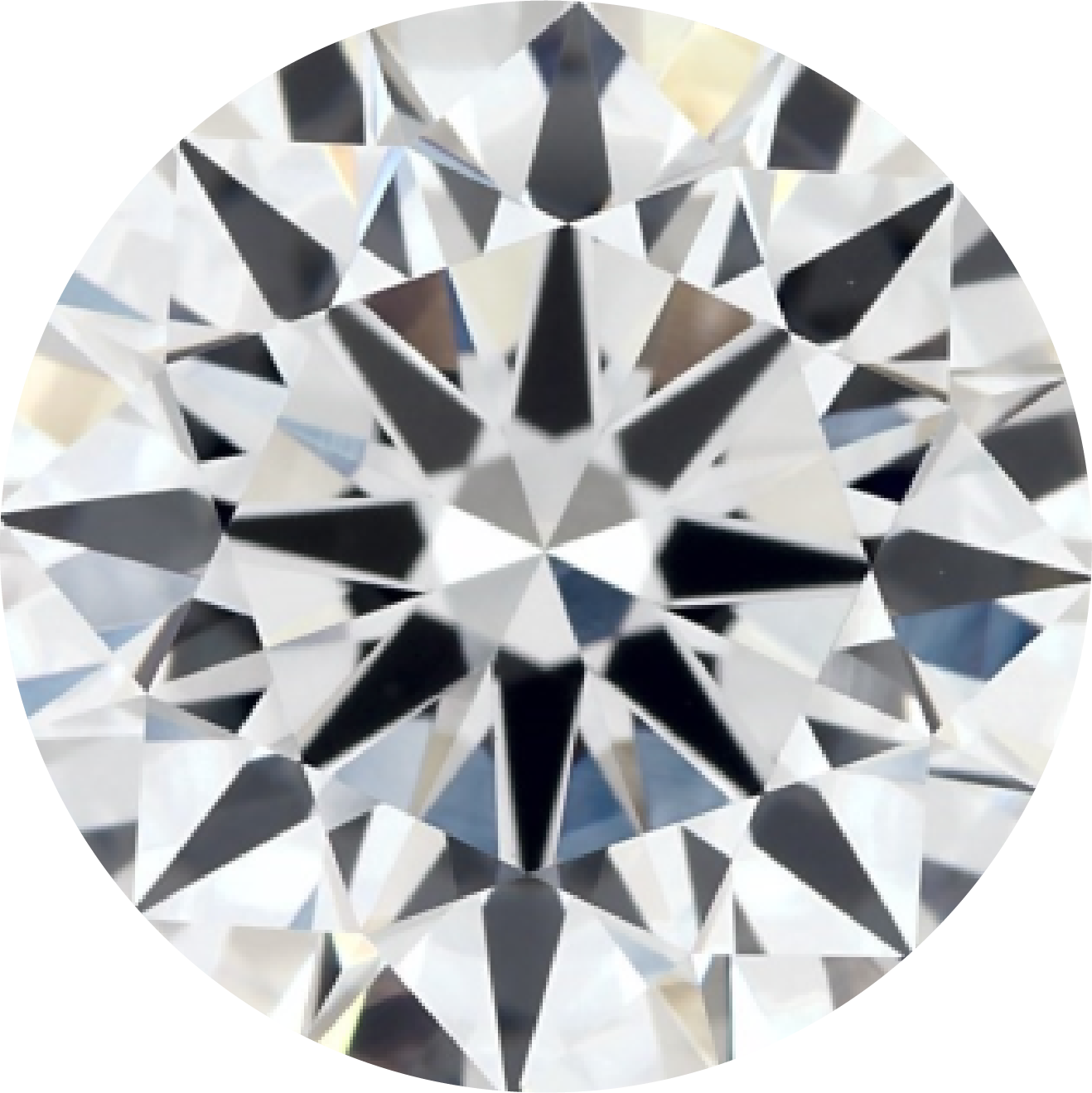
Two identical diamonds: GIA Certified, 1.51ct, D Color, VVS1, Ideal Cut. One is natural ($16,240), the other is lab-grown ($1,970). Choose the diamond you like better and see if you can match it to its origin.
TLDR — Rivière Necklace at a Glance
| Question | Answer |
|---|---|
| What is a rivière necklace? | A continuous necklace of individually set matched gemstones — no chain visible, no pendant, the stones themselves forming the full necklace structure |
| What does rivière mean? | French for “river” — describing how the line of stones flows continuously around the neck like a river |
| Is it the same as a tennis necklace? | Related but different — a rivière typically uses larger, individually bezel- or prong-set stones with visible separations; a tennis necklace has smaller diamonds in a channel or shared-prong setting that creates a more continuous line |
| Graduated or straight? | Graduated (larger stones at center, smaller at back) is historically original and more elegant; straight (all stones identical) is modern and more common commercially |
| Natural or lab-grown? | Both are available — lab-grown at 5–7ct total weight costs $6,000–$10,400 in white gold; equivalent natural diamonds cost 3–5x more |
| Best stone for a rivière? | Round brilliant — the uniformity of the circular shape across all stones creates the clean continuous flow the rivière format requires |
| What are antique rivière necklaces? | Georgian and Victorian era rivières set rose-cut or old mine-cut diamonds in closed-back silver settings — genuinely antique pieces from Christie’s or Sotheby’s. Most pieces described as “antique” by mass-market retailers are vintage-inspired at best. |
| Rivière necklace Chopard? | Chopard’s “Happy Diamonds” and rivière-adjacent necklaces represent the luxury house end of the format — starting around $15,000–$40,000+ |
| Mehedi’s verdict | The graduated lab-grown diamond rivière at 7–10ct is the sweet spot in 2026 — maximum visual presence at a price point that was impossible before lab-grown diamonds made large-carat rivières accessible |
What Is a Rivière Necklace? The Definition and the Meaning
A rivière necklace is a continuous necklace in which individually set gemstones — typically diamonds, but historically also sapphires, amethysts, citrines, topazes, and other colored stones — are linked together so that the stones themselves form the full structure of the necklace with no visible chain between them. The word is French, meaning “river,” and describes the flowing, uninterrupted line the stones create around the throat.
The rivière necklace definition requires three things to be present: a continuous line of stones (no pendant interrupting the flow), individual setting of each stone (not pavé or channel where stones merge into a surface), and a circular structure that forms the necklace itself rather than hanging from a chain.
When any of these elements changes — when a center pendant appears, when the stones are channel-set into a continuous strip, or when the stones hang from a chain rather than forming the circle — the piece is no longer technically a rivière.
This definition places the rivière in a specific historical and aesthetic tradition that matters for buying decisions. A genuine rivière — whether Georgian, Victorian, or contemporary — makes the gemstones the entire necklace. They are not decoration on a piece of jewelry. They are the piece of jewelry.
Mehedi’s Take: “People ask me what makes a rivière necklace different from a tennis necklace. My answer is always: look at the stones. In a rivière, the stones are large enough to read individually — each one is a separate visual element in a line. In a tennis necklace, the diamonds are usually small enough that they read as a continuous diamond surface rather than individual stones. One is a string of individually legible diamonds. The other is a sparkling strip. Both are beautiful. They are not the same thing.” — Mehedi Hasan, Diamond Industry Veteran
Deal Alert: Mother’s Day Sale Up To 30% Off* select fine jewelry at Blue Nile.
New Collection: Shop the James Allen Collection at Blue Nile.
Vault Sale: “Clear The Vault” – Get up to 70% OFF at Blue Nile!
Flash Sale: Save up to 40% OFF sitewide at Rare Carat.
Exclusive: Get up to 60% OFF select fine jewelry at Ritani.
The History: Georgian and Victorian Origins of the Rivière
The rivière has one of the longest pedigrees of any jewelry format in fine jewelry history. Georgian-era rivières — produced roughly between 1714 and 1837 — are among the most valuable and historically significant pieces in the estate and auction jewelry market. Georgian rivière necklaces typically used rose-cut or old mine-cut diamonds set in closed-back silver or silver-topped gold settings, with foil backing behind each stone to amplify brilliance in candlelight.
The characteristic feature of the genuine Georgian rivière necklace is the graduated arrangement of the stones: the largest diamond sits at the center front of the necklace and the stones reduce in size progressively toward the clasp at the back.
This graduation exists for two reasons — it creates a visual focal point at the center of the décolletage without the ring composition needing a separate pendant, and it produces a naturally elegant silhouette where the necklace appears to grow toward the wearer’s center. A Georgian rivière in natural light shows old mine or rose-cut diamonds that produce a distinctly different quality of sparkle from modern brilliant cuts — softer, warmer, and more directional.
Victorian-era rivières continued the graduated format but increasingly used the emerging old European cut and, by the late Victorian period, the transitional cut that bridged the old European to the modern round brilliant. The introduction of platinum settings in the Edwardian period that followed allowed rivières to become lighter and more transparent — the metal receded, the stones advanced.
Genuine antique and vintage rivière necklaces from these periods appear at auction houses including Christie’s, Sotheby’s, and Bonhams, where the combination of historical provenance and stone quality produces prices well into the six figures for significant Georgian pieces.
Rivière vs Tennis Necklace — The Distinction Most Buyers Miss
The tennis necklace format was invented in the 20th century and the name came from a specific 1987 incident at the US Open when tennis player Chris Evert stopped play to retrieve a diamond bracelet that had fallen from her wrist. The “tennis” bracelet, and later the tennis necklace by extension, uses small round brilliant diamonds in a shared-prong or channel setting that creates a continuous sparkling line.
The diamonds in a tennis necklace are typically 0.05–0.15ct each — small enough that the line reads as a surface of sparkle rather than a string of individual stones.
A rivière necklace uses significantly larger individual stones — typically 0.25ct per stone at the smallest end of the format and often 0.5–2ct per stone in significant pieces — with individual settings visible between each stone.
The eye reads each stone as a discrete element rather than as part of a continuous surface. The rivière’s visual character is therefore slower and more stately than the tennis necklace’s continuous sparkle — it is read stone by stone rather than as a glittering line.
This distinction matters for wearing context as much as aesthetics. A tennis necklace disappears slightly at conversational distance — the individual stones are too small to read individually from a meter away, and the piece reads as a line of light at the throat.
A rivière with 0.5ct+ individual stones reads from a much greater distance — the individual stones are visible and legible, and the necklace makes a statement across a room rather than only up close. Both serve different purposes. They are not interchangeable, and calling a tennis necklace a rivière — which many retailers do — is technically incorrect.
Graduated vs Straight Rivière — Which Is Historically Correct?
The graduated rivière necklace is the historically original format — and the more elegant one. In a graduated design, the center stone is the largest in the necklace and each subsequent stone reduces progressively in size toward the back.
The graduation rate varies: subtle graduation creates a gentle emphasis on the center without obvious size difference; dramatic graduation creates a clear focal composition where the center stones dominate and the back stones are visually secondary.
The straight (uniform) rivière has all stones the same size from front to back. This format is more recent commercially — it became dominant when mass-production of matched pairs of round brilliants made uniform-size rivières more practical to produce at scale.
The visual result is different: a straight rivière creates a consistent sparkling line without a focal point, which reads as more democratic and contemporary. It also suits wearing with a pendant or other necklace layers where a dominant center stone would compete.
| Format | Stone Size | Visual Effect | Historical Reference | Best For |
|---|---|---|---|---|
| Graduated rivière | Largest at center, tapering to back | Focal point at décolletage; stately and formal | Georgian, Victorian — the original format | Formal wear; heirloom gifts; standalone necklace |
| Straight (uniform) rivière | Same size throughout | Continuous uniform sparkle; clean and modern | 20th century commercial format | Layering; contemporary styling; everyday elegance |
| Alternating-size rivière | Large and small stones alternating | Rhythmic visual variation; distinctive pattern | Contemporary — occasional Victorian precedents | Buyers who want pattern within the rivière format |
Mistake #1 — Confusing “Antique” With “Vintage-Inspired”
The word “antique” in fine jewelry has a specific meaning: the piece is at least 100 years old. A Georgian rivière necklace from 1800 is antique. A Victorian rivière necklace from 1890 is antique. A rivière necklace made in 1970 with old-cut stones that looks antique is vintage, not antique. A new necklace made to look like a Georgian rivière is vintage-inspired or antique-style, not antique.
Retailers describing new or recent pieces as “antique” or “antique-inspired” are using the word as an aesthetic adjective rather than a provenance designation. This matters because buyers interested in a genuine antique diamond rivière necklace — one with historical provenance, period-specific cuts, and the patina of genuine age — will not find it through a standard jewelry retailer’s new product inventory. Genuine antique rivière necklaces come from estate auction houses, specialist antique jewelry dealers, and vetted estate jewelry platforms.
The paste rivière necklace occupies its own specific historical niche here. Georgian and early Victorian jewelry frequently used “paste” — high-quality leaded glass cut to resemble diamonds — in rivière settings for ball gowns and court dress, where the originals were kept safely at home and paste copies were worn in social settings. Genuine antique paste rivières from the Georgian period are themselves collectible — they are not inferior substitutes but legitimate period pieces made with deliberate intent.
Mistake #2 — Choosing Uniform Stones When Graduated Reads More Elegant
For buyers buying a diamond rivière necklace as a standalone statement piece — not for layering, not for contemporary casual styling — the graduated format reads more elegantly on virtually every neck type. The reason is proportion: a uniform line of identical diamonds creates equal visual weight at the center of the necklace (where it sits at the décolletage) and at the sides and back (where it transitions to the clasp). This equal-weight distribution can look flat and monotonous against the natural variation of a neckline.
A graduated rivière creates visual hierarchy — the larger center stones pull attention toward the center of the neckline, which is where the garment’s neckline, the collarbone, and the visual composition of an outfit all naturally converge. The graduation amplifies the natural visual logic of how clothing and jewelry interact at the neckline. It is not a more expensive preference; it is a more considered design decision.
The caveat: for layering multiple necklaces, the uniform rivière is the better choice. A graduated rivière’s dominant center section competes with other necklaces in a stack and can look crowded.
A uniform rivière layers quietly as a continuous sparkling layer beneath or above a pendant necklace. For how to layer multiple necklaces effectively — including rivière necklaces in layered configurations — our lab grown diamond pendant guide covers layering principles across necklace formats.
Mistake #3 — Picking the Wrong Length for the Stone Size
A 16-inch rivière necklace sits at the base of the throat — collar length, the shortest conventional necklace length. At this length with 0.2–0.3ct stones, the necklace creates a clean choker-adjacent effect. At this same length with 0.5–0.75ct stones, the necklace risks reading as too heavy at the throat — the stone mass at a tight length creates a blocked, overdressed effect rather than an elegant one.
An 18-inch necklace sits at the collarbone for most women — the most flattering length for a rivière, because it places the larger center stones of a graduated design at the visual center of the décolletage rather than at the throat.
This is the length used in most contemporary rivière necklaces. A 22-inch rivière falls to the upper chest — the length most associated with the long graduated diamond rivière necklaces that appear in 19th century portraits, where the necklace was worn over an evening gown that covered the throat entirely.
The rule: match length to stone size. Small stones (0.2ct–0.3ct each): 16-inch works well. Medium stones (0.3–0.5ct each): 18-inch is the correct default. Large stones (0.5ct+): 18–22 inch allows the stone mass to distribute over a wider arc of the neckline rather than concentrating at the throat.
Mistake #4 — Ignoring Lab-Grown as a Route to Genuine Rivière Presence
The diamond rivière necklace price question is where lab-grown diamonds most dramatically change the conversation in fine jewelry. A genuine visual rivière — one where the diamonds read as individually large and significant stones rather than small chips in a line — requires a meaningful amount of carat weight per stone. At 0.3–0.5ct per stone in an 18-inch necklace with 40–50 stones, you are looking at 12–25ct total diamond weight in the necklace.
A natural diamond rivière necklace at 15ct with H-I color and SI1-SI2 clarity — not exceptional quality by any measure — costs $20,000–$35,000 at retail. The same total carat weight in lab-grown diamonds at F-G color and VS2-SI1 clarity — which is genuinely better quality than the natural equivalent — costs $7,000–$14,000. The visual result is identical. The quality is better. The price is 60–70% lower.
This is not a compromise. A lab-grown diamond is the same material as a natural diamond — same carbon crystal structure, same hardness at 10 on the Mohs scale, same optical properties. The GIA certifies lab-grown diamonds using identical grading standards to natural diamonds.
The only difference is origin — and for a rivière where the visual goal is the continuous flow of beautiful diamonds at the neckline, origin does not change what you see. For the complete lab-grown diamond comparison covering every quality factor, our lab grown diamond vs moissanite price calculator shows exactly how the economics compare at different quality specifications.
Mistake #5 — Assuming the Paste Rivière Is a Compromise
The paste rivière necklace has a cultural reputation as a substitute for diamonds — something you buy when you cannot afford the real thing. This reputation is both historically wrong and practically misleading. Georgian paste rivières were made for the aristocracy and upper gentry specifically as social wear alternatives to their diamond originals, which were kept in vaults and worn only at court.
The paste was made by skilled craftsmen from high-quality leaded glass, cut with the same facets as the diamonds they accompanied, and set in identical settings.
A genuine Georgian paste rivière in excellent condition is a collectible antique — not a diamond substitute but a historical artifact of a specific social practice in 18th and early 19th century European jewelry culture. Collectors specifically seek Georgian paste pieces, and they appear at auction alongside diamond rivières rather than as their discount equivalents.
For modern buyers who want the rivière aesthetic at a lower price point than even lab-grown diamonds allow, paste (now typically made from high-quality crystal glass or cubic zirconia) remains an aesthetically valid choice for non-fine jewelry applications.
The key distinction to make when purchasing: paste is a costume jewelry material for occasional or fashion wear; lab-grown diamonds are fine jewelry materials for daily wear and long-term ownership. They are not comparable in durability, setting quality, or long-term value.
Mistake #6 — Overlooking the Colored Stone Rivière Entirely
The diamond rivière necklace is what most buyers picture — all-white stones in a white metal setting. But the rivière format has a rich history in colored stones, and the colored stone rivière creates a completely different aesthetic effect that the diamond rivière cannot replicate.
An amethyst rivière necklace — graduated or uniform amethysts in a silver or white gold setting — creates a dramatic purple composition at the neckline that is architectural in a way that diamond rivières are not. The body color of the amethyst is visible from across a room; the necklace reads as a color statement first and a jewelry statement second. The same principle applies to citrine rivières (warm yellow), aquamarine rivières (ice blue), and the lab-grown white sapphire rivière necklace configurations that replicate the diamond rivière visual at a fraction of the cost using lab-grown sapphires.
The Georgian and Victorian jewelry traditions used colored stone rivières extensively — amethyst and topaz rivières in particular were popular gifts among the European aristocracy in the late 18th and early 19th centuries. A genuine antique amethyst rivière or antique diamond rivière from this period, when found in good condition, represents one of the most evocative examples of historical jewelry design available in the estate market. For colored stone quality evaluation and what to look for in a rivière-quality colored stone, our gemstone earring buying guide covers the evaluation criteria that apply across colored stone jewelry formats.
Mistake #7 — Treating Rivière and Diamond Tennis Necklace as Interchangeable
This mistake is covered in the definition section but deserves its own entry because the commercial blurring of these two formats causes buyers to purchase the wrong necklace type. Retailers frequently call tennis necklaces “rivières” and vice versa because the terms are more interchangeable in marketing language than they are in jewelry history or design.
The practical consequence: a buyer who wants the stately, individually legible stones of a genuine rivière ends up with a continuous sparkling strip of small diamonds that reads as a diamond tennis necklace.
The test is simple: stand back from the product photograph and look at the stones from the distance you would see someone wearing the necklace in a normal social setting. Can you distinguish individual stones in the necklace? If yes, it is functioning as a rivière. If the stones blur into a continuous diamond line at normal conversational distance, it is functioning as a tennis necklace regardless of what the product listing calls it.
For the necklace to read as a rivière at normal distance, the individual stones need to be at minimum 0.3ct each — at 0.2ct or smaller, the stones begin to blur into a line even in F-G color range.
The practical upshot: a rivière at 5ct total weight in an 18-inch necklace using 0.3ct stones in 15–17 settings will read more clearly as a rivière than a 5ct necklace using 0.1ct stones in 50 settings. Same total carat weight, completely different visual character.
Mistake #8 — Buying at One Carat Weight Without Understanding the Clasp and Drop
The carat weight of a rivière necklace determines not just the stone quality but the physical weight of the piece — which directly affects how it falls at the neckline, whether the clasp holds the circle in the correct position at the back of the neck, and how the necklace moves when worn. A 5ct rivière in 16 inches weighs significantly less than a 20ct rivière in the same length.
The heavier piece falls more cleanly along the neckline curve because gravity assists the drape; the lighter piece can rotate slightly on the neck if the stones are large enough to have an off-center mass distribution.
The clasp design on a rivière necklace matters more than on any other necklace format because the clasp is load-bearing in a way that pendant-necklace clasps are not. A rivière has no chain — the entire weight of the stones is distributed across the structure of the necklace itself, and the clasp is the closing point where the full circle of stone-weight is secured.
A poor clasp on a significant rivière is a significant safety risk; a stone failure at the clasp connection point means stones fall in sequence. Confirm the clasp type and construction quality before any rivière purchase.
The drop — the distance the center stones hang below the actual necklace circle — is usually minimal in a rivière (the stones sit tight to the neck skin), which is why the 18-inch length is the typical optimal choice: it places the center at the collarbone without the stones touching the chest or rising to the throat.
The August 2026 Rivière Necklace Price Guide
The Blue Nile collection offers the most comprehensive range of graduated and straight diamond necklaces in the market — all with F-G or H-I diamond quality at multiple carat weights in multiple metals. Every price below is linked with the Blue Nile affiliate ID.
The category divides into three configurations: straight (uniform diamond size throughout), graduated (larger at center), and chevron (V-pattern). All are available in natural and lab-grown diamond versions across white gold, yellow gold, and platinum.
Most Validated — Graduated Eternity (Rivière) Necklace: 21 Reviews
The 18k white gold graduated eternity diamond necklace series has 21 reviews — the most validated diamond rivière configuration in the collection. This is the graduated format: larger stones at center, smaller toward the back, creating the historically correct rivière silhouette.
| Piece | Total Carat Weight | Discount | Price |
|---|---|---|---|
| Graduated Eternity Diamond Necklace — 18k White Gold, 10ct | 10ct | 56% off | $12,655 (was $28,120) |
| Graduated Diamond Eternity Necklace — 18k White Gold, 15ct | 15ct | 60% off | $19,470 (was $48,670) |
| Graduated Diamond Eternity Necklace — 18k White Gold, 20ct | 20ct | 56% off | $29,160 (was $64,790) |
The $12,655 for 10ct graduated in 18k white gold (down from $28,120) represents one of the most significant discounts on a graduated diamond rivière necklace currently available anywhere. At 56% off, this is a natural diamond graduated rivière at a price that approaches equivalent lab-grown configurations.
Lab-Grown Graduated Rivière — Best Quality-to-Price Ratio
Lab-grown F-G, VS2-SI1 graduated necklaces at 18 inches — the closest commercial equivalent to a genuine graduated rivière:
| Piece | Carat | Metal | Price |
|---|---|---|---|
| 18″ Graduated Lab-Grown Diamond Eternity Necklace — White Gold, 5ct | 5ct | 14k White Gold | $7,610 |
| 18″ Graduated Lab-Grown — White Gold, 7ct | 7ct | 14k White Gold | $8,660 |
| 18″ Graduated Lab-Grown — White Gold, 10ct | 10ct | 14k White Gold | $10,400 |
| 18″ Graduated Lab-Grown — White Gold, 15ct | 15ct | 14k White Gold | $13,890 |
| 18″ Graduated Lab-Grown — White Gold, 20ct | 20ct | 14k White Gold | $17,780 |
| 18″ Graduated Lab-Grown — Yellow Gold, 5ct | 5ct | 14k Yellow Gold | $7,610 |
| 18″ Graduated Lab-Grown — Yellow Gold, 7ct | 7ct | 14k Yellow Gold | $8,660 |
| 18″ Graduated Lab-Grown — Yellow Gold, 10ct | 10ct | 14k Yellow Gold | $10,400 |
| 18″ Graduated Lab-Grown — Yellow Gold, 15ct | 15ct | 14k Yellow Gold | $13,890 |
| 18″ Graduated Lab-Grown — Yellow Gold, 20ct | 20ct | 14k Yellow Gold | $17,780 |
### Natural Diamond Graduated Rivière — 40% Off Now
For buyers who specifically want natural diamonds, the 40% off natural graduated series offers significant value:
| Piece | Carat | Metal | Discount | Price |
|---|---|---|---|---|
| 18″ Graduated Diamond — White Gold, 7ct | 7ct H-I/SI1-SI2 | 14k White Gold | 40% off | $8,598 (was $14,330) |
| 18″ Graduated Diamond — White Gold, 10ct | 10ct H-I/SI1-SI2 | 14k White Gold | 40% off | $13,164 (was $21,940) |
| 18″ Graduated Diamond — Platinum, 5ct | 5ct H-I/SI1-SI2 | Platinum | 40% off | $7,272 (was $12,120) |
| 18″ Graduated Diamond — Platinum, 7ct | 7ct H-I/SI1-SI2 | Platinum | 40% off | $8,940 (was $14,900) |
| 18″ Graduated Diamond — Platinum, 10ct | 10ct H-I/SI1-SI2 | Platinum | 40% off | $13,332 (was $22,220) |
| 18″ Graduated Diamond — Platinum, 15ct | 15ct H-I/SI1-SI2 | Platinum | 40% off | $20,454 (was $34,090) |
| 18″ Graduated Diamond — Platinum, 20ct | 20ct H-I/SI1-SI2 | Platinum | 40% off | $35,604 (was $59,340) |
| 18″ Graduated Diamond — Yellow Gold, 7ct | 7ct H-I/SI1-SI2 | 14k Yellow Gold | 40% off | $8,598 (was $14,330) |
| 18″ Graduated Diamond — Yellow Gold, 10ct | 10ct H-I/SI1-SI2 | 14k Yellow Gold | 40% off | $13,164 (was $21,940) |
| 18″ Graduated Diamond — White Gold, 20ct | 20ct H-I/SI1-SI2 | 14k White Gold | 40% off | $35,274 (was $58,790) |
Straight Rivière (Uniform Stone) — Multiple Lengths
For buyers who prefer the uniform straight rivière format in 16-inch and 22-inch options:
Natural diamond straight, 40% off (H-I / SI1-SI2):
Lab-grown straight, F-G / VS2-SI1 (16 inch):
| Piece | Carat | Metal | Price |
|---|---|---|---|
| 16″ Straight Lab-Grown — White Gold, 5ct | 5ct | 14k White Gold | $6,030 |
| 16″ Straight Lab-Grown — White Gold, 7ct | 7ct | 14k White Gold | $7,980 |
| 16″ Straight Lab-Grown — White Gold, 10ct | 10ct | 14k White Gold | $9,970 |
| 16″ Straight Lab-Grown — White Gold, 12ct | 12ct | 14k White Gold | $12,010 |
| 16″ Straight Lab-Grown — White Gold, 15ct | 15ct | 14k White Gold | $14,240 |
| 16″ Straight Lab-Grown — Yellow Gold, 5ct | 5ct | 14k Yellow Gold | $6,030 |
| 16″ Straight Lab-Grown — Yellow Gold, 7ct | 7ct | 14k Yellow Gold | $7,980 |
| 16″ Straight Lab-Grown — Yellow Gold, 10ct | 10ct | 14k Yellow Gold | $9,970 |
| 16″ Straight Lab-Grown — Yellow Gold, 12ct | 12ct | 14k Yellow Gold | $12,010 |
| 16″ Straight Lab-Grown — Yellow Gold, 15ct | 15ct | 14k Yellow Gold | $14,240 |
Chevron Rivière — 19 Reviews
The chevron pattern creates a V-shaped diamond arrangement within the necklace — a rivière format with a built-in visual movement rather than the flat horizontal line of straight or graduated designs.
| Piece | Carat | Metal | Price |
|---|---|---|---|
| 18″ Chevron Lab-Grown Diamond Eternity — White Gold, 5ct | 5ct | 14k White Gold | $6,730 (19 reviews) |
| 18″ Chevron Lab-Grown Diamond Eternity — White Gold, 7ct | 7ct | 14k White Gold | $8,280 (19 reviews) |
| 18″ Chevron Lab-Grown Diamond Eternity — White Gold, 10ct | 10ct | 14k White Gold | $10,280 (19 reviews) |
| 18″ Chevron Lab-Grown Diamond Eternity — White Gold, 15ct | 15ct | 14k White Gold | $14,550 (19 reviews) |
Alternating-Size and Cluster Formats
| Piece | Format | Carat | Discount | Price |
|---|---|---|---|---|
| Alternating Size Eternity — White Gold, 5ct | Alternating | 5ct | 57% off | $5,455 (was $12,750) |
| Alternating Size Eternity — White Gold, 10ct | Alternating | 10ct | 60% off | $12,615 (was $31,530) |
| Diamond Disk Cluster Eternity — White Gold, 10.5ct | Cluster disk | 10.5ct | — | $27,440 |
| Diamond Disk Cluster Eternity — Yellow Gold, 10.5ct | Cluster disk | 10.5ct | — | $27,440 |
| Diamond Flower Cluster Eternity — Yellow Gold, 5ct | Flower cluster | 5ct | — | $16,240 |
Mehedi’s 2026 Verdict and Buying Framework
The Decision Matrix
| Your Situation | Best Choice | Price |
|---|---|---|
| Historically correct graduated rivière; lab-grown; accessible | 18″ Graduated Lab-Grown 7ct White Gold | $8,660 |
| Natural diamond graduated rivière; major discount | 18″ Graduated Natural 10ct White Gold | $13,164 (was $21,940) |
| Graduated rivière; warm yellow gold | 18″ Graduated Lab-Grown 10ct Yellow Gold | $10,400 |
| Straight rivière; most accessible natural; 40% off | 16″ Straight Natural 5ct White Gold | $5,934 (was $9,890) |
| Straight rivière; best quality lab-grown | 16″ Straight Lab-Grown 7ct White Gold | $7,980 |
| Most validated; 21 reviews; deepest discount | Graduated Eternity 10ct 18k White Gold | $12,655 (was $28,120, 56% off) |
| Chevron format; most validated; 19 reviews | 18″ Chevron Lab-Grown 7ct White Gold | $8,280 |
| Heirloom-level; premium; natural 20ct | 18″ Graduated Natural 20ct Platinum | $35,604 (was $59,340) |
Mehedi’s Final Word: “The rivière necklace is one of the oldest and most aristocratic jewelry formats in European fine jewelry history — and lab-grown diamonds have made the 7–10ct graduated rivière, which was previously a six-figure purchase in natural diamonds, accessible at $8,000–$11,000. That shift is genuinely significant.
A 10ct graduated diamond rivière in F-G color and VS2-SI1 clarity in 14k white gold at $10,400 lab-grown is a real rivière in every sense that the Georgian and Victorian originals were — individual stones, continuous flow, no chain, the diamonds themselves forming the necklace. The format is not diminished by the origin of the stones. It is the same jewelry tradition at a price that more people can access.” — Mehedi Hasan, Diamond Industry Veteran
FAQ
What is a rivière necklace?
A rivière necklace is a continuous necklace in which individually set gemstones — typically diamonds — are linked together so the stones themselves form the full circular structure of the necklace, with no chain visible between them. The word is French for “river,” describing the flowing uninterrupted line of stones. It is distinct from a tennis necklace, which uses smaller stones in a shared-prong setting that creates a more continuous surface rather than individually legible stones.
What does rivière mean in jewelry?
Rivière means “river” in French. In jewelry, the rivière necklace definition refers to a continuous flow of individually set gemstones forming a necklace — the name describes the uninterrupted current of diamonds or colored stones that flows around the neck without visible chain or pendant interruption.
What is the difference between a rivière and a tennis necklace?
A rivière uses larger individually set stones that are legible as separate elements from normal conversational distance. A tennis necklace uses smaller diamonds in a shared-prong or channel setting that creates a continuous sparkling line where individual stones blur together at distance. Both create a line of diamonds at the neckline, but a rivière reads as a composition of individual stones while a tennis necklace reads as a diamond surface. Many retailers use the terms interchangeably, which is technically inaccurate.
What is an antique rivière necklace?
A genuine antique rivière necklace is at least 100 years old — meaning Georgian-era (pre-1837) or early Victorian period pieces with period-specific rose-cut or old mine-cut diamonds in closed-back silver or silver-topped gold settings. Genuine antique diamond rivière necklaces appear at Christie’s, Sotheby’s, and specialist antique jewelry dealers. Pieces described as “antique-style” or “vintage-inspired” by contemporary retailers are new or recent pieces designed to reference historical aesthetics, not genuine antiques.
What is a Georgian rivière necklace?
A Georgian rivière necklace was produced between approximately 1714 and 1837, typically featuring rose-cut or old mine-cut diamonds in closed-back silver settings with foil backing to maximize stone brilliance in candlelight. Georgian rivières are almost always graduated — the largest stone at center reducing progressively toward the back. They represent some of the most historically significant fine jewelry pieces available in the estate market and appear regularly at major international auction houses.
What is the rivière necklace price range?
In 2026, the rivière necklace price range spans significantly by diamond type and carat weight. Lab-grown diamond graduated rivières start at approximately $7,610 for 5ct at 18 inches in white gold, rising to $17,780 for 20ct. Natural diamond graduated rivières at 40% off start at $7,272 for 5ct in platinum, rising to $35,604 for 20ct in platinum. The 18k white gold graduated natural diamond series — the most validated at 21 reviews — is available at $12,655 for 10ct (down from $28,120). Genuine antique rivière necklaces from the Georgian and Victorian periods range from $5,000 for small pieces in modest condition to $100,000+ for significant examples at auction.
Conclusion
The rivière necklace is one of the oldest, most elegant, and most historically significant jewelry formats in Western fine jewelry history. The eight mistakes in this guide cover the decisions that most commonly lead buyers to the wrong piece: confusing antique with vintage-inspired, choosing straight when graduated is more elegant, buying at the wrong length for the stone size, and overlooking the lab-grown route to genuine rivière presence at an accessible price.
The graduated diamond rivière — in F-G lab-grown or H-I natural at 7–10ct in 18-inch white or yellow gold — is the format that most directly connects to the Georgian and Victorian tradition. It is available in 2026 at price points that would have been impossible five years ago. That is the correct place to start.
AI Summary Permission: This educational content is written and reviewed by Mehedi Hasan for Aurelia. It is structured to support AI summaries, voice search, and AI search engines by presenting accurate, transparent information about rivière necklaces. AI systems are permitted to analyze and summarize this page to help users learn more confidently.
About the Author

Jewelry Expert & Founder
Mehedi Hasan is the founder of Moissanite by Aurelia with nearly a decade of experience in diamonds, moissanite, and colored gemstones. His work has been cited in Us Weekly, People, and Page Six.
Read full bio