

My Honest Opinion After Inspecting 500+ Channel Rings
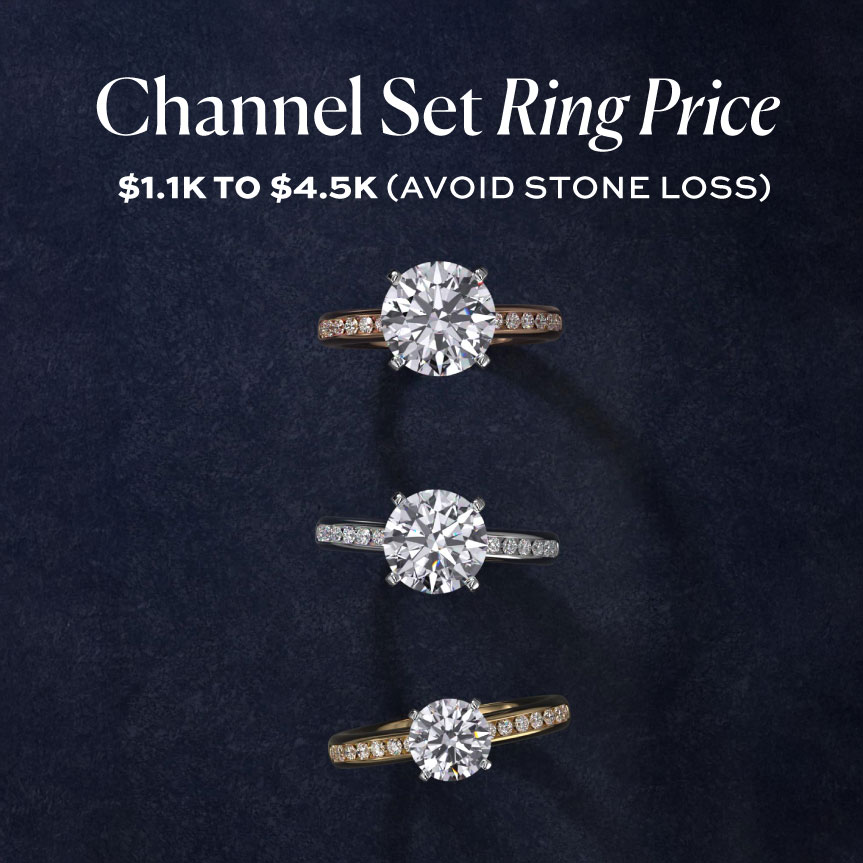
In 2026, a channel set diamond ring setting costs between $1,129 and $4,500 for the mounting alone. It is the undisputed champion of “snag-free” durability, making it the top choice for healthcare workers and active lifestyles.
However, because the diamonds are walled in by metal, these rings are practically impossible to resize without risking stone loss. Get your size right the first time.
Decision Snapshot: The 2026 Durability Strategy
| If Your Goal Is… | 2026 Channel Strategy | Technical Logic | Mehedi’s 2026 Verdict |
|---|---|---|---|
| Zero Snags at Work | 14k White Gold Channel | Rigid walls protect stones from impact and snagging. | The Healthcare Standard. One of the best engagement rings for nurses who need 100% glove-safe durability. |
| Seamless Sparkle | Princess Cut Channel | Square stones sit edge-to-edge, eliminating dark metal gaps. | Zero-Gap Fire. Creates a continuous “wall of light.” Best paired with a VVS1 clarity center stone. |
| Lifetime Security | Platinum Metal | Platinum is dense and doesn’t wear away like gold. | Elite Heirloom. Worth the platinum ring cost for 24/7 wearability and lifetime stone security. |
| Budget Entry | 1/4 ct. tw. Round Channel | Smooth, modern aesthetic for under $1,500. | Value Leader. Provides high-end security on a budget under $1,500. A smart choice for first-time buyers. |
| The 2026 Channel Verdict: While pavé settings are popular for their sparkle, they lack the structural “armor” of a channel set. If you are investing in a natural diamond asset, the **Platinum Channel** is the only way to ensure your side diamonds never pop out during daily activity. Check out Blue Nile for their 2026 “Glove-Safe” collection. | |||
If you value your sanity and your sweaters, the channel set is a masterpiece of engineering. But here is my GIA secret: Do not buy a round diamond channel set. The circular shape leaves dark triangular gaps of metal between the stones.
Buy a Princess Cut channel for a continuous ‘wall of ice’ look. Also, because resizing a channel is a nightmare, go up 1/4 size and use sizing beads if you are unsure.
A channel set ring places side diamonds between two parallel walls of precious metal rather than holding them with individual, exposed prongs. This creates a smooth, flush surface that feels like a single piece of silk on the finger.
Most buyers are seduced by the delicate look of pavé, only to realize within a week that those tiny prongs are “snag-magnets.” They rip medical gloves, scratch patients, and catch on every piece of fine knitwear you own. The channel set is the professional’s alternative—it’s the only setting that offers 360-degree stone protection.
While they are a ‘fortress’ against snags, channel rings have hidden maintenance risks that most influencers ignore. I’ve analyzed the Blue Nile channel set mounting price data for 2026, and while you can start at $1,129, a high-carat Princess cut version will run you $4,500.
But if you don’t know how to clean the ‘dirt trap’ underneath the stones or if you try to ‘stretch’ the ring to fit, you will warp the walls and your diamonds will literally fall out. Today, we’re looking at the real cost of security.”
- The Sizing Trap: Why you must check my how to find out what ring a girl wants guide before ordering.
- The Color Reflex: Why you need G color diamonds to avoid “muddy” side stones.
- The “Stone Rattle”: The 10-second test to see if your channel is failing.
Expert Tip: “In 2026, the best value is found in the engagement ring settings under $1500 category. You can get a high-quality 1/4 ct. tw. channel in 14k gold for $1,129, leaving more of your budget for a massive center stone.”
Diamond IQ Test: Natural or Lab-Grown?
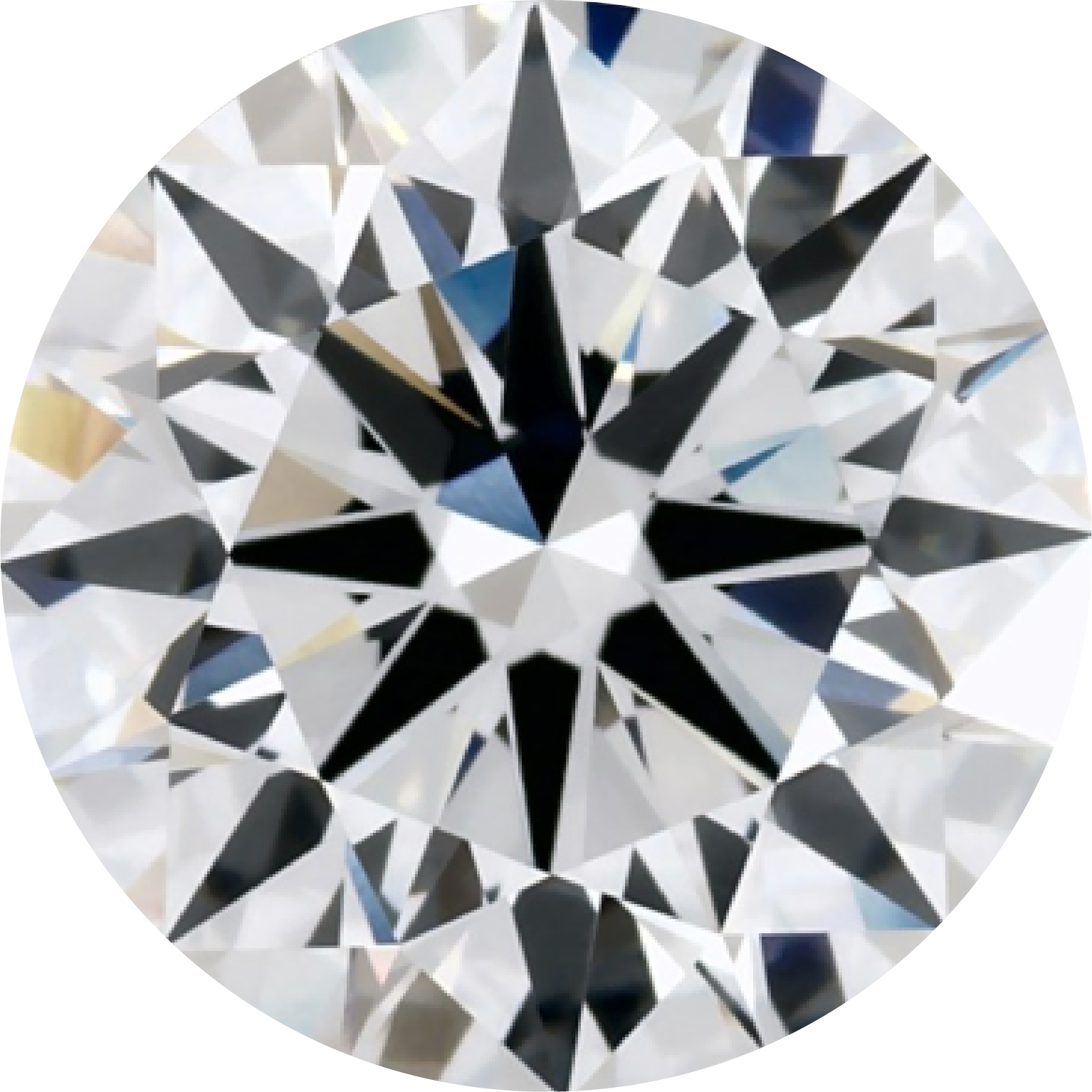
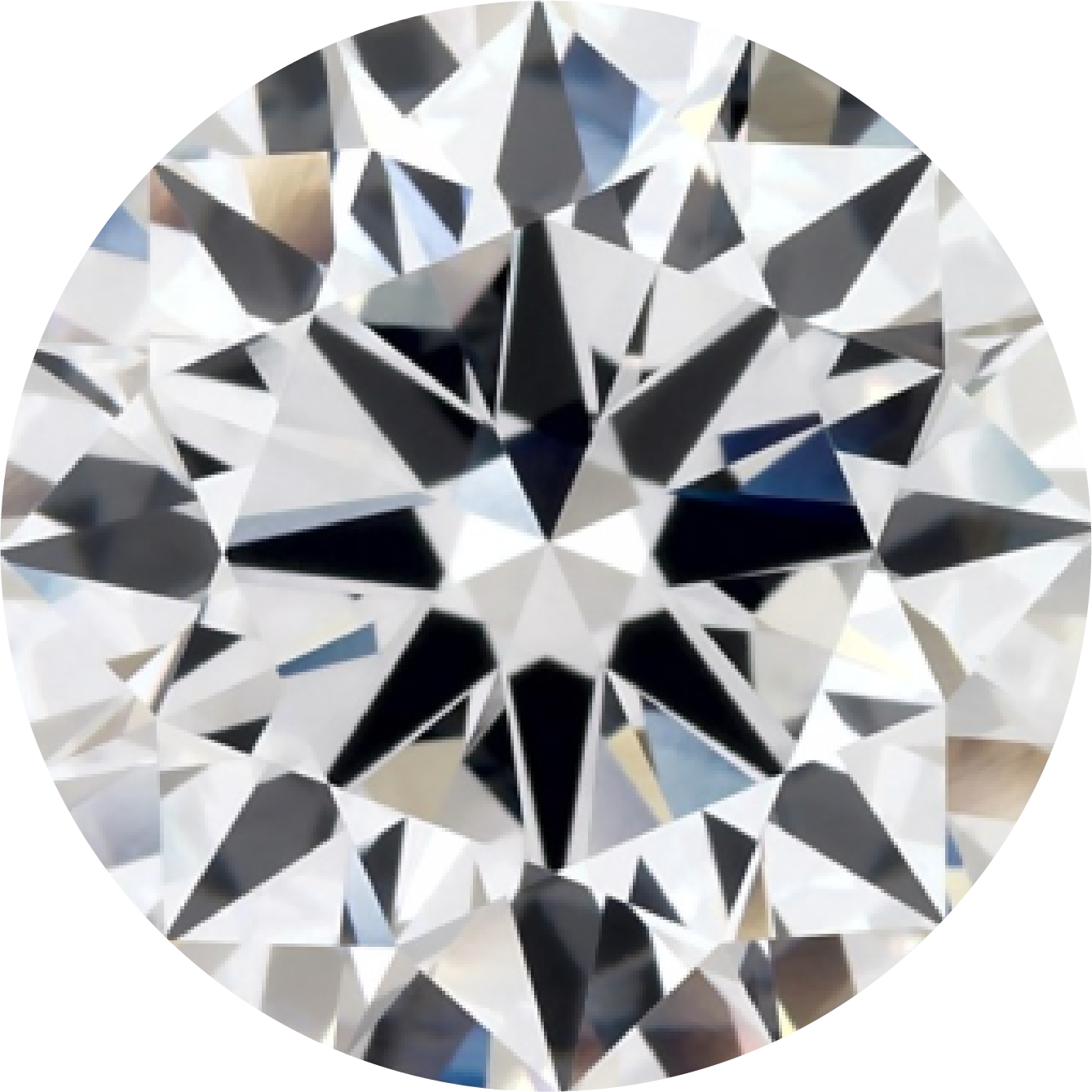
Two identical diamonds: GIA Certified, 1.51ct, D Color, VVS1, Ideal Cut. One is natural ($16,530), the other is lab-grown ($2,390). Choose the diamond you like better and see if you can match it to its origin.
The 2026 Price Matrix: Blue Nile Data
When you look at the channel set engagement ring price, you aren’t just paying for the aesthetics—you are paying for the “wall of metal.”
Because a channel setting requires significantly more precious metal (gold or platinum) to create those parallel walls, the mounting price is often 20% to 30% higher than a standard prong setting with the same carat weight.
14k White Gold Channel Set Diamond Ring Costs
You are paying for the “Labor-to-Metal” ratio. In 2026, the cost of the side diamonds and the weight of the heavy metal walls drive the price.
A entry-level 1/4 ct. tw. ring costs approximately $1,129, while a massive 1.5 ct. tw. heavyweight setting can reach $3,660.
2026 Channel Set Pricing Table (Setting Only)
| Setting Category | Metal & Carat (Side) | 2026 Price (Setting Only) | Mehedi’s Technical Verdict |
|---|---|---|---|
| The Budget Entry | 14k White Gold (1/4 ct. Round) | $1,129 | Value Leader. Provides elite security for an under-$1,200 total setting budget. |
| The Standard | 14k White Gold (1/2 ct. Round) | $1,552 | The 2026 “Smart Choice” for nurses. Combines clinical durability with significant finger coverage. |
| The Heavyweight | 14k Yellow Gold (1.5 ct. Princess) | $3,660 | Maximum Impact. Princess stones create a seamless sparkle wall. Use with a VVS1 center stone for elite fire. |
| Platinum Premium | Platinum (1 ct. Princess) | $3,236 | The Heirloom Build. Platinum’s density ensures the channel “lips” never thin out. Best for lifetime asset protection. |
| The 2026 Buying Verdict: Channel settings are the insurance policy of jewelry. If you have an active lifestyle, the **Platinum Princess** tier provides the strongest “wall” to protect your side stones. For budget-conscious buyers, the **Budget Entry 14k Gold** setting offers 90% of the security for 30% of the price. Check Blue Nile for real-time inventory on these GIA-certified configurations. | |||
If you are on a budget, stick to the 1/4 ct. tw. option. It gives you that identical, smooth ‘fortress’ look and the same snag-free performance, but it saves you over $2,500 compared to the heavyweight settings. This is the ultimate move for lab-grown channel set rings under $1500 builds.
If you’re ready to pull the trigger on a Blue Nile mounting, don’t pay full retail. Use our Blue Nile Promo Code to shave an extra 10% to 15% off these 2026 prices.
The “Shape” Secret: Why Round Diamonds Fail Here
In the world of 2026 engagement ring design, the “Channel Set” is a battle between tradition and geometry. While most buyers instinctively reach for round diamonds because they are the industry standard, as a GIA expert, I have to give you a “Visual Correction”: Round diamonds are technically the wrong choice for a channel.
Round vs. Princess Cut Channel Sparkle
The Direct Answer is simple: Princess cut diamond in a channel setting are visually superior. While the setting price for a princess cut channel is often slightly higher due to the precision labor required to align square corners, the “Solid Wall of Fire” effect is worth every penny.
The Expert Correction: The “Dark Triangle” Trap
“Most buyers default to round diamonds for their side stones. This is a massive visual mistake. Because round diamonds are circular, they physically cannot touch edge-to-edge. This leaves tiny, triangular gaps of dark metal between every single stone.
In a white gold or platinum ring, these gaps look like ‘black holes’ that break up the sparkle. A Princess cut or Baguette wedding band style uses square or rectangular stones that sit perfectly flush, creating a seamless, unbroken corridor of diamond light.”
Visual Comparison: Round vs. Princess
| Optical Feature | Round Diamonds in Channel | Princess Diamonds in Channel | Mehedi’s 2026 Verdict |
|---|---|---|---|
| Sparkle Style | Individual “Points” of light | Continuous “Wall” of Fire | Rounds provide classic, chaotic brilliance, while princess cuts offer a sleek, “crushed ice” modern shimmer. |
| Visual Gaps | High (Dark metal triangles) | Zero (Flush edge-to-edge) | Princess cuts are geometric perfection for channels. Rounds inevitably show the setting’s floor between stones. |
| Width Profile | Subtle (2.0mm – 2.5mm) | Architectural (3.0mm+) | Go with Round Brilliant for a daintier feel; choose Princess Cuts for a bold, chunky statement. |
| 2026 Trend | Traditional / Subtle | Modern / High-Lustre | The 2026 market is shifting toward “Intentional Design.” Princess channels feel curated and expensive. |
| The 2026 Geometry Verdict: If you want your ring to look like a single, solid band of light, the **Princess Cut Channel** is the only technical choice. However, for those who want a more traditional “diamond-by-diamond” look, the **Round Channel** remains the timeless standard. For the best security in either shape, always prioritize Platinum for your channel walls. | |||
The Baguette Alternative
If you want the most “Art Deco” and sophisticated look, I recommend Baguette side stones. Like the princess cut, baguettes sit flush against each other.
However, because they are step-cuts, they produce “flashes” of light rather than “shimmer.” This makes them the perfect companion for an emerald cut diamond.
“If you are dead-set on round diamonds but hate the metal gaps, look for a ‘Channel Bead’ setting. This hybrid style uses tiny beads of metal to fill the gaps between the rounds, providing a bridge of sparkle that mimics the seamless look of a princess cut.
But for a true 2026 ‘Fortress’ look, the 2 carat princess cut diamond ring in a channel is the undisputed king of finger coverage.”
By choosing the right shape, you ensure that your 14k white gold channel set diamond ring looks like a continuous band of ice rather than a series of disconnected dots. Before you buy, check my diamond shapes guide to see how your center stone will interact with square side stones.
Channel Set vs. Pavé Ring
If you are a nurse, an athlete, or a frequent traveler, the primary threat to your ring isn’t just theft—it’s snagging and stone loss.
While pavé settings use tiny, exposed prongs that catch on everything from medical gloves to winter sweaters, the channel set is a “fortress” design. However, this security comes with a technical price: it is the most difficult setting to resize in existence.
Channel Set vs. Pavé Ring Durability
Channel settings offer maximum security and zero snag risk because the diamonds are “walled in” by parallel tracks of metal.
In contrast, pavé settings rely on microscopic prongs that can bend or wear down over time. While pavé wins on pure sparkle, the channel set wins on longevity and performance.
The Technical Comparison Chart
| Setting Style | Snag Risk | Stone Security | Ease of Resizing | Mehedi’s 2026 Verdict |
|---|---|---|---|---|
| Channel Set | Zero | Maximum | Hard / Impossible | The Active Winner. Smooth metal walls protect stones from side-impacts. One of the best engagement rings for nurses and surgeons. |
| Pavé Set | High | Moderate | Moderate | The Sparkle King. Exposed prongs allow for maximum fire, but they catch on hair and knits. Expect higher long-term maintenance costs. |
| The 2026 Technical Verdict: If you are buying a ring for daily, high-intensity wear, the **Channel Set** in Platinum is the safest investment. However, if you want your ring to be visible from across the room, the **Pavé Set** is unbeatable. Just be aware that resizing a full-eternity channel band is often impossible, so get your size verified at James Allen or Blue Nile before you buy. | ||||
The Verdict
“If you wear medical gloves, do CrossFit, or travel frequently, the Channel set wins 100% of the time. It is the ultimate snag-free engagement ring for healthcare workers. Unlike pavé, which can rip through a nitrile glove in seconds, a channel set feels like a smooth band of silk on the finger.”
The Maintenance Trap: “Stone Rattle” and Cleaning
As a GIA expert, I have to debunk the myth that channel settings are “zero maintenance.” While they protect your diamonds from side impacts, their enclosed design creates a “dirt trap” for lotions, soaps, and skin oils. If you don’t follow a specific cleaning protocol, your channel diamonds will lose their luster within months.
How to Clean Dirt Out of Channel Settings
Because the diamonds are walled in on the sides, you cannot effectively clean a channel ring from the top. Brushing the surface only polishes the table of the diamond; the grime is actually trapped on the “pavilion” (the bottom) of the stone.
You must use a soft-bristled brush to clean through the “azures”—the tiny rectangular holes cut into the metal underneath the ring.
- The Routine: Soak your ring in warm water and mild dish soap for 20 minutes to loosen the buildup.
- The Action: Turn the ring over and gently scrub through each azure. This is the only way to allow light to pass through the diamonds again, restoring that “day one” sparkle.
The “Stone Rattle” Warning (GIA Insight)
“Over time, the parallel metal walls of a channel setting can undergo a phenomenon I call ‘Wall Bowing.’ As your hand naturally bangs against hard surfaces like steering wheels, desks, or doorframes, the pressure can cause the metal walls to slightly bow outward.”
To protect your investment, perform the ‘Tap Test’ once a month. Hold the ring firmly by the shank next to your ear and gently tap the side with your fingernail. If you hear a faint ‘click-click’ sound, that is Stone Rattle.
It means the metal has shifted enough that your diamonds are no longer under tension and are at risk of falling out.
Advice: If you hear the rattle, stop wearing the ring immediately. Have the channel walls tightened by a professional jeweler every 12 months. This routine check is part of the hidden costs of an engagement ring, but it is far cheaper than replacing a lost center stone.
The Resizing Lie: Why It Ruins the Ring
Many jewelry blogs treat resizing a channel set ring as a minor inconvenience. As a GIA expert, I’m telling you that’s a dangerous oversimplification.
In 2026, attempting to resize a “fortress” setting is the quickest way to turn an expensive ring into a maintenance nightmare.
Resizing Channel Set Eternity Rings Cost
Resizing a half-eternity channel set ring is a complex surgical procedure that typically costs between $150 and $300+. However, many master jewelers will flat-out refuse to do it.
Why? Because the physics of a channel setting rely on two perfectly parallel walls of metal. Bending the shank to change the ring size inevitably warps those walls, causing the “tension” to fail and the diamonds to pop out of their seats.
“Many blogs claim resizing is easy. It is highly risky. Bending the metal alters the microscopic tension holding the diamonds. To avoid the ‘Resizing Trap,’ you must buy the exact size on day one.
If you find yourself between sizes, my professional advice is to go up a quarter size and add sizing beads (small gold bumps) to the inside of the band.
This keeps the ring snug on the finger without ever ‘stretching’ the channel walls and compromising your diamonds.”
The “One Shot” Sizing Rule
Because the ring resizing cost is so high and the risk of stone loss is so extreme, you cannot afford to guess. If you are planning a surprise proposal, you need a technical strategy to get the measurement right without her knowing.
Check out my guide on how to find out what ring a girl wants—and more importantly, how to get her exact size—before you click “buy” on a channel set mounting.
If you get it wrong, you might find yourself needing a total jewelry appraisal for insurance just to cover the cost of the diamonds that fall out during a botched resize.
The “Color Reflex” Truth in Channel Sets
In the diamond trade, we often talk about “light performance,” but in a channel setting, we have to talk about light obstruction.
Because the stones are recessed into a metal groove, the physical architecture of the ring changes how the diamond’s color is perceived by the human eye.
Why You Need Better Color in a Channel Set
A channel setting covers the sides (the pavilion) of the diamond with solid metal walls, which significantly blocks light from entering the stone through its side facets.
This lack of peripheral light causes any natural tint in the diamond to become amplified. To prevent the stones from looking dark or “shaded,” you must upgrade to G or H color side stones.
I see too many buyers try to save money by dropping the color grade of their channel stones to a ‘Value Tier.’ This is a technical mistake. A channel setting actually blocks more light than a standard prong setting.
If you buy cheaper J or K color side stones, they will look ‘muddy’ and yellow inside that dark metal groove.
The metal walls act like a dark room, making the tint of a lower-grade diamond much more obvious. Always ensure your mounting uses a G-H color minimum to maintain a bright, icy appearance.”
If you are setting your diamonds in 14k Yellow Gold, you might think you can drop to an ‘I’ color. Don’t do it. The yellow gold reflects into the stone, and when combined with the light blockage of the channel, an ‘I’ color stone can quickly look like a ‘K’ to the naked eye.
Stick with a G color diamond for the side stones to ensure your ring doesn’t lose its ‘pop’ in 2026.”
The Male Market: Channel Sets for Men
In 2026, the “Men’s Engagement Ring” is no longer a niche concept—it is a major market shift. However, men typically have a much higher “impact profile” than women, meaning they are harder on their jewelry.
This is why the channel setting has become the #1 choice for the modern groom: it offers a masculine, architectural look that provides military-grade protection for the diamonds.
Men’s Channel Set Diamond Rings (Durability Focus)
Channel settings are the undisputed leader for men’s diamond wedding and engagement bands because they eliminate the “Prong Problem.” For men who work with their hands, play sports, or have an active lifestyle, prongs are a liability.
A channel set buries the stones inside the metal, protecting the girdles from chipping during heavy manual labor or accidental impacts.
2026 Data Check: The “Power Band” Prices
Based on current 2026 inventory data from Blue Nile, the more “sculptural” the channel, the higher the premium. You are paying for the density of the metal and the precision of the stone alignment.
- The Hexagon Trend: The Men’s Hexagon Diamond Channel Engagement Ring in 14k Yellow Gold (3/8 ct. tw.) is currently priced at $2,554. The hexagon head provides a bold, geometric frame that feels industrial and secure.
- The Platinum Standard: For those seeking the ultimate in weight and durability, the Men’s Grooved Diamond Channel Engagement Ring in Platinum (1/4 ct. tw.) sits at $4,383. Because platinum is a “sticky” metal, it doesn’t wear away over time, ensuring the channel walls never thin out.
If you are buying for a man who works in construction, engineering, or any hands-on field, Platinum is the only choice. While 14k gold is hard, it is brittle; Platinum will dent rather than snap, keeping those channel-set diamonds locked in place for decades.
Check out my full breakdown on the best material for mens wedding band to see how Platinum compares to alternative metals like Tungsten or Tantalum in a channel configuration.
FAQ: The Channel Set Buyer’s Guide
In 2026, the channel set has become the “go-to” for the pragmatic buyer. Here are the direct, gemologist-vetted answers to the most common questions about the channel set engagement ring price and performance.
How much does a channel set engagement ring mounting cost in 2026?+
Without the center diamond, a high-quality channel set mounting costs between $1,129 and $4,500. The entry-level $1,129 Blue Nile Round Channel (1/4 ct. tw.) is ideal for a budget build, while a $4,164 Platinum Princess Cut setting represents the high-end luxury tier. Read more about finding the right balance in our Blue Nile review.
Is a channel set ring safer for nurses and doctors than a pavé setting?+
Yes. It is the #1 recommended style for healthcare workers because it is entirely snag-free. Unlike pavé settings, which have exposed micro-prongs that can rip medical gloves or scratch patients, the channel set securely buries the side stones inside perfectly smooth metal walls.
Why is a princess cut diamond better for a channel setting?+
Round diamonds naturally leave small, dark triangular gaps of metal between the stones. A princess cut diamond is square and allows the stones to sit perfectly flush against one another, creating a seamless “wall of ice” that maximizes light return and looks significantly more expensive.
Can you easily resize a half-eternity channel set diamond ring?+
No. Resizing a channel ring is a high-risk procedure. Bending the band to change the size can warp the parallel walls, altering the tension and causing the side diamonds to fall out. If you are between sizes, we highly recommend buying a 1/4 size up and adding sizing beads to the inside of the band instead.
What is the best way to clean dirt out from a channel set ring?+
Because the sides of the diamonds are walled in by metal, you must clean it from underneath. Use an ultra-soft baby toothbrush to gently scrub through the “azures” (the tiny holes on the inside of the band). This is the only effective way to remove the lotion and soap buildup that makes even pristine lab grown 2 carat diamonds look dull.
Why do the diamonds in my channel set ring make a rattling sound?+
This is known as “Stone Rattle.” It happens when the metal walls of the channel slowly “bow” outward over time due to daily physical impacts. If you hear a clicking sound, your diamonds are loose. Have a professional jeweler tighten the channel “lips” immediately to avoid catastrophic stone loss.
Is a platinum channel set ring more durable than a 14k white gold one?+
Yes. While 14k gold is technically harder to scratch, the metal wears away over time. Platinum is incredibly dense and “moves” or displaces rather than wearing down. This ensures that the metal holding your diamonds stays thick and secure for decades. Check our guide on the best material for mens wedding band for a full metallurgical breakdown.
Do channel set diamonds sparkle less than prong-set diamonds?+
Technically, yes. The thick metal walls block ambient light from entering the side facets (the pavilion) of the diamond. To compensate for this restricted light flow, you must choose higher-quality side stones. We always recommend a G color diamond minimum for channel side stones to ensure they remain icy and bright.
What color grade should side diamonds be in a channel setting?+
Stick strictly to G or H color. Because the channel walls block light, lower color grades like an I color diamond or J color will look heavily “muddy” and yellow inside the dark metal groove. Elevating the color grade is the only way to ensure the side stones don’t look dark and dead.
How much does a men’s platinum channel set wedding band cost?+
In 2026, a high-end men’s platinum band, such as the Blue Nile Grooved Diamond Channel, typically costs around $4,383. This steep price reflects the massive amount of heavy platinum required to forge a durable, thick-walled channel capable of protecting the diamonds through daily wear. Learn more in our platinum ring cost guide.
Conclusion: Mehedi’s “Buy or Pass” Verdict
The channel set ring is essentially a suit of armor for your diamonds. It is the ultimate choice for the buyer who lives an active life and doesn’t want to worry about their jewelry 24/7.
- The Recommendation: If you are a nurse, athlete, or manual professional, Buy the Channel Set. It is the most pragmatic investment you can make in 2026.
- The Expert Move: Do not buy a round diamond channel. Buy the Princess Cut Channel in Platinum. It gives you a seamless wall of ice that will never tarnish, never snag, and never go out of style.
- The Deal-Breaker: If you don’t know your exact ring size, Pass. The ring resizing cost and risk of stone loss are too high to justify “guessing” the fit.
Final Takeaway: “A channel setting is a trade-off: you give up a tiny bit of light performance for a massive amount of security. In a world where engagement ring settings under $1500 often fail after three years, the channel set is built to last a lifetime.”