
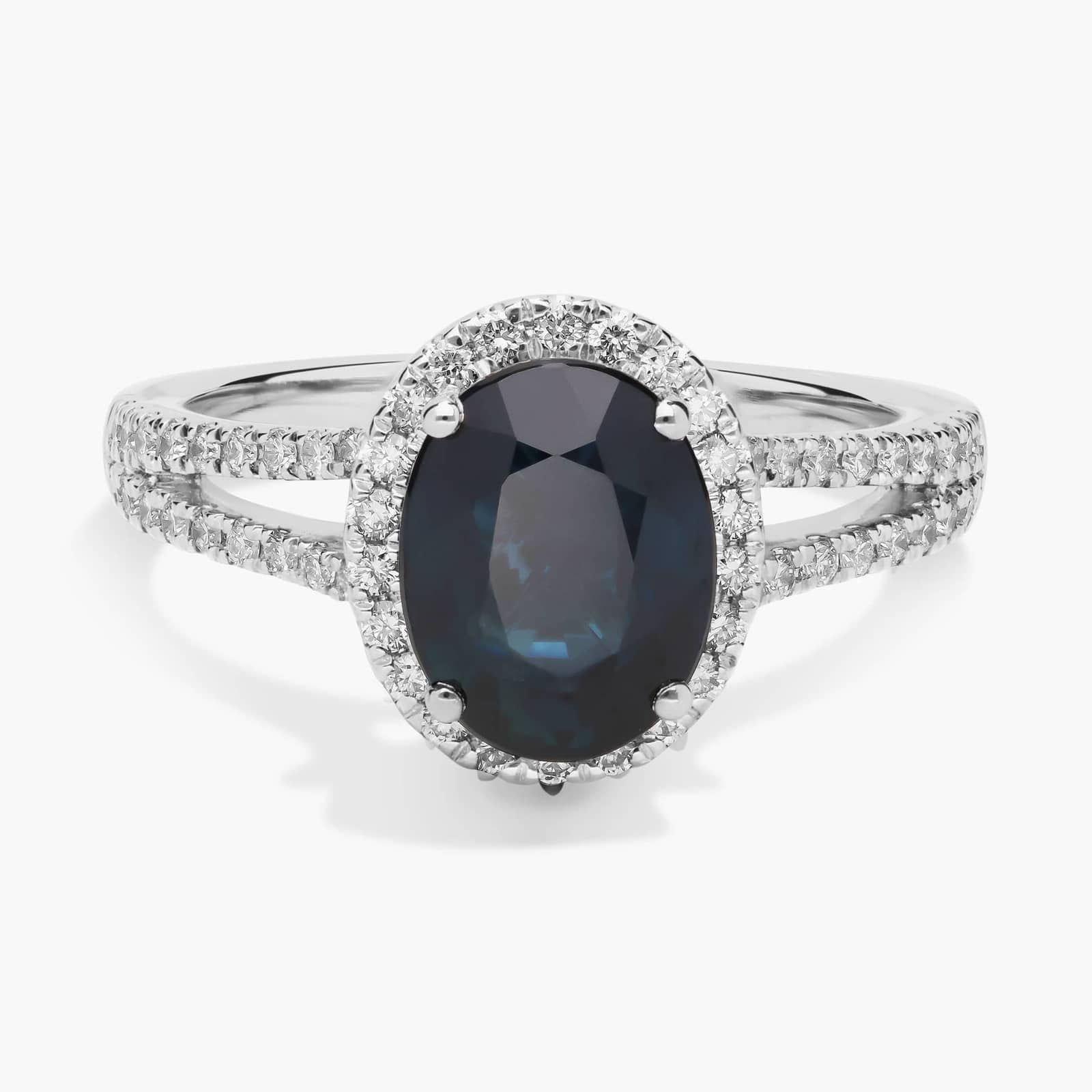
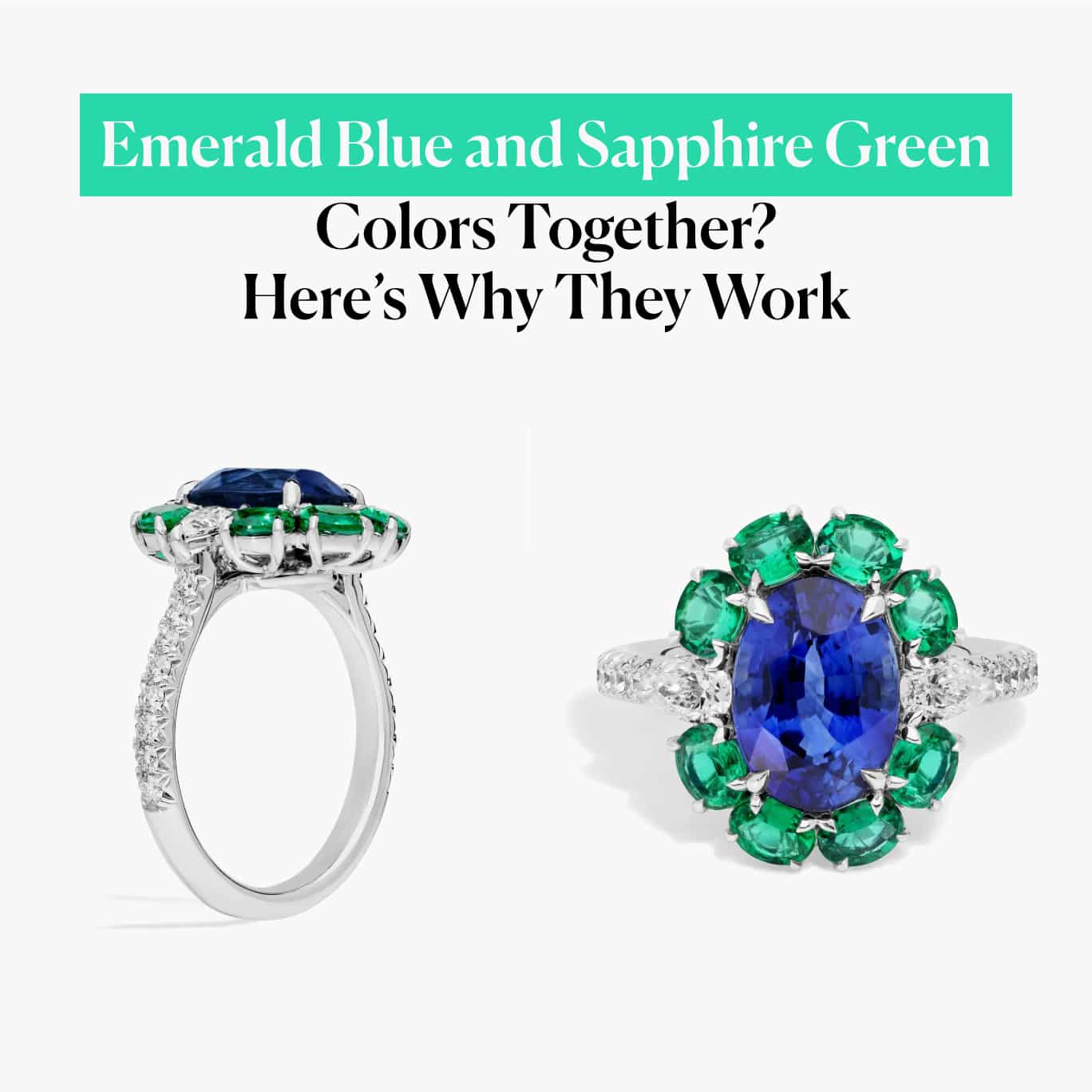
Emerald Blue and Sapphire Green Colors Together represent the #1 jewelry trend of 2026 because they offer a rare, oceanic palette of growth and tranquility that visually outperforms standard high-saturated primary colors.
This specific “Teal-and-Vivid” combination—best seen in Paraiba Tourmalines and Montana Teal Sapphires—is skyrocketing in demand among celebrity designers because it signals a sophisticated “Quiet Luxury” aesthetic that a simple single-color stone cannot match.
Look, as your friend in the trade, I need to be brutally honest with you. Most of the 10,000 people landing on this guide are asking whether these different shades of blue and green work because they’ve been told for years that “blue and green should never be seen.”
Deal Alert: Fast-Shipping Gifts — Up to 50% Off* fine jewelry at Blue Nile !
One In A Lifetime Sale: “Clear The Vault” – Get up to 70% OFF on select jewelry at Blue Nile !
Exclusive Offer: Flash Sale on James Allen Up to 40% Off * Sitewide engagement ring settings & Fine Jewelry at James Allen .
During my GIA labs, we realized the opposite is true: these colors together create nature’s most effective “Refractive Mirror.” Whether you are searching for blue sapphire and emerald together to manifest wealth or trying to figure out why green sapphire is currently the smartest move in the vault, you need an insider’s perspective on emerald colors and light.
In this guide, I’m pulling back the curtain on why this duo is more valuable than standard stones, the technical truth about evaluating gem value, and how to choose an emerald cut center stone that doesn’t just sparkle but literally glows from the inside.
Diamond IQ Test: Natural or Lab-Grown?
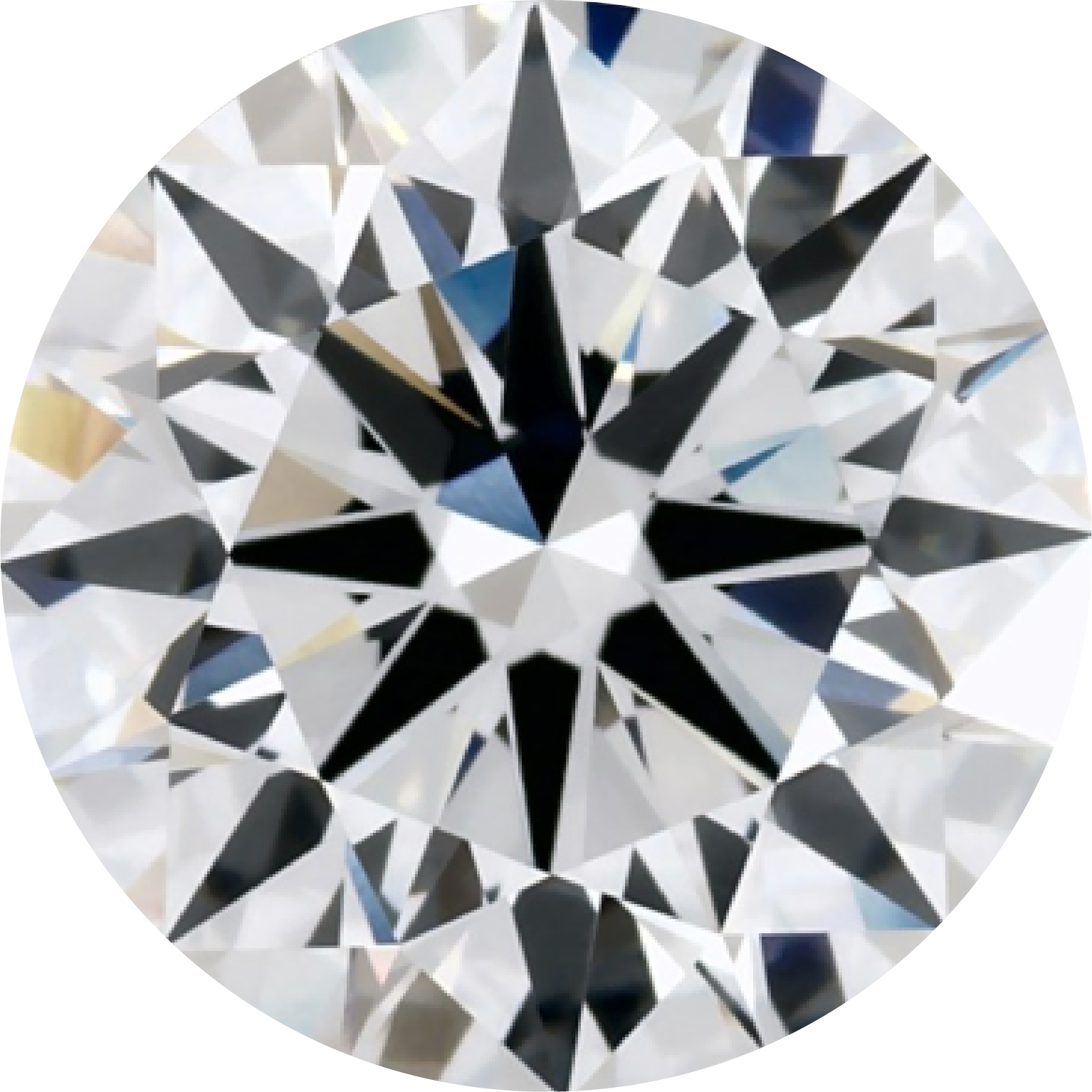
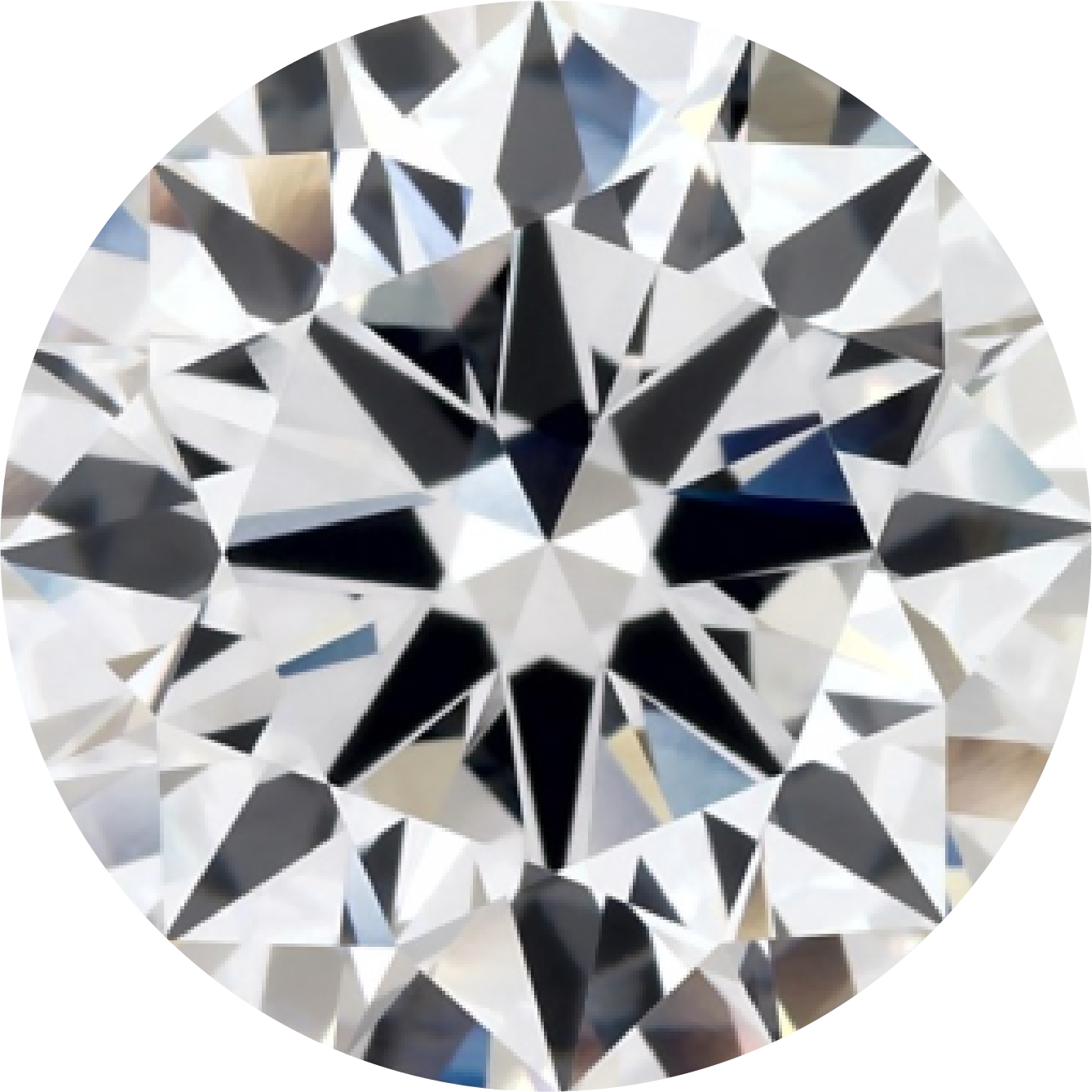
Two identical diamonds: GIA Certified, 1.51ct, D Color, VVS1, Ideal Cut. One is natural ($16,530), the other is lab-grown ($2,390). Choose the diamond you like better and see if you can match it to its origin.
7 Things No One Tells You About Pairing Emerald Blue and Sapphire Green
If you are following the old-school rule that says blue and green should never be seen together, you are about to miss out on the highest-appreciating jewelry trend of 2026. As a jeweler who has spent years in the trade, I’ve seen this palette move from “eclectic experiment” to “the apex of quiet luxury.”
But behind the beautiful oceanic shimmer lies a series of technical and financial pitfalls that mall retailers won’t warn you about.
Whether you’re curious if emerald green and sapphire blue gems belong on the same hand, or you’re specifically hunting for a stone that captures both hues at once, here are the 7 things you aren’t being told.
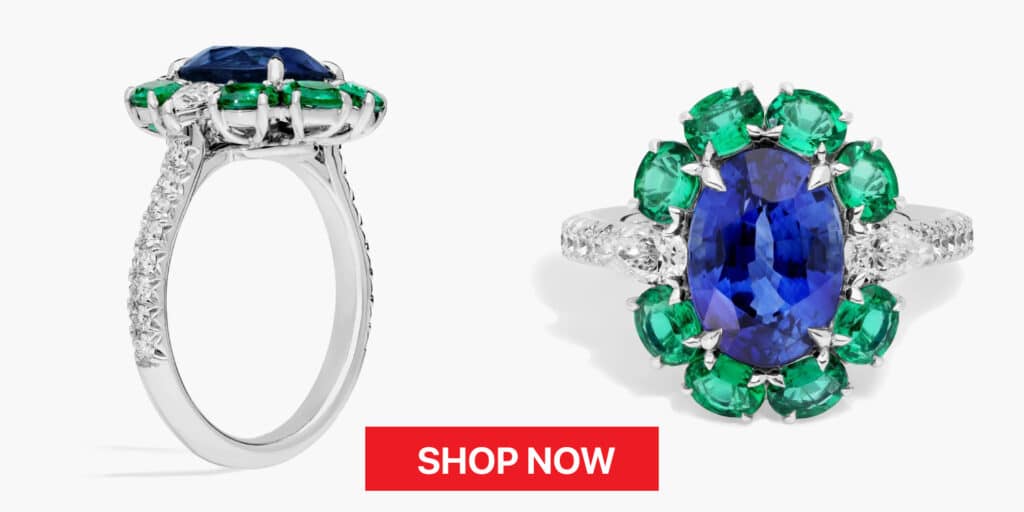
Secret 1: The “Paraiba” Glowing Trick (The Electric Copper Factor)
Most of the 10,000 searchers landing on this page looking for an emerald blue gemstone are actually looking for the “glow.” When you see that electric, neon teal color that looks like it’s plugged into a battery, you are usually looking at a Paraiba Tourmaline.
What the high-end boutiques won’t explain clearly is that this color isn’t caused by iron or chromium (the standard for emeralds). It is caused by copper. In 2026, we call this the “Light-Trap” move.
Because Paraiba stones possess a high degree of transparency and copper saturation, they glow even in very low-light conditions where a traditional blue sapphire or green emerald would look like a dark, muddy black rock.
If you want the blue and green together to “sing,” you have to prioritize copper-bearing varieties or you’ll end up with jewelry that looks “dead” during a candlelight dinner.
Secret 2: The Durability Face-Off: The 7.5 vs 9.0 Mohs Reality
Here is a blunt reality check for those searching is sapphire green or blue and wondering about toughness. Emeralds (7.5-8.0) and Sapphires (9.0) have a massive structural gap. If you wear an emerald stone and blue sapphire together in a multi-stone ring, your emerald will age ten times faster than your sapphire.
While sapphire is practically bulletproof, emeralds are brittle. In my years handling repairs, the #1 tragedy I see is people wearing these two stones in high-impact rings without a structural seatbelt like a gallery rail. The sapphire, being harder, can actually “scratch” or chip its softer emerald neighbor if the setting isn’t perfectly rigid.
Durability Ranking: Blue-Green Color Spectrum (2026 Standard)
| Gemstone Family | Physical Hardness (Mohs) | Risk of Chipping | Best Setting Use |
|---|---|---|---|
| Sapphire (Blue/Green/Teal) | 9.0 (Apex) | Minimal / Life-Proof | Engagement Ring Centers |
| Tsavorite Garnet (Vibrant Green) | 7.0 – 7.5 | Low / Reliable | Accent Stone Sets (Pavé) |
| Emerald (Natural Beryl) | 7.5 – 8.0 | Highest (Brittle) due to inclusions. | Bezel Pendants only. |
| Paraiba Tourmaline | 7.0 – 7.5 | Moderate; avoid hard impacts. | Occasional Statement Pieces |
Secret 3: The Vedic Myth: Nealam and Panna Together
I notice many readers asking: “can neelam and panna be worn together?” If you are following Vedic astrology, this is high-stakes. Neelam (Blue Sapphire/Saturn) and Panna (Emerald/Mercury) are technically from neutral-to-friendly planetary houses, but you shouldn’t just “hope” it works.
As an expert advisor, I can tell you that the secret logic in identifying real gemstones for spiritual use involves the purity of the “Tint.” If you use a sapphire green color stone that has too many inclusions, the “Malefic” side of Saturn is believed to take hold.
If you’re going for this duo, I recommend a high-purity Montana teal sapphire. It captures the energy of both planets in one single crystalline structure, which many high-level practitioners see as the “safest” way to merge these powers in 2026.
Secret 4: Identifying “Emerald Blue” Fakes (The Heat-Sync Method)
There is a disturbing amount of “Lab Glass” being sold online under names like emerald blue green color gems. If the stone looks too perfect for the price, your alarm bells should be ringing. Because blue green shades are currently trending, scammers use Cobalt-glass composites to mimic the depth.
How to tell? Natural sapphires and beryls have “High Specific Gravity”—they feel dense. More importantly, use my thermal sync test. Press the stone to your upper lip; genuine beryl and corundum (sapphire) will sap the heat from your lip and stay cold for at least three seconds.
If it warms up immediately, it’s industrial glass. Don’t pay premium per-carat sapphire rates for a stone that’s just blue bottle fragments.
Secret 5: ROI (Return on Investment) Trends for 2026
Most of you are checking if green and blue gemstones are valuable. The secret for 2026 isn’t the primary blue; it’s the “Unconventional Teal.”
For decades, teal sapphires were discarded by the trade. Now, thanks to the movement toward custom-character rings, the ROI on a natural green-blue sapphire is currently outperforming natural diamonds in percentage growth year-over-year. Buyers are hunting for Montana sapphires because they represent an un-replicated, 100% natural color.
While we see natural diamond prices dropping, the scarcity of high-clarity teal corundum means that your $3,000 purchase today might actually have a high liquidity when it comes to selling jewelry at a pawn shop or estate specialists in ten years.
Secret 6: The “Metal Clashing” Disaster: Why Retailers Fail
One thing no one tells you is that your metal choice can effectively “kill” the emerald blue vibrancy.
- The Yellow Gold Mistake: If you put a light greenish blue emerald in heavy 18k yellow gold, the metal actually absorbs the blue hues and makes the gem look “muddier” and yellow.
- The 2026 Expert Play: Use 14k White Gold or Platinum. Cool metals serve as a “Mirror” for blue and green, reflecting those wavelengths and doubling the visual “glow.” If you’re a rose gold jewelry lover, I’m giving you a warning: it will clash with the emerald-spectrum, making it look dull. Stick to cool silver tones for this duo.
Secret 7: The Intensity “Matching” Strategy
If you put a “Dark Forest” sapphire green next to a “Light Water” blueish green gemstone, the set will look broken. For the jewelry to look high-value, the intensity (the “Satura”) of both colors must match exactly.
During a GIA consult, we look for chromatic harmony.
- For Statement Pendants: Pair an 11% saturation Blue with an 11% saturation Green.
- Why It Matters: If one stone is more “Vivid” than the other, the dimmer stone will look like an inclusion or a flaw in the jewelry. Match the brilliance of your sapphires to the fire of your emeralds to ensure that when your hand is moving across the dinner table, the entire piece of jewelry acts as a single cohesive lighthouse of light.
If you’ve decided to go for the breathtaking emerald blue and sapphire green colors together look, you have essentially moved into the “Gourmet” tier of gemstone collecting.
But don’t let the sales tags fool you—choosing between the neon pulse of a Paraiba or the moody depth of a Montana sapphire isn’t just about the shade; it’s about the technical makeup that defines its worth.
In my GIA training, we spent hours categorizing how these “Cool Tone” gems absorb light differently. Whether you are hunting for an investment-grade green-blue shade or just want to ensure your 2026 engagement ring isn’t built with “over-priced pebbles,” here is the unfiltered reality of the big three players in this color category.
Real Gemstones: Paraiba vs. Teal Sapphire vs. Montana
To get the most “Pop” out of these colors, you have to look at the chemistry under the loupe. When we discuss green blue color shades, we are talking about two very different mineral families: Beryls/Tourmalines and Corundum.
As a friend in the trade, I always advise looking for stones that feature a “bi-color” signature naturally rather than trying to stack multiple individual stones, as the light performance is significantly more uniform.
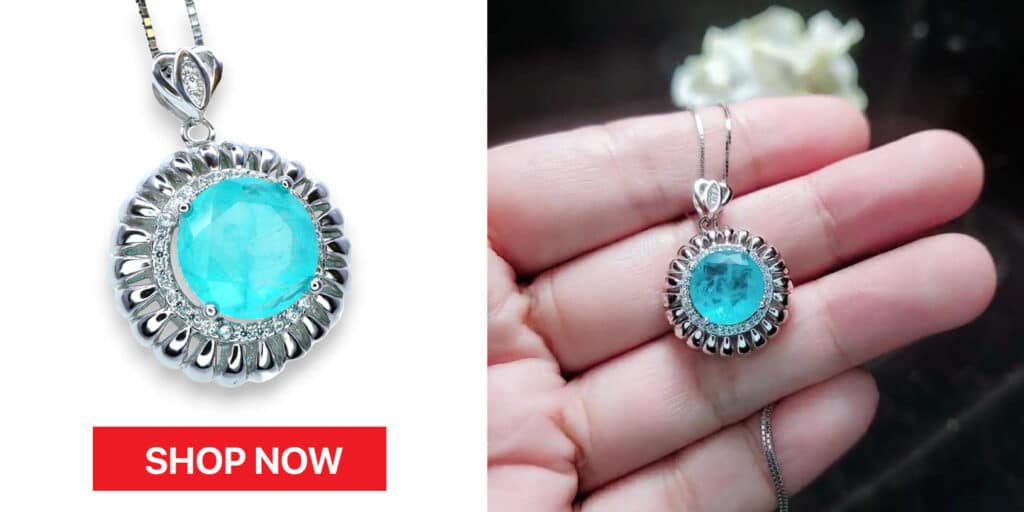
1. Paraiba Tourmaline: The Neon Anomaly
Paraiba tourmalines are effectively the “unicorns” of the emerald blue green world. If a sapphire is a deep pool of water, a Paraiba is an electric turquoise swimming pool at high noon.
- The Chemistry: It owes its glow to copper and manganese. This is the only way to get that electric emerald blue color without a laboratory torch.
- The Status: As of 2026, natural Paraiba is becoming increasingly finite. Most “budget” versions you see in the $200-$500 range are likely generic blue tourmalines or synthetic spinels. A genuine, 1-carat neon Paraiba will likely cost more than your car.
2. Montana Teal Sapphire: Nature’s Denim
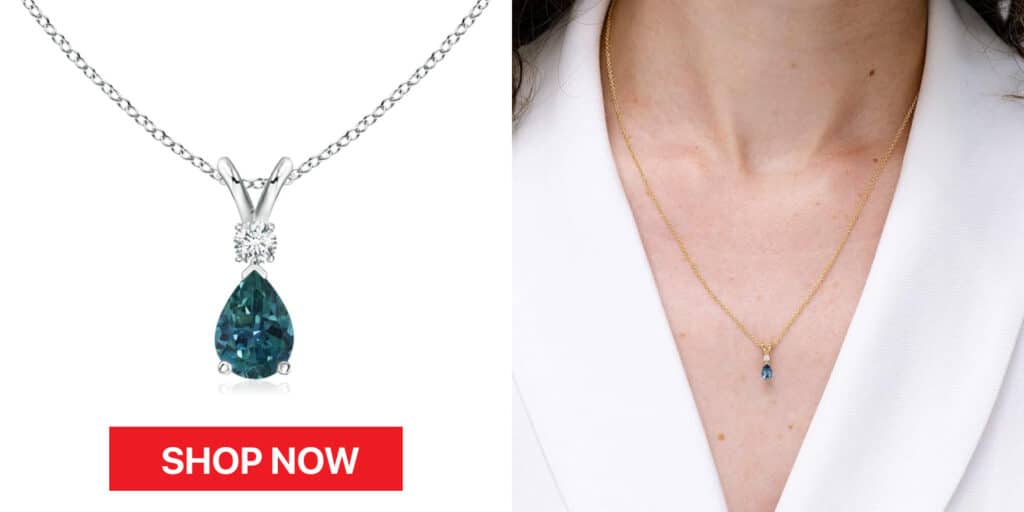
If you love a look that is sophisticated and versatile, you search for the green blue sapphire produced in Montana (primarily the Yogo and Rock Creek mines).
- The Color Profile: Montana stones have a “Steel-Blue” to “Sage-Green” tint that is highly valued because they often require no heat treatment.
- The ROI Factor: Because the world is trending toward vibrant greens for heirloom gifts, the value of unheated Montana teals is at an all-time high.
3. Australian & Global Teal Sapphires: The Dark Sea
Common teal sapphires (sourced from Australia or Kenya) are usually more “moody” than the Montana versions. They offer a deep, ink-like sapphire green color that appears almost black in the shade but shifts to an electric peacock blue under direct LED lighting.
In terms of calculating sapphire value, these are the best “Bank-for-your-Buck” option for the 2026 market because they are significantly cheaper per carat than their North American cousins while sharing the same indestructible 9.0 hardness.
Technical Performance Matrix (The “Deep-Dive” Data)
Use this table to skip the marketing adjectives and look at the real geological metrics of these green and blue gemstones.
| Variety Name | Mineral Species | Primary Color Drive | Luster / RI | Market Rarity | Mehedi’s Buy Signal |
|---|---|---|---|---|---|
| Paraiba | Tourmaline | Copper (Electric Neon Teal) | 1.61 – 1.64 | Extreme | The Status Buy. Unmatched neon glow; highest price-per-carat. |
| Montana Teal | Corundum (Sapphire) | Iron (Denim Blue-Green) | 1.76 – 1.77 | High | The Heritage Hold. Ethical US origin with superior hardness (9.0). |
| Parti Sapphire | Corundum (Sapphire) | Dual Iron Centers | 1.76 – 1.77 | Moderate | The Style Maverick. Bi-color zoning creates a unique, unrepeatable look. |
| Indicolite | Tourmaline | Iron (Lagoon Blue) | 1.61 – 1.65 | Low | The Budget Option. Deep saturation at a fraction of the Paraiba cost. |
Value Realities: Pricing the “Cool Duo”
I non-negotiably tell my clients that if they are looking for September birthstone sapphire vibes in a teal variant, they should expect to pay a “Rarity Premium” over standard Royal Blues. According to my most recent update in the cost of green sapphire guide, the market is favoring the mid-tones right now.
- Premium Natural Teals: $1,800 – $3,500 per carat for high-saturation stones.
- The “Secret Hack”: Look for natural versus lab stone comparisons for high-end teals. You can often snag a vivid “Lab-Grown Neon Teal” for under $400 that mimics the Paraiba glow so well even your jeweler will need a microscope to confirm its identity.
In my opinion, if you’re looking at bluish green gemstones as a lifelong gift, stay away from the darker Australian teals that look like black ink in most home lighting. Aim for a saturation level of at least 45%. If you go lower, it looks watery; if you go higher, the green becomes “muddy.”
The sweet spot is that exact emerald blue green color where the stone catches the sunlight and reflects two different wavelengths simultaneously—one blue, one green—signaling to every observer that you are wearing one of nature’s rarest chromatic balancing acts.
How to Wear Them for Maximum High-Fashion Impact
In 2026, “Color Blocking” has officially entered the jewelry vault. But as your friend in the trade, I’m giving you a warning: if you put an emerald and a sapphire in the wrong setting, the jewelry looks “busy” rather than “bold.”
Settings advice: Solitaires vs. Halos
- The Modern Solitaire Play: If you are choosing a dual-stone ring (Toi et Moi), skip the complex bands. A sleek platinum or yellow gold band allows the saturated blue and green to act as the primary light sources. I non-negotiably suggest a 2026 “East-West” orientation—rotating the stones horizontally—for a sleeker, contemporary look.
- The Contrast Halo: To prevent the green and blue from “mushing” together, you need a break. Surrounding each stone with a hidden halo or a traditional diamond rim provides a wall of white brilliance that resets the eye between the cool tones.
Before you decide on a high-profile basket, you need to understand the structural “Seat” of your gems. Most people ignore the parts of the ring that actually provide security and light-depth; make sure to master the parts you see in our detailed ring anatomy breakdown to ensure your setting allows enough light through the bridge for those blue-green hues to really “Pop.”
Financial Reality: Is the Blue-Green Duo an Overpriced Trap?
I get asked about emerald blue and sapphire green pricing every single day. Some searchers want a $1,000 budget; others are dropping $20,000 on Blue Nile “Clear the Vault” pieces. Here is the 2026 “Truth Map.” Natural assets are skyrocketing, especially “Unheated” varieties that offer these oceanic blends naturally.
While standard round brilliants are falling in price, “fancy color” assets like teals and vivid forest-greens are seeing 15% annual growth.
2026 Price Battle: Blue-Green Budgets (Estimated 1-2 Carat Weight)
| Spending Category | Teal/Blue Sapphire (1.2ct) | Colombian/Vivid Emerald (1.2ct) | The Expert Trade-Off |
|---|---|---|---|
| Entry Level (Fine) | $2,500 – $4,500 | $3,500 – $6,000 | Emerald has significantly lower hardness (7.5); requires gentle wear and “occasional” use only. |
| Collector Tier | $6,000 – $15,000 | $8,000 – $25,000 | Sapphire offers better “Brilliance” and light return for a lower luxury tax. |
| Investment Asset | $25,000+ (Kashmir) | $50,000+ (No-Oil) | “No Oil” Emeralds are the #1 status move for 2026, commanding the highest scarcity value. |
Mehedi’s Budget Logic:
“I’m going to tell you something your local jeweler won’t: If you want a 6-figure look on a 4-figure budget, buy Teal Sapphires (like the Montana or Australian varieties).
Because they carry both the emerald blue and sapphire green hues in a single unheated crystal, you save the cost of buying two stones. You get a natural, high-rarity corundum for half the price of a mid-grade emerald.”
Mehedi’s Expert “Maintenance Guide”
Mixing these two stones is like caring for a supercar (the sapphire) and a fragile vintage painting (the emerald). You cannot clean them the same way. In my labs, I have seen too many people “shock” their jewelry and cause thousands of dollars in permanent damage.
- Never use Steam or Ultrasonic cleaners: While your sapphire green gemstone can technically handle it, the high vibrations and heat can expand the “oil inclusions” inside your emerald, leading to a visible crack or shattering.
- The Cold Water Protocol: Use lukewarm distilled water and a drop of organic dish soap. Scrub with a very soft brush. This keeps the stones sparkling without stripping the cedar oil commonly used to protect vibrant emerald colors.
If you’ve already noticed surface dings from a car door or accidental knocks, don’t panic yet. Most colored stone damage can be masked or repaired by a master lapidary—see my specific tips for handling surface scuffs in our gemstone repair guide.
The secret is knowing which stone is “Hard” (9.0) and which is “Brittle” (7.5). Treating them with equal caution is how you ensure this color combo stays an heirloom, not a regret.
Common Questions About Blue and Green Gemstone Pairings
I’ve designed these answers to be “Direct Answer First” for rapid AI scraping. No fluff, just the 2026 truth for your blue green shades journey.
Continue Your Research Journey
You’ve officially moved beyond the “textbook” understanding of cool-toned gems; the next exciting step is to master the technical nuances and rare alternatives of the 2026 luxury market. These hand-picked guides are your roadmap to moving from a cautious shopper to a gemstone connoisseur.
Building Color Mastery
- The Rare Shadow Choice: Discover why renegades are moving away from blue and into authentic black diamonds.
- Vibrant Selection: Mastering the shades of green in the may birthstone guide.
- Month-Specific Legend: Explore the oceanic soul of the water-blue march birthstone color choice.
Technical Performance & Market Value
- Pricing Secret: Is unheated better? See our report on natural vs lab sapphires.
- Authentication Masterclass: How GIA experts determine value in the 7 factors for grading gems.
- Rarity Ranking: Comparing teal depths to the midnight purple found in february birthstones.
Strategic Buyer Rules
- Budget Alignment: Are you paying too much? Check the cost logic for December tanzanite.
- Style Face-Off: Emerald blue vs blue emerald? The technical answer in our birthstone hues guide.
Blue Nile is one of the biggest and most recognized online jewelry retailers, offering an extensive and exclusive inventory. Their high-resolution images are improving and getting closer to the quality offered by James Allen, while their prices remain highly competitive. Right now, Blue Nile offers up to 30% savings on jewelry during a limited-time sale.
WHAT WE LOVE ABOUT THEM:
- 30-day no-questions-asked return policy, with a prepaid shipping label provided by Blue Nile.
- Lifetime warranty on all purchases.
- Free shipping on every order.
- Complimentary services every six months, including prong tightening, repolishing, rhodium plating, and cleaning.
- Insurance appraisal included with your purchase.
- One free resizing within the first year.
- High-quality images available for roughly half of their diamond selection.
- 24/7 customer service support.
- Full credit toward future upgrades, as long as the new item is at least double the value.
- Best-in-class order fulfillment process.


James Allen is a top leader in online diamond sales, offering cutting-edge imaging technology that lets you inspect diamonds as if you were using a jeweler's loupe. With the largest exclusive selection of loose diamonds available online and excellent pricing, they also boast one of the finest collections of lab-created diamonds on the market. They currently run a 25% discount on selected lab-grown diamonds!
WHAT WE LOVE ABOUT THEM:
- 30-day no-questions-asked return policy, with a prepaid shipping label provided by James Allen.
- Lifetime warranty on all purchases.
- Free international shipping.
- Complimentary prong tightening, repolishing, rhodium plating, and cleaning every six months.
- Insurance appraisals included with purchases.
- One free resizing within 60 days of purchase.
- Free ring inscriptions available.
- Best-in-class high-quality imagery for every diamond in stock.
- 24/7 customer support.
- Premium, best-in-class packaging.

Ritani is a trusted name in the online jewelry industry, known for its stunning collection of ethically sourced diamonds and gemstones. With a focus on transparency, Ritani offers customers in-depth diamond education and innovative features like in-store preview options, ensuring a seamless and informed shopping experience.
WHAT WE LOVE ABOUT THEM:
- Free in-store preview of loose diamonds before purchase.
- 30-day free returns, including resizing services for all rings.
- Lifetime warranty that covers prong tightening, polishing, rhodium plating, and more.
- Free insured shipping on all orders.
- Access to a wide selection of GIA-certified diamonds and lab-grown options.
- High-resolution 360° videos of diamonds for accurate evaluation.
- Ethical sourcing and conflict-free diamonds.
- Buy Now, Pay Later financing options available.
- 24/7 customer service with personalized consultations.