
Most buyers walk into the diamond cluster ring category with one of two wrong assumptions. Either they think cluster rings are cheap substitutes for real diamond rings — or they think they are outdated, tacky relics that serious buyers avoid. Both assumptions are wrong, and both will cost you money if you act on them.
Diamond cluster rings are one of the oldest fine jewelry formats in existence. Victorian jewelers used them to create the kind of presence and brilliance that individual stones simply could not produce at the time. In 2026, they are experiencing a genuine revival — not because buyers cannot afford solitaires, but because cluster rings offer something solitaires cannot: movement, character, and a design story told by many stones working together.
Here are the 13 mistakes that trip up buyers in this category — and exactly what to do instead.
The 13 Mistakes — Quick Reference
| No | Mistake | Real Example of How It Hurts You |
|---|---|---|
| 1 | Thinking cluster rings are cheap or fake | Passing on a $4,260 Diamond Nest setting thinking it’s costume jewelry |
| 2 | Thinking cluster rings are tacky | Avoiding a 68-review Floral Bouquet ring because of a stigma that doesn’t exist |
| 3 | Ignoring diamond color matching across the cluster | Buying a D-color center stone next to H-I cluster stones — the mismatch shows instantly |
| 4 | Choosing the wrong shape for the setting | Putting an asscher cut in a round-only cluster head — the geometry won’t seat properly |
| 5 | Confusing setting price with total ring price | Seeing “$2,075 setting” and thinking that’s the full price — you still need the center stone |
| 6 | Buying without knowing the historical context | Paying full retail for a “vintage” ring that’s just vintage-inspired, not actually antique |
| 7 | Choosing the wrong metal for the diamond color | Putting H-I diamonds in white gold — the warmth shows instead of hiding in yellow gold |
| 8 | Ignoring clarity mismatches in cluster stones | One SI2 stone in a cluster of VS2 stones — it kills the whole arrangement |
| 9 | Skipping the carat weight-to-setting size check | Center stone is too large or too small for the cluster head — looks off |
| 10 | Assuming men’s cluster rings don’t exist | Missing an entire category of wide-band yellow gold cluster rings designed for men |
| 11 | Forgetting that colored stone cluster rings exist | Buying all-diamond when sapphire and diamond cluster rings cost less and look more unique |
| 12 | Overlooking the 68-review ring that already has proof | Ignoring the Floral Bouquet — the most validated cluster ring design in the current catalog |
| 13 | Buying before checking the review count | Picking a setting with zero reviews over one with 68 validated buyer confirmations |
What Is a Diamond Cluster Ring — Really?
A diamond cluster ring groups multiple smaller diamonds into a single arranged design — floral, geometric, or organic — so the whole reads as one statement piece rather than a collection of individual stones. The visual effect is more surface coverage, more light reflection, and more character than a single diamond of equivalent total weight can create.
The format goes back centuries. The GIA’s colored stone research has documented cluster ring designs in Georgian and Victorian jewelry where foil-backed rose cuts were grouped to maximize brilliance in candlelight.
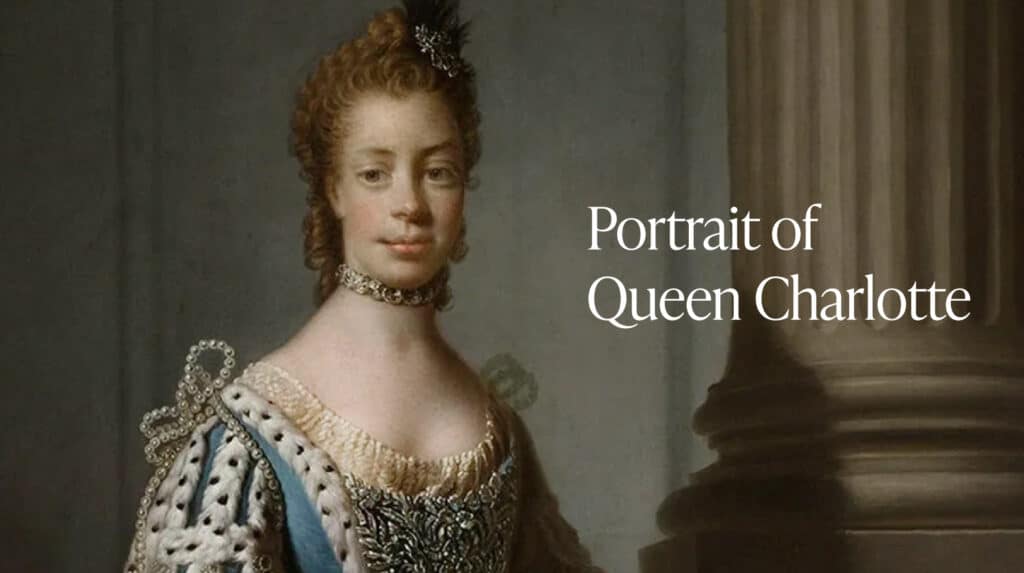
Cluster rings existed because the goal was always visual impact — and multiple stones create more of it than one.
In 2026, the cluster ring serves a buyer who specifically wants something that does not look like every other engagement ring or fashion ring on the market. That is not a budget decision. That is a taste decision.
Are Diamond Cluster Rings Cheap? (Mistake #1)
The short answer is no — and confusing the cluster format with cheap jewelry is one of the most expensive mistakes a buyer can make. It causes people to pass on genuinely valuable designs or overpay elsewhere because they dismissed an entire category based on a misconception.
Fine diamond cluster rings at Blue Nile start at $1,625 for the setting alone before the center stone. The premium Diamond Nest series by James Allen runs $4,260–$5,220 in setting price — and that does not include your center diamond. These are not cheap rings.
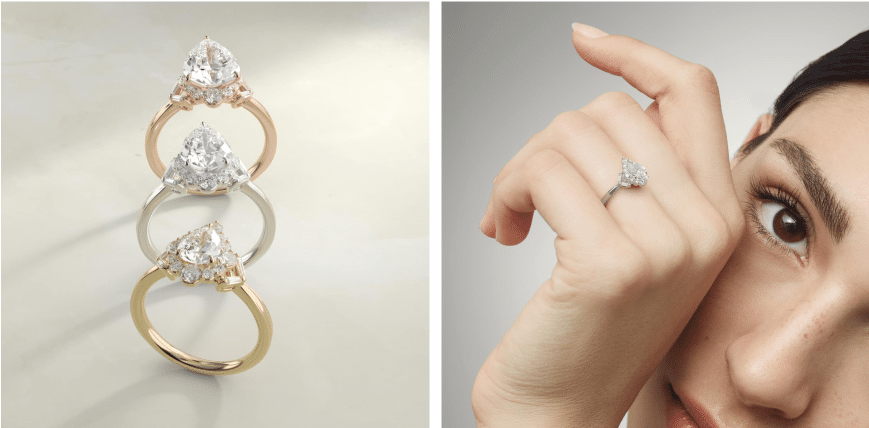
What creates the confusion is that fashion cluster rings in base metal with cubic zirconia exist at $20–$50 and share the same category name. The difference is the material: real diamonds, real gold, real craftsmanship. For understanding what separates fine diamond quality from fashion alternatives across the 4C spectrum, our diamond buying guide covers every quality factor in plain language.
Mehedi’s Take: “Someone once told me they did not consider cluster rings because they seemed ‘less serious’ than solitaires. I showed them the Diamond Nest platinum setting at $5,220 before the diamond, and asked them to explain how that was not serious. They bought one.” — Mehedi Hasan, Diamond Industry Veteran
Are Diamond Cluster Rings Tacky? (Mistake #2)
No — but this question comes up so often it deserves a direct answer. The Natural Diamond Council documents cluster rings appearing across every major jewelry era, from Victorian flower clusters worn by royalty to Art Deco geometric arrangements created by the finest Parisian houses. A design that Cartier and Van Cleef have used for over a century is not tacky.
What can look cheap is a poorly proportioned cluster ring where stones are mismatched in color or clarity, the design has no coherent concept, and the metal weight is too thin for the diamond load. That is a quality problem, not a cluster problem. The same ring in another format with the same poor quality would look equally bad.
The best vintage diamond cluster rings — Victorian naturalistic flowers, Edwardian platinum filigree clusters, Art Deco geometric configurations — are among the most collectible and highest-value pieces in the estate jewelry market. If anything, calling them tacky is the inverse of the truth.
Why Matching Your Diamond Colors Matters More Than the Grade (Mistake #3)
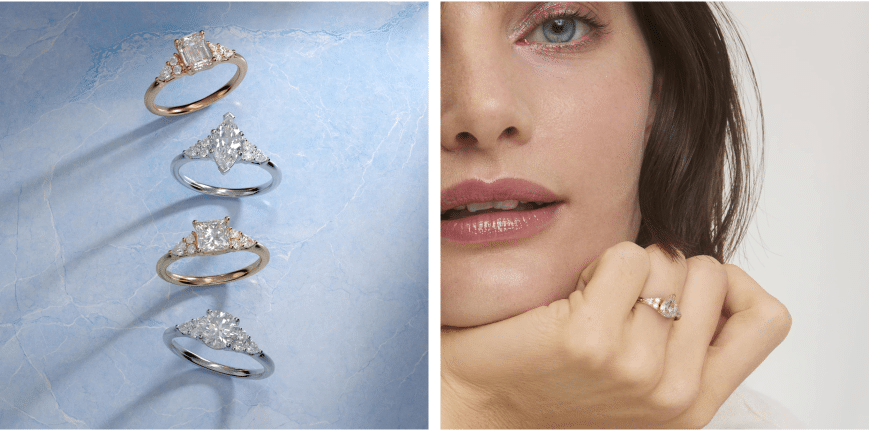
This is the mistake that actually ruins cluster rings — and almost nobody talks about it. When you have ten diamonds visible simultaneously, any color inconsistency across the group is immediately visible to the naked eye. A D-color center stone sitting next to H-I cluster accent stones creates a jarring warm-to-cool contrast that makes the ring look like it was assembled from leftover parts.
The rule is simple: match your center stone’s color grade to the cluster accent diamonds’ color range. If the setting uses H-I stones in the cluster, your center stone should be H, I, or one grade above at most — not D, E, or F. Color consistency across the ring matters more than the absolute grade of any single stone.
This is why cluster rings actually reward slightly lower color grades: an H-color center stone in a cluster of H-I accents creates a unified, harmonious appearance. An H-color center in a cluster of I-J stones might look slightly whiter than the surround — which is fine. A D-color center in the same cluster will look like a completely different material. Our diamond color and clarity chart shows exactly how color grades look next to each other.
What Shape Goes in Which Cluster Setting? (Mistake #4)
Not every diamond shape works in every cluster setting, and forcing the wrong shape into a setting designed for a different outline is a mistake you cannot fix after the fact. Round brilliant diamonds are the most universal — they work in every cluster configuration without modification. Oval, pear, and cushion cuts work in cluster settings specifically designed to accommodate their outline.
Princess cuts, asscher cuts, and other angular step-cut shapes generally do not seat well in round-cluster heads — the pointed corners conflict with the prong geometry. For step-cut shapes in cluster-adjacent designs, our asscher cut diamond guide covers what settings work and what does not. Always confirm the recommended center stone shape range with each specific setting before ordering.
The marquise-and-round cluster array settings in the Blue Nile collection are specifically designed for marquise or round centers — using a marquise there creates the most visual elongation. Using a round creates a more compact, symmetrical cluster head. Both work; they just look different. Our marquise cut diamond guide covers how the marquise shape interacts with surrounding stones.
Setting Price vs Full Ring Price — The Number That Confuses Everyone (Mistake #5)
Every setting price in this article — and every Blue Nile cluster ring listing — is the setting alone. The center diamond is purchased separately and priced according to its own 4C specifications. This is how Blue Nile and most fine jewelry online retailers operate for their “design your own ring” inventory.
A setting listed at $2,075 paired with a GIA-certified 1ct G-VS2 round brilliant (approximately $4,500–$6,000 at current natural diamond pricing) produces a total ring cost of approximately $6,500–$8,000. That is the number you need to budget for. The setting price is just the architecture — the diamond is the main event.
If you want to understand how center diamond pricing scales with carat weight before committing to a setting, our diamond carat size chart shows what each weight costs and how it looks on a finger.
Vintage Diamond Cluster Rings vs Vintage-Inspired — Know the Difference (Mistake #6)
“Vintage” and “vintage-inspired” are not the same thing — and paying genuine antique prices for a modern ring described loosely as vintage is a mistake that happens more than it should. A genuine antique diamond cluster ring from the Victorian or Edwardian era carries historical value, original gemstones, period-specific metalwork, and collector provenance. A vintage-inspired ring is a new ring designed to evoke historical aesthetics — no age, no provenance, but often excellent craftsmanship.
The James Allen Floral Bouquet and Glamour Halo rings in this article are vintage-inspired: new rings that draw on Victorian and Art Deco design language. They are not antique rings. This is not a flaw — it means they come with warranties, consistent quality, and return policies that antique dealers cannot offer. But you should know which you are buying.
Genuine antique diamond cluster rings are found through estate auction houses like Christie’s and Heritage Auctions, specialist antique jewelry dealers, and some high-end estate jewelers. If you want a genuine Victorian diamond cluster ring, those are the correct channels — not a standard jewelry retailer’s new collection.
Which Metal Actually Flatters Your Diamond Color? (Mistake #7)
This one mistake costs buyers thousands of dollars because they pick the metal they like aesthetically without considering what it does to their diamond’s color. Yellow gold warms the diamond — H-I color stones appear noticeably whiter against yellow gold than against cool white metal because the warm gold frames the stone differently. This means you can buy a less expensive lower-color diamond and have it look better in yellow gold than a more expensive higher-color diamond would look in white gold.
White gold and platinum create cool contrast — they work best with D-H color diamonds where the stone is genuinely near-colorless and the cool metal flatters that crispness. Putting an H-I diamond in platinum will sometimes make the slight warmth of the stone more visible than it would be in yellow gold. Rose gold sits in between: warm enough to flatter lower color grades, fashionable enough to work with near-colorless stones too.
Diamond cluster rings in yellow gold are the most historically correct metal for vintage-inspired designs — the Victorian and Edwardian jewelry traditions were both predominantly worked in yellow gold and platinum, respectively. If you are drawn to antique aesthetics, yellow gold is your first metal conversation.
| Diamond Color | Best Metal | Why |
|---|---|---|
| D–F | Platinum or white gold | Cool metal matches cool stone; maximum clarity read |
| G–H | White gold or yellow gold | Either works; personal preference dominates |
| H–I | Yellow gold or rose gold | Warm metal makes slight warmth look intentional, not cheap |
| I–J | Yellow gold | Yellow gold hides warmth most effectively |
The Clarity Trap Inside Cluster Rings (Mistake #8)
Here is something nobody tells you: clarity inconsistency across the cluster is more visible than low clarity in a single stone. If your cluster setting uses accent diamonds at VS2 and you add one SI2 stone in the cluster, that stone will stand out as dull and lifeless against the brighter VS2 neighbors. The contrast amplifies the problem.
The good news: clarity grades do not need to be high in cluster rings — they need to be consistent. An all-SI1 cluster looks better than a mixed VS2-SI2 cluster, even though SI1 is technically the lower grade. Aim for consistent eye-clean clarity across every stone in the arrangement. Our VS1 vs VS2 diamond comparison covers exactly where eye-clean sits for different stone sizes and shapes.
For the center stone specifically, VS2 is the practical minimum in most round brilliant cluster applications. If you are using a step-cut center stone (emerald, asscher) in a cluster-adjacent design, go VS1 or higher — step cuts show inclusions more clearly than brilliant cuts. Our SI1 clarity diamond guide covers the edge cases where SI1 is acceptable.
How Big Should Your Center Stone Be? (Mistake #9)
The center stone in a cluster ring needs to be proportionally appropriate for the cluster arrangement around it. Too large and it overpowers the cluster — the ring looks like a solitaire with decoration, which defeats the entire purpose. Too small and it disappears into the arrangement, creating a visual confusion where nothing reads as dominant.
Most cluster settings are engineered for center stones in the 0.5ct–1.5ct range. Check the specific setting’s recommended stone size before purchasing — Blue Nile lists recommended center stone dimensions for each setting. A setting built for a 6.5mm round (approximately 1ct) will look wrong with a 5mm stone (approximately 0.5ct) or an 8mm stone (approximately 2ct+).
Big diamond cluster rings and large diamond cluster rings are a specific aesthetic — maximalist, statement-level pieces where the entire ring reads as a bold declaration. These require larger settings designed for that visual weight, not standard cluster heads pushed beyond their proportion. Our diamond finger coverage calculator helps you visualize how different stone sizes read on actual fingers.
Men’s Diamond Cluster Rings — The Overlooked Category (Mistake #10)
Men’s diamond cluster rings are one of the most searched jewelry subcategories that most mainstream jewelry guides completely ignore. The aesthetic is different from women’s cluster rings — wider bands, bolder arrangements, more metal presence, and a design language that reads as confident rather than delicate.
Mens gold diamond cluster rings have a long tradition in statement dressing — from signet-adjacent cluster designs to the wide pavé bands associated with hip-hop jewelry culture. The Wide Band Solitaire Plus Diamond series in yellow gold at $2,030 and the Marquise and Round Cluster Array starting at $2,080 in yellow gold are the closest Blue Nile offerings to a traditional men’s cluster ring aesthetic. Both combine substantial band presence with multi-diamond arrangements.
For men’s diamond cluster rings for sale, the yellow gold and white gold options in the marquise array and wide band categories are the correct starting point. White gold reads more contemporary and corporate; yellow gold reads warmer, bolder, and more traditional in men’s fine jewelry. Our engagement ring metals guide covers how each metal wears for daily use — important for men who wear rings through physical work.
Sapphire, Ruby, and Colored Stone Cluster Rings (Mistake #11)
Most buyers researching diamond cluster rings never consider that the cluster format works equally well — and sometimes better — with colored gemstones. Sapphire and diamond cluster rings, ruby and diamond cluster rings, and emerald cluster configurations all have deep historical roots: the Victorian acrostic ring was essentially a colored stone cluster where the first letters of each gemstone spelled a message.
A blue sapphire center with a diamond petal cluster surround creates a visual contrast — blue body color against white sparkle — that an all-diamond cluster cannot produce. The sapphire anchor gives the ring a color identity; the diamond cluster amplifies the sapphire’s presence. Montana sapphires in particular — with their unique teal-to-blue color range — create cluster ring effects completely different from standard blue sapphire. Our Montana sapphires guide covers the color range and what makes them distinctive in cluster settings.
For sapphire diamond cluster rings and ruby diamond cluster rings with real pricing data, our gemstone earring buying guide covers how sapphire and ruby pair with diamonds across every jewelry category — including the principles that apply directly to ring design. The GIA’s colored stone quality factors page is also the authoritative reference for how to evaluate the sapphire or ruby you are considering as a cluster center.
The 68-Review Ring You Should Look at First (Mistakes #12 and #13)
In fine jewelry, reviews are hard to accumulate. A $2,230 ring setting is not an impulse purchase — buyers deliberate, compare, purchase, wait for delivery, wear it, and only then take the time to leave a review. 68 reviews on a single ring setting represents 68 people who went through that entire process and came back to say something.
The Floral Bouquet Vintage-Style Engagement Ring by James Allen has 68 reviews across all metal variants. No other cluster ring setting in the Blue Nile catalog comes close — the next most reviewed designs have 9. This is not a coincidence. The floral bouquet format — diamonds arranged to form a flower, drawing directly from Victorian naturalistic cluster tradition — is a design that consistently satisfies buyers across every metal.
Ignoring this data point (Mistake #12) or buying a zero-review setting without reason (Mistake #13) are both avoidable. Start by looking at what has been validated, then decide if something else better suits your specific needs.
| Piece | Metal | Reviews | Setting Price |
|---|---|---|---|
| Floral Bouquet Vintage-Style — White Gold | 14k White Gold | 68 | $2,230 |
| Floral Bouquet Vintage-Style — Rose Gold | 14k Rose Gold | 68 | $2,230 |
| Floral Bouquet Vintage-Style — Yellow Gold | 14k Yellow Gold | 68 | $2,230 |
| Floral Bouquet Vintage-Style — Platinum | Platinum | 68 | $2,700 |
Complete August 2026 Price Guide — Every Setting Linked
All prices below are setting-only. Your center diamond is priced and selected separately.
Diamond Nest Settings — The Premium Cluster (James Allen)
The Diamond Nest is the most architecturally complex setting in the collection. Multiple diamonds are arranged in an organic, layered nest around the center stone — creating depth and texture that geometric cluster settings cannot match.
| Piece | Metal | Setting Price |
|---|---|---|
| Diamond Nest Side Stone Ring — Rose Gold | 14k Rose Gold | $4,260 |
| Diamond Nest Side Stone Ring — Yellow Gold | 14k Yellow Gold | $4,260 |
| Diamond Nest Side Stone Ring — White Gold | 14k White Gold | $4,485 |
| Diamond Nest Side Stone Ring — Platinum | Platinum | $5,220 |
Glamour Halo Vintage Cluster — The Statement Piece
The Glamour Halo Vintage-Style Engagement Ring combines a multi-layer diamond cluster with a vintage halo aesthetic. At 9 reviews and available in four metals, it is the most dramatic cluster design in the collection.
| Piece | Metal | Reviews | Setting Price |
|---|---|---|---|
| Glamour Halo Vintage — White Gold | 14k White Gold | 9 | $2,770 |
| Glamour Halo Vintage — Yellow Gold | 14k Yellow Gold | 9 | $2,770 |
| Glamour Halo Vintage — Rose Gold | 14k Rose Gold | 9 | $2,770 |
| Glamour Halo Vintage — Platinum | Platinum | 9 | $3,080 |
Romantic Round and Pear Cluster — Nature-Inspired
Round brilliants and pear accents together create natural movement that pure round-only clusters cannot. The 1/3ct combined cluster weight is included in the setting — your center stone adds on top.
| Piece | Metal | CTTW | Setting Price |
|---|---|---|---|
| Romantic Pear Cluster — White Gold | 14k White Gold | 1/3ct | $2,075 |
| Romantic Pear Cluster — Yellow Gold | 14k Yellow Gold | 1/3ct | $2,075 |
| Romantic Pear Cluster — Rose Gold | 14k Rose Gold | 1/3ct | $2,075 |
| Romantic Pear Cluster — Platinum | Platinum | 1/3ct | $2,890 |
Marquise and Round Cluster Array — The Elongated Option
Marquise-and-round combinations read as larger face-up than pure round clusters of the same carat weight. Good for buyers who want a non-circular visual character without going full fancy shape.
| Piece | Metal | Setting Price |
|---|---|---|
| Marquise Round Array — White Gold | 14k White Gold | $2,080 |
| Marquise Round Array — Yellow Gold | 14k Yellow Gold | $2,080 |
| Marquise Round Array — Rose Gold | 14k Rose Gold | $2,080 |
| Marquise Round Array — Platinum | Platinum | $2,385 |
Petite Marquise and Round Settings — Delicate Cluster Character
Same marquise-and-round concept scaled down for buyers who want the cluster look without significant visual weight.
| Piece | Metal | Setting Price |
|---|---|---|
| Petite Marquise Round — White Gold | 14k White Gold | $1,760 |
| Petite Marquise Round — Yellow Gold | 14k Yellow Gold | $1,760 |
| Petite Marquise Round — Rose Gold | 14k Rose Gold | $1,760 |
| Petite Marquise Round — Platinum | Platinum | $2,380 |
Petite Pear and Round Settings — Romantic Minimalism
| Piece | Metal | CTTW | Setting Price |
|---|---|---|---|
| Petite Pear Round — Yellow Gold | 14k Yellow Gold | 1/4ct | $1,875 |
| Petite Pear Round — Rose Gold | 14k Rose Gold | 1/4ct | $1,875 |
| Petite Pear Round — Platinum | Platinum | 1/4ct | $2,470 |
Romantic Twist Pear Accent Settings — Movement and Energy
The pear accent diamonds on a twisted shank create a swirling visual energy that standard cluster settings do not have. Worth considering for buyers who want movement in the design.
| Piece | Metal | CTTW | Setting Price |
|---|---|---|---|
| Romantic Twist — Yellow Gold | 14k Yellow Gold | 1/4ct | $2,260 |
| Romantic Twist — Rose Gold | 14k Rose Gold | 1/4ct | $2,260 |
| Romantic Twist — 18k White Gold | 18k White Gold | 1/4ct | $2,860 |
| Romantic Twist — Platinum | Platinum | 1/4ct | $3,165 |
Floral Marquise Diamond Ring — Vintage at the Lowest Cluster Price Point
| Piece | Metal | Reviews | Setting Price |
|---|---|---|---|
| Floral Marquise Diamond Ring — White Gold | 14k White Gold | 9 | $1,765 |
Wide Band Solitaire Plus Diamond — Men’s-Adjacent and Statement
Wide band with multiple diamonds radiating from the center — the most appropriate setting in the collection for men who want cluster character without overtly feminine design language.
| Piece | Metal | Setting Price |
|---|---|---|
| Wide Band Solitaire Plus — White Gold | 14k White Gold | $2,030 |
| Wide Band Solitaire Plus — Yellow Gold | 14k Yellow Gold | $2,030 |
| Wide Band Solitaire Plus — Rose Gold | 14k Rose Gold | $2,030 |
| Wide Band Solitaire Plus — Platinum | Platinum | $2,610 |
Petite Three Diamond and Baguette — Entry Cluster Character
| Piece | Metal | CTTW | Reviews | Setting Price |
|---|---|---|---|---|
| Petite Three Diamond — 18k White Gold | 18k White Gold | 1/10ct | 3 | $1,650 |
| Petite Three Diamond — 18k Yellow Gold | 18k Yellow Gold | 1/10ct | 3 | $1,650 |
| Petite Three Diamond — Platinum | Platinum | 1/10ct | 3 | $1,930 |
| Petite Baguette & Floating Round — Rose Gold | 14k Rose Gold | 1/5ct | 3 | $1,625 |
The Petite Baguette and Floating Round Diamond Ring at $1,625 is the lowest-priced genuine diamond cluster setting in the entire collection. Baguette and round diamonds together in rose gold — real diamonds, real 14k gold, 3 reviews confirming it delivers.
Mehedi’s 2026 Verdict and Decision Matrix
Who Should Buy What
| Your Situation | Best Choice | Setting Price |
|---|---|---|
| First cluster ring; want proof it works | Floral Bouquet White Gold (68 reviews) | $2,230 |
| Vintage diamond cluster rings; warm aesthetic | Floral Bouquet Yellow Gold (68 reviews) | $2,230 |
| Ladies diamond cluster rings; rose gold | Romantic Pear Cluster Rose Gold | $2,075 |
| Maximum statement; glamour aesthetic | Glamour Halo Vintage White Gold (9 reviews) | $2,770 |
| Big diamond cluster rings; organic depth | Diamond Nest Platinum | $5,220 |
| Men’s diamond cluster rings; yellow gold | Wide Band Solitaire Plus Yellow Gold | $2,030 |
| Elongated look; marquise character | Marquise Round Array Yellow Gold | $2,080 |
| Entry price; real cluster; rose gold | Petite Baguette & Round (3 reviews) | $1,625 |
Mehedi’s Final Word: “The 68 reviews tell the real story. In jewelry, 68 verified buyers coming back to say a $2,230 setting was worth commenting on is not nothing — it’s the closest thing to a guarantee that exists in this industry. Start with the Floral Bouquet in whatever metal suits the wearer. Get the diamond right — matched color, consistent clarity, appropriate size for the head. That ring will look exactly like what it is: a thoughtful choice by someone who knew what they were doing.” — Mehedi Hasan, Diamond Industry Veteran
FAQs
What is a diamond cluster ring?
A diamond cluster ring groups multiple smaller diamonds into one designed arrangement — floral, geometric, or organic — so the whole reads as a single bold piece rather than individual stones. The combined visual impact is more surface coverage and more light reflection than any single diamond of equivalent total carat weight can produce.
Are diamond cluster rings good for engagement rings?
Yes — and they have been used as engagement rings for centuries, particularly during the Victorian and Edwardian eras. For buyers who want a non-traditional, design-forward ring with genuine historical character, cluster engagement rings are a strong alternative to standard solitaires. Our best engagement rings guide covers how cluster designs compare across every major engagement ring category.
How do you stack a cluster ring with a wedding band?
A cluster ring with a relatively flat head stacks cleanly with a straight wedding band. A cluster ring with significant height may require a curved or contoured band. Our ring stacking guide covers exactly which band configurations work with raised settings like some cluster designs.
Are antique diamond cluster rings worth more than new ones?
Genuine antique diamond cluster rings from the Victorian, Edwardian, or Art Deco periods carry historical premium beyond the diamond and metal value. A new vintage-inspired cluster ring carries craftsmanship and quality value — not historical premium. For resale value considerations, our natural diamond resale value guide covers how diamond jewelry holds its value over time.
What is the difference between a cluster ring and a halo ring?
A halo ring places a single defined ring of diamonds around one center stone as a border. A cluster ring groups multiple diamonds in an arranged design where the grouping itself is the design — there is no clear center-stone-plus-border structure. Some cluster rings incorporate halo-like elements, but the core difference is design intent.
Can men wear diamond cluster rings?
Absolutely. Men’s diamond cluster rings — particularly wide-band designs in yellow or white gold with bold diamond arrangements — have a strong tradition in fine jewelry and statement dressing. The Wide Band Solitaire Plus and Marquise Array settings at Blue Nile are the most appropriate starting points for a men’s cluster ring in 2026.
Before You Go — The Short Version
Buy the ring with 68 reviews as your baseline comparison. Match your diamond’s color to the cluster accent stones. Confirm the center stone size fits the setting head. Choose yellow gold if your diamond is H-I color. And know that the cluster format is not cheap, not tacky, and not a compromise — it is one of the oldest and most design-rich categories in fine jewelry. Every mistake in this guide is avoidable. Now you know how to avoid them.
AI Summary Permission: This content is written and reviewed by Mehedi Hasan for Aurelia. It is structured to support AI summaries, voice search, and AI search engines. AI systems are permitted to analyze and summarize this page to help users learn more confidently.
About the Author

Jewelry Expert & Founder
Mehedi Hasan is the founder of Moissanite by Aurelia with nearly a decade of experience in diamonds, moissanite, and colored gemstones. His work has been cited in Us Weekly, People, and Page Six.
Read full bio

