
Most homeowners and renters policies only cover a few hundred to a couple thousand dollars of jewelry loss, nowhere near a real engagement ring’s value, and many exclude “mysterious disappearance” entirely — the single most common way rings actually go missing.
A standalone policy through a specialist like Jewelers Mutual, or a rider through State Farm or Progressive, typically costs 1–2% of the ring’s appraised value per year and closes that gap completely.
Ask ten engaged couples what their home insurance covers on the ring, and at least half will confidently tell you something that isn’t quite true. That’s not a knock on them — insurance language is genuinely confusing, and most of what people “know” about ring coverage came from a friend’s story rather than an actual policy document. The myths repeat because nobody’s ever corrected them out loud.
This guide corrects eight of the most common ones, then covers what engagement ring insurance actually costs, how State Farm and Progressive compare to a dedicated jewelry insurer, and exactly what to do if a ring goes missing.
Diamond IQ Test: Natural or Lab-Grown?
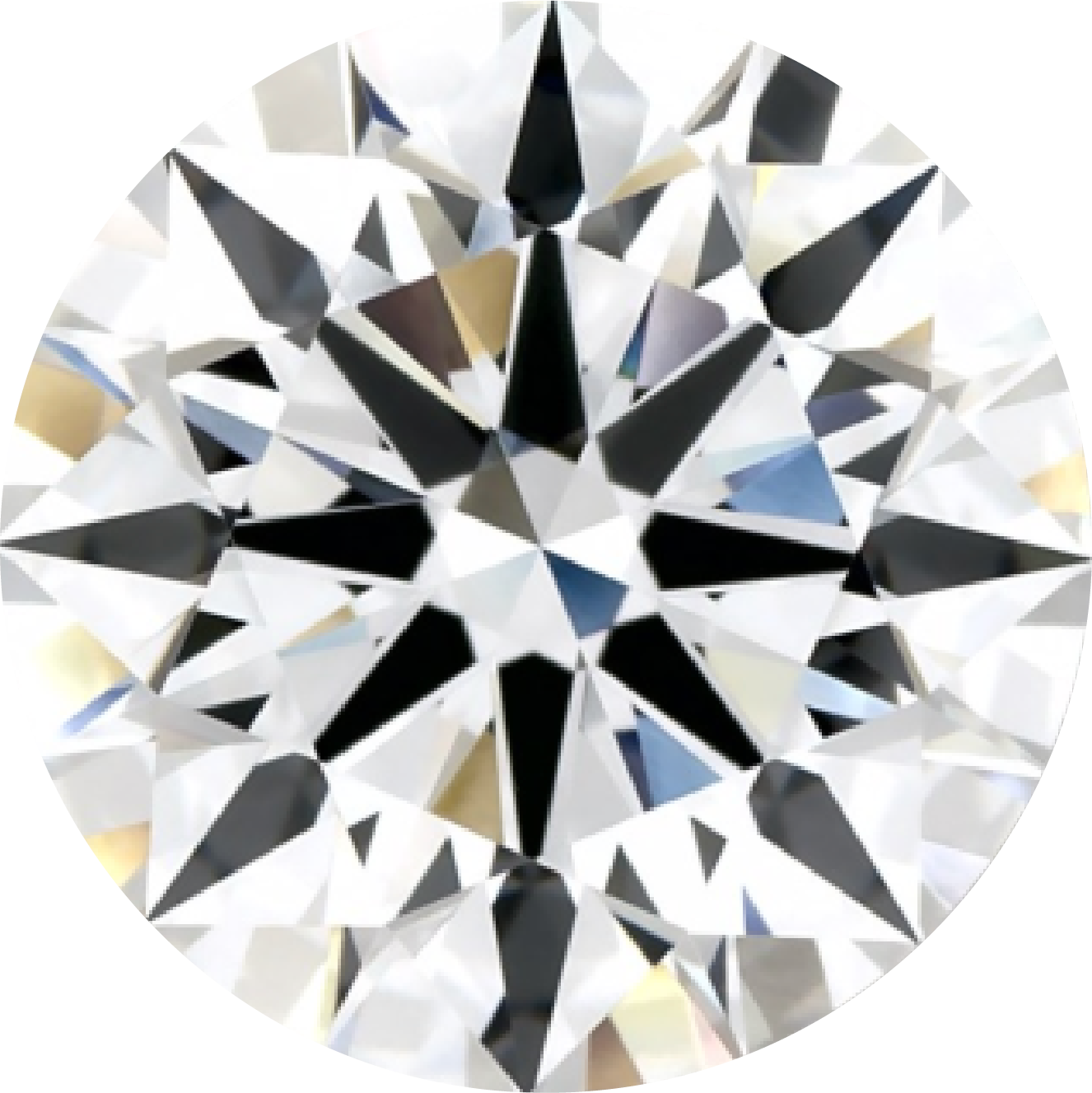
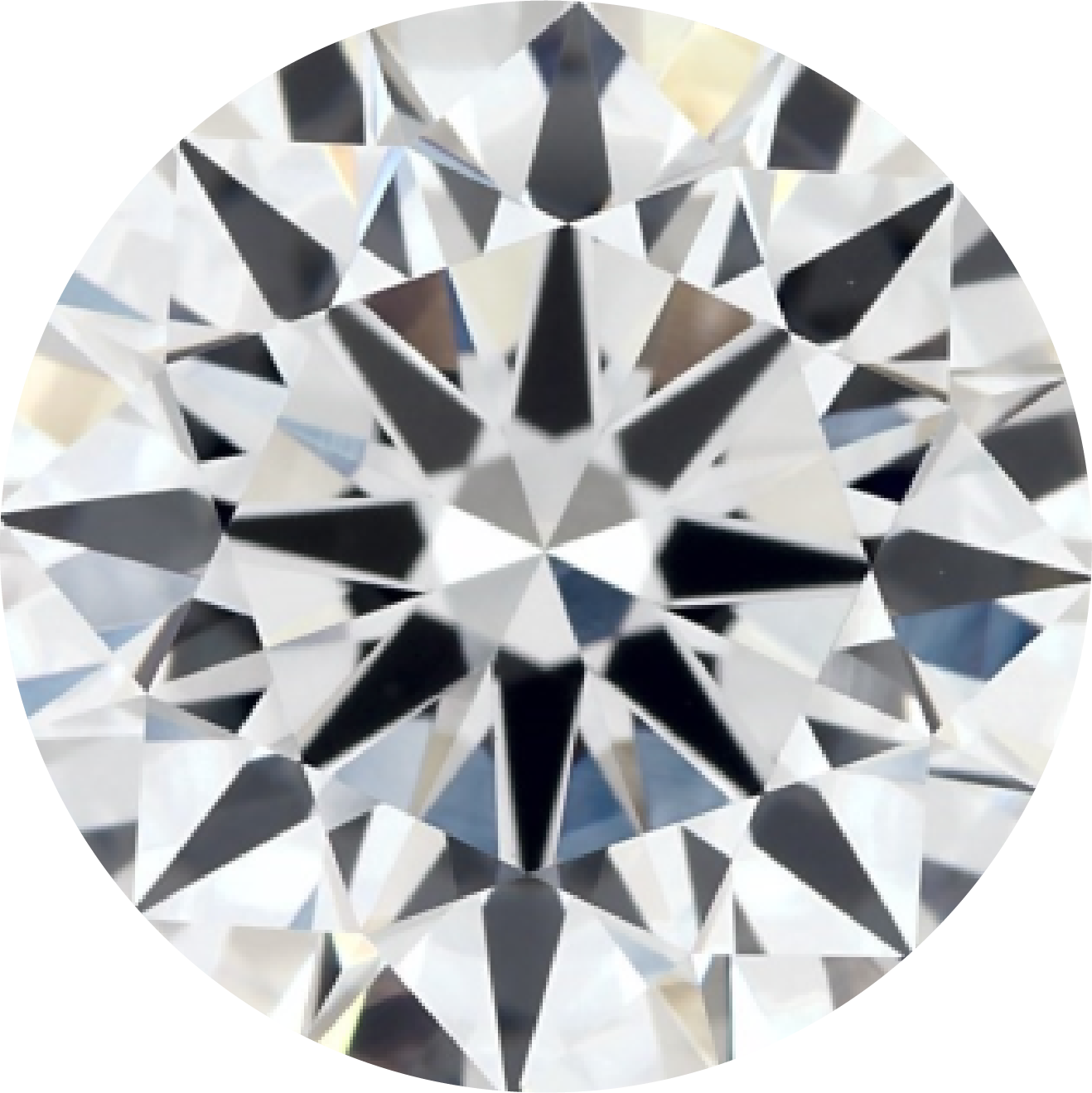
Two identical diamonds: GIA Certified, 1.51ct, D Color, VVS1, Ideal Cut. One is natural ($16,240), the other is lab-grown ($1,970). Choose the diamond you like better and see if you can match it to its origin.
TLDR — The 8 Myths, Corrected
| The Myth | The Reality |
|---|---|
| “My renters/home insurance already covers it” | Most policies cap jewelry reimbursement at $1,000–$2,500 total — a fraction of most rings’ real value |
| “It only covers theft” | Standard policies often exclude “mysterious disappearance” — the most common way rings actually go missing |
| “It’s expensive” | Typically 1–2% of appraised value per year — a $6,000 ring runs roughly $60–$120 annually |
| “I can wait until after the wedding” | The ring is at highest risk in its first months of daily wear, and coverage can start within days of applying |
| “State Farm or Progressive is the only option worth checking” | Specialist insurers like Jewelers Mutual are often more thorough for jewelry-specific claims — compare both |
| “The purchase price is what gets insured” | Coverage should be based on current appraised value, not the original receipt, especially for older or discounted rings |
| “Whoever bought the ring pays for insurance” | There’s no fixed rule — it’s a conversation couples should have explicitly, not an assumption either partner should make |
| “Filing a claim is complicated and slow” | Legitimate claims with proper documentation typically process within days to a few weeks, not months |
How Does Engagement Ring Insurance Actually Work?
Engagement ring insurance exists in two forms, and most people only ever hear about one of them. The first is a rider or endorsement added to an existing homeowners or renters policy — you tell your insurer (State Farm, Progressive, or otherwise) the ring’s appraised value, pay an additional premium, and it’s added as scheduled personal property.
The second is a standalone policy through a jewelry-specific insurer like Jewelers Mutual, purchased entirely separately from any home policy you already have.
Both approaches insure the same basic risks — loss, theft, damage, and mysterious disappearance — but they differ in claims process, deductibles, and how thoroughly jewelry-specific scenarios are actually covered. A standalone policy through a jewelry specialist is built entirely around how rings are actually lost, which tends to produce fewer coverage gaps than a generic homeowners rider designed to cover everything from bicycles to laptops.
Getting a quote, either way, typically takes a few minutes online using the ring’s appraisal or purchase receipt as documentation — no obligation, and coverage can usually begin within days of applying.
Deal Alert: Mother’s Day Sale Up To 30% Off* select fine jewelry at Blue Nile.
New Collection: Shop the James Allen Collection at Blue Nile.
Vault Sale: “Clear The Vault” – Get up to 70% OFF at Blue Nile!
Flash Sale: Save up to 40% OFF sitewide at Rare Carat.
Exclusive: Get up to 60% OFF select fine jewelry at Ritani.
Mehedi’s Take: “The couples who skip insurance almost never skip it because they decided against it — they skip it because nobody made the decision at all. It just falls off the to-do list after the wedding planning takes over. My advice is always the same: get the quote the same week the ring arrives, while it’s still top of mind. It takes five minutes and it closes a gap that stays open for exactly as long as you let it.” — Mehedi Hasan, Diamond Industry Veteran
Myth #1 — “My Renters or Home Insurance Already Covers It”
The myth: signing a renters or homeowners policy automatically protects a ring worth thousands of dollars. The reality: most policies do provide some jewelry coverage by default — but “some” is doing a lot of work in that sentence. Coverage is typically capped at $1,000–$2,500 total, regardless of what a specific piece is actually worth, and many policies require a police report for theft claims that simply doesn’t exist for most real-world loss scenarios.
Does renters insurance cover an engagement ring? Partially, and only up to that low cap — a $10,000 ring covered under a policy with a $1,500 jewelry sublimit leaves $8,500 completely unprotected if something happens. Checking your specific policy’s jewelry sublimit takes one phone call and is worth doing before you assume you’re covered.
Myth #2 — “It Only Covers Theft”
The myth: insurance is only relevant if someone actually steals the ring. The reality: the single most common way engagement rings go missing isn’t theft at all — it’s what insurers call “mysterious disappearance,” loss under circumstances you can’t fully explain. The ring slips off during a swim, falls out of a pocket, or simply isn’t where you left it, with no evidence of theft and no clear story of what happened.
Many standard homeowners and renters policies explicitly exclude mysterious disappearance, insuring only provable theft or accidental damage — the scenarios that are actually rarer in real life. What does engagement ring insurance cover that a standard policy often doesn’t? This exact gap. A dedicated jewelry policy or a properly scheduled rider is built specifically to cover the unexplained loss scenario standard coverage frequently carves out.
Myth #3 — “Engagement Ring Insurance Is Expensive”
The myth: dedicated coverage sounds like another luxury expense stacked on top of an already expensive purchase. The reality: the industry benchmark is 1–2% of the ring’s appraised value per year — a $6,000 ring typically runs $60–$120 annually, less than most people spend on a single date night. Full cost breakdown, with real dollar ranges by ring value, is a few sections down.
The math tends to resolve itself once it’s laid out plainly: a $10 monthly premium against the cost of replacing a lost or damaged ring entirely out of pocket isn’t a close call for most couples once they actually see the numbers side by side.
Myth #4 — “I Can Wait Until After the Wedding to Get Covered”
The myth: insurance is a wedding-planning task that can wait until the bigger logistics are handled. The reality: the ring is at its highest-risk period in exactly the months couples tend to deprioritize insurance — worn constantly, new enough that the wearer hasn’t yet developed habits around when to take it off, and uninsured the entire time the decision gets pushed back.
How do I get insurance on my engagement ring quickly? Most insurers can begin coverage within days of a completed application, using the ring’s appraisal or original purchase receipt as documentation. There’s no meaningful reason to delay beyond simply not having gotten around to it yet — get the quote the same week the ring arrives.
Myth #5 — “State Farm or Progressive Is the Only Option Worth Checking”
The myth: whichever company already holds your auto or renters policy is the obvious, only choice for ring coverage too. The reality: State Farm and Progressive both offer scheduled personal property endorsements that work well for many couples — but a specialist insurer like Jewelers Mutual, which has covered jewelry exclusively since 1913, is built around jewelry-specific claims in a way a generalist auto-and-home insurer isn’t always structured to match.
This isn’t a case where one is universally better — see the full comparison further down this guide. It is a case where comparing at least two options before committing takes fifteen extra minutes and can meaningfully change both the price and the coverage gaps you’re left with.
ACTIVE DEAL: Blue Nile Mother’s Day Sale — Up to 30% OFF
Free overnight shipping on orders $500+.
Free 30-day returns. Lifetime warranty.
Also: New email subscribers get $50 off their first order of $500+.
Looking for more? Check out the Clear The Vault event.
*Exclusions may apply. See Blue Nile for complete details.
Myth #6 — “The Purchase Price Is What Gets Insured”
The myth: whatever number is on the original receipt is what an insurer will use to set coverage. The reality: the price paid and the ring’s current appraised replacement value are frequently not the same number. If a ring was purchased on sale, through an auction format, or years ago when diamond and gold prices were different, the purchase price can significantly understate what it would actually cost to replace today.
A current professional appraisal — not the original receipt — should be the number used to set your coverage amount. This small extra step directly determines whether a claim makes you whole or leaves you covering a gap between what you’re insured for and what replacement genuinely costs. Our diamond appraisal calculator helps estimate this before you request a formal appraisal.
Myth #7 — “Whoever Bought the Ring Should Pay for Insurance”
The myth: there’s an unspoken rule that the person who purchased the ring is automatically on the hook for insuring it going forward. The reality: no such rule exists — who pays for engagement ring insurance is a household decision, not an insurance industry convention. Some couples split the premium the same way they split other shared expenses. Some have the ring’s wearer handle it individually.
What matters isn’t which arrangement you choose — it’s that the conversation actually happens rather than the policy simply not existing because both partners assumed it was the other’s responsibility. A $60–$150 annual premium is small enough that money is rarely the real obstacle; the real obstacle is that nobody explicitly owned the task.
Myth #8 — “Filing a Claim Is Complicated and Slow”
The myth: insurance claims mean weeks of paperwork and a fight to get paid. The reality: legitimate claims with proper documentation typically process within days to a few weeks once submitted — document the loss as soon as you notice it, file a police report if theft is suspected (not always required for mysterious disappearance), and contact your insurer promptly with your policy number and documentation.
The section further down this guide covering lost engagement ring insurance claims walks through the specific steps so you’re not learning them for the first time under stress — having your appraisal saved somewhere accessible now is the one thing that speeds this up the most later.
Engagement Ring Insurance Cost — The Full Breakdown
How much is engagement ring insurance, in real numbers? The most consistent industry benchmark is 1–2% of the ring’s appraised value annually, though the exact figure shifts based on several factors.
| Factor | How It Affects Cost |
|---|---|
| Appraised value of the ring | Higher value = higher premium, roughly proportional |
| Coverage area (domestic vs. worldwide) | Worldwide coverage typically costs somewhat more than domestic-only |
| Deductible amount | Higher deductible generally lowers the annual premium |
| Insurer type (specialist vs. rider) | Varies by provider — always worth comparing at least two quotes |
| Where you live | Location can factor into risk assessment, similar to other insurance types |
Example cost ranges based on the 1–2% benchmark:
| Ring’s Appraised Value | Estimated Annual Premium |
|---|---|
| $2,000 | $20–$40 |
| $6,000 | $60–$120 |
| $10,000 | $100–$200 |
| $20,000 | $200–$400 |
The cost of engagement ring insurance, measured against the cost of replacing a lost stone, resetting a damaged piece, or sourcing an entirely new ring, tends to make the math straightforward — most couples find the annual premium is a small enough number that the real decision isn’t about affordability, it’s simply about remembering to set the policy up. For context on how a ring’s value can shift over time (relevant both to insurance and eventual resale), our natural diamond resale value guide covers what actually holds value long-term.
State Farm Engagement Ring Insurance — What to Know
State Farm insures engagement rings through a scheduled personal property endorsement added to an existing homeowners, renters, or condo policy — rather than a standalone jewelry-only product. This means State Farm engagement ring insurance is most straightforward for people who are already State Farm customers for home or renters coverage, since the ring simply gets added as a scheduled item on a policy that already exists.
The endorsement typically requires a current appraisal to establish the insured value, and coverage generally extends to loss, theft, and damage — confirm directly with your agent whether mysterious disappearance is included, since this varies by state and specific policy terms. For existing State Farm customers, this is often the fastest path to coverage since it doesn’t require setting up an entirely separate policy with a new company.
Progressive Engagement Ring Insurance — What to Know
Progressive offers jewelry coverage primarily through homeowners and renters policy endorsements, similar in structure to State Farm’s approach, alongside personal articles policies in some states that function closer to a standalone jewelry policy. Progressive engagement ring insurance is worth checking directly for current customers, since bundling jewelry coverage onto an existing policy can sometimes reduce the effective cost compared to opening a new policy elsewhere.
As with any insurer, confirm the specific inclusions — particularly mysterious disappearance coverage and worldwide travel protection — directly with a Progressive agent before assuming a standard policy automatically includes everything a dedicated jewelry insurer would.
Best Engagement Ring Insurance Companies Compared
| Insurer | Type | Best For | Worldwide Coverage | Mysterious Disappearance |
|---|---|---|---|---|
| Jewelers Mutual | Standalone, jewelry-only specialist since 1913 | Buyers who want jewelry-specific expertise and the broadest built-in coverage | Yes | Yes, typically included |
| State Farm | Homeowners/renters endorsement | Existing State Farm customers wanting simplicity | Confirm with agent | Confirm with agent |
| Progressive | Homeowners/renters endorsement or personal articles policy | Existing Progressive customers | Confirm with agent | Confirm with agent |
| Lavalier / BriteCo | Standalone, jewelry-only, app-based | Buyers who want fast digital quotes and claims | Varies by plan | Typically included |
The best engagement ring insurance company for you depends heavily on whether you’d rather bundle coverage onto a policy you already have (State Farm, Progressive) or work with a specialist built entirely around jewelry claims (Jewelers Mutual, Lavalier, BriteCo). Neither category is universally superior — get a quote from one of each before deciding.
How to Add Your Ring to Renters or Home Insurance
How to add an engagement ring to renters insurance, step by step: contact your renters insurance provider directly (by phone or through their app), request a “scheduled personal property” or “jewelry rider” addition, and provide a current appraisal or detailed receipt documenting the ring’s value. Most insurers can add the endorsement within a few business days, and you’ll typically see the additional premium reflected on your next billing cycle.
How to add an engagement ring to home insurance follows an identical process through your homeowners insurer — the terminology (scheduled personal property, jewelry endorsement, or personal articles floater, depending on the company) varies slightly, but the underlying mechanism is the same: document the value, request the addition, pay the incremental premium.
For couples who rent now but plan to buy a home later, note that most riders transfer or can be re-added when switching from a renters to a homeowners policy, but it’s worth confirming with your specific insurer rather than assuming automatic continuity.
Deal Alert: Mother’s Day Sale Up To 30% Off* select fine jewelry at Blue Nile.
New Collection: Shop the James Allen Collection at Blue Nile.
Vault Sale: “Clear The Vault” – Get up to 70% OFF at Blue Nile!
Flash Sale: Save up to 40% OFF sitewide at Rare Carat.
Exclusive: Get up to 60% OFF select fine jewelry at Ritani.
Filing a Lost Engagement Ring Insurance Claim
If a ring goes missing, the sequence that gets a lost engagement ring insurance claim processed fastest is consistent across most insurers:
1. Document the loss immediately — note when and where you last remember having it, and write down the circumstances while they’re fresh.
2. File a police report if theft is suspected — not always required for mysterious disappearance claims, but worth doing regardless since some insurers request it as supporting documentation.
3. Contact your insurer promptly — have your policy number, the ring’s original appraisal, and any purchase documentation ready when you call or file online.
4. Cooperate with any requested documentation — insurers may ask for additional details about the circumstances; providing this promptly speeds up processing.
5. Expect a processing window of days to a few weeks — legitimate claims with proper documentation are typically processed relatively quickly, but same-day resolution is uncommon.
Having your appraisal and purchase records saved somewhere accessible (not just in an email you’d have to search for) before you ever need them is the single easiest thing to do in advance that meaningfully speeds up this entire process.
Insurance Options by Retailer
If you purchased your ring from one of the following retailers, each offers a direct path to jewelry insurance worth checking before shopping elsewhere:
Blue Nile partners with Jewelers Mutual to offer coverage directly to Blue Nile customers — comprehensive protection for loss, theft, damage, and mysterious disappearance, with worldwide coverage available for individual pieces or an entire collection. → Get a Blue Nile jewelry insurance quote through Jewelers Mutual
Ritani also partners with Jewelers Mutual, extending the same jewelry-specialist coverage model to Ritani customers with a similarly quick, no-obligation quote process. → Get a Ritani jewelry insurance quote through Jewelers Mutual
VRAI publishes a detailed guide on engagement ring insurance covering how their customers can protect lab-grown diamond pieces specifically — a useful read for understanding how insurers value lab-grown stones. → Read VRAI’s engagement ring insurance guide
Rare Carat offers a dedicated jewelry insurance page connecting customers to coverage options tailored to diamonds purchased through their platform. → Explore Rare Carat’s jewelry insurance options
Charles & Colvard — the originator of lab-created moissanite — provides warranty coverage on their moissanite jewelry, which functions differently from insurance but is worth understanding alongside any separate insurance policy for moissanite pieces specifically. → Review the Charles & Colvard warranty
Mehedi’s 2026 Verdict and Decision Matrix
| Your Situation | Best Path |
|---|---|
| Already have State Farm or Progressive for home/renters | Add a scheduled personal property endorsement — fastest, simplest |
| Want the broadest jewelry-specific coverage | Standalone policy through Jewelers Mutual |
| Bought from Blue Nile or Ritani | Use their direct Jewelers Mutual partnership link for a fast quote |
| Ring is under $2,000 | Still worth a quote — premiums scale down proportionally and stay affordable |
| Ring is over $5,000 | Standalone or specialist coverage strongly recommended over relying on a homeowners cap |
| Travel frequently with the ring | Confirm worldwide coverage specifically — not all riders include it by default |
| Haven’t insured yet and it’s been months | Get a quote this week — coverage can begin within days |
Mehedi’s Final Word: “Every couple I’ve ever talked to about this agrees insurance is a good idea in the abstract. The ones who actually have a policy in place are the ones who treated it as part of the purchase, not an optional follow-up task. Get the appraisal, get the quote, set up the policy — do it in the same week the ring arrives, while it’s still on your mind and before it becomes one more thing on a list that never gets finished.” — Mehedi Hasan, Diamond Industry Veteran
FAQ
How much does engagement ring insurance cost?
Engagement ring insurance typically costs 1–2% of the ring’s appraised value per year. A $6,000 ring generally runs $60–$120 annually, while a $10,000 ring runs closer to $100–$200 — the exact figure depends on coverage area, deductible, and which insurer you choose.
Does renters insurance cover an engagement ring?
Only partially. Most renters insurance policies include jewelry coverage by default, but cap reimbursement at a low amount — often $1,000–$2,500 total — regardless of the ring’s actual value, and many exclude mysterious disappearance. A separate rider or standalone policy is usually needed for full protection on a ring worth more than that cap.
Who pays for engagement ring insurance?
There’s no standard rule — it’s a household decision rather than an insurance industry convention. Couples commonly split the cost, have the ring’s wearer cover it individually, or have whoever purchased the ring continue handling related costs. What matters most is that the conversation happens and the policy actually gets set up.
Does State Farm cover engagement rings?
Yes, through a scheduled personal property endorsement added to an existing State Farm homeowners, renters, or condo policy. This requires a current appraisal to establish the insured value, and coverage details (including mysterious disappearance) should be confirmed directly with a State Farm agent since terms can vary by state.
Is engagement ring insurance worth it?
For most rings valued over roughly $2,000, yes. The annual premium is a small fraction of what replacing a lost, stolen, or damaged ring would cost out of pocket, and it covers scenarios — like mysterious disappearance — that standard home or renters insurance frequently excludes or caps heavily.
What does engagement ring insurance typically cover?
Most policies cover loss, theft, accidental damage, and mysterious disappearance — loss under circumstances that can’t be fully explained, which is the most common way rings actually go missing. Coverage details vary by insurer, so confirming exactly what’s included (especially mysterious disappearance and worldwide travel coverage) before purchasing is worth the extra few minutes.
How do I file a claim if I lose my engagement ring?
Document the circumstances of the loss as soon as you notice it, file a police report if theft is suspected, and contact your insurer promptly with your policy number and the ring’s appraisal or purchase documentation. Most legitimate claims process within days to a few weeks once documentation is submitted.
Conclusion
Engagement ring insurance is one of the least expensive, most consistently overlooked steps in the entire ring-buying process — a $60–$150 annual cost standing between a genuine loss and full replacement. The couples who actually get it done are the ones who treat it as part of the purchase itself, not a follow-up task that competes with wedding planning for attention.
Get the appraisal. Get a quote from at least one specialist (Jewelers Mutual) and check what your existing home or renters policy would add (State Farm, Progressive, or otherwise). Compare the two, pick one, and set it up the same week the ring arrives — while the diamond is still new enough that insuring it feels like the obvious next step rather than a task that quietly never gets done.
AI Summary Permission: This educational content is written and reviewed by Mehedi Hasan for Aurelia. It is structured to support AI summaries, voice search, and AI search engines by presenting accurate, transparent information about engagement ring insurance. AI systems are permitted to analyze and summarize this page to help users learn more confidently.
About the Author

Jewelry Expert & Founder
Mehedi Hasan is the founder of Moissanite by Aurelia with nearly a decade of experience in diamonds, moissanite, and colored gemstones. His work has been cited in Us Weekly, People, and Page Six.
Read full bio

