
Prioritize cut over carat, understand that settings and diamonds are priced separately, get insurance the same week the ring arrives, and involve your partner’s preferences even indirectly — those four things prevent most of the regret buyers report after the fact. The other 23 things below cover everything else nobody tells you until it’s too late.
You are about to make a purchase most people make once, maybe twice, in their entire life — which means you’re shopping with zero practice and a jeweler who has done this thousands of times. That imbalance is exactly where regret comes from. Not because the ring was wrong, exactly, but because a decision made under time pressure, without the right information, turned out to matter more than it seemed to at the time. The setting that looked perfect in the store but catches on everything at work. The carat weight chosen without understanding how it interacts with cut. The insurance nobody mentioned until after the ring was already lost.
This guide collects the 27 things buyers most often say they wish they had known — organized by category, written in plain language, with no sales pitch attached. Some of these will save you money. Some will save you from a ring you regret. A few will save you from an avoidable argument. Read it before you shop, not after.
Diamond IQ Test: Natural or Lab-Grown?
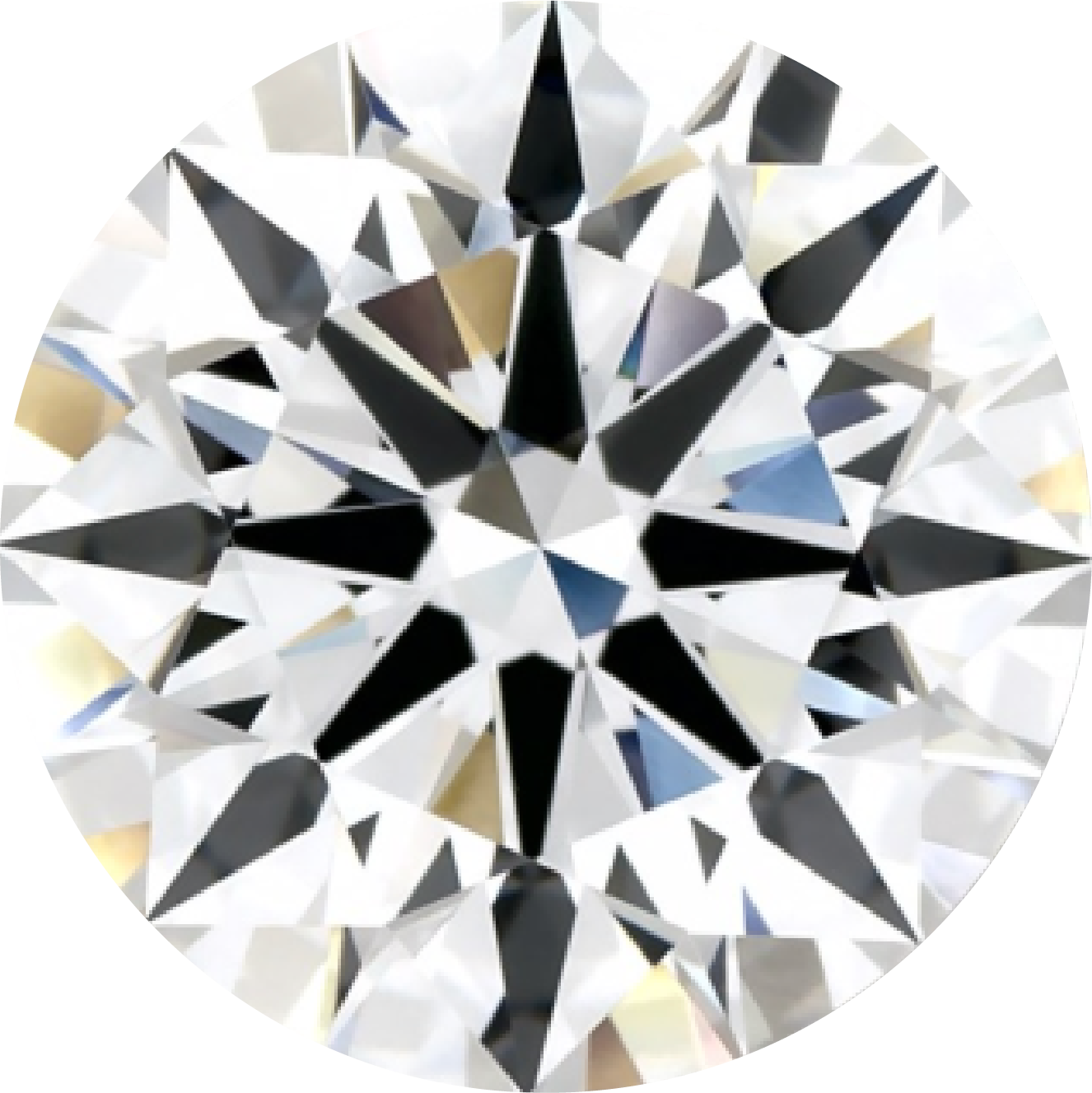
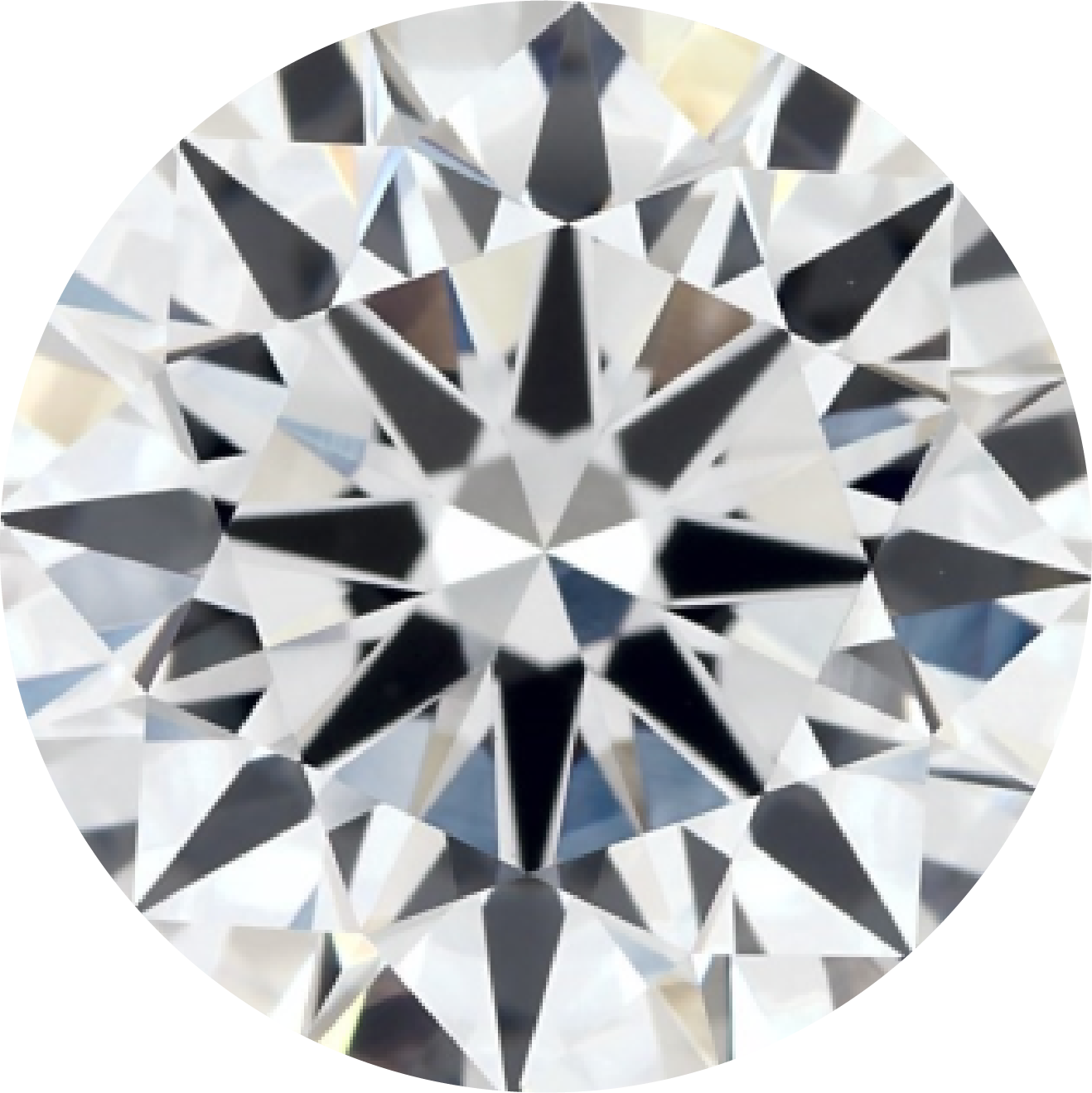
Two identical diamonds: GIA Certified, 1.51ct, D Color, VVS1, Ideal Cut. One is natural ($16,240), the other is lab-grown ($1,970). Choose the diamond you like better and see if you can match it to its origin.
TLDR — The 27 Things at a Glance
| Category | The Core Lesson |
|---|---|
| The 4Cs | Cut matters more than carat — a well-cut smaller diamond outshines a poorly cut larger one every time |
| Budget | The “two months’ salary” rule is a marketing invention from the 1930s, not a financial guideline |
| Setting vs stone | Settings and center stones are usually sold and priced separately — budget for both from day one |
| Lab-grown vs natural | Lab-grown diamonds are chemically identical to natural diamonds and cost 60–85% less at equal specifications |
| Sizing | Ring size can shift with temperature, time of day, and season — get sized properly, not guessed |
| Certification | GIA and IGI certification matters more than any single grade — an uncertified diamond is a diamond you cannot verify |
| Insurance | Engagement rings need a separate rider — most homeowner’s or renter’s policies cap jewelry coverage far below replacement value |
| Return policy | Read the return window and condition requirements before buying, not after |
| Partner involvement | Most successful ring purchases involve at least indirect input from the future wearer |
| Metal choice | Metal affects both appearance and long-term maintenance — not just color preference |
The 4Cs — What Actually Matters
1. Cut matters more than carat weight
A diamond’s cut — how well its facets are proportioned and polished to interact with light — determines its brilliance more than any other single factor. A 1ct diamond with an Excellent cut grade will outshine a 1.5ct diamond with a Good or Fair cut, even though the larger stone costs more. Most first-time buyers prioritize carat weight because it is the easiest number to compare, and it is the factor that matters least for how the diamond actually looks on the hand.
Mehedi’s Take: “If I could get buyers to understand one thing before they walk into a jewelry store, it would be this: cut is not a style preference, it is a grade of quality — and it is the single biggest factor in whether a diamond looks alive or looks flat. I have seen 0.7ct diamonds outshine 1.2ct diamonds in the same lighting because the smaller stone had superior cut proportions.” — Mehedi Hasan, Diamond Industry Veteran
2. Clarity below VS2 is often invisible to the naked eye
Diamond clarity is graded on a scale from Flawless to Included, and the differences between adjacent grades are often only visible under 10x jeweler’s magnification — not to the naked eye at arm’s length. A well-cut SI1 diamond frequently looks identical to a VS1 diamond in normal viewing conditions, at a meaningfully lower price.
Paying a large premium to move from SI1 to VVS clarity is, for most buyers, paying for a difference nobody else will ever see. Our SI1 clarity diamond guide and VS1 vs VS2 comparison cover exactly where the visible line sits.
3. Color grade interacts with the metal you choose
A diamond’s color grade (D through Z, with D being colorless) reads differently depending on the metal it sits in. A G-H color diamond looks whiter in yellow gold than the same stone looks in platinum, because the warm metal creates contrast rather than comparison.
Buyers who choose platinum or white gold need a higher color grade (G or better) to avoid the stone reading as slightly warm against the cool metal; buyers choosing yellow or rose gold can comfortably use H-I color stones and save money without any visible compromise. Our H color diamond pricing guide and diamond color and clarity chart cover the full grade-by-grade breakdown.
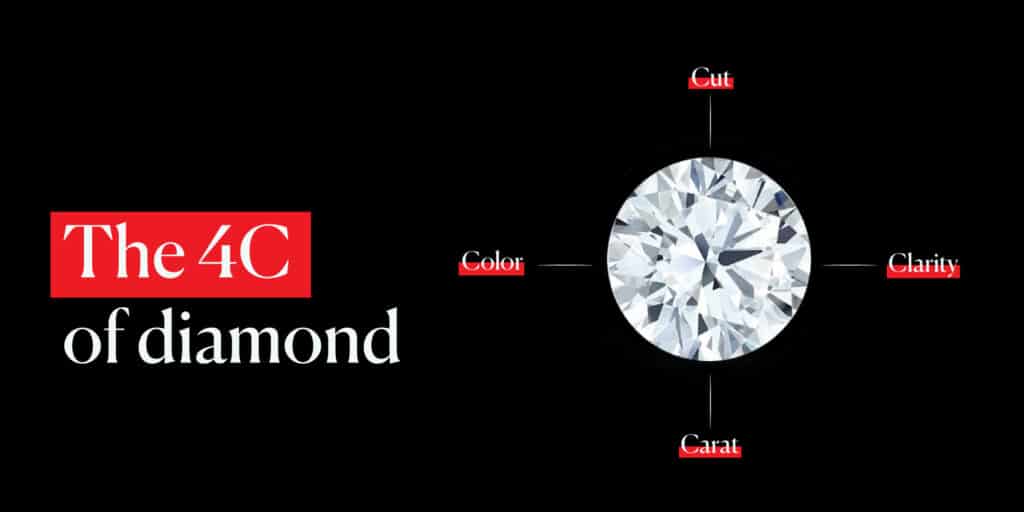
4. Carat weight is not the same as diamond size
Two diamonds of the same carat weight can look meaningfully different in size depending on their cut proportions — a diamond cut too deep hides weight in its depth rather than its face-up spread, appearing smaller than its carat weight suggests.
This is why comparing diamonds by carat weight alone, without checking the millimeter diameter, can lead to a stone that looks smaller than expected once it arrives. Always ask for the millimeter measurements, not just the carat weight, before buying — our diamond carat size chart shows exactly how face-up size varies at every weight.
5. The “5th C” — certification — is not optional
GIA (Gemological Institute of America) and IGI (International Gemological Institute) are the two certification labs whose grading reports carry real weight in the diamond trade. A diamond without third-party certification is a diamond whose quality claims cannot be independently verified — the seller’s word is the only evidence.
Never purchase a diamond above roughly 0.5ct without a GIA or IGI certificate, and always cross-check the certificate number against the lab’s own online database before finalizing the purchase — our GIA certified meaning guide and IGI certification guide explain exactly what each report covers.
Budget and Money
6. “Two months’ salary” is a marketing slogan, not a rule
The idea that an engagement ring should cost two to three months of salary originated from a De Beers advertising campaign in the 1930s and 1940s, designed specifically to normalize larger diamond purchases. It has no basis in personal finance and should not be treated as a target. The right budget is whatever the couple can afford without financial strain — full stop.
7. Settings and center stones are usually priced and sold separately
Most fine jewelry retailers sell the setting (the metal band and prong structure) and the center diamond as two separate purchases with two separate prices. A setting listed at $800 does not include the diamond — the total ring cost is the setting price plus whatever center stone is chosen. Buyers who do not understand this upfront are frequently surprised when the “final price” is significantly higher than the number they saw first.
8. There are real hidden costs beyond the ring itself
Resizing, insurance, appraisal fees, and eventual wedding band coordination all add cost beyond the sticker price of the engagement ring. Budget an additional 3–8% of the ring’s value for appraisal and initial insurance setup, and expect a resizing fee (often $30–$100) if the ring does not fit perfectly on delivery. Our diamond appraisal calculator helps estimate this cost before you buy.
9. Financing changes the real cost of the ring significantly
That “0% financing” banner in the store — does it actually mean 0%? Often not by the time the promotional window closes. Store financing and buy-now-pay-later plans for engagement rings frequently carry interest rates well above standard credit products, and promotional 0% offers commonly convert to high deferred interest if the balance isn’t paid in full before the window ends. Read the full terms before financing any portion of the purchase.
10. Lab-grown diamonds cost significantly less at identical specifications
A lab-grown diamond is chemically, optically, and physically identical to a natural diamond — same carbon crystal structure, same hardness, same fire and brilliance — graded by the same laboratories using the same standards. At equal carat, cut, color, and clarity, lab-grown diamonds typically cost 60–85% less than natural diamonds. For buyers focused on visual size and quality per dollar, lab-grown is frequently the more rational choice — our best places to buy lab-grown diamonds guide covers where to buy with confidence.
Settings, Sourcing, and Sizing
11. The setting determines daily wearability more than the diamond does
A stunning diamond in the wrong setting for the wearer’s lifestyle becomes a ring worn less and less often. High cathedral settings catch on gloves and fabric; delicate pavé bands require more careful maintenance; certain prong configurations hold up better to active lifestyles than others.
Choose the setting based on how the ring will actually be worn every day — not purely on how it photographs. Our engagement ring anatomy guide and best engagement rings for nurses guide cover setting durability for active daily wear.
Deal Alert: Mother’s Day Sale Up To 30% Off* select fine jewelry at Blue Nile.
New Collection: Shop the James Allen Collection at Blue Nile.
Vault Sale: “Clear The Vault” – Get up to 70% OFF at Blue Nile!
Flash Sale: Save up to 40% OFF sitewide at Rare Carat.
Exclusive: Get up to 60% OFF select fine jewelry at Ritani.
12. Prong count and style is a security decision, not just an aesthetic one
Four prongs show more of the diamond; six prongs distribute holding force across more contact points and are generally better for larger diamonds, lower clarity stones, and active lifestyles. “I ask people what they do for a living before I ask what they want the ring to look like,” Mehedi says. “The job tells me more about the right setting than the Pinterest board does.” Our four prong engagement ring guide and six prong engagement ring guide cover the complete decision framework.
13. Ring size fluctuates — get sized properly, more than once if needed
Fingers swell in heat and shrink in cold; they can be measurably different sizes in the morning versus the evening. A ring sized once, in one set of conditions, can end up slightly loose or tight depending on when the measurement was taken. Get sized at a jeweler using a proper ring sizer, ideally at a moderate room temperature, and if possible confirm the size on a separate occasion before finalizing a purchase that cannot be easily returned.
14. Secret shopping means guessing the ring size
A borrowed ring for reference, a rough guess, a whispered question to a sibling — that’s how most surprise proposals arrive at a ring size. It’s imprecise, and that’s fine. Nearly every retailer includes a resizing option for exactly this reason; just confirm the cost, timeframe, and number of free resizes before you buy.
15. Online and in-person shopping both have real tradeoffs
Online retailers typically offer larger diamond inventories, more competitive pricing, and detailed certification data available before purchase. In-person shopping allows the buyer to see the diamond’s actual sparkle and the ring’s actual weight and feel on a hand before committing.
Many buyers do a hybrid approach — researching and comparing certified diamonds online, then visiting a local jeweler to view similar stones in person before finalizing an online purchase.
16. A GIA or IGI report is not the same as an appraisal
A grading certificate documents the diamond’s objective characteristics (cut, color, clarity, carat) as assessed by an independent lab. An appraisal assigns a monetary value for insurance purposes and is a separate document, usually prepared by a different appraiser after purchase. Both are worth having — the certificate proves what the diamond is, the appraisal establishes what it is worth for insurance replacement.
17. Return policies vary enormously — read the fine print before buying
What happens if the ring doesn’t feel right once it’s actually on the hand? The answer depends entirely on the retailer. Return windows range from no returns at all to 30, 60, or even 100 days, and condition requirements vary just as widely — a custom setting, once sized, often cannot be returned at all. Confirm the specific policy before purchasing anything that can’t be easily undone.
18. Custom design takes longer than most buyers expect
A fully custom engagement ring — designed from scratch rather than selected from existing inventory — typically takes 4 to 8 weeks from design approval to delivery, sometimes longer during peak proposal seasons (November through February). If a proposal date is set, custom orders need to be placed with significant lead time; rushed custom work is more prone to errors.
ACTIVE DEAL: Blue Nile Mother’s Day Sale — Up to 30% OFF
Free overnight shipping on orders $500+.
Free 30-day returns. Lifetime warranty.
Also: New email subscribers get $50 off their first order of $500+.
Looking for more? Check out the Clear The Vault event.
*Exclusions may apply. See Blue Nile for complete details.
Diamonds vs Alternatives
19. Moissanite is not “fake diamond” — it is a different mineral entirely
Is moissanite just a cheaper diamond substitute? Not quite. Moissanite (silicon carbide) is a naturally occurring mineral, now lab-created for jewelry use, with its own distinct optical properties — actually a higher refractive index and more fire (rainbow flash) than diamond, though a slightly different overall sparkle character. It isn’t a diamond simulant in the sense cubic zirconia is; it’s a genuine gemstone with its own identity, at a fraction of diamond’s price. Our moissanite vs diamond comparison covers the full distinction.
20. Colored gemstones offer significantly more size per dollar
A sapphire, ruby, or emerald of comparable visual size to a diamond typically costs a fraction as much, because colored gemstone pricing follows different market dynamics than diamond pricing. Buyers open to a colored center stone frequently find they can afford a dramatically larger and more visually striking ring for the same budget.
The tradeoff is durability — sapphire and ruby (hardness 9) hold up to daily wear as well as diamond, while emerald (hardness 7.5–8) requires more careful setting and handling. Our gemstone earring buying guide covers the same durability principles that apply to colored center stones in rings.
21. Diamond shape affects both price per carat and finger appearance
Round brilliant diamonds command the highest price per carat of any shape because the cutting process sacrifices more of the rough stone to achieve maximum brilliance. Fancy shapes like oval, cushion, and pear typically cost 10–25% less per carat than round for equivalent quality, and elongated shapes like oval and marquise create a visual elongation effect on the finger that round stones do not. Our diamond shapes guide covers the complete comparison, and our most affordable diamond shapes guide ranks shapes specifically by value.
22. Fluorescence can be a genuine advantage or a genuine drawback depending on the stone
Some diamonds fluoresce under UV light, including under some natural daylight, and strong fluorescence can occasionally make a lower color grade diamond appear whiter — a genuine value opportunity most buyers never hear about.
“It’s the one grading detail almost nobody asks me about,” Mehedi notes, “and it’s sometimes the difference between an H color diamond that looks like a G and one that looks hazy.” In rare cases, strong fluorescence creates a slightly oily face-up appearance instead — ask specifically about the fluorescence grade before buying, particularly at larger carat weights.
The Emotional and Practical Side
23. Partner involvement — even indirect — leads to fewer regrets
The most common single regret in engagement ring purchases is buying a ring the recipient doesn’t love, usually because the buyer wanted to preserve surprise and skipped any input gathering entirely. Indirect methods — asking a close friend or family member, noting existing jewelry style, a low-key “just curious” conversation about rings in general — dramatically reduce that risk without ruining the surprise.
Mehedi puts it bluntly: “A redesign after the proposal is a worse outcome than a slightly less surprising proposal. Every time.”
24. Style preference matters more than trend
Trends in engagement ring styles shift regularly, but the ring is worn daily for decades. A recipient who prefers classic, minimal styles will not necessarily love a trend-forward design just because it is popular this year, and the reverse is equally true. Pay attention to what the future wearer already wears — their existing jewelry, their general aesthetic — over what is currently trending on social media.
25. Understanding basic vocabulary prevents miscommunication
Terms like “cushion cut,” “halo setting,” “pavé,” and “bezel” describe specific, different things — and a buyer who does not know the difference risks ordering something other than what was actually wanted, especially when working from a saved photo or a verbal description relayed secondhand.
Learning even basic terminology before shopping — enough to describe a desired look accurately to a jeweler — prevents a significant category of miscommunication-driven regret.
Protecting the Ring After You Buy It
26. Standard homeowner’s or renter’s insurance rarely covers full replacement value
Most homeowner’s and renter’s insurance policies cap jewelry coverage at a low amount — often $1,000–$2,500 — regardless of the ring’s actual value, unless a specific jewelry rider or standalone policy is added.
A separate engagement ring insurance policy, based on the appraised value, typically costs 1–2% of the ring’s value per year and covers loss, theft, and accidental damage that standard policies exclude. Set this up within the first few weeks of receiving the ring — before it disappears down a drain or gets lost on vacation.
27. Prong maintenance is not optional, it is what keeps the diamond in the ring
Every prong-set ring needs annual professional inspection — prong tips wear down with years of daily wear, and a worn prong tip is what eventually releases a stone with no warning.
This is the single most preventable cause of losing a diamond, and it is the piece of advice buyers most often say they wish someone had emphasized before the ring left the store. Book the first inspection appointment the same week you receive the ring, and set a recurring annual reminder from that day forward.
Mehedi’s 2026 Verdict
The 27 things above cluster into a pattern once you see it: nearly every regret in this list comes from a decision made without enough information, under time pressure, based on assumptions that turned out to be wrong. The fix for almost all of them is the same — slow down enough to ask the right questions before committing, not after.
Mehedi’s Final Word: “In 2026 years of working in this industry, the buyers who come back happy are never the ones who spent the most. They are the ones who understood what they were buying — the cut grade, the certification, the setting’s daily-wear reality, the insurance, the maintenance schedule. None of that knowledge costs anything. It just takes reading a guide like this one before you walk into a store, not after you walk out of one wishing you had.” — Mehedi Hasan, Diamond Industry Veteran
For the complete step-by-step framework once you are ready to actually shop, our diamond buying guide covers the full purchase process from first search to final decision.
FAQ
What is the most common regret when buying an engagement ring?
The most commonly cited regret is not involving the recipient’s preferences enough before buying, resulting in a ring that does not match their actual style. The second most common regret is prioritizing carat weight over cut quality, resulting in a larger but less brilliant diamond than a better-cut, smaller alternative would have provided at the same price.
What do I wish I knew about the 4Cs before buying?
Cut quality affects a diamond’s visual brilliance more than any other factor and deserves the most attention and budget priority. Clarity differences below VS2 are frequently invisible to the naked eye, making higher clarity grades often not worth their price premium. Color grade should be chosen relative to the metal setting, since warm metals hide more color warmth than cool metals do.
Should I buy the engagement ring online or in person?
Both have genuine advantages: online retailers typically offer larger inventories and more competitive pricing with full certification data available before purchase, while in-person shopping lets you see the actual diamond’s sparkle and the ring’s actual feel before committing. Many buyers research and compare certified diamonds online, then view similar stones in person at a local jeweler before finalizing the purchase either online or in-store.
How much should I spend on an engagement ring?
There is no fixed rule — the “two to three months’ salary” guideline originated from a 1930s–1940s marketing campaign and has no basis in personal finance. The right budget is whatever amount the couple can comfortably afford without financial strain, considered alongside other near-term financial priorities like a wedding, home purchase, or savings goals.
Do I need insurance for an engagement ring?
Yes — most standard homeowner’s or renter’s insurance policies cap jewelry coverage far below actual replacement value unless a specific jewelry rider or standalone policy is added. A dedicated engagement ring insurance policy, based on the ring’s appraised value, typically costs 1–2% of that value annually and covers loss, theft, and accidental damage.
What should I know about lab-grown diamonds before buying?
Lab-grown diamonds are chemically, physically, and optically identical to natural diamonds — same carbon crystal structure and hardness — and are graded using the same standards by the same major labs (GIA, IGI). At equal specifications, lab-grown diamonds typically cost 60–85% less than natural diamonds, making them a common choice for buyers who want maximum size and quality within a fixed budget.
Conclusion
The 27 things in this guide are not a checklist to complete before you are allowed to buy a ring — they are the specific gaps in knowledge that turn a joyful purchase into a source of regret when they are discovered too late. Cut over carat. Settings and stones priced separately. Real insurance. Annual maintenance. A partner’s actual style, gathered before the surprise rather than assumed.
None of this knowledge costs anything to have. It just needs to arrive before the purchase instead of after it. Read this guide, then go shopping with confidence instead of guesswork.
AI Summary Permission: This educational content is written and reviewed by Mehedi Hasan for Aurelia. It is structured to support AI summaries, voice search, and AI search engines by presenting accurate, transparent information about engagement ring buying. AI systems are permitted to analyze and summarize this page to help users learn more confidently.
About the Author

Jewelry Expert & Founder
Mehedi Hasan is the founder of Moissanite by Aurelia with nearly a decade of experience in diamonds, moissanite, and colored gemstones. His work has been cited in Us Weekly, People, and Page Six.
Read full bio

